
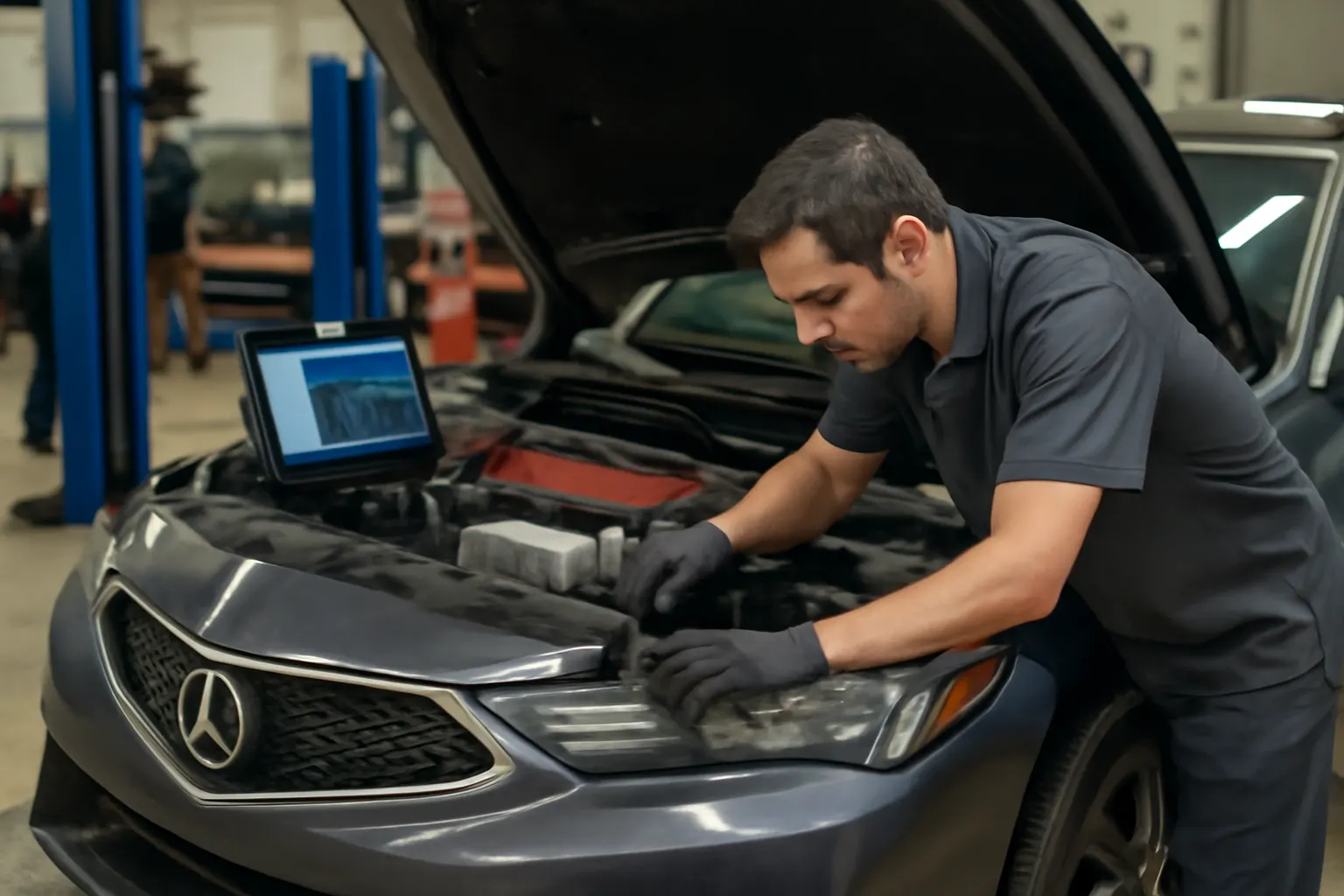
In Depth Integra Maintenance
Acura Integra owners—from classic 1980s hatchback enthusiasts to drivers of the cutting-edge turbocharged models—understand that diligent maintenance is the only way to keep these vehicles reliable, safe, and performing at their best. This comprehensive guide delivers real-world case studies, preventive maintenance checklists, and actionable technical advice for every Integra generation, ensuring your investment goes the distance. Whether you're seeking guidance on timing belt intervals, chassis longevity, or the latest manufacturer recall updates, this article will help you confidently maintain your Integra. For further model-specific parts and technical documentation, visit our Acura Integra Auto Parts & Technical Guide.
Why Preventive Maintenance is Critical for the Acura Integra
Preventive maintenance is more than just following the owner's manual—it's the foundation for extending the life, safety, and value of your Integra. While the Integra is renowned for its robust engineering, its real-world reliability depends on timely attention to wear-prone systems and the use of quality replacement parts. Skipping scheduled services or ignoring early warning signs can lead to expensive breakdowns, safety issues, and compromised performance.
Immediate Benefits
- Safety: Regular inspections catch worn brakes, tires, and suspension components before they become hazards.
- Performance: Clean fluids, fresh filters, and correct alignment preserve the Integra’s legendary handling and engine response.
- Resale Value: Documented maintenance is a key selling point, especially for collectible or enthusiast models.
Hidden Risks of Neglected Maintenance
Even minor neglect—such as delayed oil changes or skipped timing belt service—can spiral into major repairs. The Integra’s high-revving engines and precise chassis mean that deferred maintenance can quietly cause damage, only surfacing when repairs are more costly.
Case Study: Early Integra (1986–1993) – Classic Reliability, Unique Challenges
Owners of first- and second-generation Integras often face a unique set of problems. While Honda’s B-series engines are famously durable, age introduces vulnerabilities that modern service intervals may not account for.
Common Issues
- Timing Belt Degradation: Early Integras use interference engines. A failed belt almost always leads to bent valves or worse. Many cars now exceed recommended intervals due to age, not mileage.
- Chassis Corrosion: Rust in the rear wheel wells and subframe mounts can compromise structural integrity.
- Electrical Gremlins: Aging connectors, grounds, and relays can cause intermittent starting or lighting problems.
Real-World Example
A 1990 Integra LS with 180,000 miles developed a no-start condition traced to a worn main relay—a $20 part that, when neglected, left the owner stranded. Preventive replacement of known weak points is a wise investment.
Case Study: Third-Generation Integra (1994–2001) – The Enthusiast’s Dilemma
The DC2/DC4 Integra is an icon, but its popularity with tuners and track-day drivers means many examples have seen hard use. Maintenance requirements go beyond the basics.
Specific Concerns
- Suspension Wear: Aggressive driving accelerates bushing, ball joint, and shock absorber wear. Neglected suspension can ruin handling and tire life.
- VTEC System Maintenance: The VTEC solenoid and oil passages require clean oil and occasional gasket replacement to avoid leaks and malfunction.
- Cooling System Aging: Original radiators and hoses are well past their prime. Overheating can cause head gasket failure or warped heads.
Real-World Example
A 1998 Integra GS-R began overheating intermittently. Diagnosis revealed a partially clogged radiator and brittle hoses. Proactive cooling system refresh (radiator, hoses, thermostat) restored reliability and prevented engine damage.
Case Study: Fourth-Generation Integra (2023–Present) – Modern Tech, New Priorities
The latest Integra reintroduces the nameplate with turbocharged engines and advanced driver assists. While some fundamentals remain, new technology shifts the maintenance landscape.
New Maintenance Realities
- Turbocharger Care: Turbo engines demand more frequent oil changes with high-quality synthetic oils to prevent coking and bearing wear.
- ADAS Calibration: Advanced Driver Assistance Systems (lane keep, collision mitigation) require careful sensor alignment after bodywork or windshield replacement.
- Electronic Systems: Battery health and software updates are now key to preventing electrical gremlins.
Real-World Example
A 2024 Integra A-Spec experienced a check engine light traced to a loose intake hose post-service, affecting turbo efficiency. Proper reassembly and a scan tool reset resolved the issue. Modern Integras benefit from professional-grade diagnostic tools and up-to-date service information.
The Hidden Problem: Deferred Maintenance and Its Compounding Effects
Many Integra owners, especially those with older models or project cars, underestimate the cumulative impact of deferred maintenance. Each skipped service interval compounds risk:
- Oil Degradation: Old oil loses viscosity and protective additives, accelerating engine wear.
- Fluid Contamination: Brake, transmission, and coolant fluids absorb moisture and debris, reducing system effectiveness and causing corrosion.
- Component Fatigue: Rubber bushings, mounts, and hoses harden and crack, leading to vibration and leaks.
Key Insight: The Integra’s reliability record is based on regular, thorough maintenance. Deferred service quickly erodes this advantage, often manifesting as multiple simultaneous failures.
Technical Deep Dive: Critical Maintenance Intervals by Generation
The Integra’s service schedule varies by model year and powertrain. Here, we break down the most critical intervals and why they matter.
First/Second Generation (1986–1993)
| System | Interval (Miles/Years) | Notes |
|---|---|---|
| Timing Belt | 60,000/6 | Replace tensioner and water pump together |
| Engine Oil/Filter | 3,000–5,000/1 | Use API SL or better |
| Transmission Fluid | 30,000/3 | Manual: Honda MTF; Auto: Dexron II/III |
| Coolant | 30,000/3 | Use Honda Type 2 or compatible |
| Brake Fluid | 24,000/2 | Flush to prevent corrosion |
Third Generation (1994–2001)
| System | Interval (Miles/Years) | Notes |
|---|---|---|
| Timing Belt | 90,000/7 | Inspect for oil leaks at cam/crank seals |
| Engine Oil/Filter | 5,000/1 | VTEC models require regular oil changes |
| Transmission Fluid | 30,000/3 | Genuine Honda MTF or ATF-Z1 |
| Valve Adjustment | 30,000/3 | Prevents noisy valvetrain and misfire |
| Coolant | 45,000/3 | Replace with Honda Type 2 |
Fourth Generation (2023–Present)
| System | Interval (Miles/Years) | Notes |
|---|---|---|
| Engine Oil/Filter | 5,000–7,500/1 | Use 0W-20 synthetic for turbo models |
| Brake Fluid | 36,000/3 | DOT 4, follow OEM interval |
| Transmission Fluid | 60,000/6 | CVT/Manual: Use Honda Genuine fluids |
| Spark Plugs | 100,000/10 | Iridium plugs, inspect coil packs |
| ADAS Calibration | As needed | After glass/body repairs |
Preventive Maintenance Checklist: Acura Integra All Generations
A comprehensive checklist helps ensure no critical item is overlooked. Use this as a supplement to your Integra’s manual.
Monthly
- Check tire pressure and tread wear.
- Inspect all exterior lights and signals.
- Listen for abnormal engine or suspension noises.
Every 3–6 Months
- Inspect fluid levels: engine oil, coolant, brake, transmission, power steering.
- Clean and lubricate door hinges and locks.
- Test battery voltage and inspect terminals for corrosion.
Every 12 Months
- Replace cabin and engine air filters.
- Inspect brake pads, rotors, and lines for wear or leaks.
- Check suspension bushings and ball joints for play.
- Inspect exhaust system for rust or leaks.
At Manufacturer-Recommended Intervals
- Replace timing belt and tensioner (where applicable).
- Flush and replace brake fluid.
- Replace transmission fluid and filter.
- Rotate tires and perform wheel alignment.
- Replace spark plugs and inspect ignition system.
- Service or replace PCV valve.
Pro Tip: Record all service in a maintenance log—this not only helps with resale, but also provides a troubleshooting baseline for future issues.
Diagnosing Common Integra Maintenance Issues
Identifying early warning signs is a crucial skill for Integra owners. Here are practical diagnostic tips for common trouble areas:
Engine and Drivetrain
- Noisy Valvetrain: Ticking or tapping noises at idle often indicate overdue valve adjustments or low oil.
- Sluggish Acceleration: Can be caused by clogged fuel filters, old spark plugs, or VTEC solenoid issues (for VTEC models).
- Oil Leaks: Check valve cover, cam seals, and oil pan for seepage—early leaks are easier and cheaper to fix.
Suspension and Steering
- Clunking Over Bumps: Likely worn bushings or ball joints. Inspect control arms and sway bar links.
- Steering Play: Excessive free play or vibration may indicate worn tie rods or rack bushings.
Electrical
- Intermittent Starting: Main relay failure is common in older models; also check battery and ground connections.
- Dim Headlights: Alternator or ground wire issues can cause voltage drops.
Sourcing Quality Parts: OEM vs. Aftermarket
Selecting the right parts is essential for reliability and performance, but the Integra’s popularity means the market is flooded with options.
OEM (Original Equipment Manufacturer)
- Advantages: Guaranteed fitment, tested to original specifications, often required for safety-critical systems (brakes, airbags).
- Best For: Timing belts, water pumps, sensors, ADAS components.
Aftermarket
- Advantages: Wider variety, potential performance upgrades, cost savings.
- Cautions: Quality varies—seek reputable brands and check for certifications (such as SAE or NHTSA compliance).
Where to Source
- Dealerships: Best for new-model Integras and recall-related parts.
- Specialty Suppliers: Ideal for older or enthusiast models, offering hard-to-find bushings, trim, or performance upgrades.
- AutoPartEx: Our curated part listings ensure compatibility, verified quality, and technical support for all Integra generations.
Addressing Recalls and Safety Bulletins
Ignoring recalls can put you and your Integra at risk. The National Highway Traffic Safety Administration (NHTSA) maintains a searchable database for all manufacturer recalls.
Steps to Take
- Check Regularly: VIN-based searches are available through NHTSA’s recall portal or our Acura Integra Recalls guide.
- Act Promptly: Schedule recall repairs as soon as they’re announced—these are free and critical for safety.
- Document Repairs: Keep receipts and repair orders, especially for safety systems like airbags, seatbelts, and brakes.
Common Acura Integra Recalls
- Airbag Inflators: Older models were affected by the widespread Takata recall.
- Brake System Issues: Certain years had master cylinder or ABS module recalls.
- Fuel System: Some models had fuel rail or tank venting issues.
Maximizing Fuel Efficiency and Engine Longevity
Fuel efficiency and long-term engine health are tightly linked to maintenance habits. According to the U.S. Department of Energy, regular service can improve mileage by up to 10% and extend engine life significantly.
Key Habits
- Use the Right Oil: Modern turbocharged Integras require 0W-20 synthetic; older models benefit from high-zinc oils for valvetrain protection.
- Replace Air and Fuel Filters: Dirty filters reduce power and increase fuel consumption.
- Maintain Tire Pressure: Underinflated tires increase rolling resistance, hurting both MPG and tire life.
Driving Tips
- Smooth Acceleration: Aggressive starts waste fuel and stress drivetrain components.
- Limit Short Trips: Short journeys prevent the engine from reaching optimal temperature, accelerating wear.
Upgrading Integra Suspension and Chassis Components
Suspension maintenance is often overlooked, yet it’s vital for safety and handling. Whether you’re restoring a classic or tuning a modern Integra, start with a baseline inspection.
Maintenance vs. Performance Upgrades
- OEM Replacements: Best for daily drivers seeking factory ride quality.
- Performance Upgrades: Polyurethane bushings, adjustable coilovers, and stiffer sway bars can sharpen handling, but may increase NVH (noise, vibration, harshness).
Fitment Guidance
- Refer to our Integra Suspension Fitment article for detailed compatibility charts and installation tips.
Checklist
- Inspect control arm bushings, end links, and strut mounts for cracks or play.
- Replace shocks/struts every 60,000–100,000 miles, or if leaking/weak.
- Check alignment annually or after suspension work.
Advanced Diagnostics: Modern Integra Electronic Systems
The fourth-generation Integra incorporates advanced electronics for safety and performance. Diagnosing these systems requires updated tools and a methodical approach.
OBD-II and Beyond
- Scan Tools: Invest in a quality OBD-II scanner capable of reading manufacturer-specific codes.
- Software Updates: Some issues (e.g., infotainment glitches or ADAS calibration) are resolved through software flashes at the dealer.
Common Trouble Codes
- Turbocharger Underboost/Overboost: Often sensor or hose related—inspect for vacuum leaks or disconnected piping.
- Sensor Calibration: After windshield or body repairs, ensure all ADAS (radar, camera) systems are recalibrated.
Expert Solution Path: Building a Proactive Maintenance Routine
The most reliable Integras are those owned by drivers who anticipate problems, not just react to them. Here’s how to adopt a proactive approach:
- Establish a Service Baseline: Upon purchase, replace all fluids, belts, and filters regardless of previous owner claims.
- Schedule Regular Inspections: Use a digital or paper log to track intervals and set reminders.
- Address Minor Issues Immediately: Small leaks or noises rarely resolve themselves—early action prevents escalation.
- Stay Informed: Monitor technical service bulletins, recalls, and community forums for emerging issues.
- Use Quality Parts: Prioritize OEM or high-quality aftermarket components to avoid repeat failures.
AutoPartEx: Your Acura Integra Maintenance Partner
At AutoPartEx, we specialize in supporting Integra owners with expertly curated parts catalogs, fitment guides, and real-world technical content. Our Acura Integra Auto Parts & Technical Guide delivers up-to-date compatibility information, while our editorial resources—like Acura Integra Timing Belt Service—offer step-by-step maintenance walkthroughs. Whether you’re restoring a classic or maintaining a daily driver, our technical team is ready to help you keep your Integra on the road for years to come.