Spotting Counterfeit IH Parts: Red Flags & Techniques
Counterfeit International Harvester (IH) parts are a growing threat to the safety, performance, and value of classic trucks, tractors, and agricultural equipment. Whether you’re restoring a Scout, maintaining a vintage Farmall, or keeping a Loadstar on the road, knowing how to distinguish genuine IH components from lookalike or counterfeit replacements is essential. In this comprehensive guide, the AutoPartEx Technical Editorial Team delivers actionable red flags, expert diagnostic techniques, and reliable sourcing strategies so you can confidently protect your IH investment.
If you’re searching for authentic IH parts, start with the IH Parts Catalog for a vetted selection and reference. This article will empower you to spot fakes, understand the hidden risks, and ensure your IH vehicle remains a true original.
Why Counterfeit IH Parts Are a Serious Issue
Counterfeit and substandard IH parts have become increasingly prevalent as classic International Harvester vehicles gain popularity. These illicit components are not just a collector’s nuisance—they pose real risks to safety, reliability, and the historical integrity of your vehicle.
- Safety Risks: Counterfeit parts may fail under load, causing brake, steering, or engine system failures. The National Highway Traffic Safety Administration (NHTSA) emphasizes that unauthorized or uncertified components can compromise critical vehicle systems, leading to accidents and recalls [1].
- Performance Degradation: Poorly made replicas often use inferior materials or lack precise engineering, resulting in premature wear, leaks, or poor fitment.
- Value Impact: Installing non-authentic parts can diminish the value of your IH vehicle, especially if you’re aiming for concours-level restoration or resale.
Recognizing these risks is the first step toward protecting your classic or working IH machine.
The Hidden Problem: Sophisticated Counterfeiting
Today’s counterfeiters are more sophisticated than ever. Gone are the days of obviously misspelled logos or crude castings. Many modern fakes are produced using advanced manufacturing techniques, making them difficult to distinguish from legitimate parts at a glance. They may carry forged part numbers, near-perfect packaging, and even mimic period-correct patina.
Hidden Issues Include:
- Material Substitution: Counterfeit parts may look correct but are cast or machined from cheaper, weaker metals or plastics. These substitutions can go unnoticed until catastrophic failure occurs [3].
- Precision Shortcuts: Tolerances may be off by fractions of a millimeter, causing subtle misalignments that stress other components over time.
- Fake Documentation: Some sellers provide reproduction manuals, fake certificates, or forged invoices to “prove” authenticity.
The challenge is not just spotting obvious fakes, but identifying the subtle cues that separate genuine IH parts from high-quality forgeries.
Commonly Counterfeited IH Components
While any IH part can be counterfeited, certain components are targeted more often due to demand, value, and ease of replication.
High-Risk Categories:
- Emblems, Badges, and Trim: Highly visible and in demand for restorations.
- Engine Internals: Pistons, bearings, gaskets, and carburetor kits.
- Electrical Components: Distributor caps, ignition switches, and wiring harnesses.
- Body Panels and Sheet Metal: Fenders, hoods, and door skins.
- Hydraulic and Brake Parts: Master cylinders, wheel cylinders, and hoses.
Understanding which parts are most likely to be counterfeited helps you prioritize scrutiny and sourcing diligence.
Visual Red Flags: Identifying Fakes by Sight
A careful visual inspection remains one of the most effective first lines of defense against counterfeit IH parts. Here’s what to look for:
Checklist: Visual Inspection for Authentic IH Parts
| Red Flag | What to Look For | Why It Matters |
|---|---|---|
| Incorrect or Blurred Logos | Fuzzy, off-center, or misspelled IH branding | Genuine parts use crisp, accurate logos |
| Inconsistent Font/Stamping | Variation in part numbers or font styles | IH used standardized, high-quality markings |
| Poor Surface Finish | Rough casting, uneven paint, or excessive flashing | OEM parts have uniform finishes and clean edges |
| Mismatched Colors | Paint or plating shades that don’t match originals | Authentic IH parts stick to factory color specs |
| Missing Casting Numbers | No part/casting numbers when there should be | Most IH parts are clearly marked for traceability |
| Cheap Packaging | Thin boxes, low-quality printing, or wrong logos | Genuine packaging is robust and well-printed |
Carefully compare suspect parts to known originals or reputable catalog photos. When in doubt, consult the IH VIN Decoding & Model Identification guide for additional verification.
Technical Red Flags: Material and Fitment Issues
Beyond visual cues, technical and material inconsistencies can reveal a counterfeit part. Modern counterfeits often cut corners on raw materials and manufacturing precision.
Key Technical Red Flags
- Weight Discrepancies: Counterfeit parts are often lighter due to cheaper alloys or thinner castings. Weigh suspect parts against known originals.
- Magnet Test: Many IH engine and drivetrain parts are ferrous. If a part that should be magnetic isn’t, suspect a material substitution.
- Thread Quality: Genuine IH fasteners and threaded holes are precisely machined. Look for burrs, rough threads, or inconsistent sizing.
- Dimensional Tolerances: Use calipers to check critical dimensions (e.g., bore diameters, bolt hole spacing). Even minor deviations can signal a fake.
- Surface Hardness: Soft, easily scratched surfaces may indicate inferior heat treatment or alloy composition [3].
Whenever possible, use SAE or IH service manuals to verify dimensions and specifications.
Packaging and Documentation: Telltale Signs
Counterfeiters often attempt to mimic original IH packaging, but there are subtle differences:
- Packaging Quality: Genuine IH boxes and bags are made from high-quality materials with precise printing. Fakes often use thinner cardboard or blurry graphics.
- Labels and Barcodes: Authentic IH parts include clear barcodes, part numbers, and manufacturing information. Counterfeit labels may have typos, off-center printing, or missing data.
- Instruction Sheets: Many OEM IH parts include detailed instructions or warranty cards. Counterfeits may omit these or provide low-quality photocopies.
- Seals and Holograms: Some modern IH service parts feature tamper-evident seals or holographic stickers. Absence of these on newer stock is suspicious.
Save original packaging and documentation for comparison and future reference.
Sourcing: How to Avoid Counterfeit IH Parts
Where you buy your IH parts matters as much as what you buy. Sourcing from reputable suppliers is the best defense against counterfeits.
Safe Sourcing Strategies
- Authorized Dealers: Purchase from dealers or distributors listed on the official IH or Navistar websites, or from long-standing, reputable vendors in the IH community.
- Trusted Online Marketplaces: Use caution with online marketplaces. Look for sellers with high ratings, long histories, and clear return policies.
- Direct From Manufacturers: When possible, buy directly from IH, Navistar, or their licensed parts manufacturers.
- AutoPartEx Verification: Shop at IH Auto Parts: Heritage, Authenticity & Technical Excellence | AutoPartEx for curated, authenticity-verified IH components.
- Ask for Proof: Request detailed photos, packing slips, or invoices showing the part’s origin.
Avoid deals that seem too good to be true—deep discounts and bulk lots from unknown sources are classic red flags.
Diagnostic Techniques: Confirming Authenticity
If you already have a suspect part, several diagnostic techniques can help confirm authenticity before installation.
Step-by-Step Diagnostic Checklist
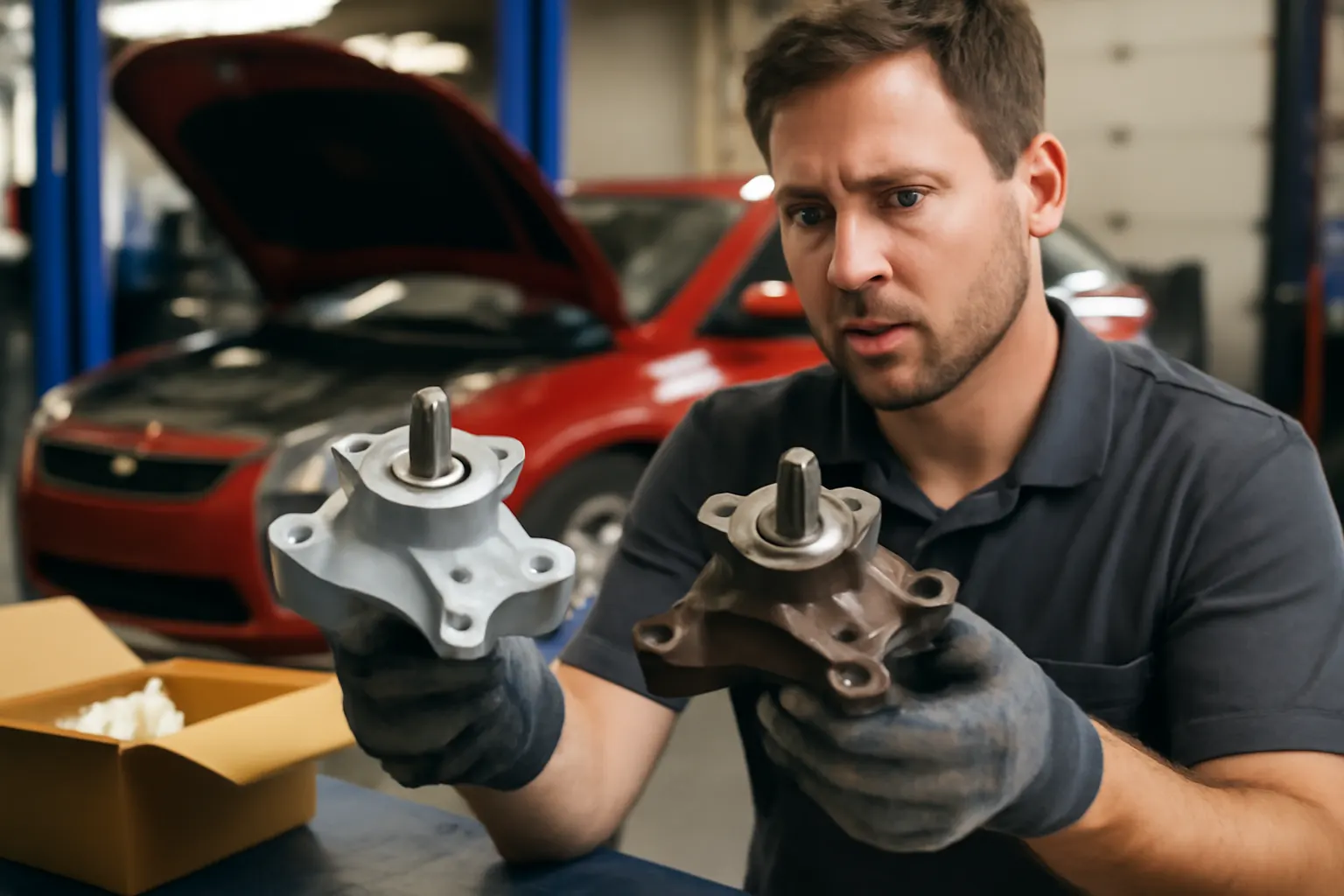
- Compare to Known OEM Part: Place the suspect part side-by-side with an original, noting differences in weight, finish, and markings.
- Check Part Numbers: Verify part numbers against IH service manuals and the IH Parts Catalog. Genuine parts should match catalog listings exactly.
- Material Testing: Use a magnet, calipers, or (for advanced users) XRF analyzers to confirm correct materials and dimensions.
- Functional Testing: When safe, bench-test electrical or hydraulic components before installation.
- Consult the Community: Post detailed photos and questions on reputable IH forums or consult restoration experts for input.
Document your findings and keep records—if you discover a counterfeit, report it to the vendor and relevant authorities.
The Impact of Counterfeit Parts on Performance and Safety
Counterfeit IH parts are not just a cosmetic issue—they can have far-reaching effects on performance, safety, and long-term reliability:
- Reduced Durability: Inferior materials and poor tolerances lead to premature failure, requiring more frequent repairs or risking collateral damage to other components.
- Safety Hazards: Critical systems like brakes, steering, or suspension are especially vulnerable. The NHTSA warns that counterfeit safety equipment can result in catastrophic accidents [1].
- Fuel Efficiency Loss: Substandard engine components can disrupt combustion efficiency, leading to increased fuel consumption and emissions [2].
- Restoration Setbacks: For collectors and restorers, using counterfeit parts can undermine years of work and reduce vehicle value at auction.
Investing in genuine or high-quality reproduction parts is essential to preserve your IH’s integrity and your own safety.
Material Technologies: Why Genuine Parts Matter
International Harvester engineered their vehicles using specific materials and manufacturing processes for durability and performance. The United States Department of Energy’s research into automotive materials highlights the importance of correct alloys, treatments, and structural integrity [3].
- Correct Alloys: Genuine IH engine and drivetrain parts are made from alloys designed to withstand specific stresses and thermal cycles.
- Heat Treatment: Proper hardening and tempering processes, often missing in counterfeits, are crucial for wear resistance.
- Corrosion Protection: OEM parts use factory coatings, paints, or plating to resist rust and chemical attack.
Counterfeit parts may skip or shortcut these processes, leading to hidden weaknesses that only become apparent after installation.
Buying Guidance: Questions to Ask Every Seller
Before purchasing any IH part—especially from unfamiliar sources—ask these critical questions:
- Is this part New Old Stock (NOS), reproduction, or used? Genuine NOS or licensed reproductions are preferable for most restorations.
- Do you guarantee authenticity? Reputable sellers will stand behind their parts and provide documentation.
- Can you provide detailed photos? Request images from multiple angles, including casting numbers and packaging.
- What is your return policy? A flexible, customer-friendly policy is a hallmark of established vendors.
- Are there references or reviews? Look for positive feedback from other IH enthusiasts.
Don’t hesitate to walk away if a seller is evasive or lacks clear answers.
The Role of Standards and Recalls
Automotive standards are in place to protect consumers from unsafe or substandard parts. SAE International publishes rigorous standards for materials, dimensions, and testing procedures [4]. Additionally, the NHTSA maintains a recall database for parts and equipment [5]. Before installing any suspect part, check for:
- SAE Compliance: Does the part meet SAE standards for fit, materials, and performance?
- Recall Status: Is the part or supplier listed in the NHTSA recall database?
- Community Warnings: Has the IH community flagged this part or vendor as problematic?
Staying informed about standards and recalls can help you avoid dangerous or illegal parts.
Maintenance and Fitment: Post-Installation Checks
Even after installing a part believed to be genuine, ongoing vigilance is required. Counterfeit parts sometimes evade detection until they fail in service.
Post-Installation Checklist
- Monitor for Early Wear: Inspect new parts at regular intervals for unusual signs of wear, leaks, or misalignment.
- Listen for Noises: Grinding, knocking, or rattling after installation may indicate improper fit or inferior materials.
- Retorque Fasteners: Counterfeit fasteners may stretch or loosen; recheck torque settings after initial break-in.
- Document Performance: Keep a log of installation dates, part sources, and any issues for future reference.
If a new part fails prematurely or causes collateral damage, remove it immediately and consult a trusted IH specialist.
Restoring and Preserving IH Authenticity
For restoration projects, authenticity is paramount—not only for value, but for historical accuracy and pride of ownership. Counterfeit parts can derail a restoration, causing additional labor, frustration, and expense.
- Use Catalogs and Guides: Reference the IH Parts Catalog and Restoring Classic IH Trucks & Tractors: Step-by-Step for part numbers, finishes, and installation tips.
- Photographic Documentation: Take photos before, during, and after restoration to verify originality.
- Consult Experts: Work with restoration shops or IH clubs that specialize in period-correct rebuilds.
A meticulous approach protects both your investment and the legacy of International Harvester vehicles.
AutoPartEx: Your Partner in IH Authenticity
At AutoPartEx, we understand the unique challenges of sourcing and verifying IH parts. Our team leverages decades of technical expertise, rigorous supplier vetting, and community input to offer only authentic, quality-assured IH components. When you shop with us, you gain access to:
- Curated Inventory: Every part is inspected and cataloged for authenticity.
- Technical Support: Our experts are available to help you verify fitment, materials, and application.
- Educational Resources: Explore our IH Engine Families: A Technical Breakdown and other guides to deepen your IH knowledge.
Protect your restoration, your safety, and your IH legacy—choose AutoPartEx for all your International Harvester parts needs.
Take Action: Protect Your IH Investment
Counterfeit IH parts are a persistent threat, but with knowledge, vigilance, and the right partners, you can keep your classic or working IH vehicle authentic and reliable. Start by sourcing from trusted suppliers, performing detailed inspections, and staying informed about industry standards and recalls.
- Bookmark the IH Parts Catalog for reference.
- Consult AutoPartEx experts for technical verification.
- Join IH enthusiast forums and clubs to share experiences and warnings.
By taking proactive steps, you ensure that your International Harvester remains a true original—on the road, in the field, or at the show.
References
- Vehicle Safety and Equipment – National Highway Traffic Safety Administration
- Fuel Efficiency – United States Department of Energy
- Materials Technologies – United States Department of Energy
- SAE Standards – SAE International
- Vehicle, Car Seat, Tire, and Equipment Recalls – National Highway Traffic Safety Administration