
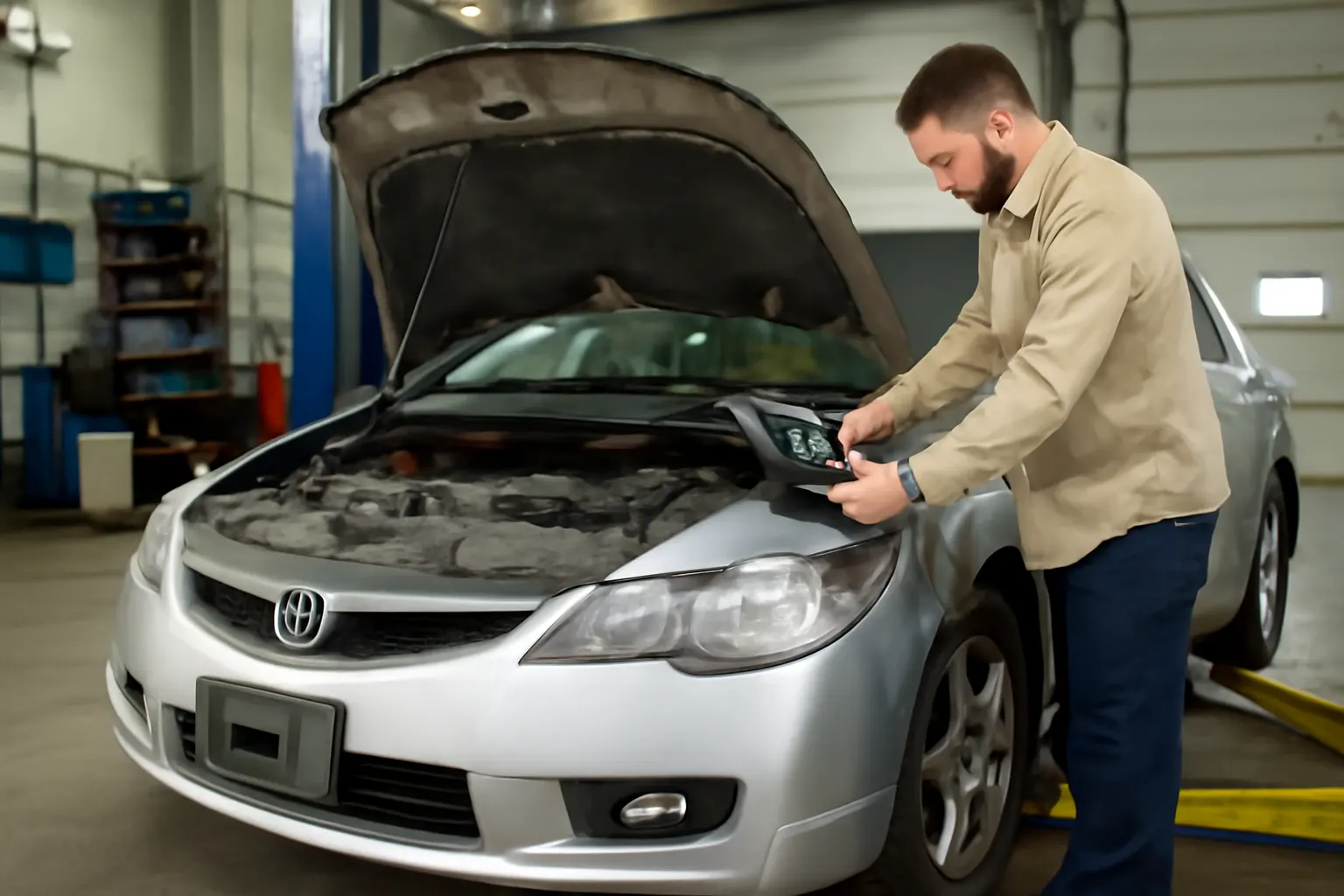
High Mileage Acura Csx Maintenance
Keeping your Acura CSX running strong well past 100,000 miles is not only possible—it’s practical with the right maintenance strategy. High-mileage Acura CSX vehicles can remain reliable daily drivers when key systems are inspected, serviced, and upgraded proactively. This guide delivers a comprehensive, actionable approach to high-mileage maintenance, helping you prioritize what matters most, avoid hidden pitfalls, and extend your CSX’s service life with confidence.
If you’re seeking parts, diagnostic guidance, or model-specific insights, visit the Acura CSX Parts & Maintenance Guide for a full breakdown of compatible components and expert-recommended service intervals.
Immediate Answer: What Does a High-Mileage Acura CSX Need Most?
For Acura CSX vehicles exceeding 100,000 miles, focus your maintenance on:
- Engine oil and filter changes (every 5,000–7,500 miles)
- Transmission fluid and filter replacement
- Timing chain or belt and water pump inspection
- Suspension and steering bushing checks
- Brake system overhaul (fluid, pads, rotors, hoses)
- Cooling system service (radiator, hoses, thermostat)
- Electrical system diagnosis (battery, alternator, grounds)
- Fuel system cleaning and filter replacement
- Rust and corrosion prevention for body and undercarriage
Sticking to these priorities preserves engine health, maintains safety, and prevents the most common high-mileage failures.
Hidden Problem: High Mileage Reveals Compound Wear and Deferred Maintenance
While the Acura CSX is engineered for longevity, high-mileage ownership exposes issues that routine service alone won’t catch. Parts that seemed fine at 80,000 miles—like suspension bushings or electrical grounds—may now show subtle symptoms or intermittent failures. Compounded wear accelerates if previous maintenance was skipped, and minor issues can spiral into major repairs if left unchecked.
Key hidden risks include:
- Internal engine sludge from infrequent oil changes
- Transmission wear due to old, degraded fluid
- Rubber component cracking (bushings, mounts, hoses)
- Deteriorated brake lines and caliper seals
- Corroded grounds causing electrical gremlins
- Fuel system varnish and injector clogging
- Cooling system mineral buildup restricting flow
These problems often go unnoticed until a breakdown occurs—especially if the vehicle’s service history is incomplete.
The Deeper Technical Challenge: How High Mileage Impacts CSX Systems
Engine and Drivetrain Longevity
The CSX’s K20-series engine is robust, but high mileage increases the risk of oil leaks, timing chain stretch, and VTEC system wear. Internal deposits can restrict oil flow, while aging sensors may cause erratic drivability. The automatic and manual transmissions in the CSX, while durable, depend heavily on fluid quality and regular filter changes for long-term operation.
Suspension and Steering Wear
Original bushings, ball joints, and tie rods degrade over time, leading to vague steering, uneven tire wear, and clunking noises. Struts and shocks lose damping ability, impacting both ride comfort and emergency handling—critical for safety and tire longevity.
Electrical System Vulnerabilities
Older CSX models are susceptible to poor grounds, corroded connectors, and weak alternators, resulting in intermittent warning lights, slow cranking, and accessory failures. Electrical diagnosis is often overlooked, yet it’s a major source of high-mileage headaches.
Braking and Safety Equipment
Brake fluid absorbs moisture, reducing effectiveness and corroding internal components. ABS sensors and wiring can become brittle or fail, and caliper piston seals may leak, compromising stopping power.
Body and Chassis Corrosion
Northern climates accelerate undercarriage and wheel well rust, which can threaten the integrity of brake and fuel lines, exhaust hangers, and even suspension mounting points. Preventative undercoating and regular inspections are essential as mileage climbs.
Solution Path: Comprehensive High-Mileage Maintenance Strategy
1. Engine and Drivetrain Preventative Service
- Oil and Filter: Use high-quality synthetic oil and OEM or premium filters; change every 5,000–7,500 miles.
- Valve Adjustment: Inspect for excessive valve lash, especially if ticking noises develop.
- Timing Chain/Belt: Inspect for stretch or wear; replace tensioners and guides as needed.
- Transmission Fluid: Drain and refill every 30,000–50,000 miles (use Acura/Honda ATF or MTF as specified).
- Clutch and Flywheel (Manual): Inspect for slippage, vibration, or engagement issues.
2. Suspension and Steering Overhaul
- Bushings and Ball Joints: Replace worn control arm bushings, sway bar links, and ball joints.
- Shocks/Struts: Upgrade to new OE or performance units for restored ride and handling.
- Alignment: Perform a four-wheel alignment after suspension work to prevent tire wear.
3. Brake System Refresh
- Pads and Rotors: Use ceramic or semi-metallic pads; replace rotors if below minimum thickness.
- Brake Fluid: Flush and replace every 2–3 years with DOT 3 or 4 fluid.
- Hoses and Calipers: Inspect for leaks, cracks, and sticking pistons.
4. Cooling System Renewal
- Radiator and Hoses: Check for leaks, swelling, or brittleness; replace as needed.
- Thermostat and Cap: Replace with OEM parts to ensure proper temperature regulation.
- Coolant: Flush and fill with Honda-approved coolant every 5 years/60,000 miles.
5. Electrical System Diagnosis
- Battery: Test for voltage and reserve capacity; replace if over 5 years old.
- Alternator and Starter: Check output and cranking amperage.
- Grounds and Connectors: Clean and re-torque all major grounds; inspect harnesses for corrosion.
6. Fuel System Restoration
- Fuel Filter: Replace every 60,000–90,000 miles.
- Injectors: Use professional cleaning or ultrasonic service if idle or performance is rough.
- Pump: Test pressure and replace if noisy or sluggish.
7. Body and Undercarriage Protection
- Rust Inspection: Clean and treat any visible rust on subframes, rocker panels, and suspension mounts.
- Undercoating: Apply a quality rust inhibitor annually in salt-prone regions.
Key Maintenance Checklist for High-Mileage Acura CSX
| System | Action | Interval/Trigger |
|---|---|---|
| Engine Oil/Filter | Change with synthetic | 5,000–7,500 miles |
| Transmission Fluid | Drain and refill | 30,000–50,000 miles |
| Timing Chain/Belt | Inspect/replace as needed | 100,000–120,000 miles |
| Suspension Bushings | Inspect/replace | 100,000 miles or as needed |
| Brake Fluid | Flush and replace | Every 2–3 years |
| Coolant | Flush and fill | Every 5 years/60,000 miles |
| Battery | Test/replace | Every 5 years or as needed |
| Fuel Filter | Replace | 60,000–90,000 miles |
| Rust Inspection | Visual check/treat | Every 12 months |
| Electrical Grounds | Clean and torque | Every major service |
Diagnosing Common High-Mileage Acura CSX Issues
Engine Performance
- Sluggish Acceleration: Often due to dirty fuel injectors, old spark plugs, or restricted air filters.
- Oil Leaks: Check valve cover gasket, oil pan, and VTEC solenoid seals.
- Check Engine Light: Use a scan tool to retrieve codes; common issues include O2 sensors, EGR valve, and misfire codes.
Transmission Problems
- Harsh Shifting: Likely caused by old fluid, worn mounts, or solenoid issues.
- Slipping: Indicates possible clutch wear (manual) or internal wear (automatic).
Suspension Noises
- Clunks/Bangs: Typically worn bushings, ball joints, or sway bar links.
- Excessive Body Roll: Weak shocks/struts or broken springs.
Electrical Gremlins
- Dim Lights/Slow Crank: Test battery, alternator, and inspect for corroded grounds.
- Intermittent Accessories: Check fuses, relays, and harness connectors for looseness or corrosion.
Brake Concerns
- Soft Pedal: Air in lines or old, moisture-laden fluid.
- Pulling: Sticking caliper or uneven pad wear.
Sourcing Quality Replacement Parts for High-Mileage CSX
Not all aftermarket parts are created equal. For high-mileage vehicles, prioritize:
- OEM or OE-equivalent components for critical systems (timing, brakes, suspension)
- Reputable brands with proven longevity
- Parts meeting or exceeding NHTSA and SAE standards for safety and fitment [1] [4]
When shopping, cross-reference part numbers and ensure compatibility with your CSX trim and model year. For a curated selection of compatible components, see the Acura CSX Parts & Maintenance Guide.
Upgrading Versus Maintaining: When to Consider Performance Parts
High-mileage maintenance is an opportunity to address chronic weaknesses. Many CSX owners opt to upgrade:
- Suspension: Polyurethane bushings, performance shocks, and sway bars for handling.
- Brakes: Larger rotors, stainless lines, and high-friction pads for improved stopping.
- Lighting: LED upgrades for better visibility and reliability.
- Cooling: Aluminum radiators and silicone hoses for enhanced durability.
For a deeper dive into ride and handling improvements, visit Acura Csx Suspension Upgrade.
Fuel Efficiency Considerations for Older Acura CSX Models
High-mileage engines and drivetrains can lose efficiency due to internal wear, injector deposits, and oxygen sensor drift. To restore or improve fuel economy:
- Follow strict maintenance intervals for filters, fluids, and spark plugs.
- Use fuel system cleaners and consider professional injector cleaning.
- Maintain proper tire inflation and alignment to reduce rolling resistance.
- Address check engine lights promptly, especially those related to emissions or fuel management [2].
Proactive maintenance not only saves fuel but also reduces emissions and extends component life.
Materials and Corrosion: Protecting the CSX Body and Chassis
The CSX employs a mix of high-strength steel and lightweight materials, but road salt and moisture accelerate corrosion—especially after a decade or more. Key steps:
- Annual undercarriage washes to remove salt and grime.
- Inspect wheel wells, rocker panels, and subframes for bubbles or flaking paint.
- Apply rust inhibitors or undercoating to exposed metal.
- Promptly touch up paint chips to prevent rust from spreading [3].
These measures preserve structural integrity and resale value.
Electrical System: Preventing and Resolving Age-Related Failures
Older Acura CSX models often exhibit:
- Weak alternator output (dim lights, slow power window operation)
- Corroded battery terminals and grounds
- Aging relays and fuses
To mitigate:
- Clean and protect battery terminals with dielectric grease.
- Inspect and replace worn relays/fuses as a preventative measure.
- Test alternator output with a multimeter (should provide 13.8–14.4V at idle).
For advanced troubleshooting, see Acura Csx Electrical Diagnosis.
Safety Equipment: Ensuring Compliance and Performance
High-mileage vehicles may suffer from:
- Worn seatbelt retractors
- Aged airbag sensors
- Degraded lighting or reflectors
Regularly inspect all safety equipment and replace as necessary, ensuring all components meet NHTSA standards for continued occupant protection [1].
Smart Buying: What to Look for When Purchasing a High-Mileage CSX
If you’re considering buying a CSX with over 100,000 miles:
- Request a full service history and confirm major maintenance (timing, fluids, brakes) has been performed.
- Inspect for rust underneath and in door jambs.
- Test drive for suspension clunks, transmission slip, and electrical oddities.
- Scan for diagnostic codes and check for warning lights.
- Check for recalls or outstanding safety campaigns on the VIN [4].
A well-maintained high-mileage CSX can be a bargain, but deferred maintenance can quickly erase any savings.
When to Seek Professional Help
While many high-mileage maintenance tasks can be performed by an experienced DIYer, seek a professional mechanic for:
- Timing chain/belt replacement
- Major suspension or steering repairs
- Complex electrical diagnostics
- ABS, airbag, or advanced safety system repairs
Professional shops have the diagnostic tools and lift access needed for safe, thorough work—especially important as vehicles age.
Why Trust AutoPartEx for Your High-Mileage Acura CSX Needs?
AutoPartEx specializes in model-specific parts, maintenance guides, and technical resources tailored to the Acura CSX. Our team combines OEM data, industry standards, and real-world experience to help you make informed decisions—whether you’re maintaining, upgrading, or troubleshooting your vehicle.
Explore more at our Acura CSX Parts & Maintenance Guide or compare critical components with the Acura Csx Vs Civic Parts Differences editorial for deeper insights.
References
- Vehicle Safety and Equipment – National Highway Traffic Safety Administration
- Fuel Efficiency – United States Department of Energy
- Materials Technologies – United States Department of Energy
- Vehicle, Car Seat, Tire, and Equipment Recalls – National Highway Traffic Safety Administration
- SAE Standards – SAE International