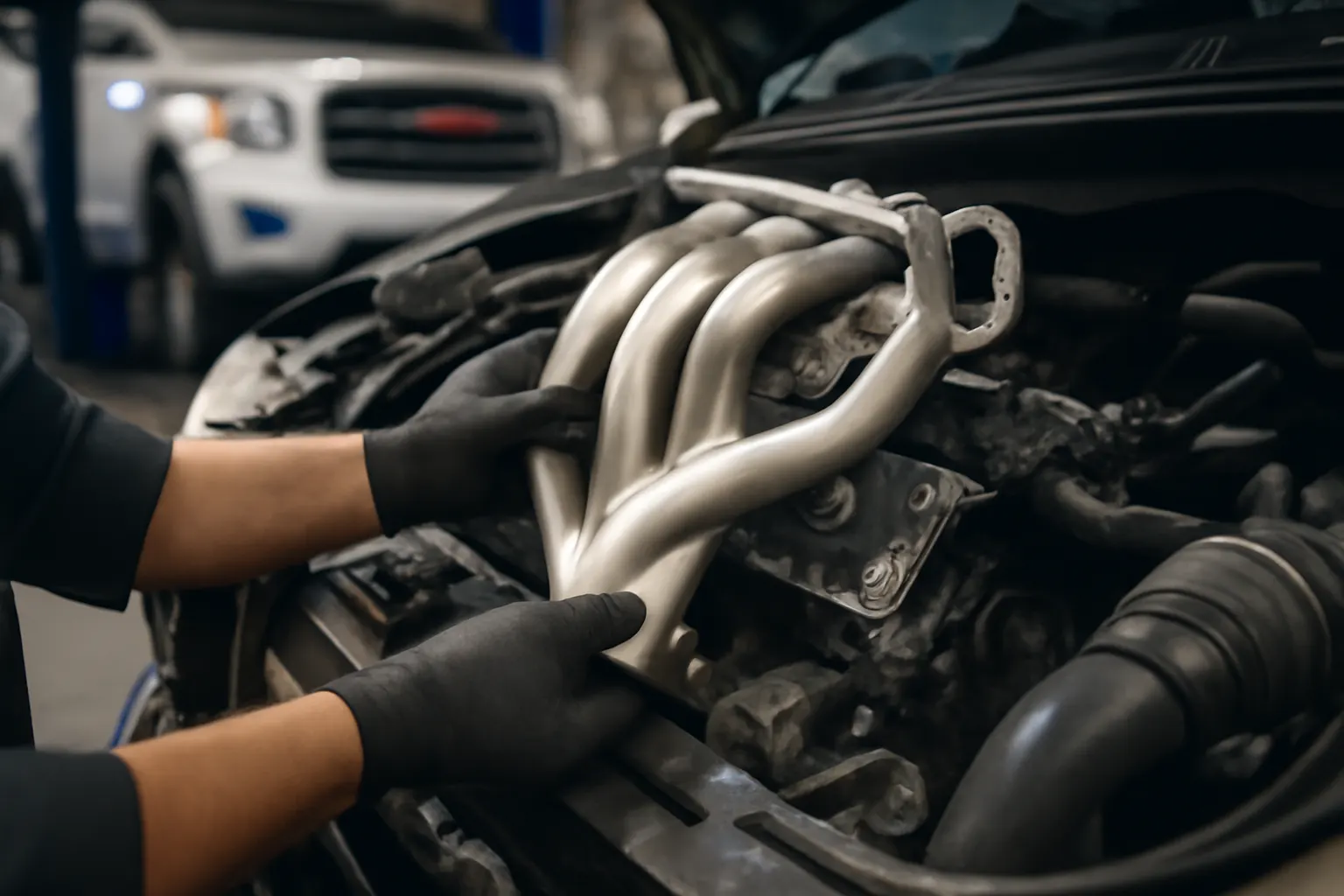
Avoiding Counterfeit Parts in GMC Trucks
Counterfeit parts are a growing threat to GMC truck owners and technicians, undermining safety, performance, and long-term value. Whether you drive a Sierra, Canyon, or any other GMC truck, the risk of unknowingly installing fake components is real—and the consequences can be severe. This guide delivers immediate, actionable advice for identifying and avoiding counterfeit GMC parts, with practical checklists, real-world examples, and technical insights. If you want to safeguard your investment, ensure OEM-level safety, and keep your truck running as engineered, start here. For a broader reference on GMC OEM quality and engineering, see our GMC Auto Parts: OEM Quality, Fitment, and Engineering Reference | AutoPartEx.
The Immediate Answer: How to Spot and Avoid Counterfeit GMC Parts
Counterfeit parts can look deceptively similar to genuine GMC components. However, there are clear warning signs and diagnostic steps you can take to avoid them:
- Buy only from authorized GMC dealers or trusted parts suppliers.
- Inspect packaging for inconsistencies, poor print quality, or missing security features.
- Check part numbers and serials against GMC’s official databases.
- Demand documentation—authentic OEM parts come with traceable paperwork.
- Beware of deals that seem too good to be true.
By following these steps, you drastically reduce your risk of installing substandard or dangerous counterfeit parts in your GMC truck.
The Hidden Problem: Why Counterfeit GMC Parts Are So Dangerous
While the immediate cost savings of a counterfeit part can be tempting, the hidden dangers far outweigh any short-term benefit. Fake parts may fit your truck, but they rarely meet the rigorous standards set by GMC, the National Highway Traffic Safety Administration (NHTSA), or SAE International. The consequences include:
- Compromised safety systems (brakes, airbags, suspension)
- Reduced fuel efficiency and performance
- Premature part failure and costly repairs
- Potential for voided manufacturer warranties
- Legal and insurance complications after accidents
Counterfeiters are increasingly sophisticated, making detection more difficult and the risks even greater for owners and technicians alike.
The Scope of the Problem: Counterfeit Parts in the GMC Truck Market
The global automotive counterfeit parts market is estimated in the billions of dollars, with pickup trucks and SUVs representing a significant share due to their popularity and parts demand. GMC trucks—especially the Sierra and Canyon—are frequent targets for counterfeiters. Commonly faked components include:
- Brake pads and rotors
- Oil and air filters
- Lighting assemblies
- Sensors (O2, MAF, wheel speed)
- Suspension parts
- Engine management modules
Counterfeiters exploit gaps in the supply chain, online marketplaces, and even some brick-and-mortar shops. The result: thousands of GMC owners unknowingly install substandard parts every year, facing safety and reliability issues that are avoidable with the right precautions.
Real-World Examples: When Counterfeit Parts Go Wrong
Consider these actual scenarios faced by GMC truck owners and service professionals:
1. Brake Failure Due to Fake Pads
A Sierra 1500 owner replaced his brake pads with what appeared to be OEM parts sourced from an online marketplace. Within weeks, stopping distances increased, and the pads exhibited abnormal wear. Inspection revealed counterfeit pads with inferior friction material, leading to a near-miss collision and costly rotor damage.
2. Engine Damage from Counterfeit Oil Filters
A Canyon owner experienced low oil pressure and engine knocking after an oil change using a discount filter. The filter, though branded as OEM, lacked the internal bypass valve. This caused oil starvation, resulting in severe engine wear and an expensive rebuild.
3. Electrical Issues from Imitation Sensors
A fleet operator upgraded several GMC trucks with replacement oxygen sensors. The sensors, purchased in bulk at a significant discount, triggered check engine lights and poor fuel economy. Diagnostics showed the sensors were counterfeit, using incorrect calibration and subpar materials.
These cases highlight the high cost—financial and personal—of letting counterfeit parts slip past your defenses.
Technical Deep Dive: How Counterfeit Parts Compromise Safety and Performance
Authentic GMC parts are engineered to meet stringent safety, durability, and performance standards set by GMC, NHTSA, and SAE International. Here’s how counterfeit parts fall short:
Safety Systems
- Brakes: Genuine pads and rotors undergo rigorous testing for fade resistance, friction, and thermal stability. Counterfeits often use cheap materials, unable to withstand heat or provide consistent stopping power.
- Airbags and Sensors: OEM sensors are calibrated for precise deployment. Counterfeit sensors may delay or prevent airbag activation, putting occupants at risk.
Fuel Efficiency
- Air and Oil Filters: Genuine filters maintain correct flow and filtration, protecting engine internals and optimizing fuel burn. Counterfeits may allow contaminants through or restrict flow, harming efficiency and engine life (DOE Fuel Efficiency).
- Sensors: Poor-quality imitation sensors send incorrect data to the ECU, leading to rich/lean conditions and reduced MPG.
Structural Integrity
- Suspension and Steering: OEM components are designed for specific load ratings and fatigue cycles. Counterfeits may fail prematurely, causing loss of control or uneven tire wear.
Electronics and Diagnostics
- ECUs and modules: Genuine electronics meet electromagnetic compatibility standards and are tested for durability. Counterfeits may introduce electrical noise, fail to communicate with diagnostic tools, or cause intermittent faults.
The Authenticity Checklist: How to Verify GMC Parts Before Installation
Use this checklist every time you source, receive, or install a part for your GMC truck:
| Step | What to Look For |
|---|---|
| Supplier Verification | Authorized GMC dealer or trusted supplier? Check credentials. |
| Packaging Inspection | High-quality printing, holograms, barcodes, security seals present? |
| Part Number Confirmation | Matches official GMC/GM part number? Cross-reference with catalog. |
| Physical Quality Assessment | Weight, machining, finish, and materials match OEM standards? |
| Documentation | Includes warranty card, installation instructions, traceable receipt? |
| Price Comparison | Price in line with OEM parts? Beware of "too good to be true" deals. |
| Label and Markings | Proper logos, no spelling errors, correct country of origin? |
| Serial Number/QR Code | Scannable and traceable through GMC or GM systems? |
| Test Fitment (if possible) | Part fits as expected, with no forcing or modification required? |
If any step raises red flags, stop the installation and verify with your supplier or a GMC dealer.
Diagnostic Guidance: Spotting Counterfeit Parts Already Installed
If you suspect a counterfeit part is already installed in your GMC truck, act promptly:
Visual Inspection
- Compare suspect parts to known OEM components. Look for differences in weight, finish, or markings.
- Check for premature wear or unusual failures. Counterfeit brake pads, for example, often show excessive dust or cracking.
- Inspect packaging and documentation retained from installation. Missing or low-quality paperwork is a red flag.
Performance Symptoms
- Unusual noises, warning lights, or drivability issues.
- Reduced fuel economy or increased emissions.
- System malfunctions (e.g., ABS, traction control, engine management).
Diagnostic Tools
- Scan for error codes using a professional-grade OBD-II scanner.
- Compare sensor readings to baseline values from the GMC service manual.
- Check ECU/module firmware versions for authenticity.
If you confirm a counterfeit part, remove it immediately and replace it with a verified OEM component.
Sourcing Guidance: Where and How to Buy Genuine GMC Parts
To minimize risk, always source parts from:
- Authorized GMC dealerships—the gold standard for authenticity.
- Reputable online retailers that are officially licensed to sell GM parts.
- Trusted local parts stores with a history of serving professional shops.
- Certified professional installers who source directly from GMC or authorized distributors.
Avoid:
- Unverified sellers on auction sites or online marketplaces.
- Parts with incomplete or altered packaging.
- Vendors unwilling to provide documentation or traceability.
For a deeper dive into GMC platform-specific sourcing and compatibility, see our GMC Platform Changes and Parts Sourcing guide.
Fitment and Compatibility: Why Genuine Parts Matter for GMC Trucks
GMC trucks are engineered with tight tolerances and platform-specific requirements. The wrong part—even if it appears to fit—can introduce:
- Alignment issues (e.g., suspension, steering)
- Sensor and module incompatibility
- Unintended wear on related systems
- Diagnostic confusion and repair delays
OEM parts are designed and tested for precise fitment to your truck’s VIN, trim, and equipment group. Counterfeit or generic parts often skip these fitment checks, leading to costly rework and safety hazards.
For detailed fitment procedures and compatibility tables, consult the GMC Fitment & Compatibility Guide.
Maintenance Planning: Protecting Your GMC Truck Over Time
Routine maintenance is your first line of defense against counterfeit parts. Follow these best practices:
- Use a maintenance log to record all parts and suppliers for traceability.
- Schedule regular inspections with certified GMC technicians.
- Replace wear items (filters, pads, sensors) only with verified OEM components.
- Review NHTSA recall lists for your GMC model to catch counterfeit-related recalls (NHTSA Equipment).
The GMC Service Intervals & Maintenance Planner can help you stay on top of scheduled replacements with trusted parts.
Technical Standards: The Role of SAE and NHTSA in Parts Authenticity
Genuine GMC parts are designed to meet or exceed standards set by:
- SAE International: Engineering and testing standards for materials, safety, and performance (SAE Standards).
- NHTSA: Federal safety equipment requirements for vehicles sold in the United States (NHTSA Equipment).
- GMC/GM Internal Specifications: Proprietary requirements for fitment, durability, and system integration.
Counterfeit parts almost never meet these standards. When in doubt, request documentation of SAE or NHTSA compliance from your supplier.
The Cost of Counterfeits: Financial, Safety, and Legal Risks
The short-term savings of a counterfeit part can quickly evaporate due to:
- Increased repair costs from premature failures or collateral damage.
- Higher insurance premiums or denied claims after accidents.
- Potential liability if a counterfeit part contributes to an accident or injury.
- Reduced resale value—savvy buyers and dealers check service records and part authenticity.
Protecting your investment in a GMC truck means insisting on genuine, traceable parts every time.
The Solution Path: Building a Counterfeit-Proof Parts Strategy
To consistently avoid counterfeit parts, implement a layered strategy:
- Educate yourself and your shop staff about the risks and warning signs.
- Build relationships with trusted suppliers and authorized GMC dealers.
- Standardize part sourcing and documentation—require receipts, part numbers, and traceability for every component.
- Establish a parts inspection protocol using the checklist above.
- Stay current with NHTSA recalls and GMC technical bulletins.
- Report suspected counterfeit parts to GMC, NHTSA, or the part supplier.
For professional fleets or high-mileage owners, consider periodic audits of installed parts as part of your maintenance routine.
AutoPartEx: Your Partner in Genuine GMC Parts and Technical Guidance
AutoPartEx is committed to helping GMC truck owners and technicians source, install, and maintain only genuine, OEM-quality parts. Our extensive technical library, fitment guides, and supplier vetting resources empower you to make informed decisions, avoid costly mistakes, and keep your GMC running as engineered.
Explore our GMC Auto Parts: OEM Quality, Fitment, and Engineering Reference | AutoPartEx for comprehensive information on platform changes, compatibility, and sourcing best practices.
When you choose AutoPartEx, you’re choosing safety, precision, and long-term value for your GMC truck.