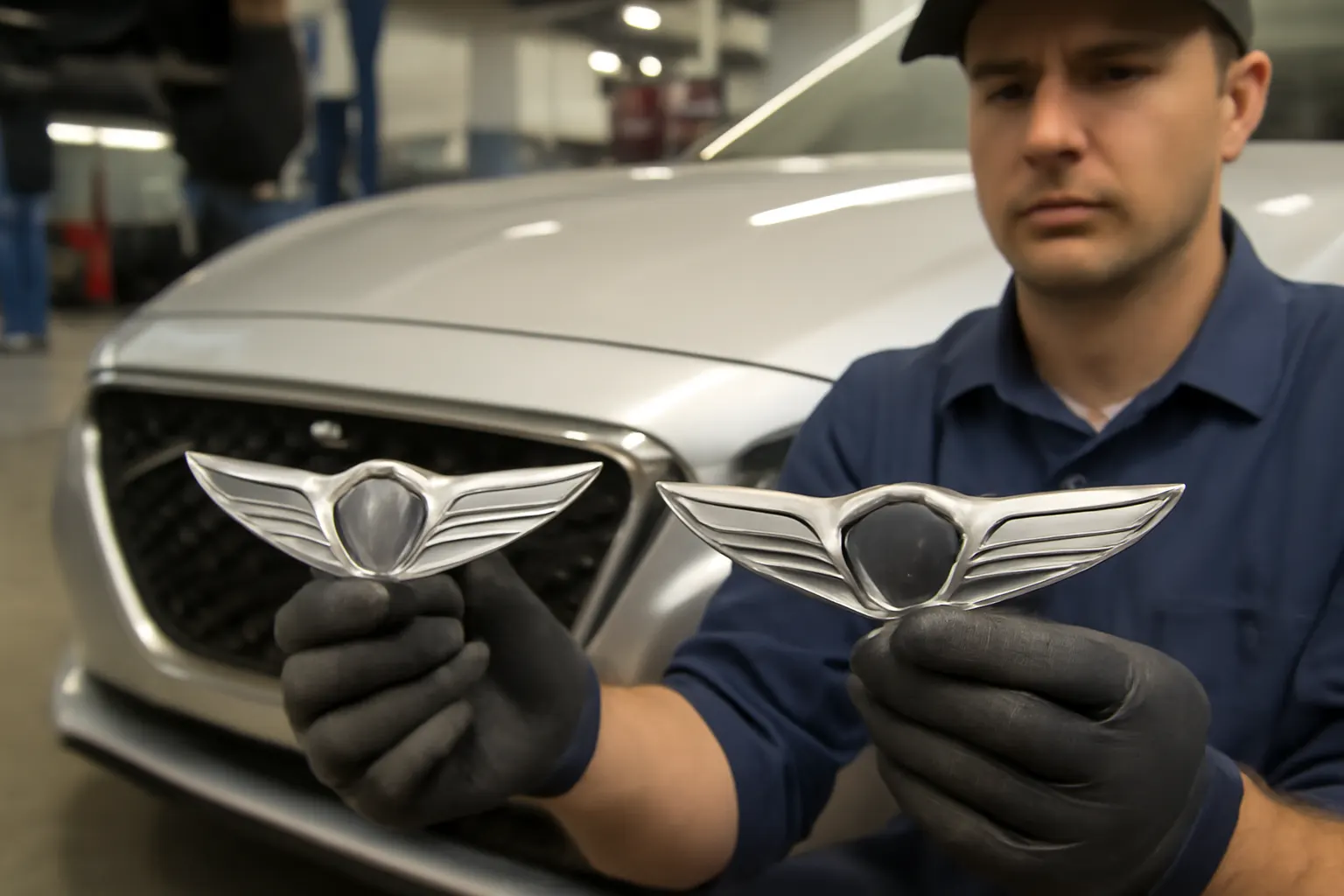
Genesis Chassis Technology: A Deep Dive
Genesis vehicles have rapidly earned global acclaim for their refined ride, precise handling, and uncompromising safety—all underpinned by advanced chassis engineering. If you’re an owner, technician, or enthusiast seeking a technical understanding of what sets Genesis chassis technology apart, this deep dive unpacks the lightweight materials, structural strategies, and fitment factors that define the Genesis driving experience. For those considering upgrades, repairs, or sourcing authentic parts, understanding the chassis foundation is essential. This guide delivers immediate answers, highlights hidden risks, and provides actionable solutions for anyone invested in Genesis performance and longevity.
For further model-specific fitment data and OEM sourcing, see the Genesis OEM Parts: Technical Reference, Fitment Risks, and Sourcing Guidance | AutoPartEx hub.
The Immediate Answer: Why Genesis Chassis Engineering Stands Out
Genesis chassis technology is the product of meticulous material selection, advanced joining techniques, and a relentless focus on weight optimization. The result? Vehicles that deliver a rare blend of comfort, agility, and safety. Genesis leverages high-strength steels, aluminum, and composite materials to produce platforms that are both lightweight and exceptionally rigid. This structural philosophy translates directly to the acclaimed ride quality and handling precision that define the brand.
But while Genesis’s approach sets a new benchmark, it introduces new challenges for diagnostics, repairs, and sourcing replacement parts. The advanced chassis isn’t just a selling point—it’s a system that demands specialized knowledge and careful parts selection.
The Hidden Problem: Modern Chassis, Modern Risks
The very innovations that give Genesis vehicles their edge also introduce complexity. Lightweight alloys and multi-material construction require exact repair methods and genuine-fit components. Even a minor deviation from OEM specs—such as using an incorrect fastener or an aftermarket suspension bushing—can compromise structural integrity, ride comfort, or even safety system performance.
Additionally, the rise of counterfeit or substandard replacement parts in the aftermarket poses a real threat. Chassis components that don’t meet Genesis’s strict tolerances can lead to NVH (noise, vibration, harshness) issues, premature wear, or, in worst cases, a reduction in crash safety.
Going Deeper: The Technical Foundations of Genesis Chassis Design
Multi-Material Architecture
Genesis engineers use a mix of advanced high-strength steel (AHSS), aluminum, and composites throughout the chassis and body-in-white. This approach, documented by the U.S. Department of Energy, allows for weight reduction without sacrificing rigidity or occupant protection. For example, key load paths—such as the front and rear subframes—often feature aluminum to lower unsprung mass, while critical safety zones employ AHSS for maximum energy absorption and passenger safety Materials Technologies.
Precision Joining and Bonding
Modern Genesis chassis utilize a combination of laser welding, structural adhesives, and mechanical fasteners. These methods deliver seamless load transfer and minimize flex at joints, which is crucial for both chassis tuning and long-term durability. However, this complexity means that collision repairs or component replacements must strictly follow factory procedures, as improper welding or bonding can undermine the entire structure.
Impact on Ride, Handling, and Safety
The benefits of this structural philosophy are evident on the road. Reduced weight and increased rigidity allow Genesis engineers to fine-tune suspension geometry for both comfort and sharp handling. The stiff chassis also provides a stable foundation for advanced driver assistance systems (ADAS) and modern crash safety features, as confirmed by National Highway Traffic Safety Administration (NHTSA) equipment guidelines Vehicle Safety and Equipment.
The Weight Advantage: How Lightweight Materials Drive Performance
Reducing vehicle weight is not just about speed—it’s about efficiency, agility, and emissions. Genesis’s use of lightweight materials directly impacts:
- Fuel Economy: According to the U.S. Department of Energy, every 10% reduction in vehicle weight can improve fuel efficiency by 6–8% Fuel Efficiency.
- Handling: Lower mass, especially at the chassis and unsprung components, enables more responsive steering and improved ride comfort.
- Braking: Less weight translates to shorter stopping distances and reduced brake wear.
But the weight advantage comes with its own maintenance and repair considerations. For instance, aluminum components are more susceptible to galvanic corrosion if mixed with incompatible metals during repairs.
Chassis Subsystems: Detailed Breakdown
1. Front and Rear Subframes
Genesis subframes are often modular assemblies combining stamped steel and cast aluminum. They serve as mounting points for suspension, steering, and drivetrain components. Precision in subframe alignment is critical; even slight misalignment can cause steering pull, uneven tire wear, and unpredictable handling.
2. Suspension Mounts and Bushings
OEM Genesis suspension bushings are engineered for optimal compliance and durability. Aftermarket or incorrectly spec’d bushings can alter ride height, introduce unwanted vibration, or cause premature component failure.
3. Crossmembers and Reinforcements
Strategically placed crossmembers and underbody reinforcements enhance crash protection and chassis stiffness. These are often tuned for each model to balance weight and rigidity.
4. Fasteners and Structural Hardware
Genesis chassis employs torque-to-yield fasteners and specialized hardware in critical locations. Reusing or substituting these fasteners during repairs can compromise joint integrity.
Diagnostics: Identifying Chassis-Related Issues in Genesis Vehicles
Chassis issues can manifest as subtle NVH symptoms or as severe handling problems. Proper diagnosis requires a systematic approach:
Common Symptoms of Chassis Problems
- Clunking, knocking, or creaking noises over bumps
- Uneven or accelerated tire wear
- Steering wander or pull
- Excessive body roll or instability during cornering
- Visible corrosion or cracks in subframes or crossmembers
Diagnostic Checklist
Use this checklist to assess Genesis chassis concerns:
| Symptom | Possible Cause | Inspection Focus |
|---|---|---|
| Clunking noises | Worn bushings, loose fasteners | Suspension mounts, crossmembers |
| Steering pull | Subframe misalignment, bent arms | Subframe, control arms |
| Uneven tire wear | Suspension geometry, worn joints | Ball joints, bushings, alignment |
| Vibrations at speed | Imbalanced wheels, bent subframe | Wheels, subframe, fasteners |
| Visible rust/cracks | Corrosion, fatigue | Subframe, underbody |
If any of these issues are detected, it is critical to use OEM-specified replacement parts and follow Genesis repair procedures.
Fitment Risks: Why Exact Parts Matter
Genesis chassis systems are engineered to tight tolerances. Even small deviations in parts fitment can cascade into major problems:
- Aftermarket vs. OEM: Non-OEM parts may not match the precise dimensions or material properties required for Genesis chassis systems.
- Counterfeit Parts: The market for counterfeit Genesis parts is growing. These parts often lack the correct metallurgy, heat treatment, or surface coatings, leading to rapid failure.
- Fastener Reuse: Many Genesis chassis bolts are torque-to-yield and must not be reused. Using old or incorrect bolts can lead to joint failure.
For more guidance on identifying authentic components, see How to Spot Counterfeit Genesis Parts.
Sourcing Genuine Genesis Chassis Components
To maintain chassis performance and safety, sourcing genuine parts is non-negotiable. Here’s how to ensure authenticity:
Where to Buy
- Authorized Genesis Dealers: These sources guarantee OEM fitment and warranty compliance.
- Reputable Online Catalogs: Use only verified platforms that reference Genesis OEM part numbers and include manufacturer documentation. See Complete Genesis OEM Parts Catalog Guide for a vetted sourcing path.
What to Look For
- OEM Packaging: Genuine parts arrive in Genesis-branded packaging with part numbers and barcodes.
- Documentation: Look for installation instructions or specification sheets matching Genesis service literature.
- Certifications: Some critical chassis parts may include SAE or NHTSA compliance markings.
Installation Guidance: Best Practices for Genesis Chassis Repairs
Proper installation is as important as using the right part. Genesis chassis repairs should always follow these best practices:
Preparation
- Reference Service Manuals: Always consult Genesis-specific repair documentation and torque specifications.
- Inspect Adjacent Components: Damaged bushings or fasteners can compromise new parts if not replaced together.
During Installation
- Use Correct Tools: Many chassis fasteners require specific torque-angle tools or sequence tightening.
- Replace Torque-to-Yield Fasteners: Never reuse these bolts; always install new ones per Genesis guidelines.
- Check for Corrosion: Clean all mating surfaces and apply anti-corrosion treatments where specified.
Post-Installation
- Verify Alignment: After any subframe or suspension work, a precision four-wheel alignment is mandatory.
- Test Drive: Listen for new noises and confirm ride quality matches factory standards.
Maintenance: Keeping Your Genesis Chassis in Top Condition
Consistent maintenance is the key to preserving Genesis ride and handling. Follow these core guidelines:
Chassis Maintenance Schedule
| Interval (Miles) | Task |
|---|---|
| 7,500–10,000 | Inspect suspension, bushings, fasteners |
| 15,000–20,000 | Check subframe torque, look for corrosion |
| 30,000 | Full chassis alignment, replace worn parts |
| 60,000+ | Inspect for fatigue, replace bushings |
For a comprehensive service outline, see Genesis Service Intervals & Maintenance Checklist.
Seasonal Tips
- Winter: Rinse underbody after exposure to road salt to prevent corrosion.
- Summer: Inspect for heat-related bushing degradation.
Advanced Topics: Chassis Tuning and Upgrades
Genesis owners interested in performance upgrades must proceed with caution. The chassis is designed as an integrated system, and altering one component can affect others.
Popular Upgrades
- Aftermarket Dampers/Springs: Can improve handling but may stress OEM bushings or alter ride height.
- Lightweight Wheels: Reduce unsprung mass, but wheel offset and load ratings must match OEM specs.
- Performance Bushings: Polyurethane bushings can enhance response but may increase NVH.
Risks
- Warranty Impact: Non-OEM chassis mods may void manufacturer coverage.
- Safety Systems: Changes can affect ADAS calibration or crash performance.
Expert consultation and precise fitment are essential when considering any chassis upgrade.
Safety Considerations: The Role of Chassis in Crash Protection
The Genesis chassis is not just about performance—it is a critical safety system. Chassis rigidity and deformation zones are engineered to control crash energy and protect occupants. Even minor deviations from OEM structure, such as incorrect welds or replaced crossmembers with non-OEM parts, can compromise crashworthiness.
NHTSA guidelines stress the importance of certified replacement parts and repairs for all safety-critical systems Vehicle Safety and Equipment. Always prioritize safety over cost when sourcing and installing chassis components.
Common Pitfalls: What Goes Wrong in Genesis Chassis Repairs
Even experienced shops can make errors that undermine Genesis chassis integrity. Watch for these red flags:
- Improper Welding or Bonding: Can introduce weak points or misalignments.
- Mixing Metals: Using steel fasteners in aluminum subframes can trigger galvanic corrosion.
- Skipping Alignment: Any chassis or suspension service not followed by a full alignment risks handling and tire wear issues.
- Ignoring TSBs: Technical Service Bulletins (TSBs) may update repair procedures or part numbers—always check for the latest guidance.
AutoPartEx Guidance: Technical Support and Sourcing Confidence
Navigating Genesis chassis technology calls for more than generic parts knowledge. At AutoPartEx, we combine verified fitment data, technical reference, and sourcing guidance to ensure your Genesis rides and handles as intended. Our editorial and catalog resources help you avoid counterfeit risks, select correct components, and apply best-in-class installation practices. For model-specific chassis diagrams and part numbers, visit the Genesis OEM Parts: Technical Reference, Fitment Risks, and Sourcing Guidance | AutoPartEx resource.
Expert Action Steps: Protecting Your Genesis Chassis Investment
- Always use OEM or certified-equivalent chassis parts.
- Follow Genesis repair and torque procedures precisely.
- Consult the latest TSBs and service bulletins before repairs.
- Source parts from trusted dealers or catalog partners—never risk unknown suppliers.
- Schedule regular chassis inspections, especially after impacts or harsh driving conditions.
- For upgrades, consult a Genesis chassis specialist to ensure system compatibility.
By prioritizing technical accuracy and authentic components, you’ll preserve the ride, handling, and safety that make Genesis vehicles world-class.