
Advertisement
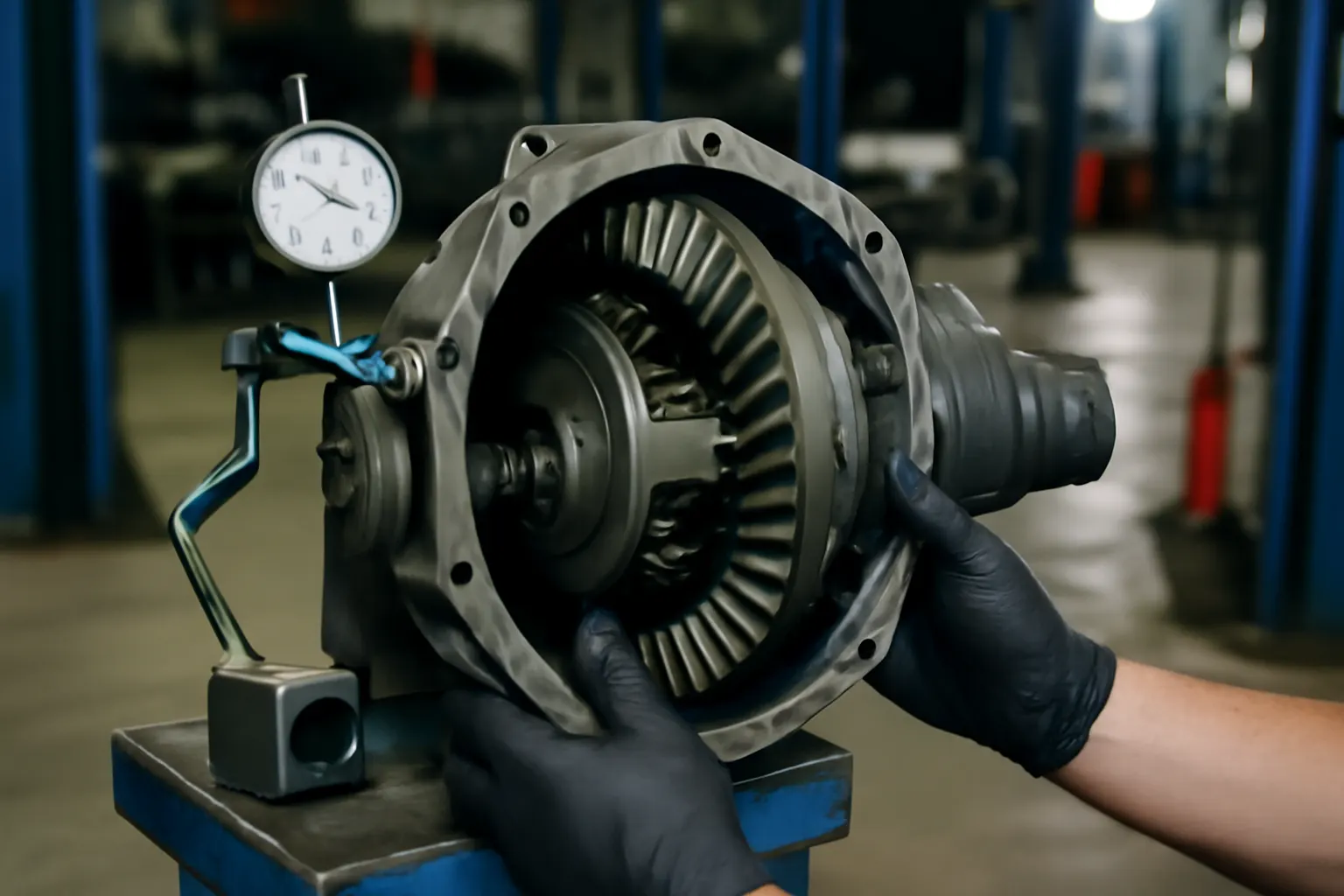
Setting up an AMC differential correctly is the difference between a smooth, quiet ride and a noisy, failure-prone drivetrain. Whether you’re a professional technician or an experienced DIY enthusiast, this guide delivers field-tested AMC differential setup strategies, in-depth shop diagnostics, and actionable troubleshooting for noise, wear, and fitment issues. For those seeking technical resources beyond the basics, our AMC Carrier Case: OEM Differential Carriers, Fitment, and Technical Guidance page offers authoritative, model-specific reference material.
Fast Answer: AMC Differential Setup in the Shop
The most effective approach to AMC differential setup involves precise measurement of backlash, carrier bearing preload, and pinion depth, followed by stepwise adjustment and real-world validation. Correct setup minimizes gear noise, maximizes component lifespan, and ensures optimal vehicle performance. In practice, this means using dial indicators, torque wrenches, and marking compound—not just visual checks—to meet OEM tolerances. Noise or roughness after assembly signals missed tolerances or hidden damage, requiring a methodical re-inspection.
The Hidden Problem: Why AMC Differential Setups Fail
Many AMC differentials fail prematurely due to small errors in the setup process—often invisible during initial assembly. Common issues include incorrect pinion depth, improper carrier bearing preload, and misaligned gear patterns. These errors can produce gear whine, vibration, and even catastrophic gear or bearing failure after only a few thousand miles. The root of the problem is often a lack of attention to diagnostic details or reliance on generic procedures instead of AMC-specific fitment and torque values.
Technical Deep Dive: AMC Differential Fundamentals
AMC differentials, including the Model 20 and Model 35, are built to precise engineering standards. The carrier case houses the differential gears, bearings, and ring and pinion set. Proper setup requires understanding the interaction between:
- Backlash: The clearance between the ring and pinion teeth, typically set at 0.006–0.010 inches for AMC units.
- Pinion Depth: The distance from the pinion gear face to the centerline of the ring gear, directly affecting gear mesh and noise.
- Bearing Preload: The force applied to carrier and pinion bearings, ensuring proper load distribution and preventing slippage or overheating.
Each parameter must be set using both measurement tools and pattern checks with marking compound. AMC carrier cases also have unique fitment considerations due to their castings and shimming systems, which differ from other manufacturers.
Field Diagnostics: Identifying Noise and Wear
Field diagnostics start with listening and feeling for symptoms. Common noise signatures include:
- Whine during acceleration or deceleration: Often caused by incorrect pinion depth or worn teeth.
- Clunking during gear changes: May indicate excessive backlash or worn spider gears.
- Grinding or rumbling: Points to bearing wear or improper preload.
A thorough diagnostic process includes:
- Test Drive: Replicate the noise under controlled conditions.
- Visual Inspection: Check for metal shavings, oil contamination, and gear tooth wear.
- Pattern Check: Apply gear marking compound to assess contact pattern.
- Measurement: Use a dial indicator to measure backlash and check carrier movement.
If the issue persists after setup, the root cause is often a missed spec or hidden bearing or gear damage.
AMC Differential Setup Checklist
Use this comprehensive checklist to ensure every AMC differential setup meets OEM standards:
Pre-assembly:
- Verify part numbers against AMC specifications.
- Inspect carrier case and gears for cracks, chips, or pitting.
- Clean all components thoroughly.
- Lay out correct shims, bearings, and fasteners.
Pinion Setup:
- Install pinion bearings and races.
- Set initial pinion depth using shims.
- Torque pinion nut to specified preload (use inch-pound torque wrench).
- Check rotational drag (should meet AMC spec, typically 15–25 in-lbs with new bearings).
Carrier Setup:
Advertisement
- Install carrier bearings.
- Shim carrier for initial backlash and preload.
- Use dial indicator to set backlash (0.006–0.010 inches).
- Apply marking compound, rotate gears, and inspect contact pattern.
- Adjust shims as needed for correct pattern.
Final Assembly:
- Re-check all torque specs (refer to AMC service manual).
- Fill with correct gear oil (per AMC recommendations).
- Test for smooth rotation and absence of binding.
- Road test and listen for noise under load.
Real-World Shop Strategies for AMC Carrier Cases
AMC carrier cases present unique challenges—particularly with their castings and shimming methods. In the field, experienced technicians employ several strategies:
- Use Genuine or Matched Parts: Aftermarket or mismatched gears often require additional setup time and may introduce noise.
- Preload Over Preload: Slightly higher initial preload can compensate for bearing seating during break-in, but exceeding spec risks overheating.
- Pattern is King: Always prioritize a correct contact pattern over nominal backlash. A good pattern trumps a perfect number if specs conflict slightly.
- Document Everything: Take notes and photos of shim stacks and contact patterns for future reference, especially when troubleshooting recurring issues.
Understanding the Impact on Vehicle Safety and Performance
Improper differential setup can directly affect vehicle safety, handling, and fuel efficiency. Excessive play or misalignment can cause unpredictable handling, increased wear on drivetrain components, and in extreme cases, loss of drive or wheel lockup. The National Highway Traffic Safety Administration (NHTSA) emphasizes the importance of proper parts installation and diagnostics for both safety and reliability [NHTSA Vehicle Safety and Equipment].
A well-set AMC differential also contributes to optimized fuel efficiency by reducing frictional losses in the drivetrain—an area highlighted by the United States Department of Energy [DOE Fuel Efficiency]. Proper bearing preload and gear mesh minimize drag, allowing for smoother power transfer and improved mileage.
Advanced Noise Troubleshooting: Beyond the Basics
When noise persists after a textbook setup, advanced diagnostic techniques are required:
- Chassis Ear or Stethoscope: Pinpoint the noise source during a road test.
- Thermal Imaging: Identify hotspots on the carrier case, indicating excessive friction or misalignment.
- Spectral Analysis: Use a vibration analyzer to distinguish gear whine from bearing noise.
In many cases, noise that disappears under coast or load can be traced to specific setup parameters—such as pinion depth or backlash—rather than generic wear. AMC differentials are especially sensitive to these variables due to their gear cut and housing design.
Sourcing and Selecting AMC Differential Parts
Not all AMC carrier cases, gears, and bearings are created equal. Sourcing OEM or high-quality aftermarket parts is critical for successful setup. Key considerations include:
- OEM vs Aftermarket: OEM parts offer guaranteed fitment and material quality but may cost more. Quality aftermarket brands can be used if they meet AMC specs.
- Material Technology: The Department of Energy notes that material advances can improve performance and durability [DOE Materials Technologies]. Look for heat-treated gears and high-grade bearing alloys.
- Interchangeability: Use resources such as the Amc Carrier Case Interchange guide to confirm compatibility across AMC models.
- Supplier Reputation: Choose suppliers with proven quality control and technical support.
Installation Guidance: Step-by-Step AMC Differential Setup
A successful AMC differential installation follows a logical sequence:
- Preparation: Clean all components, verify part numbers, and lay out tools and shims.
- Pinion Installation: Install pinion bearings and seal, set depth with shims, and torque to preload spec.
- Carrier Installation: Press on carrier bearings, install into housing, and shim for backlash and preload.
- Pattern Check: Apply marking compound, rotate gears, and inspect contact pattern. Adjust as needed.
- Final Assembly: Install cover, fill with gear oil, and torque all fasteners to spec.
- Road Test: Drive under load, listen for noise, and recheck for leaks or abnormal temperatures.
Advertisement
For more detailed procedures, consult our Carrier Case Installation Guide for step-by-step walkthroughs and troubleshooting tips.
Maintenance and Longevity: Keeping Your AMC Differential Quiet
Even the best setups require ongoing maintenance to ensure longevity:
- Regular Fluid Checks: Change differential oil at recommended intervals and check for contamination.
- Monitor for Noise: New or increasing gear noise may indicate bearing wear or setup drift.
- Inspect Seals and Vents: Leaks can lead to oil starvation and rapid failure.
- Torque Verification: After initial break-in, recheck cover and carrier bearing cap torque.
Following these practices extends the life of AMC differentials and prevents costly repairs.
Fitment and Interchange: Avoiding Common Pitfalls
AMC carrier cases and differentials are not always interchangeable between models or years. Common pitfalls include:
- Mismatched Gear Ratios: Installing a ring and pinion set with the wrong ratio for your carrier case leads to poor performance and noise.
- Incorrect Carrier Breaks: AMC differentials use carrier “breaks” (case offsets) for different gear ratios. Installing the wrong carrier for your ratio causes improper gear mesh.
- Axle Shaft Compatibility: Not all axle shafts fit all AMC carrier cases—check spline count and length.
- Housing Variations: AMC used different housing depths and bearing sizes, even within the same model line.
Reference the Amc Axle Identification Guide and Amc Carrier Case Interchange articles for model-specific fitment data before purchasing or installing parts.
Common Shop Mistakes and How to Avoid Them
Even experienced technicians can make costly errors during AMC differential setup. The most frequent mistakes include:
- Skipping Pattern Checks: Relying on backlash measurements alone can hide a poor gear mesh.
- Improper Shim Stacking: Using incorrect shim combinations leads to preload and backlash issues.
- Reusing Old Bearings: Old or worn bearings compromise preload and introduce noise, even after a perfect setup.
- Ignoring Break-In Procedures: Hard driving before proper break-in can cause premature wear or failure.
Avoid these pitfalls by following AMC-specific procedures and double-checking every step.
When to Rebuild, Replace, or Upgrade
Not all differentials can be saved with a setup. Consider a full rebuild or replacement if:
- Excessive Gear or Bearing Wear: Deep pitting or spalling on gears or bearings.
- Cracked Carrier Case: Structural failure requires replacement, not repair.
- Repeated Noise After Setup: Indicates underlying damage or incorrect parts.
- Performance Upgrades: Higher horsepower applications may require a stronger carrier or aftermarket gears.
We recommend consulting an AMC specialist or our AMC Carrier Case: OEM Differential Carriers, Fitment, and Technical Guidance page for model-specific rebuild and upgrade options.
AutoPartEx: Your Technical Resource for AMC Differential Solutions
AutoPartEx provides the most comprehensive AMC carrier case and differential setup resources available—combining real-world shop experience with technical accuracy. Our guides, including the Carrier Case Installation Guide, deliver step-by-step instructions, fitment data, and troubleshooting strategies that go beyond generic manuals. Whether you’re diagnosing a stubborn gear whine or fitting a new carrier case, AutoPartEx connects you with the expertise, parts, and technical support needed for a lasting solution.
Take Action: Expert Setup for Maximum Performance
If you’re facing persistent AMC differential noise, premature wear, or fitment headaches, don’t settle for guesswork. Use the detailed checklists and diagnostic strategies in this blog to guide your next setup. When in doubt, consult our AMC Carrier Case: OEM Differential Carriers, Fitment, and Technical Guidance portal for model-specific specs and support. For more advanced scenarios, leverage our network of AMC drivetrain experts or reference the latest SAE standards for testing and validation.
A properly set up AMC differential not only ensures quiet operation and long life, but also maximizes safety and fuel efficiency—protecting your investment and your time on the road.
References
Advertisement