
Advertisement
When a Toyota diesel’s exhaust fluid (DEF) tank fails, the consequences are immediate: check engine lights, limp mode activation, failed emissions, and costly downtime. Understanding the most common Toyota DEF tank failures, their warning signs, and how to avoid costly diagnostic mistakes is essential for fleet managers, technicians, and DIYers alike. This guide delivers practical, field-proven insights and technical clarity on Toyota DEF tank problems—so you can diagnose, repair, and restore your vehicle’s emissions system with confidence.
For a complete overview of Toyota exhaust fluid tank fitment, OEM quality, and diagnostic strategies, see Toyota Exhaust Fluid Tank – OEM Fitment, Quality, and Diagnostics.
Why DEF Tank Failures Matter: Immediate Impacts
DEF (Diesel Exhaust Fluid) tanks are critical to Toyota’s Selective Catalytic Reduction (SCR) emissions systems. When a DEF tank fails, engine performance is immediately compromised. The most common impacts include:
- Malfunction Indicator Light (MIL) or Check Engine Light: DEF tank or sensor issues trigger diagnostic trouble codes (DTCs), illuminating warning lights and potentially forcing the vehicle into limp mode.
- Reduced Engine Power: The vehicle’s engine management system may limit power output to prevent emissions violations.
- Failed Emissions Tests: Non-functional DEF systems can result in failed state or federal emissions inspections.
- Increased Operating Costs: DEF tank failures often lead to unnecessary part replacements, repeat repairs, and vehicle downtime.
These issues are not just inconvenient—they can threaten compliance, reliability, and fleet profitability.
The Hidden Challenge: Diagnosing DEF Tank Failures in Toyota Vehicles
While failed sensors or empty tanks are obvious culprits, many Toyota DEF tank failures stem from less visible problems. Technicians and owners often misdiagnose the root cause, leading to unnecessary part swaps and unresolved issues. Hidden challenges include:
- Sensor Calibration Errors: Internal tank level sensors or quality sensors may drift out of calibration, causing false “low DEF” warnings.
- Heater Element Failures: DEF tanks are equipped with heaters to prevent urea crystallization in cold climates. Heater failures can mimic sensor or wiring faults.
- Contaminated DEF Fluid: Water, dirt, or incorrect fluid can damage sensors, pumps, and the SCR catalyst itself.
- Wiring and Connector Issues: Corrosion or damaged wiring at the tank harness can cause intermittent faults that are difficult to trace.
Recognizing these less-obvious failure modes is essential for effective diagnostics and reducing unnecessary costs.
Understanding the Toyota DEF Tank: Core Components and Functions
To diagnose Toyota DEF tank failures accurately, it’s vital to understand the tank’s construction and the role each component plays in emissions control. Key elements include:
- DEF Tank Reservoir: Stores the urea-based diesel exhaust fluid.
- Level Sensor: Monitors fluid level, relaying data to the engine control module (ECM).
- Quality Sensor: Measures DEF concentration to ensure proper emissions reduction.
- Heater Element: Prevents fluid freezing in cold weather.
- Pump Assembly: Delivers DEF to the SCR catalyst as needed.
- Temperature Sensor: Monitors DEF temperature for optimal dosing and system protection.
Each component is monitored by the ECM, and a failure in any of these areas can trigger a cascade of warning lights and DTCs.
The Most Common Toyota DEF Tank Failures: Field Evidence
Based on field data and verified technical sources, the most frequent Toyota DEF tank failures include:
- Level Sensor Malfunction: The internal float or electronic sensor fails, causing persistent “low DEF” warnings even when the tank is full.
- Heater Element Failure: In freezing conditions, a failed heater prevents DEF from thawing, leading to system shutdowns and DTCs.
- Quality Sensor Drift: The sensor misreads DEF concentration, often due to contamination or long-term exposure to heat and vibration.
- Pump Assembly Issues: Pump motor failure or clogging prevents DEF delivery to the SCR, resulting in emissions faults.
- Wiring Harness Corrosion: Moisture intrusion leads to intermittent or permanent open circuits, particularly at connectors near the tank.
- Cracked Tank Housing: Physical impact or material fatigue causes leaks, resulting in low DEF level and potential environmental hazards.
Technicians must be alert to these failure patterns, as they often present with similar symptoms but require different repair strategies.
Advertisement
Key Warning Signs of Toyota DEF Tank Failure
Early detection is crucial for minimizing repair costs and vehicle downtime. Watch for these DEF tank failure warning signs:
- Persistent “Low DEF” or “Service DEF System” Messages: May indicate sensor, heater, or wiring faults, not just low fluid.
- Check Engine Light with DEF-Related DTCs: Codes such as P20BA (DEF heater control circuit), P203B (DEF level sensor), or P207F (reductant quality).
- Unusual DEF Consumption: Sudden increases or decreases in DEF usage can signal leaks, sensor misreads, or dosing errors.
- Frozen DEF in Cold Weather: Repeated freezing suggests heater malfunction or failed temperature sensor.
- Visible Leaks or Crystallization Around Tank: Indicates tank damage or leaking connections.
Ignoring these signs can result in more severe system failures and expensive catalyst damage.
Diagnostic Checklist: Pinpointing Toyota DEF Tank Faults
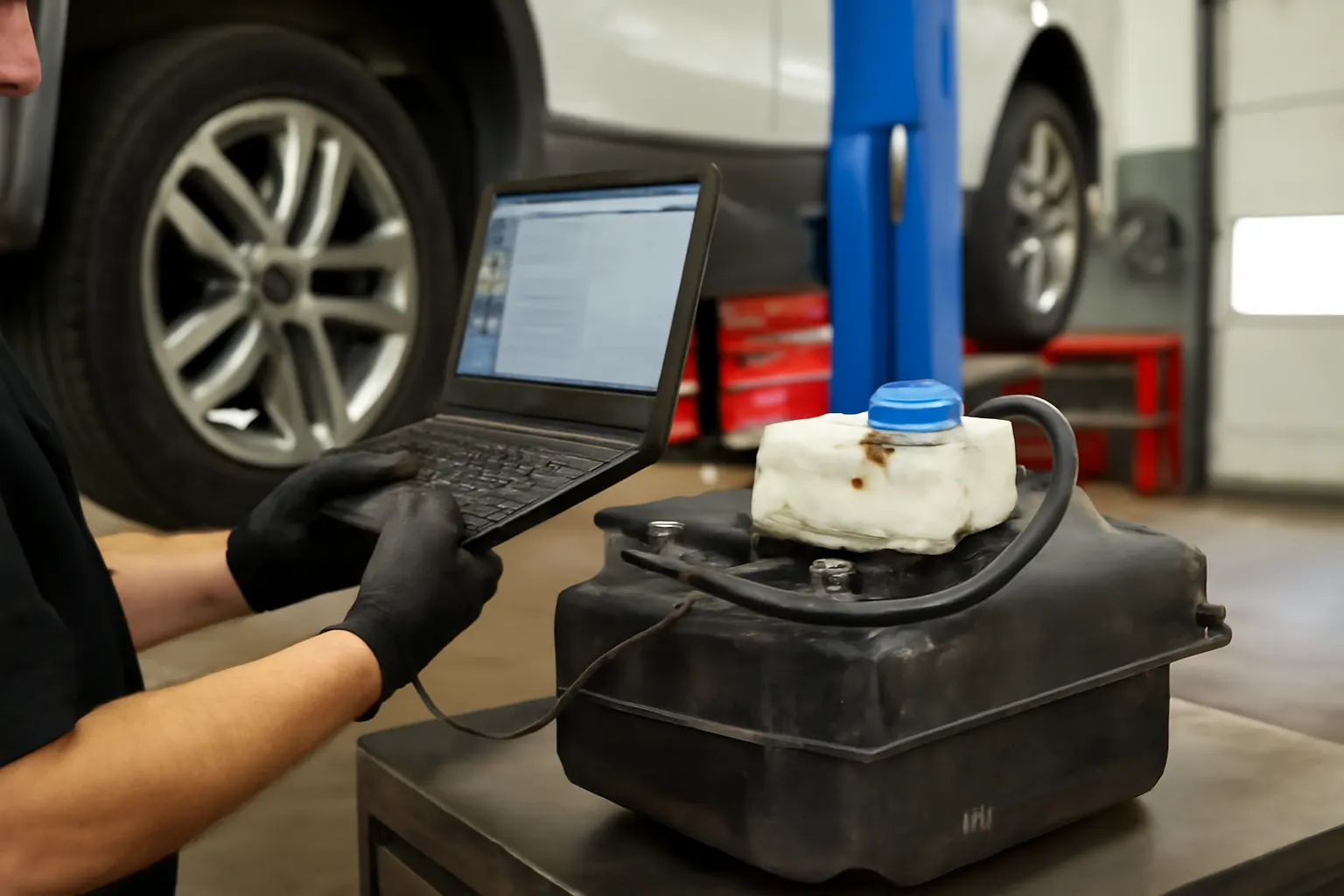
A systematic diagnostic approach is essential. Use this checklist to isolate the root cause of DEF tank problems before replacing parts:
| Step | Action | Notes |
|---|---|---|
| 1 | Scan for DTCs | Use a professional scan tool to read all ECM codes, including history and pending codes. |
| 2 | Inspect DEF Level | Visually check fluid level and compare to sensor reading. Top off with fresh DEF if needed. |
| 3 | Test Heater Operation | With scan tool or multimeter, verify heater element activation and resistance. |
| 4 | Check Sensor Signals | Monitor live data for level, quality, and temperature sensors. Look for implausible or stuck values. |
| 5 | Inspect Wiring and Connectors | Check for corrosion, broken wires, or loose connections at the tank harness. |
| 6 | Examine for Leaks | Look for signs of fluid leaks, tank cracks, or crystallized DEF residue. |
| 7 | Confirm DEF Quality | Test DEF fluid with a refractometer or DEF test strip for proper urea concentration (32.5%). |
| 8 | Verify Pump Operation | Listen for pump activation and check pressure/delivery at the injector line. |
Following this checklist can dramatically reduce diagnostic time and avoid unnecessary tank or sensor replacements.
Deep Dive: Technical Causes Behind Toyota DEF Tank Failures
Understanding the technical causes behind each failure mode helps in both diagnosis and prevention:
Sensor Failures
Most Toyota DEF tanks use either a float-based or ultrasonic level sensor. Float sensors can become stuck due to crystallized DEF or internal debris, while ultrasonic sensors are sensitive to contamination. Both can drift out of calibration over time, especially if exposed to off-spec DEF or repeated freeze-thaw cycles.
Heater Element Issues
DEF freezes at around 12°F (-11°C). The tank heater is designed to quickly thaw the fluid, but the element can fail due to corrosion, excessive current draw, or insulation breakdown. Inadequate thawing leads the ECM to restrict engine operation.
Quality Sensor Drift
The DEF quality sensor detects urea concentration. Contaminated or diluted fluid, or sensor aging, can cause false readings. This often results in “incorrect fluid detected” DTCs, even when premium DEF is used.
Pump and Harness Problems
DEF pumps are precision devices that can fail due to internal corrosion, particulate contamination, or electrical issues. Harnesses and connectors, particularly those exposed to road spray, are vulnerable to corrosion and physical damage.
Avoiding Costly Diagnostic Errors: Common Pitfalls
Technicians and owners frequently make diagnostic mistakes that lead to unnecessary DEF tank replacements or prolonged downtime. Avoid these pitfalls:
- Assuming All DEF Warnings Mean Low Fluid: Many warnings are triggered by sensor, heater, or wiring faults even when the tank is full.
- Overlooking Wiring Issues: Corroded or damaged connectors can mimic sensor or heater failures.
- Neglecting DEF Fluid Quality: Using off-brand or contaminated DEF can cause repeated sensor and pump failures.
- Skipping Live Data Analysis: Relying solely on DTCs without checking live sensor data can miss intermittent faults.
A methodical approach, using both scan tool data and physical inspection, is the best defense against misdiagnosis.
Repair and Replacement: Sourcing the Right Toyota DEF Tank
When replacement is necessary, sourcing the correct tank is critical for fitment and long-term reliability. Consider the following:
Advertisement
- OEM vs. Aftermarket: OEM tanks offer direct fitment and sensor compatibility. Aftermarket options may be less expensive, but quality and sensor calibration can vary. For a detailed comparison, see Toyota Oem Vs Aftermarket Exhaust Fluid Tanks.
- Part Number Verification: Toyota has used several DEF tank part numbers across models and years. Always verify by VIN or use the Toyota Def Tank Part Number Fitment guide to ensure compatibility.
- Sensor and Heater Integration: Some tanks come with integrated sensors and heaters; others require transferring parts from the old tank. Inspect all components before installation.
- Material Quality: Tanks constructed with advanced plastics or composite materials resist cracking and corrosion better than older designs. For more on materials, see the Department of Energy’s Materials Technologies.
Proper sourcing prevents repeat failures and ensures compliance with emissions standards.
Installation Best Practices: Ensuring Long-Term Reliability
DEF tank installation is more than a simple swap. Follow these best practices to avoid future problems:
- Clean All Connectors: Use electrical contact cleaner on all harness plugs and terminals.
- Flush DEF Lines: Remove old DEF and flush lines to prevent contamination of the new tank and sensors.
- Inspect and Replace Gaskets/O-Rings: Always install new seals to prevent leaks.
- Torque Fasteners to Spec: Over-tightening can crack plastic tanks; under-tightening leads to leaks.
- Initialize Sensors with Scan Tool: Some Toyota models require sensor recalibration or initialization after installation.
- Fill with Fresh, Certified DEF: Use only ISO 22241-compliant DEF to protect sensors and the SCR catalyst.
For a step-by-step guide, refer to Toyota Exhaust Fluid Tank Installation.
Preventive Maintenance: Extending Toyota DEF Tank Life
Routine maintenance can significantly extend the life of your Toyota DEF tank and associated components:
- Regular DEF Top-Offs: Keep the tank at least half full to prevent air lock and reduce condensation.
- Use Only High-Quality DEF: Purchase DEF from reputable suppliers, and check the expiration date.
- Inspect for Leaks and Corrosion: Periodically check tank, lines, and connectors for signs of wear or fluid residue.
- Monitor for Software Updates: Toyota may release ECM updates to improve sensor calibration or heater control. Check with your dealer or trusted technician.
Preventive care is far less expensive than reactive repairs, especially for fleet operators.
Fleet and High-Mileage Considerations: Special Risks
Fleet vehicles and high-mileage Toyotas are at increased risk for DEF tank failures due to:
- Increased Freeze-Thaw Cycles: More exposure to cold climates accelerates heater and sensor wear.
- Higher DEF Consumption: Frequent DEF refills increase the risk of contamination or overfilling.
- Prolonged Exposure to Road Debris: More miles mean more exposure to salt, water, and debris that can damage wiring and tank housings.
Fleet managers should implement DEF system inspections as part of regular PM schedules and train drivers to report warning signs promptly.
Regulatory and Safety Implications
DEF system failures are not just a nuisance—they have regulatory and safety consequences:
- Emissions Non-Compliance: DEF tank failures can cause vehicles to exceed NOx emissions limits, risking fines or failed inspections.
- Safety Recalls: The National Highway Traffic Safety Administration (NHTSA) monitors and issues recalls for DEF system defects. Always check for open recalls related to your Toyota’s emissions system at NHTSA Recalls.
- Environmental Risks: Leaking DEF can contaminate soil and water. Promptly address any visible leaks.
Ensuring the DEF system is fully functional is part of responsible vehicle ownership and operation.
AutoPartEx: Your Partner in Toyota DEF Tank Diagnostics and Sourcing
AutoPartEx specializes in high-quality, OEM-fit Toyota exhaust fluid tanks and expert diagnostic guidance. Our technical team leverages field data, manufacturer standards, and regulatory insights to help you:
- Identify root causes quickly
- Source the right part the first time
- Install with confidence using step-by-step guides
- Maintain compliance and maximize uptime
For more in-depth coverage, visit our Toyota Exhaust Fluid Tank – OEM Fitment, Quality, and Diagnostics resource hub.
Take Action: Diagnose and Repair with Confidence
If you’re facing DEF tank warnings or performance issues in your Toyota, don’t guess—diagnose. Use the checklist above, verify part numbers, and follow best practices for installation and preventive maintenance. Whether you’re a fleet operator, independent shop, or advanced DIYer, reliable DEF system performance is within reach.
When in doubt, consult the experts at AutoPartEx or your trusted Toyota technician. Protect your investment, ensure emissions compliance, and keep your Toyota running at peak efficiency.
References
Advertisement
