
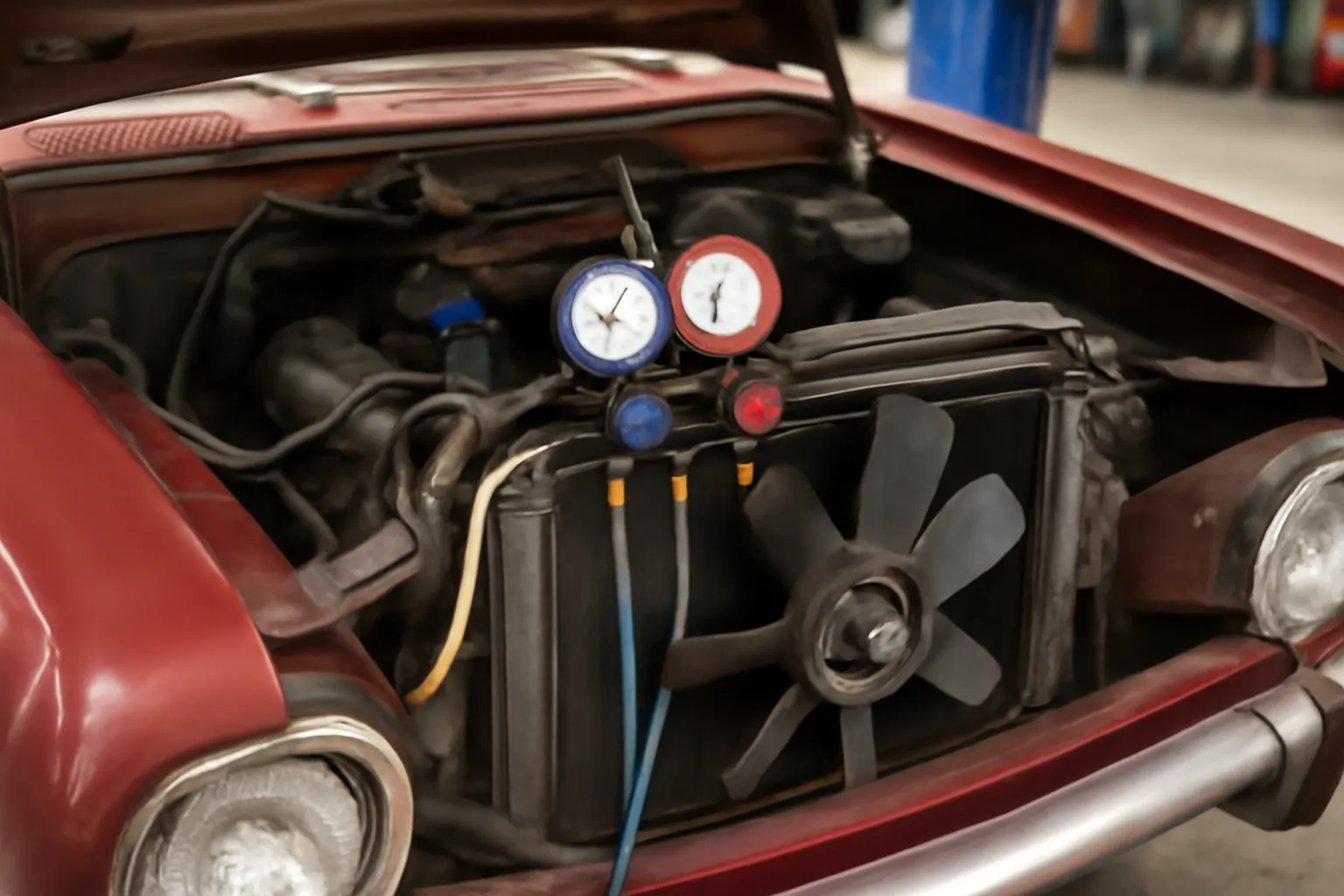
Common Amc Ambassador Cooling Failures
Vintage AMC Ambassadors are iconic vehicles, but their cooling systems often become a source of frustration for classic car enthusiasts—especially during the heat of summer. Overheating, weak air conditioning, and persistent leaks can quickly turn a pleasure drive into a roadside headache. This comprehensive guide explores the most common cooling system failures specific to the AMC Ambassador, with actionable diagnostics, solutions, and expert strategies for lasting reliability. If you're seeking detailed parts fitment, troubleshooting, and replacement guidance, our AMC Ambassador AC Condenser/Radiator Mounted Fan: Comprehensive Model-Specific Fitment, Issues, and Replacement Guide is an essential companion.
Immediate Answer: What Causes AMC Ambassador Cooling Failures?
The majority of AMC Ambassador cooling failures stem from aging radiators, failing water pumps, degraded hoses, malfunctioning fans (both mechanical and electric), and corroded or clogged heater cores. These issues are exacerbated by outdated materials, lack of modern corrosion inhibitors, and the unique thermal demands of vintage V8 engines under modern driving conditions. Immediate symptoms include engine overheating, coolant leaks, underperforming air conditioning, and fluctuating temperature gauges.
The Hidden Problem: Why Vintage AMC Cooling Issues Are More Complex Than They Appear
Many AMC Ambassador owners assume overheating or AC weakness is simply the result of age or a single failing part. However, the real problem lies in the interconnected nature of classic cooling systems. A minor restriction in the radiator, for example, can cascade into fan overwork, premature water pump failure, and ultimately head gasket damage. Compounding this is the reality that original components often do not meet modern SAE standards for heat rejection or coolant flow, especially after decades of wear and exposure to outdated coolant formulas.
Problem Expansion: Understanding the AMC Ambassador Cooling System Architecture
The AMC Ambassador’s cooling system is a hybrid of mechanical and, in later years, electric components. Its design—while robust for the era—relies on several key parts working in harmony:
- Radiator: Responsible for dissipating engine heat, often constructed of copper/brass or early aluminum.
- Water Pump: Circulates coolant through the engine and heater core.
- Cooling Fan: Mechanical (engine-driven) or electric (AC condenser/radiator mounted), critical for low-speed airflow.
- Thermostat: Regulates engine temperature by controlling coolant flow.
- Hoses and Belts: Flexible connections prone to dry rot and cracking.
- Heater Core: Provides cabin heat and acts as a secondary coolant loop.
- Overflow/Expansion Tank: Maintains system pressure and collects excess coolant.
The interplay between these components is sensitive to even minor deviations in flow, pressure, or airflow—making diagnostics and upgrades a nuanced process.
Common AMC Ambassador Cooling System Failures: Detailed Breakdown
1. Radiator Clogging and Corrosion
Symptoms: Gradual overheating, visible rust in coolant, reduced heater output.
Root Causes: Decades-old radiators in AMC Ambassadors are especially vulnerable to internal corrosion and mineral buildup, particularly if phosphate-based or “universal” coolants were used. Clogged tubes cannot efficiently transfer heat, leading to rising engine temperatures, especially in city driving or hot weather.
2. Water Pump Wear and Leakage
Symptoms: Coolant leaks at the front of the engine, whining or grinding noises, persistent overheating.
Root Causes: The AMC water pump uses a shaft seal and bearing assembly that degrades over time. Old pumps may leak or lose efficiency, especially if exposed to modern extended-life coolants not compatible with vintage seals.
3. Fan Clutch or Electric Fan Failure
Symptoms: Overheating at idle or low speeds, normal temperatures at highway speeds, weak AC performance.
Root Causes: Mechanical fan clutches lose viscosity, reducing engagement. Electric AC condenser/radiator-mounted fans can fail due to worn brushes, corroded connectors, or weak relays. This is a frequent culprit in summer overheating and poor AC cooling.
4. Thermostat Malfunction
Symptoms: Slow warm-up, temperature swings, or chronic overheating.
Root Causes: Thermostats can stick open (engine runs cold and inefficient) or closed (engine overheats rapidly). Cheap aftermarket thermostats may not meet original temperature specifications.
5. Hose and Belt Degradation
Symptoms: Coolant leaks, visible cracks, bulges, or soft spots, sudden loss of coolant.
Root Causes: Hoses and belts from the original era lack modern reinforcement and UV protection. Even “new old stock” parts may deteriorate quickly once installed.
6. Heater Core Leaks and Blockages
Symptoms: Sweet smell in the cabin, foggy windows, coolant loss, weak heater output.
Root Causes: The heater core is often neglected, but corrosion and internal blockage can compromise both cabin comfort and engine cooling.
7. Overflow/Expansion Tank Failures
Symptoms: Coolant puddles under the car after shutdown, low coolant warning, overheating during long drives.
Root Causes: Old plastic tanks crack, and cap seals harden, breaking the pressure cycle required for efficient cooling.
Diagnosing AMC Ambassador Cooling Failures: Step-by-Step Checklist
A systematic approach is essential for isolating and correcting AMC Ambassador cooling problems. Use the following diagnostic checklist to uncover hidden issues:
Cooling System Diagnostic Checklist
| Step | Inspection Point | What to Look For | Tools Needed |
|---|---|---|---|
| 1 | Radiator Cap | Cracked seal, weak spring, improper fit | Visual, pressure tester |
| 2 | Radiator Fins and Tubes | Bent fins, green/white deposits, internal clogging | Flashlight, borescope |
| 3 | Water Pump | Shaft play, leaks, noise | Hand inspection, stethoscope |
| 4 | Fan (Mechanical/Electric) | Free play, clutch resistance, electric fan spin-up | Hand test, multimeter |
| 5 | Thermostat | Opening temp, stuck open/closed | Infrared thermometer, hot water test |
| 6 | Hoses and Belts | Cracks, bulges, softness, tension | Visual, squeeze test |
| 7 | Heater Core | Cabin leaks, coolant smell, output temp | Visual, touch test |
| 8 | Overflow/Expansion Tank | Cracks, cap seal, return hose integrity | Visual, pressure test |
| 9 | Coolant Condition | Color, debris, oil contamination | Test strips, sight |
| 10 | System Pressure | Holds pressure, leaks under load | Pressure tester |
Tip: Always allow the engine to cool before opening the radiator cap or performing pressure tests.
Technical Deep Dive: Why AMC Ambassador Cooling Problems Are Persistent
Material and Engineering Limitations
Classic AMC cooling systems were engineered for the thermal loads and materials of their era. Copper-brass radiators, natural rubber hoses, and simple fan clutches were never intended to last for decades or contend with modern stop-and-go traffic and ethanol-blended fuels. Advances in materials technology and SAE standards have left many original AMC systems lagging behind in performance and reliability.
Modern Coolant Compatibility
Many failures are accelerated by the use of modern coolants that are chemically incompatible with vintage soldered radiators or pump seals. Silicate- and phosphate-rich antifreezes, while effective in modern engines, can strip solder joints and degrade natural rubber, hastening leaks and internal corrosion.
Thermodynamic Demands
The AMC Ambassador’s V8 engines, especially in air-conditioned models, generate significant heat. When airflow is compromised by a weak fan or clogged condenser, the system’s margin for error shrinks dramatically. The result: rapid temperature spikes and chronic overheating in summer conditions.
Solution Path: Addressing and Preventing AMC Ambassador Cooling Failures
1. Upgrading the Radiator
Replace original radiators with modern, high-efficiency aluminum units designed to fit AMC models. These radiators offer improved heat rejection, lighter weight, and better compatibility with modern coolants. Ensure the radiator matches the specific Ambassador year and engine configuration for correct hose and mounting fitment.
2. Water Pump Replacement
Source a quality new or professionally rebuilt water pump, ideally with upgraded shaft seals and bearings. When replacing, flush the block thoroughly to remove old coolant and debris that could shorten pump life.
3. Fan System Modernization
Consider upgrading to an electric fan kit or replacing the mechanical fan clutch with a new, high-torque unit. Electric fans mounted to the AC condenser/radiator can be wired to activate at lower temperatures or with AC operation, vastly improving low-speed cooling. For a detailed comparison, see Mechanical Vs Electric Fans Classic Cars.
4. Thermostat and Gasket Updates
Install a thermostat rated for the original temperature specification, typically 180°F or 195°F. Use a quality gasket and consider a fail-safe design to avoid catastrophic overheating if the thermostat fails.
5. Hose and Belt Refresh
Replace all hoses and belts with modern, reinforced equivalents. Avoid “universal fit” hoses—use application-specific parts for proper routing and clamp engagement. Inspect and replace hose clamps as needed.
6. Heater Core Service
If heater output is weak or leaks are present, replace the heater core with a new, corrosion-resistant unit. Flush the system to remove debris and scale.
7. Overflow Tank and Cap Replacement
Install a new expansion tank and cap rated for the correct pressure. Ensure the overflow hose is flexible and free of cracks.
Maintenance Strategies for Long-Term Cooling Reliability
Regular System Flushes
Flush the cooling system every 2–3 years with distilled water and a radiator-safe cleaner. This prevents scale buildup and removes old coolant residues that can accelerate corrosion.
Coolant Selection
Use a coolant formulated for classic cars—typically a low-silicate, phosphate-free formula. Always mix with distilled water to prevent mineral deposits.
Routine Inspection
Check all cooling system components at every oil change. Pay special attention to hose condition, radiator fin cleanliness, and coolant level.
Temperature Monitoring
Install an aftermarket temperature gauge or verify the accuracy of the factory gauge. Early detection of temperature swings can prevent catastrophic engine damage.
Sourcing AMC Ambassador Cooling Parts: What to Look For
When sourcing replacement cooling parts, focus on:
- Fitment: Confirm year, engine size, and AC configuration compatibility.
- Quality: Choose reputable brands or OE-equivalent components.
- Material: Prefer modern materials (aluminum, silicone, reinforced rubber) where possible.
- Warranty: Select parts with a solid manufacturer warranty for peace of mind.
Our AMC Ambassador AC Condenser/Radiator Mounted Fan: Comprehensive Model-Specific Fitment, Issues, and Replacement Guide provides detailed fitment tables for radiators, fans, and AC components specific to your model year.
Installation Tips: Avoiding Common Pitfalls
- Drain the System Fully: Always drain old coolant and flush before installing new components.
- Check Mounting Points: AMC radiators and fans often use model-specific brackets—verify compatibility before installation.
- Torque Specs: Use a torque wrench on water pump and thermostat housing bolts to prevent leaks and warping.
- Bleed the System: After filling, run the engine with the heater on high and bleed air from the system to prevent hot spots.
- Test Operation: Monitor temperature and check for leaks during the first drive after repairs.
Real-World Troubleshooting: Case Studies
Case Study 1: 1972 AMC Ambassador 360 V8, Chronic Overheating
Symptoms: Overheats after 15 minutes in traffic, normal at highway speeds.
Diagnosis: Electric AC condenser fan inoperative due to corroded relay and seized motor. Radiator fins partially clogged.
Solution: Replaced electric fan assembly, cleaned radiator externally, flushed the system, and replaced the thermostat. Result: Stable operating temperature even in 95°F ambient.
Case Study 2: 1974 AMC Ambassador, Weak AC and Heater Output
Symptoms: AC barely cools, heater lukewarm, coolant smell in cabin.
Diagnosis: Heater core leaking internally, low coolant level, air in system.
Solution: Installed new heater core, bled system thoroughly, replaced upper and lower hoses. Result: Restored AC and heater performance, no further coolant loss.
Preventative Upgrades for Modern Driving
Modern traffic and climate conditions place greater demands on vintage cooling systems. Consider these upgrades for your AMC Ambassador:
- Dual Electric Fans: For maximum airflow at idle and during AC operation.
- High-Flow Water Pump: Increases coolant circulation, especially with larger engines or AC.
- Aluminum Radiator with Integrated Transmission Cooler: For models with automatic transmissions.
- Coolant Recovery System: Prevents air ingestion and coolant loss during heat soak.
AutoPartEx: Your Partner in Classic AMC Cooling Solutions
AutoPartEx specializes in model-specific cooling components, technical documentation, and expert support for AMC Ambassadors and other classic vehicles. Our curated inventory and fitment guides ensure you get the right part the first time, every time. Whether you’re restoring an original or building a reliable summer cruiser, our team stands ready to help you overcome cooling challenges with confidence.
For further reading, check our Amc Ambassador Cooling System Guide for advanced diagnostics, or explore Amc Ambassador Ac Fan Performance for in-depth AC airflow solutions.
Conclusion: Ensuring Reliable Summer Driving in Your AMC Ambassador
Addressing cooling system failures in the AMC Ambassador requires a blend of careful diagnostics, quality parts selection, and modern material upgrades. By understanding the unique weaknesses of vintage AMC cooling architecture and applying proven solutions, you can eliminate overheating, restore AC performance, and enjoy reliable summer motoring. Regular maintenance and thoughtful upgrades are the key to preserving your classic’s value and performance for years to come.