
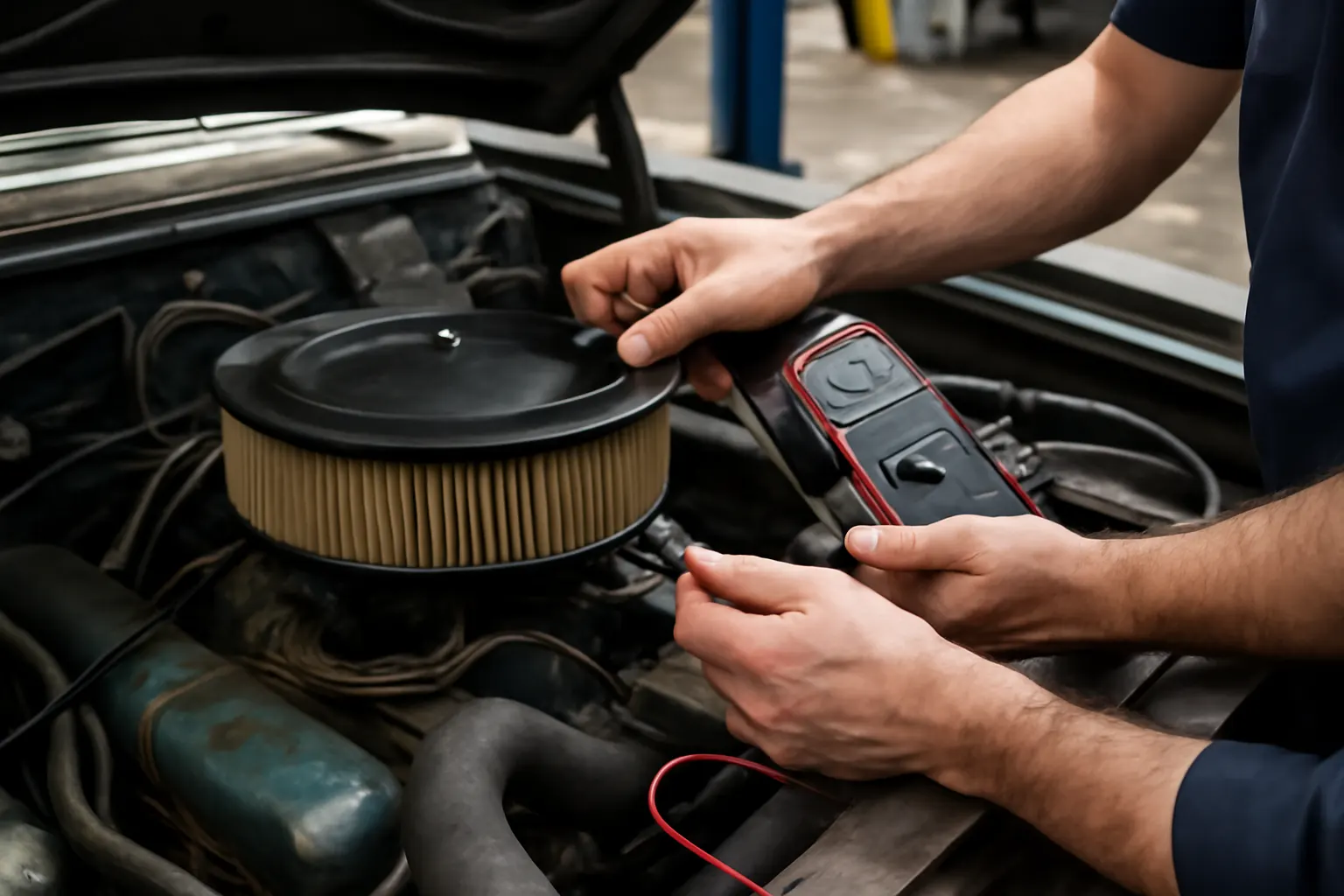
Classic Amc Diagnostics Air Induction
Classic AMC vehicles, such as the revered Ambassador, are renowned for their distinctive American engineering and enduring legacy. Yet, as these vehicles age, owners frequently encounter issues with engine performance—often rooted in the air induction system. If your classic AMC exhibits rough idling, hesitation, or poor fuel economy, the air box and air cleaner are prime suspects. Diagnosing and resolving air induction issues not only restores performance but also preserves the authenticity and value of your vintage ride. This comprehensive guide details how to pinpoint, troubleshoot, and resolve air induction problems, with a focus on the AMC Ambassador and related models. For a broad selection of fitment guides, diagnostics, and OEM solutions, visit the AMC Ambassador Air Box & Air Cleaner Parts | Fitment, Diagnostics, and OEM Solutions category.
Immediate Answer: Diagnosing Classic AMC Air Induction Problems
If your AMC Ambassador or other classic AMC model is running rough, stalling, or lacking power, begin with a thorough inspection of the air induction system. The most common culprits are a clogged or deteriorated air cleaner, leaks in the air box or intake ducting, and incorrect fitment of air cleaner assemblies. Addressing these components can resolve up to 80% of non-fuel-related drivability complaints in vintage AMC vehicles.
Quick Diagnostic Steps:
- Inspect the air cleaner for dirt, tears, or collapsed filter media.
- Check for loose, cracked, or disconnected air box and intake hoses.
- Listen for hissing or whistling noises at idle—these often indicate vacuum leaks.
- Verify that the air cleaner lid and housing seal tightly and are not warped.
- Confirm the correct air filter element is installed for your engine and model year.
The Hidden Problem: Air Induction Issues Often Go Unnoticed
Many AMC owners focus on carburetor tuning, spark, or fuel delivery when troubleshooting performance issues, overlooking the air induction system. Yet, a failing air cleaner or compromised air box can mimic carburetor or ignition faults, leading to unnecessary parts replacement and lost time. Air induction faults can also contribute to premature engine wear and increased emissions, undermining both performance and longevity.
Why Air Induction is Overlooked
- Subtle Symptoms: Gradual filter clogging or minor leaks degrade performance slowly, so symptoms are often attributed to age or carburetion.
- Hard-to-Spot Leaks: Cracks or gaps in the air box or intake boot may not be visible without a close inspection.
- Parts Availability: Original-style air cleaner assemblies and air boxes for classic AMCs are increasingly rare, making proper diagnosis and repair more challenging.
How Poor Air Induction Impacts Classic AMC Engine Performance
Air induction issues in classic AMCs manifest in several ways:
- Reduced Power and Acceleration: An obstructed or collapsed air filter restricts airflow, causing the engine to run rich and lose power.
- Rough Idle and Stalling: Leaks or misfit air cleaner assemblies disrupt the carefully balanced air-fuel mixture, often causing erratic idle or stalling after cold start.
- Increased Fuel Consumption: Insufficient or unmetered air flow forces the carburetor to compensate with excess fuel, reducing fuel efficiency (see DOE Fuel Efficiency).
- Engine Knock and Backfire: Air leaks downstream of the air cleaner can cause lean mixtures, resulting in detonation or backfiring through the carburetor.
Understanding the AMC Ambassador Air Induction System
Classic AMC models, including the Ambassador, use a relatively simple but effective air induction setup:
- Air Intake Ducting: Draws ambient air (sometimes from a fender or cowl) to the air cleaner housing.
- Air Box/Air Cleaner Assembly: Houses the air filter element, which traps dust and debris before air enters the carburetor.
- Carburetor Inlet: Receives filtered air, mixing it with fuel before sending the mixture to the engine.
Key Components:
- Air Cleaner Housing: Typically a round or oval metal assembly with a lid, designed to fit a specific carburetor flange.
- Air Filter Element: Usually a paper or fiber element, replaceable and sized by engine displacement and year.
- Ducting and Seals: Rubber or plastic hoses and seals prevent unfiltered air from bypassing the filter.
For a detailed diagram of the AMC Ambassador’s engine bay and air induction layout, see Amc Ambassador Engine Bay Layout.
Common Air Induction Failure Points in Classic AMCs
Classic AMC air induction systems are robust, but age and wear introduce several weak points:
- Air Filter Collapse or Saturation: Old filters may collapse, become saturated with oil or moisture, or disintegrate, allowing unfiltered air to reach the engine.
- Air Box Rust and Deformation: Metal housings can rust through, warp, or develop pinholes, particularly in humid climates.
- Gasket and Seal Failure: Rubber and cork gaskets harden and crack, causing leaks at the lid or base.
- Intake Duct Cracks: Plastic or rubber ducts may split, especially at bends or attachment points.
- Incorrect Filter Fitment: Substituting a “close enough” filter can leave gaps, rendering the air cleaner ineffective.
Step-by-Step Air Induction Diagnostic Checklist
Use this checklist for a systematic evaluation of your classic AMC’s air induction system:
Air Induction Diagnostic Checklist
- Visual Inspection
- Remove the air cleaner lid; inspect the filter for dirt, collapse, or oil saturation.
- Examine the housing and lid for rust, dents, or warping.
- Inspect all gaskets and seals for cracks or missing sections.
- Functional Testing
- Start the engine; listen for hissing, whistling, or popping noises.
- Lightly spray carburetor cleaner around air box joints and intake hoses at idle. If idle speed changes, a leak is present.
- Fitment Verification
- Confirm the air filter element matches the original part number/specification.
- Ensure the air cleaner assembly is seated flat and clamps securely to the carburetor.
- Duct and Hose Inspection
- Check all intake ducts for cracks, holes, or loose connections.
- Flex hoses gently to check for hidden splits or brittleness.
- Performance Test
- With the filter removed, briefly run the engine. If idle smooths out or power returns, the filter is likely clogged.
If any faults are found, address them before proceeding to carburetor or ignition diagnostics.
The Importance of OEM Air Cleaner Fitment
Using the correct air cleaner assembly and filter element is crucial for proper operation. AMC engineered each air induction system to match the engine’s airflow needs, carburetor size, and underhood clearances. Aftermarket or “universal” air cleaners may not seal properly, leading to:
- Unfiltered Air Entry: Gaps at the base or lid allow dirt to bypass the filter, causing premature engine wear.
- Fuel Stand-Off: Poorly matched air cleaners can disrupt airflow, causing fuel standoff or backfire through the carburetor.
- Clearance Issues: Oversized or undersized assemblies may contact the hood or other components, leading to vibration and damage.
Always reference the original part number or consult a fitment guide before purchasing replacements. For more details on sourcing and restoring OEM air cleaner assemblies, explore the Amc Ambassador Air Cleaner Restoration guide.
Diagnosing and Addressing Specific Air Cleaner Failures
Classic AMC air cleaner failures often fall into three categories:
1. Clogged or Collapsed Filter
- Symptoms: Reduced power, black smoke, poor acceleration.
- Diagnosis: Remove and inspect the filter; if light does not pass through or the filter is deformed, replace it.
- Solution: Replace with a new, high-quality filter element matched to your engine.
2. Air Box or Housing Leaks
- Symptoms: Rough idle, lean misfire, popping through the carburetor.
- Diagnosis: Look for rust holes, warped lids, or missing gaskets. Use the carburetor cleaner spray test to locate leaks.
- Solution: Repair or replace the housing; install new gaskets and seals as needed.
3. Incorrect Filter or Assembly Fitment
- Symptoms: Whistling noises, dirt in the carburetor throat, poor starting.
- Diagnosis: Compare current filter and housing to factory specifications; check for gaps or misalignment.
- Solution: Source the correct filter element and assembly; avoid “universal” parts that compromise fitment.
Advanced Air Induction Diagnostics: Beyond the Basics
For persistent or hard-to-diagnose issues, consider these advanced checks:
- Vacuum Gauge Testing: Connect a vacuum gauge to a manifold source. Low or fluctuating vacuum at idle can indicate a significant air leak or restriction.
- Smoke Testing: Introduce smoke into the air induction tract with the engine off. Watch for smoke escaping from joints, cracks, or seams.
- Airflow Measurement: If available, use a handheld airflow meter to compare intake flow with and without the filter installed.
These techniques can uncover subtle leaks or restrictions missed during visual inspection.
Sourcing Quality Replacement Parts for AMC Air Induction Systems
Finding correct-fit air cleaner assemblies and air box parts for classic AMCs can be challenging. Here’s how to source the best components:
- OEM and NOS Parts: Seek out New Old Stock (NOS) or gently used OEM assemblies from reputable classic car parts vendors.
- Reproduction Parts: Some specialty suppliers offer reproduction air cleaner housings, gaskets, and seals built to original specifications.
- Modern Filter Options: When OEM filters are unavailable, select a modern filter with matching dimensions and filtration rating. For practical advice on modern filter upgrades, see Air Filtration Amc Ambassador Modern Options.
- Cross-Reference Guides: Use manufacturer cross-reference charts to match filter elements by size, shape, and filtration efficiency.
Always verify fitment and sealing before installation.
Preventive Maintenance for AMC Air Induction Systems
Routine maintenance is the best defense against air induction problems. Follow these best practices:
- Inspect and Replace Filters Regularly: Replace the air filter at least every 12,000 miles or annually, whichever comes first, or more often in dusty environments.
- Check Gaskets and Seals: Inspect all gaskets and rubber seals during every oil change; replace if brittle or cracked.
- Clean the Air Box: Wipe down the inside of the air box and housing with a damp cloth when changing the filter.
- Inspect Fasteners and Clamps: Ensure all clamps and fasteners are tight and not stripped.
Pro Tip: Keep a spare air filter in your trunk, especially for long-distance drives or classic car rallies.
Upgrading Air Induction for Performance and Longevity
While originality is key for collectors, some owners seek improved performance or reliability. Consider these upgrades:
- High-Flow Filters: Modern high-flow paper or synthetic filters can increase airflow while maintaining filtration standards.
- Improved Sealing Gaskets: Use modern rubber or silicone gaskets for better sealing and longevity compared to original cork or fiber.
- Cold Air Induction: Routing intake air from a cooler location (such as the fender well) can improve density and performance, but ensure all modifications retain filtered airflow.
Always document any non-original modifications for future owners or concours judging.
The Role of Materials and Engineering in Air Induction Reliability
The materials used in classic AMC air induction systems—primarily steel, rubber, and paper—were selected for cost-effectiveness and availability. Over decades, these materials degrade:
- Steel Air Boxes: Prone to rust, especially if exposed to moisture or battery acid vapors.
- Paper Filters: Lose efficiency as fibers break down or become saturated.
- Rubber Seals: Harden and crack, losing elasticity and sealing ability.
Modern materials technologies—such as advanced plastics and synthetic filter media—offer better durability and performance (see DOE Materials Technologies). When restoring or upgrading, consider these improvements where authenticity is not the primary goal.
Safety and Regulatory Considerations
A properly functioning air induction system is not only vital for performance but also for safety and environmental compliance. Unfiltered air can introduce abrasive particles into the engine, accelerating wear and potentially leading to catastrophic failure. Additionally, air leaks can increase tailpipe emissions, contributing to environmental harm.
The National Highway Traffic Safety Administration (NHTSA) emphasizes the importance of maintaining vehicle equipment—including air induction systems—for both safety and reliability (NHTSA Vehicle Safety and Equipment). Regular inspection and prompt replacement of worn components are essential for safe operation.
AutoPartEx: Your Partner in Classic AMC Diagnostics and Parts
At AutoPartEx, we specialize in sourcing, restoring, and advising on hard-to-find air box and air cleaner parts for classic AMC vehicles. Our technical team provides fitment guides, diagnostic checklists, and access to OEM and quality reproduction components. Whether you’re restoring an AMC Ambassador to concours standards or upgrading for reliable daily driving, our resources and expertise ensure your air induction system performs as intended.
Explore our full range of AMC Ambassador Air Box & Air Cleaner Parts | Fitment, Diagnostics, and OEM Solutions to find the exact parts and technical support you need. For in-depth restoration advice and modern filtration options, our editorial guides connect you to the latest best practices in classic AMC maintenance.
Conclusion: Prioritizing Air Induction in Classic AMC Care
Neglecting the air induction system in your classic AMC can lead to a cascade of performance, reliability, and safety issues. By systematically diagnosing and maintaining the air box, air cleaner, and intake ducting, you ensure optimal engine operation, preserve originality, and extend the life of your vehicle. Whether you’re a seasoned restorer or a new classic car enthusiast, a proactive approach to air induction pays dividends in drivability and value. Trust AutoPartEx for the expertise, parts, and guidance to keep your AMC running strong for years to come.