Avoiding Counterfeit Checker Parts
Counterfeit parts are a growing threat to Checker vehicle restorations, risking safety, authenticity, and investment value. To protect your project, learn how to spot non-OEM and fake Checker parts, understand their risks, and source genuine components with confidence. This comprehensive guide arms you with diagnostic checklists, practical buying strategies, and technical insight—so your Checker restoration stays safe, original, and valuable.
If you’re restoring a Checker, especially a vintage A-series or Marathon, you know that the right parts are essential for authenticity and safety. But with the rise in online marketplaces and global supply chains, counterfeit and non-OEM parts are flooding the market. Many look convincing but fall short in fit, function, and durability. This guide will help you recognize and avoid these pitfalls. For more on Checker’s unique heritage and technical fitment, see our Checker Auto Parts: Heritage, Fitment, and Technical Insights | AutoPartEx category.
The Immediate Threat: Why Counterfeit Checker Parts Are So Dangerous
Counterfeit Checker parts are more than just a cosmetic problem. They can compromise safety systems, degrade performance, and even jeopardize your restoration’s long-term value. Non-OEM (Original Equipment Manufacturer) and outright fake parts often fail to meet National Highway Traffic Safety Administration (NHTSA) and Society of Automotive Engineers (SAE) standards. This can result in sudden failures, increased recall risk, and a restoration that’s neither safe nor authentic.
Key Risks of Counterfeit Parts
- Safety Hazards: Substandard materials and manufacturing can lead to catastrophic failures—brake components, steering parts, and suspension arms are frequent targets for counterfeiting.
- Fitment Issues: Poor tolerances and incorrect dimensions often make installation difficult or impossible, or lead to premature wear.
- Performance Loss: Counterfeit parts can drastically reduce fuel efficiency, ride quality, and mechanical reliability.
- Value Erosion: Non-genuine parts lower your Checker’s collector value and may even void eligibility for certain historic vehicle shows.
The Hidden Problem: Counterfeits Are Becoming Harder to Spot
Counterfeiters have dramatically improved their tactics. While older fakes were easy to spot by crude casting or poor packaging, today’s non-OEM Checker parts often mimic the look and branding of genuine components. Some even have fake part numbers, forged logos, or “OEM style” claims.
How Counterfeits Enter the Market
- Online Marketplaces: eBay, Amazon, and less-regulated specialty sites are common sources for fakes.
- Bulk Importers: Some overseas suppliers ship counterfeit Checker parts in bulk to North America, where they are repackaged.
- Swap Meets & Flea Markets: While these can be goldmines for rare parts, they’re also rife with misrepresented items.
The problem is especially acute for Checker models where parts are already rare. When genuine NOS (New Old Stock) or OEM parts dry up, counterfeiters fill the vacuum.
Technical Deep Dive: What Makes a Part “Counterfeit” or “Non-OEM”?
It’s important to distinguish between OEM, aftermarket, and counterfeit parts:
- OEM Parts: Made by the original manufacturer or an officially licensed supplier, meeting all engineering, materials, and safety standards.
- Aftermarket Parts: Produced by third parties, sometimes to OEM standards, but not always. Some reputable aftermarket suppliers offer high-quality parts; others do not.
- Counterfeit Parts: Fakes that claim to be OEM or high-quality aftermarket but are made with inferior materials, poor tolerances, or even dangerous substitutions.
Why Material Quality Matters
According to the U.S. Department of Energy, advanced materials play a crucial role in vehicle performance and safety. Counterfeiters often substitute mild steel for high-tensile alloys, use recycled plastics with poor heat resistance, or skip critical heat-treating steps. The result: parts that look right but fail in service (DOE Materials Technologies).
Warning Signs: How to Identify Counterfeit Checker Parts
Spotting fakes takes a trained eye. Use this checklist before buying:
Counterfeit Checker Parts Diagnostic Checklist
| Symptom | What to Look For | Action Needed |
|---|---|---|
| Suspicious Packaging | Misspelled words, low-res printing, generic branding | Compare to known OEM packaging |
| Incorrect or Missing Part Numbers | No part number, wrong font, or mismatched codes | Cross-check with Checker catalogs |
| Poor Casting or Machining | Rough edges, uneven surfaces, off-center holes | Inspect photos closely, ask for more |
| Inconsistent Weight or Material | Feels lighter, uses different metal/plastic | Compare to genuine part (if possible) |
| “Too Good to Be True” Pricing | Deep discounts, bulk offers | Be skeptical, verify source |
| Lack of Documentation | No invoice, warranty, or supplier info | Request proof of origin |
| Questionable Seller Reputation | Few reviews, recent accounts, vague location | Research seller, check forums |
Always compare suspect parts to a known genuine item or a detailed OEM catalog. When in doubt, consult with a Checker expert or restoration community.
Safety and Regulatory Implications: What the Standards Say
The NHTSA regulates the safety and performance of vehicle equipment, including replacement parts (NHTSA Equipment). Counterfeit parts often bypass these standards, putting you and your passengers at risk. For example:
- Brakes and Steering: Non-compliant materials can cause sudden loss of control.
- Lighting and Electrical: Inferior wiring or lenses can lead to shorts or poor visibility.
- Structural Components: Weak metals may not protect occupants in a crash.
SAE International sets engineering standards for everything from fasteners to fuel systems (SAE Standards). Counterfeiters rarely, if ever, test to these benchmarks.
The Financial Fallout: How Counterfeit Parts Erode Value
Restoring a Checker is an investment of time, money, and passion. But counterfeit parts can undermine all three:
- Decreased Collector Value: Non-OEM parts are quickly spotted by judges and collectors, reducing resale and show value.
- Extra Repair Costs: Counterfeit parts often fail early, requiring rework and replacement.
- Insurance and Liability Issues: Some insurers may deny claims if a failure is traced to counterfeit equipment.
To maximize your Checker’s value, always document the provenance of major replacement parts, especially for rare models.
Sourcing Genuine Checker Parts: Where to Buy and What to Avoid
Finding authentic Checker parts is harder than ever, but it’s not impossible. Here’s how to improve your odds:
Trusted Sources
- Authorized Dealers: Some vintage auto parts specialists still stock genuine Checker components.
- Reputable Restoration Shops: Many will sell surplus OEM parts, or can help verify authenticity.
- Known Community Members: Forums and clubs often have members with NOS stock or reliable leads.
Sources to Approach With Caution
- Unverified Online Sellers: Always check reviews and request detailed photos and documentation.
- Bulk Importers: High-volume sellers with little Checker history are a red flag.
- Unlabeled Swap Meet Parts: Unless provenance is clear, consider these “buyer beware.”
For more sourcing tips, see our Checker Fitment & Restoration Guide.
Fitment Challenges: Why Counterfeits Rarely Fit Like OEM
One of the most frustrating issues with counterfeit Checker parts is poor fitment. Even if a part looks correct, small dimensional errors can cause major problems:
- Mounting Holes Misaligned: This can force you to modify the vehicle or part, risking further damage.
- Incorrect Thread Pitch: Fasteners that don’t match can strip or fail under load.
- Interference with Adjacent Components: Slightly oversized or undersized parts may rub, vibrate, or leak.
Always test-fit parts before final installation. If something feels off, don’t force it—return the part and source a verified OEM alternative.
Installation and Safety Checks: Protecting Your Restoration
Installing Checker parts—especially critical systems like brakes, suspension, or steering—demands careful inspection. Here’s how to safeguard your project:
Installation Safety Checklist
- Inspect Before Install: Compare the new part with the original for size, weight, and markings.
- Test Fitment: Install loosely first to check alignment and clearance.
- Torque to Spec: Use a calibrated torque wrench and follow Checker or SAE guidelines.
- Function Test: Before road use, test the system in a controlled environment.
- Document Everything: Record part numbers, supplier info, and installation date for future reference.
If a part fails any step, remove it and consult with a Checker specialist or trusted supplier.
Maintenance and Ongoing Vigilance: Spotting Problems Early
Even after installation, stay alert for signs of trouble. Counterfeit parts may degrade faster than genuine ones, so regular inspections are crucial:
- Listen for Unusual Noises: Squeaks, rattles, or grinding can indicate poor materials or fit.
- Watch for Fluid Leaks: Seals and gaskets from counterfeiters often fail early.
- Check for Premature Wear: Bushings, bearings, and fasteners should not show excessive wear after limited use.
Regular maintenance is your best defense. For more strategies, see our Vintage Fleet Maintenance Strategies.
Community and Expert Resources: Leverage the Checker Network
The Checker restoration community is a valuable resource for spotting and avoiding counterfeits. Leverage these networks:
- Online Forums: Share photos and part numbers before buying—someone may spot a fake.
- Restoration Clubs: Many clubs maintain lists of trusted suppliers and known counterfeiters.
- Social Media Groups: Rapid feedback from experienced owners can help you avoid costly mistakes.
Connecting with experienced Checker owners is especially important for rare models or obscure parts.
Advanced Technical Tips: Using Catalogs, Drawings, and Standards
Arm yourself with technical documentation:
- OEM Parts Catalogs: These include part numbers, diagrams, and material specifications.
- Service Manuals: Useful for verifying installation procedures and fitment details.
- SAE/ASTM Standards: If a seller claims compliance, ask for documentation or test results.
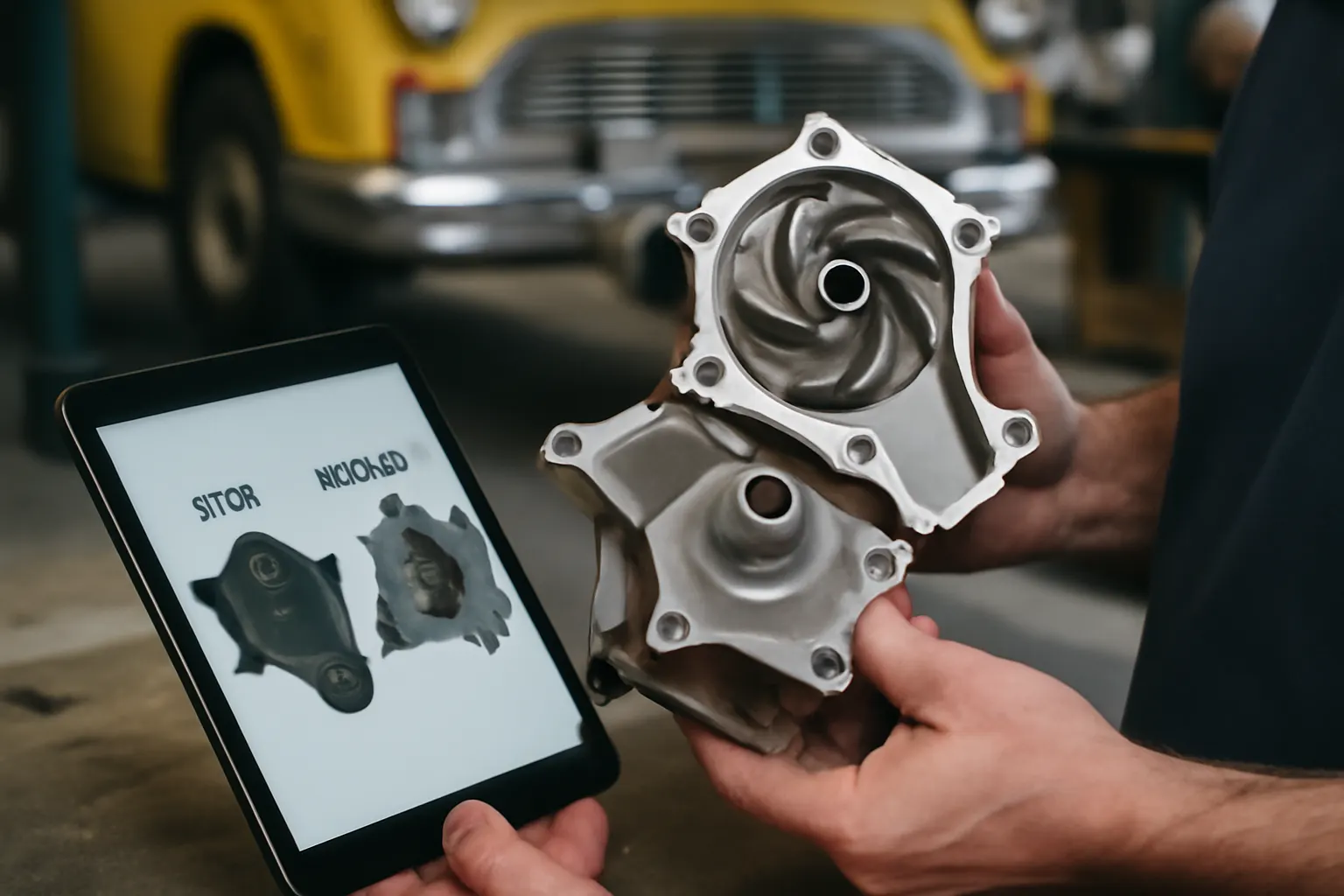
If you’re unsure about a part’s authenticity, request detailed photos of all markings, packaging, and casting numbers. Compare these to catalog images or known originals.
The Restoration Impact: Stories from Real Checker Owners
Counterfeit parts aren’t just a theoretical risk—they’ve derailed many real-world restorations. Owners have reported:
- Brake Failure on First Drive: Due to counterfeit wheel cylinders with undersized pistons.
- Electrical Fires: Caused by fake wiring harnesses using substandard insulation.
- Difficult Show Judging: Judges quickly spot non-OEM fasteners, glass, and trim, costing valuable points.
Learn from others’ experiences before making sourcing decisions. For true stories and lessons learned, see our Checker Restoration: Real Owner Stories.
The AutoPartEx Approach: Your Partner in Authentic Checker Restorations
At AutoPartEx, we’re committed to supporting authentic Checker restorations. We vet our suppliers, verify part provenance, and provide technical guidance tailored to Checker’s unique needs. Our editorial team works closely with restoration experts and SAE-certified engineers to help you avoid costly mistakes.
Explore our Checker Auto Parts: Heritage, Fitment, and Technical Insights | AutoPartEx category for up-to-date fitment data, technical resources, and curated parts listings. When you need help, our experts are just a message away.
Take Action: Protect Your Checker—And Your Investment
Counterfeit Checker parts are a real and growing threat to restorers. Protect your investment by:
- Learning to spot fakes using our checklists and technical tips.
- Sourcing parts only from trusted, vetted suppliers.
- Staying connected with the Checker community for real-time feedback.
- Documenting every part you buy and install.
- Performing regular safety and maintenance checks.
With vigilance, technical knowledge, and the right support, you can keep your Checker authentic, safe, and valuable for years to come.