
Advertisement
Bumper Shock Diagnostics
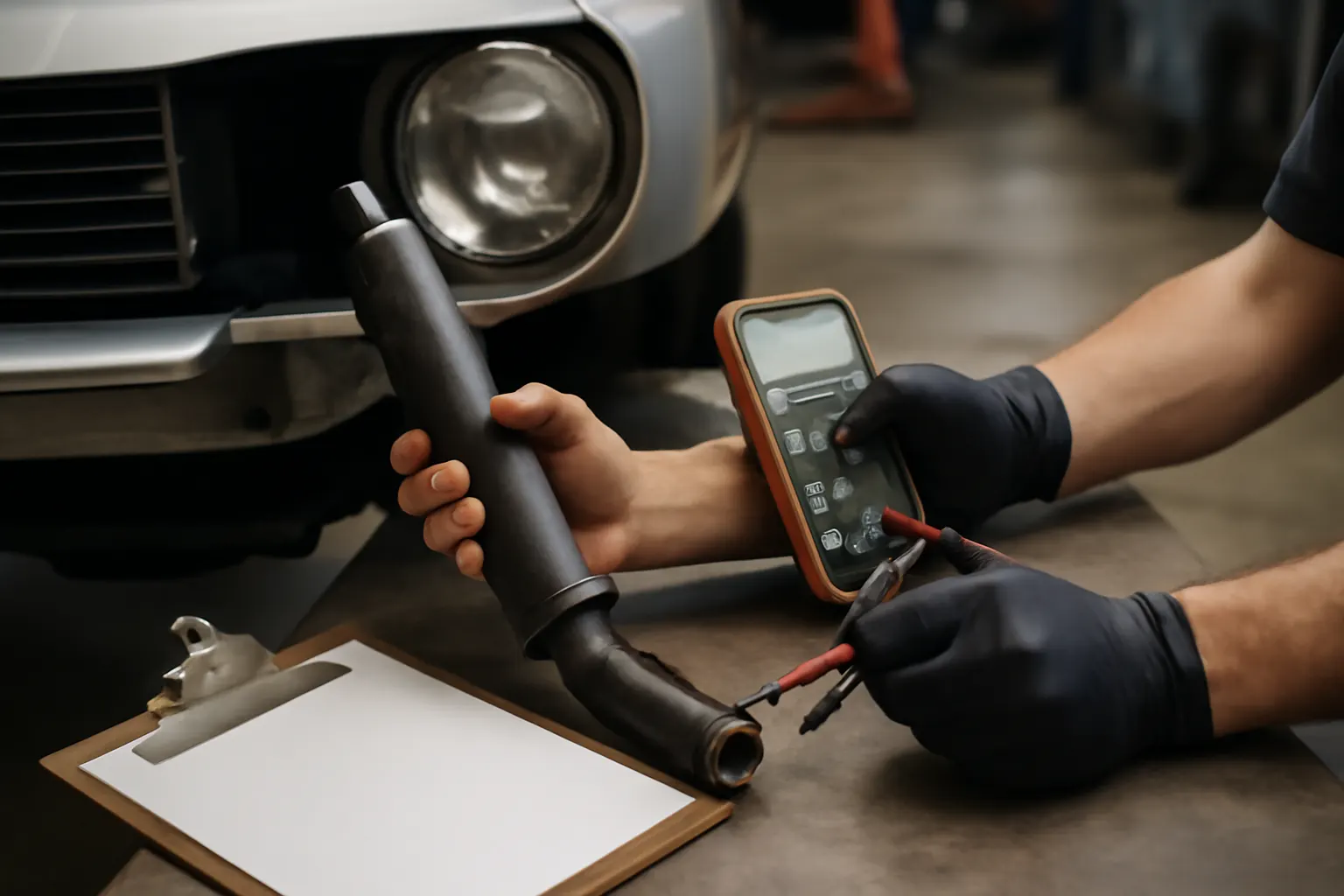
AMC bumper shocks are critical safety components designed to absorb and dissipate impact energy during collisions, protecting both the vehicle body and its occupants. When bumper shocks fail, the consequences can range from diminished crash protection to costly structural damage. This guide provides a comprehensive, step-by-step approach to diagnosing AMC bumper shock issues, identifying failure patterns, and ensuring correct fitment and replacement. Whether you’re an experienced technician or an AMC enthusiast, understanding bumper shock diagnostics is essential for maintaining both safety and OEM performance.
For a broader overview of AMC bumper shocks, their fitment, and replacement strategies, visit our AMC Bumper Shock: OEM Fitment, Failure Patterns, and Replacement Solutions hub.
Immediate Diagnostic Answers: How to Spot AMC Bumper Shock Failures
The most common signs of bumper shock failure in AMC vehicles include:
- Noticeable sag or misalignment of the bumper
- Visible oil or hydraulic fluid leaks at the shock body
- Clunking, rattling, or metallic noises during low-speed impacts or bumper contact
- Inadequate rebound or “dead” feel when pressing on the bumper
- Evidence of corrosion, denting, or physical damage
Early detection of these symptoms is crucial. Timely diagnosis prevents further damage to the bumper system, adjacent body panels, and even the vehicle’s frame structure.
The Hidden Problem: Why AMC Bumper Shocks Often Go Overlooked
Bumper shocks are designed to work silently in the background, remaining out of sight and out of mind. Unlike more visible components such as brake pads or tires, bumper shocks can degrade unnoticed until a significant event—such as a parking lot bump or minor collision—reveals their failure. Many AMC owners and even some repair shops may overlook subtle warning signs, assuming cosmetic bumper misalignment is harmless. In reality, a compromised bumper shock exposes the vehicle to greater damage in future impacts and can negatively affect crash energy management, as outlined by NHTSA safety equipment guidelines.
Deeper Technical Explanation: Anatomy and Function of AMC Bumper Shocks
AMC bumper shocks typically use a telescoping hydraulic or gas-filled cylinder. Their primary function is to absorb and dissipate kinetic energy during low-speed impacts (commonly 5 mph or less), preventing direct transfer of force to the vehicle’s frame and body. Key technical features include:
- Piston and Cylinder Assembly: Converts impact energy into heat via hydraulic fluid or gas compression.
- Seals and Bushings: Prevent fluid leaks and ensure smooth movement.
- Mounting Hardware: Maintains secure, precise alignment between bumper and chassis.
Failure can occur through internal piston wear, seal degradation, hydraulic fluid loss, or external corrosion. Each failure mode has distinctive diagnostic symptoms and implications for safety and fitment.
Diagnostic Checklist: Step-by-Step Inspection of AMC Bumper Shocks
A systematic diagnostic approach is vital for accurate assessment. Use this checklist to guide your inspection:
| Step | What to Check | Diagnostic Clues |
|---|---|---|
| Visual Inspection | Shock body, mounts, and hardware | Rust, dents, oil residue, misalignment |
| Physical Manipulation | Press and release bumper by hand | Excessive play, lack of rebound, stiffness |
| Sound Test | Listen during low-speed movement or bumps | Clunking, rattling, or metallic noises |
| Leak Detection | Inspect for fluid around shock seals | Wetness, oil drips, dirt accumulation |
| Alignment Check | Assess bumper height and symmetry | Sagging, uneven gaps, shifted bumper position |
| Compatibility Verification | Cross-check part numbers and fitment charts | Non-OEM fit, mismatched hardware, improper travel |
Internal Leaks: Identifying Fluid Loss in AMC Bumper Shocks
Internal leaks are a leading cause of bumper shock failure. Hydraulic bumper shocks rely on a sealed fluid chamber to absorb impact energy. When seals degrade—due to age, corrosion, or manufacturing defects—fluid escapes, leaving the shock unable to dampen impacts.
Diagnostic Signs of Internal Leaks:
- Oily residue or wet streaks on the shock body or mounting area
- Dirt or dust accumulation sticking to fluid leaks
- Gradual loss of bumper rebound or “springiness”
Advertisement
Inspection Tip: Use a flashlight and clean rag to check for fresh leaks after compressing the bumper. Persistent wetness or repeated fluid accumulation indicates a compromised seal.
Piston Wear and Internal Damage: Subtle but Serious
Piston wear inside the shock cylinder is less obvious than external leaks but can be equally damaging. Over time, repeated impacts or contamination (from road salt, debris, or moisture) cause scoring, pitting, or deformation of the piston surface. This leads to:
- Reduced damping ability (“dead” shock)
- Irregular bumper movement or sticking
- Noisy operation, especially over minor bumps
How to Diagnose: If the bumper can be compressed and does not return smoothly, or if you hear scraping or grinding, internal piston wear is likely. Removing the shock for bench inspection may reveal metal shavings or discolored hydraulic fluid.
Compatibility and Fitment Issues: The Source of Many Diagnostic Headaches
AMC vehicles, especially those from the 1970s and 1980s, often have multiple bumper shock designs depending on model year, trim, and even assembly plant. Non-OEM or incorrectly spec’d shocks may physically bolt up but fail to provide correct travel, damping, or alignment.
Common Compatibility Pitfalls:
- Using shocks from other AMC models or aftermarket “universal” parts
- Mixing left and right shocks, which may be side-specific
- Reusing worn mounting hardware or bushings
Fitment Verification Steps:
- Cross-reference OEM part numbers using AMC factory manuals or trusted databases.
- Measure fully extended and compressed lengths to ensure correct travel.
- Confirm mounting bolt patterns and hardware match original specifications.
For detailed fitment guidance, refer to our Amc Bumper Shock Fitment resource.
Corrosion and Structural Degradation: When Rust Is More Than Cosmetic
AMC bumper shocks, particularly in rust-prone regions, are vulnerable to corrosion. Road salt, moisture, and age can eat away at the shock body, mounting flanges, and fasteners. Severe corrosion compromises the shock’s ability to absorb impact and may cause sudden failure during a collision.
Corrosion Red Flags:
- Flaking or bubbling paint on the shock body
- Visible rust holes or perforations
- Swollen or distorted mounting flanges
Action: Any shock with advanced corrosion should be replaced immediately, regardless of apparent function.
Bumper Alignment and Sag: The Telltale Sign of Underlying Shock Failure
A bumper that sits too low, tilts to one side, or exhibits uneven gaps with the body panels is a classic indicator of bumper shock issues. This misalignment often results from a collapsed shock, broken mount, or internal piston failure.
Diagnostic Approach:
- Park the vehicle on level ground and measure the distance from the bumper to a fixed body reference point on both sides.
- Compare measurements to factory specs or the opposite side.
- Check for visible gaps, bumper tilt, or unusual bumper-to-body contact.
Correct alignment is not just cosmetic—it ensures that energy is properly distributed during impact, as emphasized in NHTSA safety equipment standards.
Sound and Movement: Using Your Senses to Diagnose
In addition to visual and physical checks, pay close attention to sounds and tactile feedback:
- Clunking or Rattling: Indicates loose hardware, worn bushings, or internal shock breakage.
- Stiffness or No Movement: May result from seized pistons or severe internal corrosion.
- Overly Soft or Bouncy Feel: A sign of lost fluid or nitrogen charge (for gas shocks).
During test drives or bumper manipulation, any abnormal noise or movement warrants further investigation and likely replacement.
Advanced Diagnostic Tools and Techniques
While many bumper shock issues can be diagnosed with basic hand tools and inspection, advanced techniques can further pinpoint hidden problems:
Advertisement
- Dial Indicators or Laser Measurement: Assess bumper movement range and alignment to precise tolerances.
- Infrared Thermometers: After repeated compression, a functioning shock should show slight temperature rise due to energy absorption. A “dead” shock remains cold.
- Borescope Inspection: For severe internal damage, a flexible borescope can be inserted after shock removal to inspect piston and cylinder condition.
These advanced methods are particularly useful for collision shops and restoration specialists working on classic AMC vehicles.
When to Replace: Making the Call
Not all bumper shock symptoms require immediate replacement, but certain conditions are non-negotiable:
- Any visible fluid leak
- Obvious deformation, cracks, or corrosion
- Persistent noise or abnormal movement
- Failed alignment or bumper sag
If in doubt, err on the side of safety. Bumper shocks are not serviceable components; once compromised, they must be replaced as a unit.
Replacement and Installation Guidance
Once a faulty bumper shock is identified, proper replacement is key to restoring OEM safety and function. Best practices include:
- Always replace in pairs (left and right) to maintain balanced damping
- Use new mounting hardware and bushings where available
- Torque all fasteners to AMC factory specifications
- Verify bumper alignment post-installation
For step-by-step replacement instructions, consult our Amc Bumper Shock Installation guide. Proper installation ensures long-term durability and correct crash energy management.
Sourcing Quality Replacements: OEM vs. Aftermarket
The quality of replacement bumper shocks is critical. Genuine AMC or high-quality aftermarket units that meet or exceed OEM standards should be prioritized. Considerations include:
- Material Quality: Look for corrosion-resistant finishes and robust welds.
- Manufacturer Reputation: Choose reputable brands with documented testing.
- Fitment Guarantees: Ensure compatibility with your exact AMC model and year.
Refer to SAE Standards for industry benchmarks on automotive shock absorber design and testing. Avoid generic “one size fits all” shocks, which rarely match AMC’s unique requirements.
Preventive Maintenance: Extending Bumper Shock Lifespan
While bumper shocks are not typically serviceable, regular inspection and preventive care can extend their lifespan:
- Wash undercarriage regularly to remove salt and debris
- Inspect for leaks and corrosion at every oil change or tire rotation
- Avoid aggressive bumper contact (e.g., “bumping” parking barriers)
- Address minor alignment issues before they worsen
Document all inspections and replacements for future reference, especially on restored or collector AMC vehicles.
Common Failure Patterns in AMC Bumper Shocks
Through decades of field experience, certain patterns emerge in AMC bumper shock failures:
- Age-Related Deterioration: Most shocks fail due to seal hardening and fluid loss after 20+ years.
- Impact Damage: Even minor fender-benders can bend or collapse a shock internally.
- Environmental Exposure: Vehicles in northern climates see accelerated corrosion and seal degradation.
- Incorrect Fitment: Non-OEM shocks frequently cause alignment and performance issues.
Recognizing these patterns helps prioritize inspections and replacement, especially during restoration or after minor accidents.
AutoPartEx: Your Partner in AMC Bumper Shock Diagnostics and Solutions
At AutoPartEx, we combine deep technical expertise with a commitment to authentic fitment and safety. Our editorial team curates the latest diagnostic procedures, OEM fitment charts, and installation resources to support AMC owners, restorers, and repair professionals. Whether you need a single replacement shock or a full restoration kit, our inventory is backed by industry standards and NHTSA safety guidelines.
Explore our complete AMC bumper shock solutions on the AMC Bumper Shock: OEM Fitment, Failure Patterns, and Replacement Solutions page, or dive deeper into fitment specifics with our dedicated Amc Bumper Shock Fitment guide.
Expert Action: Next Steps for AMC Owners and Technicians
- Inspect your AMC’s bumper shocks using the above checklist at least annually, or after any impact.
- Address any warning signs—leaks, misalignment, noise—promptly to maintain safety and vehicle value.
- Source only high-quality, model-specific replacement shocks and hardware.
- Document all diagnostic findings and repairs for future reference and resale value.
- Stay informed with AutoPartEx’s evolving technical resources and AMC parts expertise.
By following this diagnostic and maintenance protocol, you’ll ensure your AMC bumper system continues to provide the protection and performance it was engineered for.
References
Advertisement