
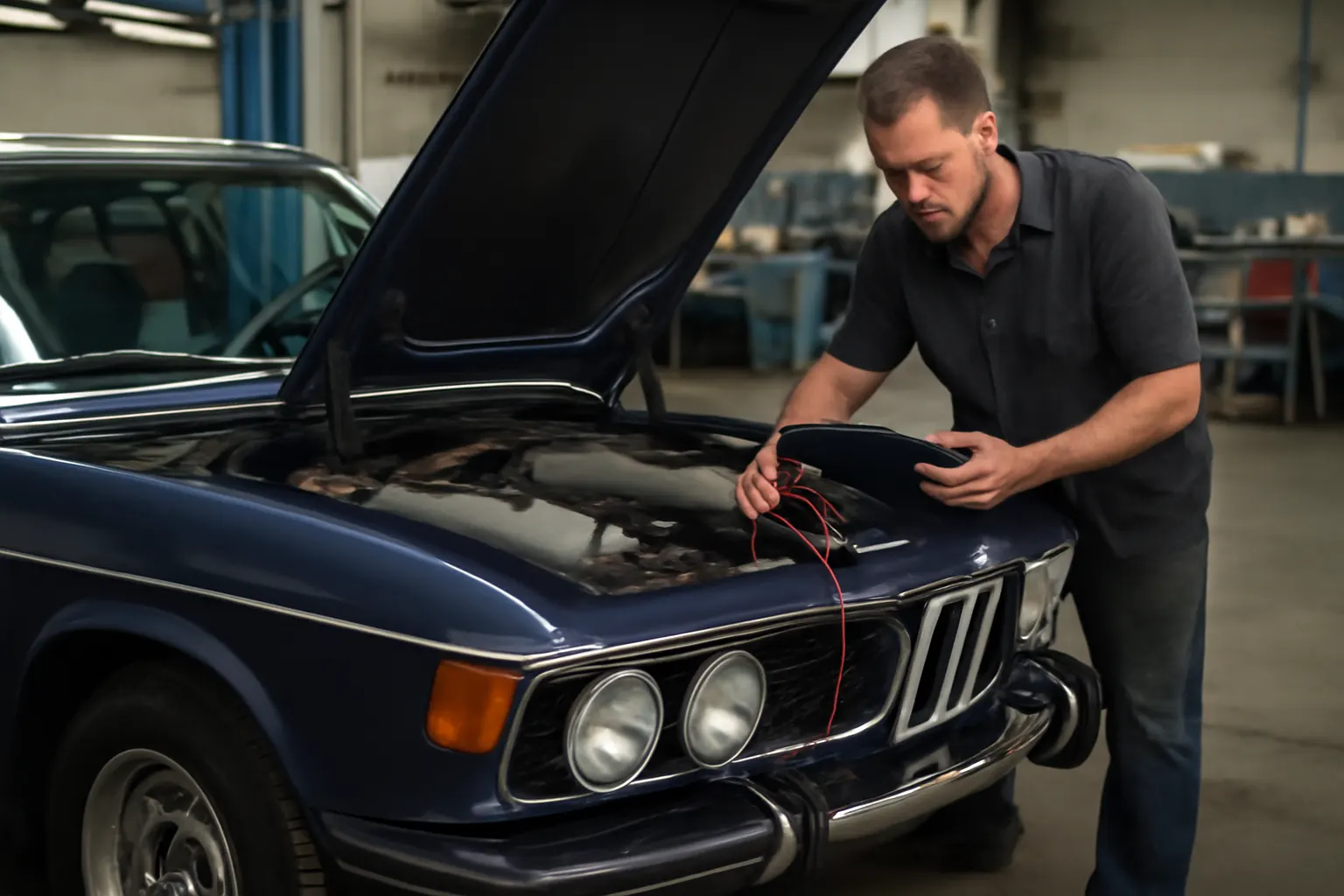
Bmw 2800 Restoration Case Study
Restoring a BMW 2800 is about more than bringing a classic back to life: it’s about carefully balancing modern reliability with the authentic, period-correct feel that makes this iconic sedan so engaging. In this in-depth case study, we’ll walk through the entire restoration process for a BMW 2800, outlining the critical decisions, parts sourcing strategies, and technical upgrades needed to ensure the car is both true to its heritage and capable of daily use. If you’re considering a similar project, or simply want to understand the intricacies of classic BMW restoration, this guide will provide the actionable insights and technical details you need.
For more on BMW 2800 parts coverage and model-specific fitment, see our BMW 2800 Auto Parts & Maintenance Guide.
Immediate Answer: How to Restore a BMW 2800 for Modern Reliability and Authenticity
To restore a BMW 2800 for modern reliability without sacrificing its period-correct driving dynamics and appearance, you need a methodical approach: begin with a comprehensive assessment, prioritize safety and mechanical reliability, use high-quality or OEM-spec components, and only update systems (such as brakes, ignition, and cooling) where modern upgrades enhance safety or reliability without compromising the original character. Cosmetic restoration should focus on authenticity—using correct materials, finishes, and detailing—while technical upgrades should be reversible and discreet. The result is a classic BMW that delivers both the tactile, analog experience enthusiasts crave and the dependability required for regular driving.
The Hidden Problem: Balancing Preservation with Practicality
While the restoration goal may seem straightforward, the real challenge lies in the tension between preservation and practicality. Classic BMWs like the 2800 (E3) were designed in an era before modern safety, emissions, and reliability standards. Many original components—especially in the electrical, braking, and cooling systems—are now obsolete, unreliable, or potentially unsafe by today’s standards. At the same time, overzealous modernization can strip a classic of its soul, erasing the tactile feedback and visual appeal that define the vintage BMW experience.
Owners must navigate a maze of parts sourcing, technical upgrades, and restoration decisions to create a car that is both enjoyable and dependable. The stakes are high: cut corners, and you risk breakdowns or safety issues; over-modernize, and you lose what made the BMW 2800 special in the first place.
Technical Deep Dive: The BMW 2800’s Unique Restoration Challenges
The BMW 2800, produced from 1968 to 1972, was a technical marvel in its day—featuring the legendary M30 inline-six engine, a robust rear-wheel-drive chassis, and elegant, understated styling. However, several technical challenges are common in restoration:
1. Engine and Drivetrain Wear
The M30 engine is renowned for its durability, but decades of use can lead to worn timing components, oil leaks, and degraded cooling systems. Carbureted versions are particularly sensitive to fuel quality and require careful tuning.
2. Electrical System Obsolescence
Original wiring insulation, connectors, and fuse boxes often suffer from age-related failures. Relays, switches, and dash instruments may be unreliable.
3. Braking and Suspension Limitations
While advanced for its era, the 2800’s original brakes and suspension bushings are not up to modern standards. Rubber bushings, brake hoses, and master cylinders degrade over time, reducing performance and safety.
4. Body and Materials Degradation
The E3 platform is vulnerable to rust in the rocker panels, wheel arches, and trunk floor. Original paint and chrome trim require specialized restoration techniques to maintain authenticity.
5. Interior and Cosmetic Fading
UV exposure and age wear down seat upholstery, dash pads, and wood trim. Sourcing correct materials is critical for a period-correct look.
Step 1: Comprehensive Assessment and Planning
Before turning a single wrench, start with a full diagnostic assessment. This process sets the foundation for a successful and efficient restoration.
Checklist: BMW 2800 Restoration Assessment
- Mechanical Inspection: Engine compression test, oil pressure, coolant leaks, transmission function, driveshaft and differential play.
- Electrical System Check: Battery health, wiring insulation, fuse and relay functionality, instrument panel operation.
- Brake and Suspension Review: Pad/disc condition, brake line integrity, bushing wear, shock absorber leaks, steering play.
- Rust and Body Analysis: Inspect rocker panels, floor pans, trunk, wheel arches, and subframe mounts for corrosion.
- Interior Condition: Seat frames, upholstery, dash cracks, wood trim, headliner, and switchgear function.
- Documentation Review: Service records, VIN verification, and any prior restoration or accident history.
Document all findings, prioritize safety-critical repairs, and set clear restoration goals: daily driver, show car, or period-correct weekend cruiser.
Step 2: Sourcing Parts—OEM, Aftermarket, and Remanufactured
Finding the right parts is often the most time-consuming aspect of classic BMW restoration. The key is to balance authenticity, quality, and availability.
OEM and NOS (New Old Stock) Parts
Whenever possible, use OEM or NOS parts for critical systems—especially engine internals, brakes, and suspension. These ensure correct fitment and preserve the car’s original driving feel.
Aftermarket Upgrades
Modern aftermarket components can improve reliability and safety. For example, upgraded ignition modules, improved cooling fans, or modern brake pads offer tangible benefits without altering the car’s character.
Remanufactured and Refurbished Parts
For rare or obsolete items (such as instrument clusters or carburetors), consider reputable remanufacturers. Ensure that any electrical or hydraulic components are rebuilt to a high standard and tested before installation.
Sourcing Tips
- Use trusted suppliers specializing in classic BMWs.
- Cross-reference part numbers with official diagrams (ETK).
- Inspect used or NOS parts for age-related degradation.
- Maintain a detailed parts log for future reference and resale value.
For more on fitment and sourcing, see our Classic Bmw Parts Fitment Article.
Step 3: Mechanical Restoration—Engine, Drivetrain, and Chassis
With parts in hand, tackle the mechanical systems systematically, prioritizing reliability and safety.
Engine Overhaul
- Timing Components: Replace timing chain, guides, and tensioners.
- Seals and Gaskets: Address all oil leaks (common at the rear main seal and valve cover).
- Cooling System: Install a new water pump, thermostat, and hoses. Consider upgrading to a modern aluminum radiator for better heat dissipation.
- Fuel System: Rebuild or replace carburetors/fuel injection components. Replace all fuel lines with ethanol-resistant hose.
- Ignition System: Upgrade to a modern electronic ignition module for more reliable starting and smoother idle.
Transmission and Driveline
- Transmission: Inspect synchros and bearings; replace clutch and pressure plate as needed.
- Driveshaft: Check for worn universal joints and center support bearings.
- Differential: Replace seals and inspect for excessive play or noise.
Chassis and Suspension
- Bushings: Replace all rubber suspension bushings with OEM or high-grade polyurethane.
- Shocks and Springs: Install new dampers (preferably matched to stock ride height and spring rates).
- Steering: Rebuild or replace steering box and tie rods for precise feedback.
Step 4: Safety Upgrades—Brakes, Lighting, and Restraints
Modernizing safety systems is essential, but it must be done discreetly to preserve the car’s period-correct appearance.
Braking System
- Discs and Pads: Upgrade to modern friction materials for improved stopping power.
- Brake Lines: Replace all rubber brake hoses with new, DOT-approved equivalents.
- Master Cylinder: Install a rebuilt or new master cylinder to eliminate spongy pedal feel.
- Calipers: Rebuild or replace as needed, ensuring proper piston movement and seal integrity.
Lighting
- Headlights: Fit halogen or LED bulbs in original housings for better visibility (ensure color temperature remains period-appropriate).
- Signal and Brake Lights: Clean all contacts, replace aged bulbs, and use dielectric grease to prevent corrosion.
Restraints
- Seatbelts: Replace with modern, retractable three-point belts if possible, using original mounting points.
- Child Seat Anchors: If family use is planned, discreetly add anchor points in the rear parcel shelf.
For more on safety equipment standards, consult Vehicle Safety and Equipment.
Step 5: Bodywork and Materials—Rust Repair, Paint, and Trim
Preserving the BMW 2800’s elegant lines requires careful bodywork and attention to materials.
Rust Repair
- Panel Replacement: Where rust is severe, cut out affected sections and weld in new panels.
- Surface Rust: Treat with rust converter and seal with epoxy primer.
- Underbody Protection: Apply modern rustproofing compounds to vulnerable areas, especially if the car will be driven in wet climates.
Paint and Chrome
- Paintwork: Use period-correct colors and finishes. Modern two-stage paints offer durability but can be color-matched to original single-stage hues.
- Chrome Trim: Rechrome or polish original pieces; avoid aftermarket replacements unless originals are unsalvageable.
Materials Technology
Advances in automotive materials mean restorers can use improved rust inhibitors, adhesives, and sealants without altering the car’s appearance. For more on materials technologies, see Materials Technologies.
Step 6: Interior Restoration—Upholstery, Dash, and Details
A period-correct interior is critical to the BMW 2800’s character.
Upholstery and Seating
- Seat Frames: Repair or reinforce as needed; replace foam and springs for comfort.
- Materials: Source original-spec vinyl, leather, or cloth. Reproduction kits are available but should be vetted for authenticity.
- Carpet and Headliner: Replace with color and texture-matched materials.
Dashboard and Instruments
- Dash Pad: Repair cracks using specialist fillers, or replace with a reproduction if available.
- Gauges: Rebuild or refurbish, ensuring accurate readings. Calibrate speedometer and tachometer to original specs.
- Switchgear: Clean, lubricate, and test all switches and knobs.
Wood and Trim
- Wood Veneer: Refinish with correct stains and lacquers, or replace with high-quality reproductions.
- Badges and Emblems: Restore original pieces where possible; avoid modern reproductions with incorrect fonts or finishes.
Step 7: Electrical System—Modern Reliability, Classic Feel
The BMW 2800’s electrical system is a common weak point. Upgrading for reliability is essential, but changes should be invisible to maintain authenticity.
Wiring Harness
- Inspection: Check for brittle insulation, corrosion, and poor repairs.
- Replacement: Use reproduction harnesses with correct wire colors and connectors.
- Fuses and Relays: Upgrade to modern equivalents hidden in the original fuse box.
Charging and Starting
- Alternator: Upgrade to a higher-output alternator if installing modern accessories (such as a stereo or auxiliary lighting).
- Starter Motor: Rebuild or replace for reliable cold starts.
Diagnostics
Add discreet diagnostic connectors or fuses to aid future troubleshooting, but keep all visible components period-correct.
Diagnostic and Maintenance Guidance
Once the restoration is complete, ongoing maintenance is key to preserving both reliability and authenticity.
BMW 2800 Post-Restoration Maintenance Checklist
- Fluids: Use high-zinc engine oil for flat-tappet cams, DOT4 brake fluid, and BMW-approved coolant.
- Torque Checks: Retorque cylinder head, suspension, and drivetrain bolts after initial shakedown.
- Electrical: Inspect grounds and connectors annually; keep battery terminals clean.
- Body Care: Wax regularly, check for new rust spots, and clean drain holes.
- Mechanical: Adjust valves every 10,000 miles, check ignition timing, and balance carburetors or fuel injection as needed.
- Documentation: Keep detailed service records, including mileage, parts used, and settings.
For a deeper dive into BMW 2800 maintenance, see our Bmw 2800 Maintenance Guide.
Modern Efficiency: Engine, Drivetrain, and Fuel Upgrades
While outright fuel efficiency may not be the primary goal, several upgrades can improve both economy and drivability:
- Electronic Ignition: Provides more precise spark timing and better cold starts.
- Carburetor Rebuilds or EFI Conversion: Properly tuned carburetors can deliver reasonable economy, but a hidden EFI conversion can offer modern efficiency without visible changes.
- Lightweight Materials: Use modern materials for exhaust and cooling components to reduce weight and improve performance.
For more on efficiency technologies, see Fuel Efficiency.
Test Drives, Tuning, and Shakedown
After assembly, a careful shakedown period is essential:
- Initial Startup: Monitor oil pressure, coolant temperature, and charging voltage.
- Short Drives: Start with short trips, listening for unusual noises or vibrations.
- Tuning: Adjust ignition timing, carburetor balance, and idle speed for smooth operation.
- Brake Bedding: Follow modern bedding procedures for new pads and rotors.
- Suspension Settling: Recheck ride height and alignment after 500 miles.
Document all findings, address any emerging issues, and retorque critical fasteners.
Preserving Value: Documentation and Provenance
A well-documented restoration not only preserves the car’s value but also aids future maintenance:
- Photographic Record: Take before, during, and after photos of all major systems.
- Parts Log: Record part numbers, sources, and installation dates.
- Service Manual Annotations: Note any deviations from factory specs.
- Ownership Records: Keep copies of titles, previous registrations, and major receipts.
AutoPartEx Positioning: Your Partner in Classic BMW Restoration
At AutoPartEx, we understand the unique challenges of restoring classic BMWs. Our curated catalog of OEM, aftermarket, and remanufactured parts for the BMW 2800 is designed to support both authenticity and modern reliability. Whether you’re sourcing rare trim pieces or upgrading your braking system, our technical experts and comprehensive fitment data ensure you get the right parts the first time.
For more on model-specific parts and fitment guidance, visit our BMW 2800 Auto Parts & Maintenance Guide. For technical details on the legendary M30 engine, see our Bmw M30 Engine Service Guide.
Expert Action: Start Your BMW 2800 Restoration Journey
Restoring a BMW 2800 to its former glory is a rewarding, technically demanding project that requires careful planning, quality parts, and a commitment to authenticity. By following the detailed process outlined above—comprehensive assessment, careful sourcing, systematic mechanical and cosmetic restoration, and ongoing maintenance—you can create a classic BMW that is both true to its roots and ready for modern roads.
If you’re ready to begin your own BMW 2800 restoration, AutoPartEx is here to help with expert advice, parts sourcing, and technical resources. Start your journey today and experience the best of both worlds: classic BMW character and modern reliability.