
Bmw 2500 Maintenance Blog
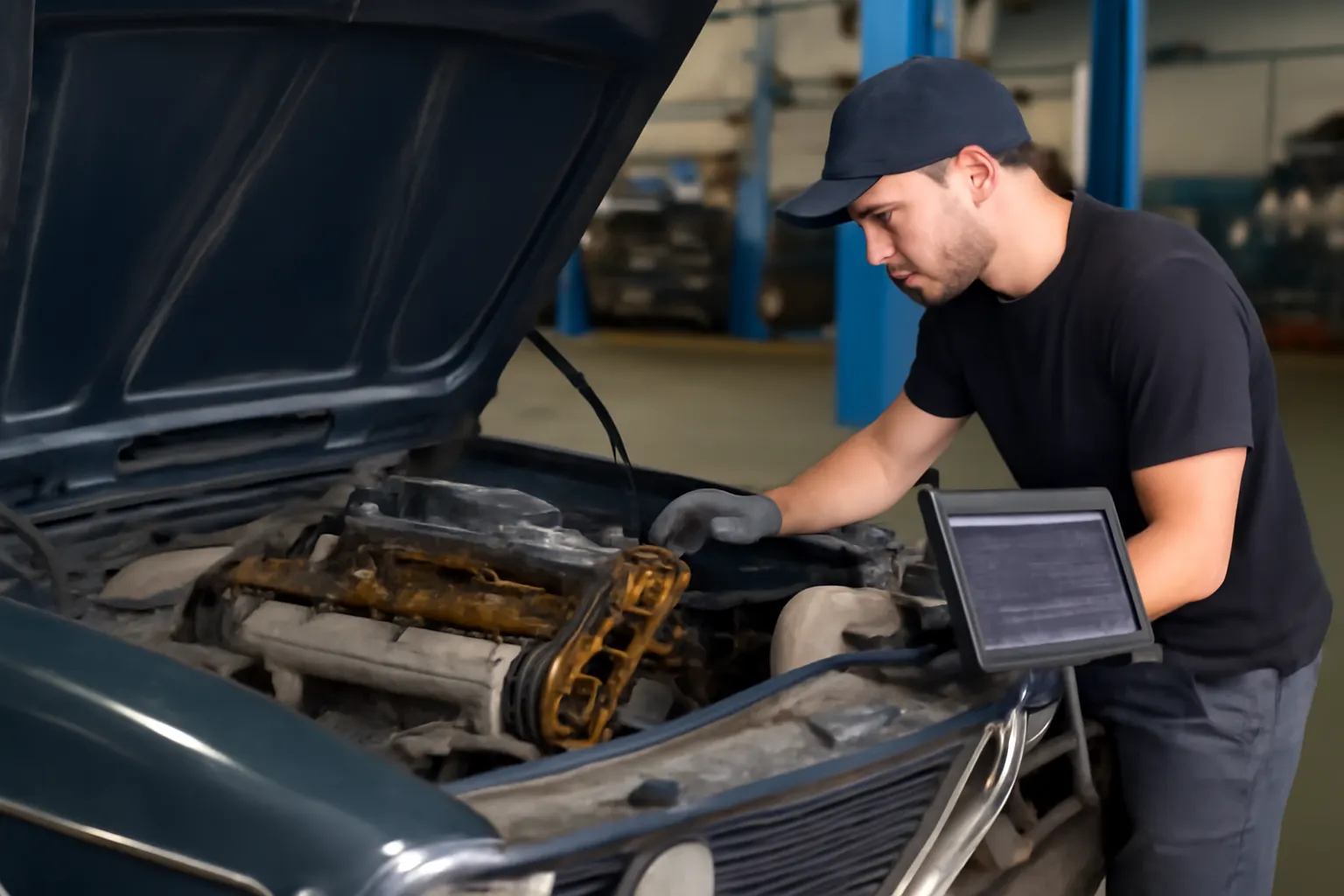
Maintaining a BMW 2500—especially the E3 platform—requires a blend of technical know-how, attention to detail, and access to reliable parts. Whether you're restoring a classic or keeping a daily driver in peak condition, understanding core maintenance routines like timing chain service and cooling system restoration is essential for preserving performance, safety, and value. This comprehensive guide delivers actionable insights, step-by-step maintenance checklists, and expert tips tailored to the BMW 2500, all grounded in industry standards and verified technical sources.
For a complete selection of model-specific components and further maintenance resources, visit our BMW 2500 Auto Parts & Model-Specific Maintenance | AutoPartEx category page.
Why BMW 2500 Maintenance Demands Special Attention
The BMW 2500, a cornerstone of the E3 platform, stands out for its engineering sophistication, robust inline-six engine, and distinctive European styling. However, these same characteristics introduce unique maintenance challenges. Owners and technicians often encounter issues not found in more modern or mainstream vehicles, including timing chain wear, complex cooling circuits, and legacy safety standards. Overlooking these areas can lead to significant reliability and safety risks.
The Immediate Value of Proactive Service
Proactive maintenance is not just about longevity—it’s about safety, fuel efficiency, and driving enjoyment. The National Highway Traffic Safety Administration (NHTSA) highlights the direct link between equipment condition and vehicle safety, especially in vintage models where original parts may have aged beyond their reliable service life [NHTSA Equipment]. For the BMW 2500, timely attention to high-wear items like the timing chain, water pump, and braking system can prevent catastrophic failures and costly repairs.
Hidden Problems: Legacy Issues That Lurk Beneath the Surface
While the BMW 2500 is celebrated for its engineering, age-related issues often remain hidden until they escalate. Many owners, especially those new to classic European vehicles, underestimate the extent of deferred maintenance and the impact of outdated safety equipment.
Timing Chain Wear and Engine Damage
The M30 engine’s double-row timing chain is robust, but decades of use and infrequent oil changes accelerate wear. A stretched or noisy chain can skip teeth, causing valve timing errors or, in severe cases, catastrophic engine damage. Because the timing chain is not a routine service item in many modern cars, its critical role is often overlooked by new owners.
Cooling System Degradation
Original radiators, hoses, and water pumps are prone to corrosion and blockage. Even minor leaks can cause overheating, which is especially damaging to aluminum cylinder heads. The E3’s cooling system, with its complex routing, is particularly sensitive to pressure loss and coolant contamination.
Brake and Suspension Safety
Outdated brake hoses, worn master cylinders, and degraded bushings compromise stopping power and handling. The NHTSA’s safety advisories emphasize the importance of regular inspection and replacement of these components on vehicles of this vintage [NHTSA Equipment].
Technical Deep Dive: Understanding BMW 2500 Maintenance Complexity
To maintain a BMW 2500 effectively, it’s vital to understand the platform’s unique technical characteristics and common failure points.
The M30 Engine: A Classic Powerplant with Modern Demands
The M30 inline-six is renowned for its smoothness and durability, but it demands clean oil and precise timing. The chain-driven camshaft and rocker arms are sensitive to lubrication quality, and valve adjustment is a regular necessity. Unlike timing belts, which have fixed service intervals, timing chains require careful monitoring for noise and slack.
Cooling System Architecture
The E3’s cooling system features a front-mounted radiator, mechanical fan clutch, thermostat housing, and a network of hoses that circulate coolant through the block and heater core. Age-related scaling and corrosion are common, especially if coolant changes have been neglected.
Braking and Suspension Engineering
BMW’s E3 platform introduced advanced features for its time, including disc front brakes and semi-trailing arm rear suspension. However, rubber components degrade, and brake hydraulics can fail internally, leading to loss of pedal feel or uneven braking.
Essential Maintenance Checklist for BMW 2500 Owners
A structured approach to maintenance ensures nothing vital is overlooked. Use the following checklist as a foundation for your BMW 2500 service routine:
| System | Key Tasks | Frequency/Notes |
|---|---|---|
| Engine Oil | Change oil and filter | Every 3,000–5,000 miles or annually |
| Timing Chain | Inspect for slack, noise; replace guides as needed | Every 60,000 miles or if symptoms occur |
| Valve Adjustment | Adjust valve lash | Every 10,000–15,000 miles |
| Cooling System | Flush coolant, inspect hoses, check water pump | Every 2 years; replace hoses every 5 years |
| Brakes | Inspect pads, discs, hoses; flush brake fluid | Annually; fluid every 2 years |
| Suspension | Check bushings, ball joints, shocks | Every 15,000 miles or as needed |
| Fuel System | Replace filters, inspect lines | Every 15,000 miles |
| Electrical | Test battery, alternator, inspect wiring | Annually |
| Drivetrain | Inspect driveshaft, U-joints, differential fluid | Every 30,000 miles |
Diagnosing Timing Chain Problems: What to Listen and Look For
Timing chain issues are among the most critical problems facing BMW 2500 owners. Early diagnosis can prevent engine failure and costly repairs.
Audible and Visual Symptoms
- Rattling on Cold Start: A metallic rattle from the front of the engine, especially on startup, often signals timing chain slack.
- Erratic Idle or Misfire: Chain wear can cause camshaft timing errors, leading to rough running.
- Oil Sludge or Metal Debris: Contaminated oil with metallic particles may indicate chain or guide wear.
Inspection Steps
- Remove Valve Cover: Inspect the chain tension and guide wear.
- Check Cam Timing Marks: Confirm proper alignment at TDC.
- Measure Chain Stretch: Specialized tools can quantify elongation.
If you’re new to this procedure, consult our Bmw E3 Timing Chain Guide for detailed steps and photos.
Cooling System Restoration: Preventing Overheating Catastrophes
Cooling system failures are a leading cause of engine damage in classic BMWs. Restoring the system involves more than just replacing coolant—comprehensive inspection and component replacement are crucial.
Restoration Steps
- Pressure Test the System: Identify leaks at hoses, radiator, and water pump.
- Flush and Inspect: Remove old coolant, flush with distilled water, and inspect for rust or contamination.
- Replace Aged Components: Old radiators, thermostats, and hoses should be replaced with high-quality parts.
- Check Fan Clutch Operation: Ensure the mechanical fan engages at the correct temperature.
Preventive Upgrades
Consider upgrading to modern silicone hoses and high-flow water pumps for improved reliability. Always use coolant compatible with aluminum components to prevent galvanic corrosion.
Brake System Service: Safety First
Braking performance is a non-negotiable aspect of classic car safety. The BMW 2500’s original braking system, though advanced for its era, requires regular attention to maintain modern standards.
Key Service Points
- Inspect Brake Hoses: Look for cracks, swelling, or leaks. Replace with DOT-approved hoses.
- Flush Brake Fluid: Old fluid absorbs moisture, reducing braking effectiveness and corroding internal components.
- Check Pads and Rotors: Uneven wear or scoring indicates the need for replacement.
- Test Master Cylinder: A spongy pedal or fluid loss may signal internal leaks.
For a technical breakdown of E3 braking systems, see our E3 Brake Guide.
Suspension and Steering: Handling and Ride Quality
A well-maintained suspension preserves the BMW 2500’s legendary ride and handling. Degraded bushings and worn shocks compromise both safety and comfort.
Service Recommendations
- Inspect All Bushings: Replace any that are cracked or deformed. Polyurethane upgrades are available for longevity.
- Check Ball Joints and Tie Rods: Play or looseness affects steering precision.
- Replace Shocks and Struts: Original dampers lose effectiveness over time, leading to excessive body roll.
Regularly aligning the suspension after component replacement ensures optimal tire wear and handling.
Sourcing Quality BMW 2500 Parts: What to Look For
Finding the right parts for a BMW 2500 can be challenging due to its age and limited aftermarket support. Prioritize quality and fitment to ensure reliability and safety.
Sourcing Tips
- OEM vs. Aftermarket: Whenever possible, select OEM or OE-supplier parts. Aftermarket options vary in quality—research brands and reviews.
- Check for Recalls: Before installing any part, verify against current NHTSA recalls to avoid known defects [NHTSA Recalls].
- Inspect Packaging and Markings: Genuine parts typically have manufacturer markings and part numbers.
For a curated list of BMW 2500-compatible components, refer to our BMW 2500 Auto Parts & Model-Specific Maintenance | AutoPartEx page.
Fuel Efficiency and Engine Health: Keeping the M30 Running Strong
Proper maintenance directly impacts fuel efficiency and emissions. The U.S. Department of Energy underscores the importance of regular service for optimal fuel economy [DOE Fuel Efficiency].
Maintenance for Efficiency
- Keep Ignition Components Fresh: Old plugs, wires, and distributors reduce combustion efficiency.
- Maintain Clean Filters: Air and fuel filters should be changed regularly to prevent restriction.
- Monitor for Vacuum Leaks: Unmetered air can cause lean running and poor mileage.
A well-maintained BMW 2500 can deliver performance and efficiency that rivals newer vehicles, provided all systems are in top condition.
Restoring Electrical Reliability in Classic BMWs
Electrical issues are common in vintage vehicles due to aging wiring and outdated components.
Steps for Reliable Operation
- Inspect Wiring Harnesses: Look for brittle insulation or corroded connectors.
- Upgrade Grounds: Poor grounding is a frequent source of electrical gremlins.
- Test Charging System: Ensure the alternator and voltage regulator are functioning correctly.
Replacing high-resistance connections and upgrading fuses can prevent many common failures.
Modern Safety Upgrades for the BMW 2500
While maintaining originality is important to many owners, select safety upgrades can significantly improve protection without compromising classic appeal.
Recommended Upgrades
- Seat Belts: Replace worn belts with modern, retractable units that meet current safety standards.
- Lighting: Upgrade to halogen or LED bulbs for improved visibility.
- Tire Selection: Use modern tires with appropriate speed and load ratings.
Consult the NHTSA’s equipment guidelines for recommended safety improvements [NHTSA Equipment].
Maintenance Documentation: The Value of Detailed Records
Keeping thorough maintenance records not only helps track service intervals but also adds value and credibility to your BMW 2500. Detailed logs should include:
- Date and Mileage of Each Service
- Part Numbers and Suppliers
- Notes on Observed Issues or Upgrades
Well-documented vehicles command higher resale values and reassure future owners or technicians.
AutoPartEx: Your Partner for BMW 2500 Parts and Expertise
At AutoPartEx, we specialize in sourcing, vetting, and supplying high-quality parts tailored to the unique needs of the BMW 2500 and other classic European models. Our editorial resources, such as this blog and our Bmw E3 Platform History, are designed to empower owners with actionable guidance and technical clarity.
Whether you’re undertaking a full restoration or routine maintenance, our curated inventory and technical guides ensure you have the right parts and information for the job. Explore our BMW 2500 Auto Parts & Model-Specific Maintenance | AutoPartEx hub for the latest in parts availability, fitment tips, and maintenance strategies.
Expert Call to Action
Don’t wait for warning signs—adopt a proactive maintenance mindset. Start with a comprehensive inspection using the checklist provided above. Prioritize timing chain and cooling system service, verify the condition of all safety-critical components, and keep detailed records of your work. When sourcing parts, rely on trusted suppliers like AutoPartEx for proven fitment and durability. For in-depth technical procedures, consult our linked guides and join the community of enthusiasts dedicated to preserving the BMW 2500 legacy.