
Advertisement
Bmw 1m Common Issues Blog
The BMW 1M Coupe is revered for its raw performance, agile chassis, and limited production exclusivity. Yet, even this sought-after icon is not immune to a handful of common technical issues. Owners and prospective buyers should be aware of known trouble spots—especially turbocharger failures, high-pressure fuel pump (HPFP) breakdowns, and carbon buildup in the intake system. This guide delivers an in-depth technical analysis of these core issues, with practical diagnostics, owner stories, and proven solution paths. If you’re seeking reliable BMW 1M Auto Parts & Technical Maintenance Resource, this blog is your authoritative starting point.
The Immediate Answer: BMW 1M’s Most Common Issues
BMW’s 1M is powered by the N54 twin-turbo inline-six, a celebrated engine but one that inherits several systemic weaknesses from its 335i and 135i siblings. The most frequently reported problems in the 1M community are:
- Turbocharger wastegate rattle and failure
- High-pressure fuel pump (HPFP) failure
- Carbon buildup on intake valves (direct injection)
- Electric water pump failure
- Vanos solenoid and sensor issues
- Chargepipe and intercooler leaks
- Thermostat and cooling system failures
- Oil leaks from valve cover and oil filter housing gaskets
These issues, while not universal, are well-documented across enthusiast forums, technical bulletins, and NHTSA databases. Addressing them proactively can extend the lifespan and reliability of your 1M.
The Hidden Problem: Why 1M Issues Are Often Overlooked
Despite their frequency, 1M issues are often misdiagnosed or ignored until they escalate. The car’s limited production (approximately 6,300 units worldwide) means fewer case studies and less mainstream technical coverage. Many owners, enamored by the car’s performance, may overlook early warning signs—especially when symptoms are subtle, such as minor wastegate rattles or intermittent fuel cutouts.
Additionally, the 1M’s robust chassis and high-quality materials can create a false sense of overall mechanical invulnerability. But as the vehicle ages, especially with spirited driving or track use, these hidden issues become increasingly prominent.
Turbocharger Troubles: Wastegate Rattle and Failure
Understanding the Problem
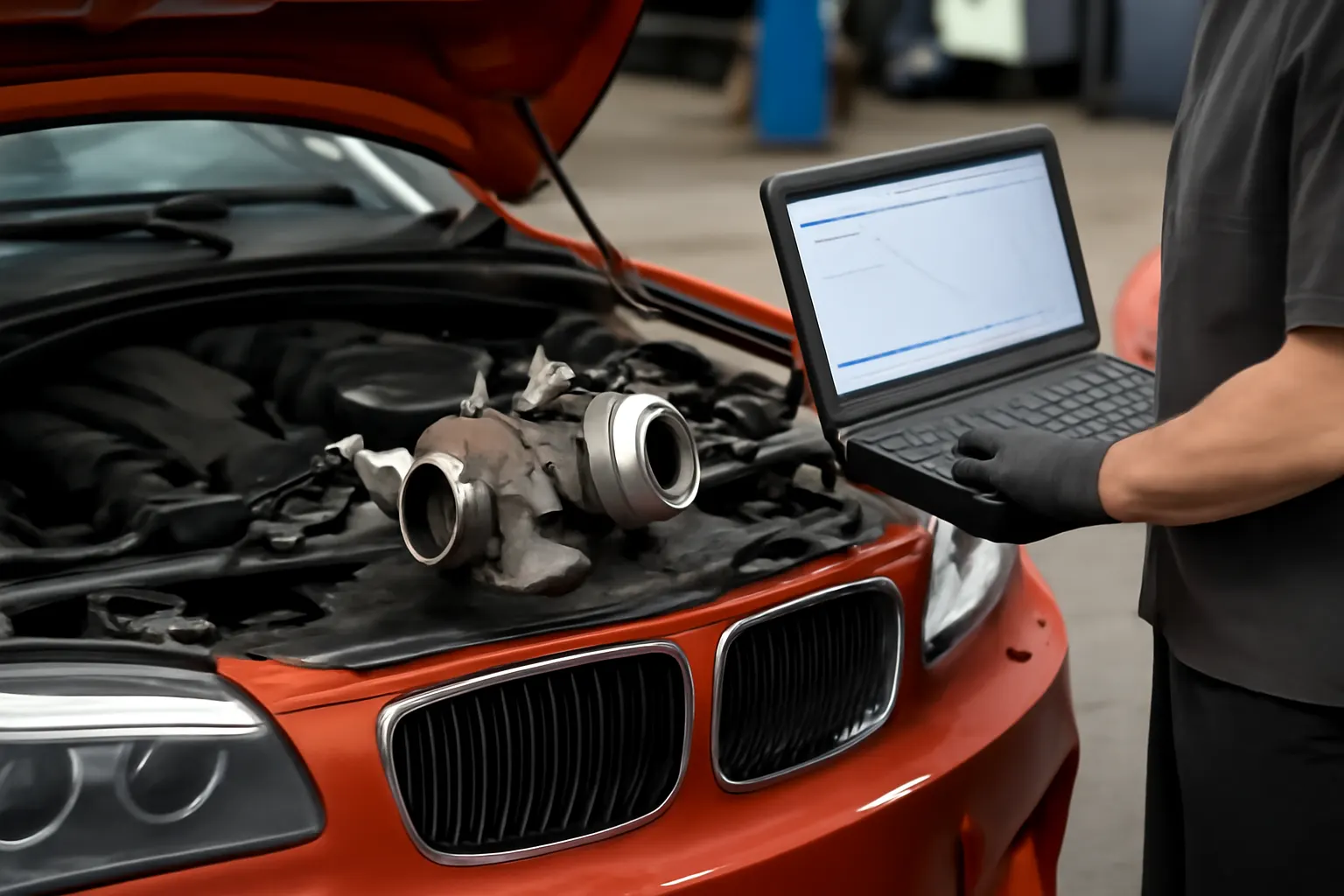
The N54’s twin turbochargers are a marvel of compact, responsive power delivery—but they are also prone to wastegate actuator wear. The most common symptom is a metallic “rattle” at idle and low RPM, which gradually worsens over time. If left unchecked, this can progress to boost loss, check engine lights, and ultimately turbocharger replacement.
Technical Explanation
The wastegate actuator controls exhaust flow through the turbo. Over time, the actuator rod and bushing develop play, resulting in the rattle. This is a mechanical wear issue, exacerbated by heat cycles and aggressive driving. Eventually, the wastegate may not seal properly, causing boost leaks and poor performance.
Diagnostic Steps
- Listen for rattle at cold start and low RPM
- Monitor for check engine codes (e.g., P0299, underboost)
- Check for erratic boost delivery or loss of power
Some owners report the rattle as early as 30,000 miles, while others experience it much later. The issue is so prevalent that BMW issued technical service bulletins and, in some cases, extended turbocharger warranties for N54-powered vehicles.
High-Pressure Fuel Pump (HPFP) Failure
Owner Experiences
Few issues are as notorious in the N54 community as HPFP failure. Symptoms include long cranks, sudden loss of power, limp mode activation, and engine warning lights. Many 1M owners have faced multiple HPFP replacements, sometimes within relatively low mileage intervals.
Technical Background
The HPFP supplies the extremely high fuel pressures required for direct injection. Internal wear, contamination, or electronic failures can cause the pump to malfunction, starving the engine of fuel under load. This not only affects performance but can also lead to dangerous stalling incidents.
Diagnostic Checklist
- Long crank times, especially on cold starts
- Sudden power loss at wide-open throttle
- Check engine codes (e.g., 2FBF, 2FBA, 29DC)
- Fuel pressure readings below specification
BMW has addressed HPFP issues with revised part numbers and, in some markets, extended warranties. However, replacement with the latest design is the only permanent solution.
Advertisement
Carbon Buildup on Intake Valves
The Direct Injection Drawback
Direct injection engines like the N54 deliver fuel directly into the combustion chamber, bypassing the intake valves. This design improves power and efficiency but allows oil vapors and blow-by gases to accumulate on the valves, forming stubborn carbon deposits.
Symptoms and Risks
- Rough idle and misfires
- Loss of power, especially at higher RPMs
- Poor fuel economy
- Check engine codes (e.g., misfire or lean mixture codes)
If left untreated, severe buildup can cause persistent misfires and power loss.
Solution: Walnut Blasting
The most effective solution is walnut shell blasting—a process where crushed walnut shells are blasted at the intake valves to remove carbon. Most experts recommend this service every 40,000 to 60,000 miles, depending on driving style and oil consumption.
Cooling System Vulnerabilities
Electric Water Pump and Thermostat
The 1M’s cooling system relies on an electric water pump and electronically controlled thermostat, both of which are common failure points. Owners report abrupt pump failures, often with little warning, resulting in overheating and potential engine damage.
Symptoms:
- Warning lights for overheating
- Coolant leaks or low coolant warnings
- Fan running at maximum speed
- Check engine codes (e.g., 2E81, 2E82)
Preventive Action
Replace the water pump and thermostat proactively every 60,000 to 80,000 miles, or at the first sign of irregular coolant temperature readings. Use only high-quality replacement parts that meet or exceed OEM specifications.
Vanos Solenoid and Sensor Issues
What Is Vanos?
BMW’s Vanos system is a variable valve timing technology that optimizes performance and efficiency. In the N54, two solenoids control the intake and exhaust cam timing.
Common Problems
- Oil contamination causing solenoid sticking
- Electrical failure of solenoids or sensors
- Rough idle, loss of power, or check engine lights
Diagnostic and Maintenance Steps
- Regular oil changes with high-quality synthetic oil
- Periodic cleaning or replacement of Vanos solenoids
- Scan for codes (e.g., 2A82, 2A87) related to Vanos operation
Chargepipe, Intercooler, and Boost Leak Weaknesses
Chargepipe Failure
The factory plastic chargepipe is a known weak point, especially on tuned or tracked 1Ms. Under boost, it can crack or split, resulting in sudden loss of power and a loud hissing noise.
Upgrade Path: Replace with an aluminum or reinforced aftermarket chargepipe to eliminate this risk.
Intercooler Leaks
Stock intercoolers can develop end tank leaks, especially after repeated heat cycles. Symptoms include reduced boost, higher intake air temperatures, and decreased performance.
Preventive Maintenance: Inspect intercooler connections and upgrade to a performance intercooler if tracking or tuning your 1M.
Gasket and Oil Leak Issues
Valve Cover and Oil Filter Housing Gaskets
Aging gaskets are a common source of oil leaks on the N54. The valve cover gasket can leak onto the exhaust manifold, causing burning oil smells and potential fire risk. The oil filter housing gasket can leak onto the serpentine belt, risking belt slippage or failure.
Symptoms:
- Visible oil around the valve cover or oil filter housing
- Burning oil smell from engine bay
- Low oil level warnings
When to Replace
Inspect gaskets at every major service interval (every 30,000 miles) and replace at the first sign of seepage.
Owner Stories: Real-World Solutions and Lessons Learned
Turbocharger Rattle: One Owner’s Journey
Mark, a 2012 1M owner, noticed a faint rattle at idle around 35,000 miles. At first, he dismissed it as normal engine noise, but the sound grew louder over the next 10,000 miles. A local BMW specialist confirmed wastegate play and recommended turbo replacement. Mark opted for upgraded turbos with reinforced actuators, resolving the issue and adding peace of mind for future track days.
HPFP Failure in the Wild
Lisa’s 1M went into limp mode on a spirited mountain drive, displaying a check engine light and struggling to maintain power. Diagnostic codes pointed to HPFP failure. Her dealer replaced the pump under goodwill, and she now carries a Bluetooth OBD2 scanner to monitor fuel pressures and catch issues early.
Advertisement
Tackling Carbon Buildup
After experiencing rough idle and occasional misfires, Tom scheduled a walnut blasting service at 55,000 miles. The difference in throttle response and smoothness was immediately noticeable. He now includes intake cleaning as part of his regular maintenance routine.
Diagnostic Checklist: BMW 1M Common Issues
Use this checklist to monitor your 1M for early signs of trouble:
| Symptom | Possible Issue | Diagnostic Action |
|---|---|---|
| Metallic rattle at idle | Turbo wastegate wear | Listen at cold start, inspect actuator play |
| Long crank, limp mode | HPFP failure | Scan for codes, check fuel pressure |
| Rough idle, misfire | Carbon buildup, Vanos issue | Scan for codes, inspect intake valves |
| Sudden power loss, hissing | Chargepipe or intercooler leak | Inspect piping, pressure test |
| Overheating warning | Water pump or thermostat failure | Check coolant level, scan for codes |
| Oil smell, visible leaks | Valve cover or oil filter gasket | Visual inspection, monitor oil levels |
Sourcing Reliable BMW 1M Parts
When addressing these common issues, sourcing high-quality replacement parts is critical. The 1M’s performance demands parts that meet or exceed OEM standards. Substandard components can cause repeat failures or even new problems.
Where to Source
- OEM or Genuine BMW Parts: Ensure compatibility and factory-level reliability.
- Reputable Aftermarket Brands: For upgrades (e.g., forged chargepipes, performance intercoolers), select brands with proven track records in the BMW community.
- Certified Suppliers: Use trusted sources like AutoPartEx, which specializes in model-specific fitment and technical support.
Installation Tips
- Professional Installation: For complex jobs (turbo replacement, walnut blasting), use a BMW specialist.
- DIY-Friendly Repairs: Gasket replacements, Vanos solenoid swaps, and chargepipe upgrades can be performed by experienced DIYers with proper tools and guides.
Maintenance Strategies for Longevity
Preventive maintenance is the best defense against the 1M’s most common issues. The following strategies are recommended:
- Oil Changes: Use BMW LL-01 approved synthetic oils every 5,000 to 7,500 miles, not the factory’s extended interval.
- Cooling System Service: Replace water pump and thermostat every 60,000–80,000 miles.
- Intake Cleaning: Schedule walnut blasting every 40,000–60,000 miles.
- Component Inspections: Inspect chargepipes, intercooler, and gaskets at every service.
- Fuel System Monitoring: Use diagnostic tools to monitor HPFP and injector performance.
For a full maintenance schedule, refer to the Bmw 1m Maintenance Guide.
Proactive Upgrades: Preventing Repeat Failures
Many 1M owners choose to upgrade vulnerable components rather than simply replace them. Popular preventive upgrades include:
- Aluminum chargepipes and upgraded intercoolers
- Aftermarket turbochargers with improved wastegate designs
- Revised HPFP units
- Catch cans to reduce carbon buildup
These upgrades not only resolve common failures but can also improve performance and reliability, especially for track-driven or tuned 1Ms.
Safety, Recalls, and Regulatory Compliance
It’s essential to ensure that any repairs or upgrades maintain the safety and regulatory compliance of your 1M. The National Highway Traffic Safety Administration provides recall information and equipment standards relevant to all vehicles, including the 1M. Before purchasing aftermarket parts, verify that they meet or exceed federal safety and equipment regulations. NHTSA’s Equipment Resource is an excellent reference for checking compliance.
Buying a Used 1M: What to Check
If you’re shopping for a used BMW 1M, focus your pre-purchase inspection on the issues outlined above. A comprehensive checklist can prevent costly surprises:
- Request service records for HPFP, turbo, and cooling system replacements
- Check for evidence of walnut blasting or intake cleaning
- Inspect for oil leaks and check engine lights
- Listen for turbo rattle and test for smooth power delivery
- Scan for stored engine codes
For a detailed pre-purchase process, see the Bmw 1m Buying Checklist.
AutoPartEx Expertise: Your BMW 1M Technical Resource
AutoPartEx is committed to supporting BMW 1M owners and enthusiasts with up-to-date technical guidance, high-quality parts sourcing, and model-specific maintenance resources. Our editorial team leverages verified government and industry sources to ensure every recommendation is grounded in best practices and regulatory standards.
Explore our BMW 1M Auto Parts & Technical Maintenance Resource for curated parts listings, technical guides, and further reading on suspension, maintenance, and upgrade strategies.
References
Advertisement