
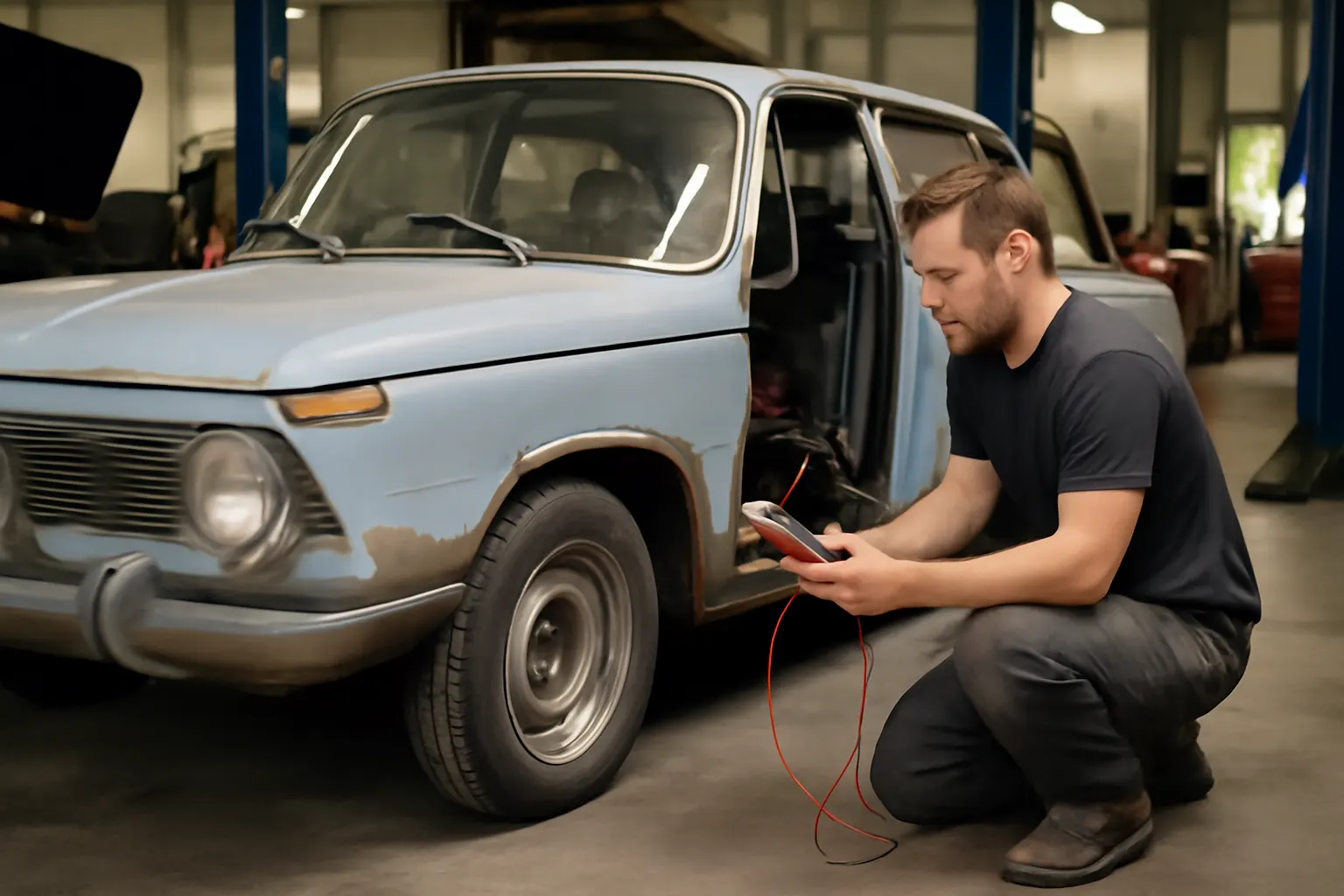
Bmw 1800 Restoration Case Study
Restoring a classic BMW 1800 is more than a passion project—it’s a journey through automotive history, mechanical engineering, and the realities of aging metal and wiring. For owners and enthusiasts, understanding the real-world challenges and successes of BMW 1800 revivals provides essential guidance for tackling your own restoration. This case study draws directly from shop floors, focusing on rust repair, electrical troubleshooting, and the critical parts-sourcing decisions that define a successful project.
If you’re seeking in-depth technical support, sourcing advice, or fitment guides, start with our BMW 1800 Parts & Maintenance Guide: Service, Fitment, and Sourcing Essentials for foundational knowledge. In this article, we’ll walk you through the practical details of a BMW 1800 restoration, revealing the hidden pitfalls and expert solutions that separate a showpiece revival from a stalled project.
The Immediate Realities: What a BMW 1800 Restoration Entails
Taking on a BMW 1800 restoration is a commitment to authenticity, safety, and performance. The BMW 1800, a pillar of the “New Class” sedans, is renowned for its robust M10 engine, direct steering, and timeless design. However, decades of exposure and use mean every restoration faces immediate, non-negotiable issues:
- Structural rust, especially in the floor pans, sills, and subframes.
- Outdated or failing electrical systems, including brittle wiring and unreliable connections.
- Scarcity of original or high-quality reproduction parts.
- The need to balance period-correct restoration with modern safety and reliability standards.
For most projects, the first 60 days focus on thorough inspection, parts cataloging, and establishing a realistic restoration roadmap.
Hidden Problems: What Most BMW 1800 Restorers Underestimate
Many BMW 1800 owners enter restoration with an eye for aesthetics—paint, upholstery, trim—but the most costly and time-consuming issues are often invisible at first glance. Even seasoned enthusiasts can underestimate:
- The extent of corrosion beneath undercoating or paint, especially in structural locations.
- Complications from prior poor-quality repairs (incorrect welding, mismatched panels, non-OEM wiring).
- The challenge of diagnosing intermittent electrical faults caused by aged connectors or insulation.
- The domino effect: replacing a single component often uncovers adjacent issues, especially in the drivetrain and suspension.
Thorough disassembly and methodical documentation are vital. Overlooking hidden rust or wiring problems at this stage risks safety and can double labor if you must revisit the same area later.
Digging Deeper: Technical Challenges in BMW 1800 Revivals
1. Rust Repair: Beyond the Surface
BMW 1800s are notorious for rust in the following areas:
- Front and rear floor pans
- Inner and outer sills (rockers)
- Wheel arches and shock towers
- Trunk floor and spare tire well
- Lower door skins and A-pillar bases
The technical challenge lies in identifying structural versus cosmetic rust. Surface rust can often be treated and sealed, but perforation in load-bearing areas requires cut-out and fabrication. High-tensile steel panels were used in many areas, so correct material selection is crucial for structural integrity and safety compliance (DOE Materials Technologies).
2. Electrical Troubleshooting: The Achilles’ Heel
The original BMW 1800 wiring harnesses used rubber and cotton insulation, which degrades over decades. Common issues include:
- Brittle, cracked insulation leading to shorts
- Corroded terminals and fuse boxes
- Inconsistent ground paths causing intermittent faults
- Outdated fuses and relays incompatible with modern replacements
Systematic troubleshooting is critical. Start with a full continuity check, followed by cleaning or replacing terminals, and—if necessary—fabricating new harness sections to match the original wiring diagrams.
3. Parts Sourcing: Navigating Scarcity and Authenticity
Restorers face a rapidly shrinking pool of genuine BMW 1800 parts. Key issues include:
- Discontinued OEM components, especially body panels and trim
- Variable quality in aftermarket reproduction parts
- Fitment discrepancies between model years and regional variants
A successful parts strategy blends sourcing from reputable specialists, cross-referencing part numbers, and—when possible—refurbishing original components. For compatibility tips, see our Classic Bmw Parts Compatibility resource.
Case Study: Step-by-Step BMW 1800 Shop Restoration
Let’s walk through a real-world BMW 1800 restoration, focusing on the most common and impactful challenges.
Step 1: Initial Assessment and Disassembly
- Visual inspection: Document rust, previous repairs, missing parts.
- Compression and leak-down tests: Assess engine health.
- Electrical system baseline: Check for live circuits, shorts, and battery drain.
- Disassembly: Remove trim, seats, carpets, and drivetrain for full access.
A detailed photo log and parts catalog are essential. Label every fastener and connector to avoid confusion during reassembly.
Step 2: Rust Repair and Structural Integrity
- Floor pans and sills: Cut out perforated sections. Fabricate or source replacement panels. Weld in using period-correct methods and materials.
- Subframes and shock towers: Inspect for cracks or distortion. Reinforce as needed.
- Surface treatment: Apply rust converter, seam sealer, and zinc-rich primer before paint.
Checklist: Structural Rust Assessment
| Area | Common Issues | Action Required |
|---|---|---|
| Floor pans | Perforation, pitting | Cut & weld replacements |
| Sills/rockers | Inner rust, collapse | Fabricate/swap panels |
| Wheel arches | Edge rust, holes | Weld patches, seal seams |
| Shock towers | Cracks, delamination | Reinforce or replace |
| Trunk/spare tire well | Water ingress | Patch & seal |
Step 3: Electrical System Overhaul
- Harness inspection: Remove and bench-test the main harness. Replace any section with cracked or brittle insulation.
- Fuse box and relays: Clean contacts, replace corroded terminals, upgrade to modern equivalents if desired (while maintaining period appearance).
- Grounds: Install additional ground straps to engine, body, and chassis for reliability.
- Lighting: Upgrade bulbs and sockets to modern standards without altering appearance.
Step 4: Drivetrain and Suspension
- Engine: Rebuild as needed—hone cylinders, replace bearings and seals, check timing chain.
- Transmission: Inspect synchros, bearings, and linkages.
- Suspension: Replace bushings, dampers, and ball joints. Upgrade to modern rubber compounds for improved durability (DOE Materials Technologies).
- Brakes: Overhaul master cylinder, calipers, and lines. For diagnosis, see Bmw 1800 Brake Diagnosis.
Step 5: Reassembly and Testing
- Test-fit panels and trim before final paint.
- Install wiring harness and test all circuits before interior goes in.
- Align doors and hood for correct shut lines.
- Road test: Monitor for electrical faults, drivetrain noises, and brake performance.
The Domino Effect: How Small Issues Escalate
Restorers often encounter “scope creep”—addressing one issue reveals others. For example:
- Replacing a rusted floor pan may expose corroded brake lines or fuel lines routed nearby.
- Installing new suspension bushings can reveal worn control arms or misaligned subframes.
- Electrical repairs may uncover ungrounded circuits or non-standard modifications by previous owners.
Anticipate these compounding problems and budget extra time and resources for “unknowns.”
Safety and Compliance: Meeting Modern Standards
While authenticity is valued, safety cannot be compromised. The National Highway Traffic Safety Administration (NHTSA) sets minimum standards for equipment and repairs (NHTSA Vehicle Safety and Equipment). Key considerations:
- All replacement structural steel must match or exceed OEM strength.
- Brake and lighting systems should meet current operational standards, even if not required to meet modern regulations for classics.
- Seat belts, if retrofitted, must be anchored to reinforced points.
Document all repairs and upgrades to support future inspections or resale.
Sourcing BMW 1800 Parts: Strategies That Work
Finding quality BMW 1800 parts is increasingly challenging. Successful sourcing strategies include:
- Networking with classic BMW clubs: Members often share leads on rare parts or group buys.
- Specialist suppliers: Prioritize vendors with proven expertise in New Class models.
- Cross-referencing: Many mechanical parts (engine, suspension) interchange with other BMW models—use official parts diagrams and resources like Classic Bmw Parts Compatibility.
- Refurbishing: When new parts aren’t available, restore original components through professional services.
Maintain a detailed sourcing log for each component, including part numbers, supplier details, and fitment notes.
Electrical Troubleshooting: Common Faults and Fixes
BMW 1800s commonly suffer from:
- No-start conditions: Often traced to ignition switch contacts or corroded starter wiring.
- Flickering gauges/lights: Usually poor grounding or aged fuse box connections.
- Blown fuses: Track down shorts with a multimeter; replace suspect wires.
- Non-functional accessories: Test switches and relays individually; clean or replace as needed.
Electrical Troubleshooting Checklist
- Disconnect battery before diagnosis.
- Inspect harness for visible damage.
- Test continuity at each connector.
- Clean all ground points.
- Replace corroded or brittle wires.
- Test circuits with fuses reinstalled.
- Confirm correct operation of all accessories.
Rust Repair: Technical Methods for Longevity
Effective rust repair is more than patching holes. For a lasting result:
- Cut out all affected metal—do not simply treat over perforation.
- Use butt welds or joggled lap joints for strength and minimal distortion.
- Seal all seams with automotive seam sealer after welding.
- Prime with zinc-rich or epoxy primer before paint.
- Apply cavity wax inside sills and box sections to prevent future corrosion.
Whenever possible, match the original gauge and alloy of replacement panels to maintain structural characteristics (DOE Materials Technologies).
Balancing Authenticity and Modern Reliability
Restorers must decide how closely to adhere to factory-original specifications. Key trade-offs:
- Brake upgrades: Modern pad compounds improve safety without altering appearance.
- Electrical updates: Using modern wire and relays behind the scenes increases reliability.
- Fuel system: Ethanol-resistant hoses and seals are critical for modern fuels (DOE Fuel Efficiency).
- Hidden reinforcements: Subtle chassis strengthening can improve safety for regular driving.
Document any deviations from factory spec for future reference and value retention.
Testing and Validation: Ensuring a Roadworthy Revival
Before returning a BMW 1800 to the road:
- Perform a full electrical system load test.
- Pressure test cooling and brake systems.
- Align suspension and check ride height.
- Road test under various conditions—monitor for leaks, noises, and handling issues.
- Re-torque all critical fasteners after initial shakedown.
A test log helps identify trends and confirms the effectiveness of repairs.
Maintenance Planning: Keeping Your Restored BMW 1800 Healthy
A restored BMW 1800 requires ongoing attention:
- Regular rust inspections: Pay special attention to seams and cavities.
- Electrical checks: Annually inspect grounds and connectors.
- Fluid changes: Use high-zinc oil for flat-tappet cams; change brake fluid every two years.
- Suspension and brake checks: Inspect bushings, joints, and pads every 10,000 miles.
- Parts log: Update sourcing and installation records after each service.
For broader maintenance advice, consult the Bmw New Class Service Guide.
Fitment and Compatibility: Avoiding Common Pitfalls
BMW 1800s were produced in several variants, with running changes throughout the model years. Always verify:
- Part numbers: Cross-check against VIN and production date.
- Trim and body panels: Some differences exist between European and North American models.
- Electrical components: Harness connectors and relays may vary by year.
Refer to official BMW diagrams and compatibility guides to avoid costly mistakes.
AutoPartEx: Your Partner in BMW 1800 Restoration
At AutoPartEx, we understand the unique challenges of classic BMW restoration. Our technical resources, sourcing guides, and fitment expertise help enthusiasts and professionals alike achieve authentic, reliable results. Whether you’re tackling rust repair, electrical troubleshooting, or sourcing hard-to-find parts, our team supports your journey every step of the way.
Explore our BMW 1800 Parts & Maintenance Guide: Service, Fitment, and Sourcing Essentials for comprehensive support, and tap into our network of suppliers and technical experts for your next project.