
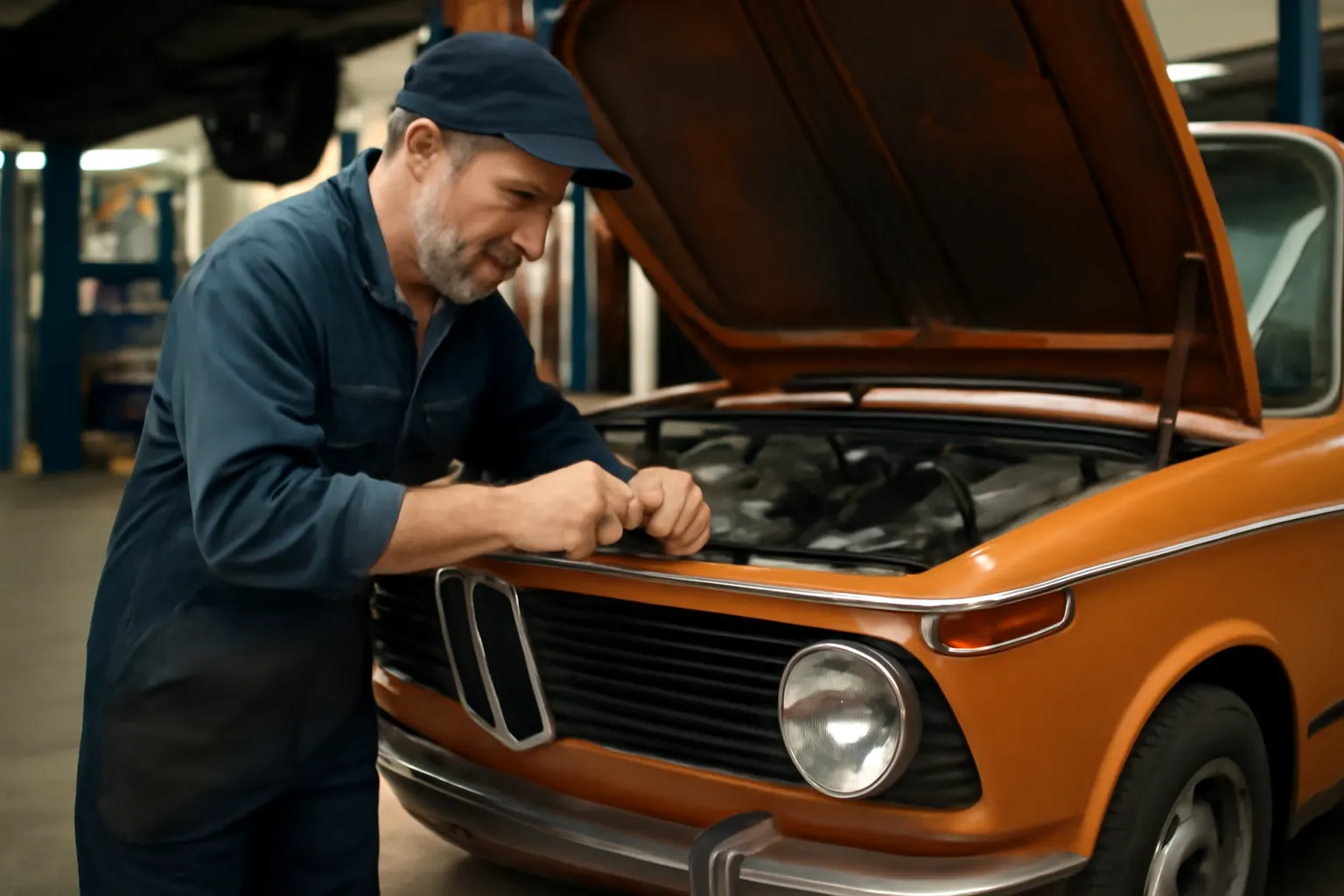
Bmw 1602 Owner Spotlight
The journey of restoring and maintaining a classic BMW 1602 is as rewarding as it is challenging. For enthusiasts and collectors, the process is often filled with stories of perseverance, technical problem-solving, and the pursuit of authenticity. In this BMW 1602 Owner Spotlight, we dive deep into the real-world experiences of dedicated owners—exploring restoration setbacks, rare parts discoveries, technical lessons, and hands-on advice. Whether you’re eyeing your first 1602 project or are deep into a nut-and-bolt restoration, this comprehensive guide will help you anticipate obstacles, source the right components, and keep your classic running true to its original spirit.
For a broader overview of model-specific fitment and technical resources, visit our BMW 1602 Auto Parts & Maintenance Guide, which anchors our expert-driven approach to classic BMW care.
The Immediate Answer: What BMW 1602 Owners Really Face
Restoring a BMW 1602 is a blend of nostalgia, mechanical challenge, and resourcefulness. Owners consistently report that the most immediate hurdles are:
- Sourcing authentic and safe replacement parts
- Diagnosing and resolving age-related mechanical and electrical issues
- Balancing originality with modern safety and reliability standards
- Navigating evolving regulations and technical standards
The 1602’s unique blend of German engineering and 1960s simplicity means that every restoration or maintenance project is both a technical and a historical journey. Owners must be prepared to research, network, and sometimes fabricate solutions to keep these icons on the road.
The Hidden Problem: Parts Scarcity and Safety Standards
While the BMW 1602 is beloved for its elegant engineering, its age introduces hidden complications—especially in sourcing correct, safe, and reliable parts. Many original components are now obsolete or available only in used condition, and aftermarket replacements may not always match original specifications or modern safety requirements.
Key challenges include:
- Discontinued OEM parts: Many critical items (brake boosters, trim, electrical harnesses) are no longer produced by BMW.
- Aftermarket variability: Parts from third-party suppliers may not meet the fitment, material, or safety standards established by modern regulations.
- Safety system upgrades: Original seat belts, lighting, and braking systems may not meet current NHTSA equipment standards, requiring careful consideration during restoration.
These issues are compounded by the fact that many 1602s have seen decades of repairs—sometimes with incorrect or improvised parts—making it essential to verify every component.
The Restoration Expansion: Technical and Logistical Roadblocks
Digging deeper, the restoration of a BMW 1602 exposes several interconnected technical, logistical, and regulatory challenges:
1. Diagnosing Legacy Electrical and Mechanical Systems
- Wiring harness degradation: Brittle insulation and corroded connectors are common, causing intermittent faults.
- Mechanical wear: Engine internals, suspension bushings, and driveline components often require full overhauls due to age-related fatigue.
- Fuel system issues: Carburetor wear, perished fuel lines, and tank corrosion can affect both safety and performance.
2. Materials and Structural Integrity
- Rust and corrosion: The monocoque body structure, particularly around the shock towers, sills, and floorpans, is highly susceptible to rust. According to the U.S. Department of Energy, material selection and anti-corrosion treatments are critical in vintage vehicle preservation.
- Paint and trim matching: Achieving factory-spec paint and trim finishes often requires custom mixing and sourcing NOS (new old stock) or reproduction parts.
3. Fitment and Compatibility
- Non-interchangeable components: Not all 1602 parts interchange with later 02-series models, leading to sourcing confusion.
- Metric fasteners and hardware: The use of period-correct metric hardware is essential for safety and authenticity.
4. Documentation and Provenance
- Lack of service records: Gaps in maintenance history complicate diagnostics and restoration planning.
- VIN and chassis verification: Authenticity checks are required to confirm originality, especially for concours-level restorations.
Sourcing Original and Safe BMW 1602 Parts: The Owner’s Checklist
One of the most daunting aspects of 1602 ownership is the global hunt for safe, correct, and reliable parts. Here’s a practical checklist to guide your parts-sourcing journey:
BMW 1602 Parts Sourcing Checklist:
| Task | Details | Expert Tip |
|---|---|---|
| Identify critical safety parts | Brakes, steering, suspension, seat belts, fuel lines | Always prioritize new or certified refurbished for safety systems |
| Verify part numbers | Use BMW ETK or trusted databases to confirm compatibility | Cross-check against chassis number and production year |
| Inspect used parts | Look for wear, corrosion, and modifications | Avoid safety-critical used parts unless professionally restored |
| Confirm supplier credentials | Choose established classic BMW specialists | Seek suppliers who guarantee NHTSA or SAE-compliant components |
| Document provenance | Keep receipts, part numbers, and supplier info | Essential for future resale or concours |
| Assess aftermarket options | Research reviews and fitment feedback | Prefer suppliers who provide engineering specs and test data |
| Check for recalls | Consult NHTSA recalls database | Even vintage parts may be subject to safety recalls |
Diagnosing and Addressing Common BMW 1602 Issues
Owners consistently encounter several recurring issues. Early, accurate diagnosis is key to safe and reliable operation:
Electrical Gremlins
- Symptoms: Flickering lights, erratic gauges, intermittent starting.
- Root causes: Corroded grounds, brittle insulation, failing alternator diodes.
- Solution: Systematic continuity testing, harness replacement with modern materials where possible.
Fuel Delivery Problems
- Symptoms: Hesitation, stalling, poor fuel economy.
- Root causes: Worn carburetor jets, clogged filters, perished hoses.
- Solution: Rebuild original Solex carburetors or replace with period-correct Weber units; always use ethanol-safe hoses.
Brake System Degradation
- Symptoms: Spongy pedal, pulling under braking, fluid leaks.
- Root causes: Aged rubber lines, seized calipers, worn master cylinder.
- Solution: Replace all hydraulic components with modern DOT-approved equivalents; flush system thoroughly.
Suspension and Steering Play
- Symptoms: Wandering, clunks, uneven tire wear.
- Root causes: Worn bushings, ball joints, tie rods.
- Solution: Full suspension refresh with OEM or equivalent bushings; verify alignment to factory specs.
For a technical deep-dive into electrical troubleshooting, refer to our Bmw 1602 Electrical Guide.
Balancing Originality, Safety, and Modernization
Every 1602 owner faces the dilemma: preserve strict originality or discreetly upgrade for safety and reliability? The answer depends on your intended use, but here are the most common (and accepted) upgrades:
- Seat belts: Replace original lap belts with modern 3-point harnesses that meet NHTSA equipment standards.
- Lighting: Upgrade to halogen or LED bulbs in original housings for improved visibility, ensuring proper beam pattern and compliance.
- Braking: Install stainless steel brake lines and modern friction materials for consistent performance.
- Fuel system: Use ethanol-resistant hoses and clamps to prevent leaks and vapor lock.
Each upgrade should be reversible and documented to preserve the car’s provenance and value.
Lessons Learned: Owner Stories from the Road to Originality
BMW 1602 owners often share that the restoration journey is as much about learning as it is about wrenching. Here are recurring lessons from seasoned enthusiasts:
1. “Don’t Rush the Parts Hunt”
Finding the correct trim, glass, or mechanical component can take months. Rushing often leads to buying incorrect or poor-quality parts, resulting in rework and additional expense.
2. “Document Everything”
Careful documentation—photos, part numbers, supplier contacts—streamlines future repairs and adds value for future owners.
3. “Network Relentlessly”
Owner forums, local clubs, and classic BMW meets are invaluable for sourcing rare parts and technical advice. Many rare components are traded or sold privately within enthusiast circles.
4. “Expect the Unexpected”
Disassembly often reveals hidden rust, prior repairs, or missing components. Budget extra time and funds for surprises.
Expert Guidance for BMW 1602 Restoration: A Stepwise Approach
Restoring a BMW 1602 to a high standard requires a methodical, staged approach:
Stage 1: Assessment and Planning
- Perform a comprehensive inspection: Document rust, mechanical wear, and missing components.
- Research part availability: Prioritize hard-to-find items and safety-critical systems.
- Establish a restoration goal: Daily driver, show car, or period-correct survivor.
Stage 2: Disassembly and Cataloguing
- Photograph every step: Essential for reassembly and troubleshooting.
- Label all fasteners and small parts: Use resealable bags and tags.
- Create an inventory spreadsheet: Track part condition and sources.
Stage 3: Structural and Mechanical Restoration
- Address rust and structural repairs first: Use modern anti-corrosion treatments and correct welding techniques.
- Rebuild mechanical systems: Focus on brakes, suspension, and driveline using OEM or certified aftermarket parts.
Stage 4: Electrical and Interior Restoration
- Replace or refurbish harnesses: Use modern, heat-resistant wire where necessary.
- Restore instrumentation and controls: Source NOS or quality reproduction parts.
Stage 5: Final Assembly and Testing
- Reinstall trim and glass carefully: Avoid damaging rare or irreplaceable items.
- Conduct thorough road testing: Monitor for leaks, noises, and system malfunctions.
- Document the completed build: Maintain a binder with all receipts, photos, and technical data.
For more on fitment and compatibility, explore our Bmw 1602 Fitment Guide.
Technical Standards and Compliance: What Every Owner Needs to Know
The BMW 1602 was engineered to 1960s standards, but today’s restorers must consider current safety and technical regulations:
- NHTSA Equipment Standards: Replacement parts for brakes, lighting, and seat belts should meet or exceed federal safety standards.
- SAE Engineering Standards: Fasteners, fluids, and system upgrades should comply with relevant SAE specifications to ensure reliability and safety.
- Material Technologies: Modern anti-corrosion coatings, adhesives, and composites can be used discreetly to enhance longevity without compromising originality (DOE materials technologies).
Owners restoring for show or resale should keep all certification and compliance documentation for future reference.
Fuel Efficiency, Performance, and Drivability
While the 1602 is not a high-performance car by modern standards, careful restoration and tuning can yield impressive efficiency and driving enjoyment:
- Engine tuning: Properly rebuilt M10 engines can deliver fuel economy approaching 30 mpg (as referenced by DOE fuel efficiency guidelines) with correct carburetor jetting and ignition timing.
- Drivetrain maintenance: Fresh fluids, correct tire sizing, and balanced driveshafts reduce parasitic losses and improve both efficiency and comfort.
- Aerodynamics and weight: Retaining original trims and minimizing unnecessary add-ons preserves the car’s lightweight design, a key factor in its efficiency and handling.
Avoiding Common Pitfalls: Owner Mistakes and How to Prevent Them
Classic BMW 1602 restoration is a rewarding endeavor, but avoid these frequent mistakes:
- Using incorrect or non-compliant parts: Always verify compatibility and compliance with NHTSA and SAE standards.
- Neglecting rust repairs: Cosmetic fixes without structural reinforcement can lead to safety issues.
- Improper electrical repairs: Twisted wires and non-insulated connectors are fire hazards—use proper crimping and heat-shrink.
- Skipping test drives: Every major system should be road-tested under varied conditions before considering the project complete.
- Over-restoring or over-modifying: Excessive modernization can reduce value and detract from the car’s original character.
The Role of Documentation and Provenance in Value Retention
A well-documented restoration is not only easier to maintain but also significantly increases the vehicle’s market value and appeal to future collectors. Key documentation includes:
- Photographic records: Before, during, and after restoration.
- Receipts and invoices: For every part and service.
- Technical data sheets: For upgraded components or materials.
- Service log: Ongoing maintenance and repairs.
This level of documentation is often the difference between a high-value collector car and an average used classic.
Community Resources: Leveraging Clubs, Forums, and Specialist Networks
No BMW 1602 owner restores alone. The global 02-series community is a rich source of technical knowledge, rare parts, and restoration inspiration. Key resources include:
- Online forums: Model-specific boards offer troubleshooting advice and parts classifieds.
- Local and national clubs: Regular meets, technical workshops, and concours events.
- Specialist suppliers: Vendors dedicated to classic BMWs can provide hard-to-find items and expert advice.
Engaging with the community often leads to discoveries—both technical and personal—that are impossible to find in manuals or catalogs.
AutoPartEx: Your Partner in BMW 1602 Restoration
At AutoPartEx, we understand the unique demands of classic BMW ownership. Our editorial team curates the latest technical standards, sourcing solutions, and maintenance strategies to keep your 1602 on the road and true to its heritage. Whether you’re seeking diagnostic guides, fitment data, or sourcing tips, our BMW 1602 Auto Parts & Maintenance Guide and related editorial resources, such as the Bmw Vintage Maintenance Article, ensure you have access to trusted, actionable information.
Our commitment extends beyond parts—we empower owners with the knowledge and network needed for every stage of the classic car journey.
Expert Action: Next Steps for BMW 1602 Owners
- Start with a detailed inspection: Use the checklist above to assess your 1602’s current state.
- Prioritize safety: Upgrade or replace critical systems to meet current standards.
- Network and document: Join owner forums, attend club meets, and keep meticulous records.
- Consult expert resources: Leverage AutoPartEx’s guides for technical, fitment, and sourcing support.
- Drive and enjoy: The ultimate reward is experiencing your 1602 as it was meant to be—on the open road.
For more in-depth technical and fitment information, refer to our BMW 1602 Auto Parts & Maintenance Guide and Bmw 1602 Fitment Guide.