Avoiding Counterfeit Land Rover Parts: What to Check
Counterfeit Land Rover parts are a rapidly growing concern for owners, technicians, and enthusiasts alike. Fake parts can compromise your Land Rover’s safety, reliability, and performance—and may even void your investment in premium British engineering. This comprehensive guide explains how to spot counterfeit Land Rover components, key authenticity markers, and practical sourcing strategies to ensure you only fit genuine or high-quality aftermarket parts. Whether you’re sourcing parts for a classic Defender or a modern Range Rover, understanding what to check will help protect your vehicle and your wallet.
If you’re seeking a trusted source for authentic Land Rover components, start with our Land Rover OEM & Aftermarket Parts: Technical Fitment, Heritage, and Sourcing | AutoPartEx page for curated guidance and supplier recommendations.
The Immediate Threat: Why Counterfeit Land Rover Parts Are a Growing Problem
In recent years, the automotive aftermarket has seen a surge in counterfeit parts—fraudulent components manufactured to imitate genuine Land Rover or reputable aftermarket brands. These fakes are not mere cosmetic imitations. They can include critical safety parts such as brake pads, airbags, suspension components, and even electronic modules. The National Highway Traffic Safety Administration (NHTSA) warns that counterfeit parts are a direct safety risk, often failing to meet even the most basic vehicle safety and equipment standards [^1].
For Land Rover owners, the stakes are particularly high. The brand’s engineering relies on specific materials, tolerances, and quality controls. Using a counterfeit part undermines the performance and integrity of your vehicle, potentially leading to catastrophic failures, safety recalls, and significant financial loss.
Hidden Problem: The Subtle Dangers Lurking in Counterfeit Components
At first glance, counterfeit Land Rover parts may look almost identical to genuine ones. Packaging, logos, and even part numbers are often copied with impressive accuracy. However, beneath the surface, these parts are typically made from inferior materials, lack proper engineering, and are produced without adherence to the rigorous standards set by Land Rover or reputable manufacturers.
The consequences go beyond immediate mechanical failure:
- Safety Compromises: Counterfeit brake pads or airbags, for example, may not deploy or function as intended, increasing the risk of injury in an accident.
- Poor Vehicle Performance: Substandard parts can affect everything from engine efficiency to suspension handling, reducing fuel economy and driving dynamics.
- Long-Term Damage: An ill-fitting gasket or low-quality filter can cause leaks, overheating, or accelerated wear on expensive engine and drivetrain components.
- Difficult Diagnostics: Counterfeit electronic modules may trigger persistent diagnostic trouble codes, complicating repairs and leading to unnecessary part replacements.
Expanding the Issue: Why Land Rover Owners Are High-Value Targets
Land Rover parts fetch premium prices due to their quality, engineering, and the brand’s global reputation. This makes Land Rover owners attractive targets for counterfeiters, who focus on high-turnover and high-value components such as:
- Brake pads and rotors
- Oil and air filters
- Suspension arms and bushings
- Lighting assemblies
- Electronic control modules (ECUs)
- Body panels and trim pieces
The proliferation of online marketplaces, auction sites, and even some brick-and-mortar retailers has made it easier for counterfeit parts to infiltrate the supply chain. Owners and technicians must be vigilant, as even authorized-looking listings can be deceptive.
How to Spot Counterfeit Land Rover Parts: Practical Authenticity Checklist
Detecting counterfeit parts requires a keen eye and a methodical approach. Here’s a practical checklist to help you verify authenticity before installation:
Land Rover Parts Authenticity Checklist
| Checkpoint | What to Look For | Warning Signs |
|---|---|---|
| Packaging | Crisp printing, correct fonts, holograms, barcodes | Misspellings, blurry logos, missing seals |
| Part Numbers | Match with official Land Rover catalogs or EPC | Extra digits, mismatched numbers |
| Material Quality | Consistent finish, correct weight, no sharp edges | Cheap plastics, uneven castings, poor fit |
| Branding/Logos | Clear, embossed or laser-etched Land Rover logos | Stickers, off-center or faded branding |
| Documentation | Genuine installation instructions, warranty cards | Photocopies, missing paperwork |
| Sourcing Channel | Authorized dealers, reputable suppliers | Unknown online sellers, suspiciously low price |
| Serial/Hologram | Security holograms, QR codes, traceable serial numbers | No security features, generic packaging |
Always cross-reference with the Land Rover VIN Decoding & Fitment Guide to ensure the part matches your vehicle’s requirements.
Technical Deep Dive: How Counterfeit Parts Impact Safety and Performance
Counterfeit parts are not simply a financial nuisance—they can fundamentally undermine your Land Rover’s engineering. According to the NHTSA, non-genuine components often fail to meet critical safety and equipment standards [^1]. Here’s how counterfeit parts can directly affect your vehicle:
Braking Systems
Counterfeit brake pads and rotors are often made from substandard friction materials. They may overheat, wear prematurely, or fail to provide adequate stopping power. In severe cases, fake pads can delaminate or crumble, leading to brake failure.
Suspension and Steering
Suspension bushings, arms, and ball joints made from inferior alloys or poorly engineered rubber compounds can fail under load, causing instability, uneven tire wear, or dangerous handling characteristics.
Engine and Drivetrain
Filters, gaskets, and timing components made from low-grade materials can lead to oil leaks, overheating, or even catastrophic engine failure. Counterfeit electronic modules may not communicate properly with the vehicle’s CAN bus, causing drivability issues and triggering warning lights.
Lighting and Electrical
Fake headlamps and taillights may not meet photometric requirements, reducing visibility and increasing accident risk. Counterfeit sensors or ECUs can cause erratic system behavior, impacting everything from traction control to air suspension.
Sourcing Strategies: Where and How to Buy Authentic Land Rover Parts
Proactive sourcing is your best defense against counterfeits. Here’s how to ensure you’re buying genuine or high-quality aftermarket Land Rover parts:
1. Buy From Authorized Land Rover Dealers or Reputable Aftermarket Suppliers
- Use the official Land Rover dealer network for OEM parts. Dealers are directly supplied by Jaguar Land Rover and adhere to strict sourcing controls.
- If purchasing aftermarket parts, choose suppliers with a proven track record and transparent sourcing policies. Look for certifications such as ISO or compliance with SAE Standards for engineering and testing.
2. Verify Supplier Credentials
- Check for business licenses, customer reviews, and industry certifications.
- Avoid sellers who cannot provide clear documentation or who have a history of negative feedback regarding counterfeit or poor-quality parts.
3. Use Trusted Online Marketplaces With Buyer Protection
- Some online platforms offer “genuine parts” programs or verified seller badges. Always check the seller’s reputation and return policies.
- Be wary of prices that are significantly lower than market average—if it seems too good to be true, it probably is.
4. Cross-Reference Part Numbers and Fitment
- Use official Land Rover EPC (Electronic Parts Catalog) or VIN-specific fitment tools.
- For more guidance, refer to our Land Rover OEM vs Aftermarket: Pros, Cons, and Cost editorial for an in-depth comparison of parts quality and sourcing.
Diagnostic Guidance: Spotting Issues Caused by Counterfeit Parts
Detecting a counterfeit part isn’t always possible before installation. Sometimes, the first clue is a mechanical or electrical issue after fitting a new component. Here are common diagnostic symptoms associated with counterfeit Land Rover parts:
- Immediate Fitment Problems: The part does not align, bolt up, or seal correctly during installation.
- Warning Lights or Fault Codes: After replacing a sensor, control module, or actuator, new dashboard warnings appear.
- Unusual Noises: Counterfeit bushings or bearings may creak, squeak, or rumble soon after installation.
- Rapid Wear: Brake pads, filters, or suspension parts show premature deterioration.
- Performance Drop: Engine runs rough, fuel economy decreases, or shifting becomes erratic after fitting non-OEM parts.
If you suspect a counterfeit, remove the part and compare it side-by-side with a known genuine component. Use a digital caliper to check dimensions, and inspect materials and branding closely. Always report suspicious parts to the supplier and, if safety is a concern, to the NHTSA.
Installation Best Practices: Preventing Counterfeit Part Fitment
Professional installation is not just about correct torque values and procedures—it’s also an opportunity to catch counterfeit parts before they compromise your Land Rover. Here are best practices for installers and DIYers:
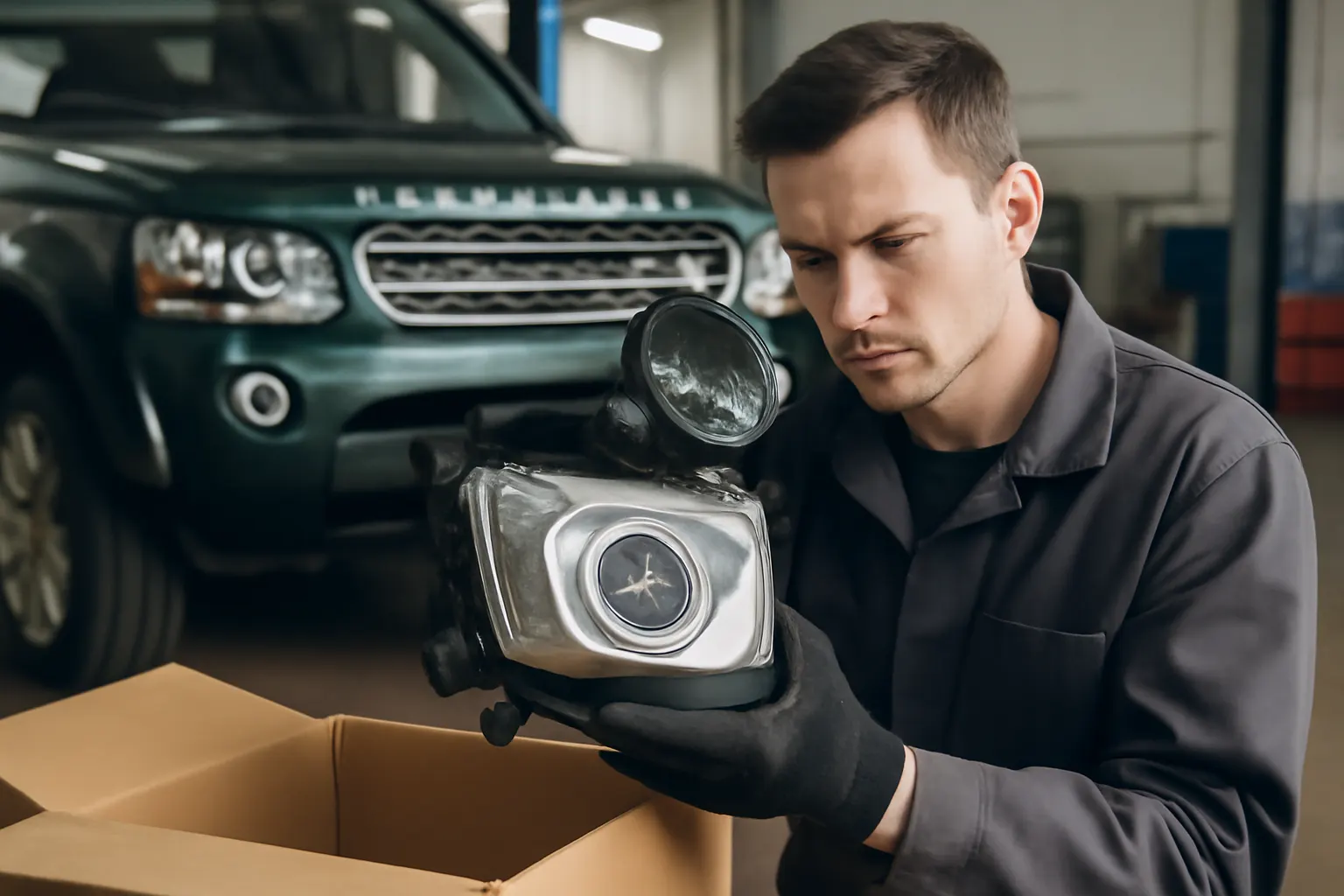
- Pre-Install Inspection: Carefully examine each part using the authenticity checklist above before starting work.
- Keep Packaging and Documentation: Retain all boxes, labels, and paperwork in case you need to return a part or verify its origin.
- Photograph Components: Take clear photos of part numbers, branding, and holograms before installation for future reference.
- Test Fit Before Full Assembly: Temporarily fit the part to check alignment and compatibility before final installation.
- Document Any Issues: If a part doesn’t fit or appears suspicious, halt installation and contact the supplier immediately.
Maintenance Implications: Long-Term Risks of Counterfeit Parts
Fitting counterfeit parts is not just a one-time risk—it can set off a domino effect of maintenance headaches and increased costs:
- Accelerated Wear: Poor-quality components often fail sooner, requiring more frequent replacements and labor.
- Systemic Damage: A counterfeit oil filter can allow contaminants to circulate, damaging bearings and turbochargers.
- Compromised Safety Systems: Fake sensors or airbags may not function correctly, putting occupants at risk.
- Diagnostic Complexity: Non-genuine electronic modules can introduce intermittent faults, complicating future repairs and troubleshooting.
Regular maintenance is critical. Use our Service Intervals for Land Rover Models Explained to keep your maintenance schedule on track—and always insist on genuine or certified aftermarket parts.
The Role of Materials and Engineering Standards
Genuine Land Rover parts are designed, tested, and manufactured to exacting standards, including those established by organizations like SAE International. Key differences in materials and engineering include:
- Metallurgy: Genuine components use high-grade alloys and strict heat-treatment processes for durability and safety.
- Polymer Quality: OEM bushings and seals use proprietary rubber compounds for longevity and resistance to environmental factors.
- Precision Machining: Tight tolerances ensure proper fitment and system performance.
- Testing: Genuine parts undergo extensive laboratory and real-world validation, including impact, fatigue, and corrosion testing.
Counterfeiters rarely match these standards. The United States Department of Energy highlights the role of advanced materials in improving vehicle safety, performance, and durability [^3]. Cutting corners in materials directly impacts your Land Rover’s reliability and driving experience.
How Counterfeit Parts Undermine Fuel Efficiency and Emissions
Counterfeit parts don’t just threaten safety—they can also reduce your Land Rover’s fuel efficiency and emissions compliance. According to the Department of Energy, modern vehicles rely on precisely engineered components to optimize combustion, minimize friction, and reduce weight [^2]. Fake parts often disrupt these delicate balances:
- Engine Sensors: Faulty or counterfeit oxygen sensors can cause the engine control unit (ECU) to run rich or lean, increasing fuel consumption and emissions.
- Air Filters: Poor-quality filters may restrict airflow or allow debris into the engine, harming performance and efficiency.
- Exhaust Components: Non-genuine catalytic converters or exhaust sensors can trigger “check engine” lights and cause your vehicle to fail emissions tests.
Maintaining fuel efficiency is not just about saving money—it’s about keeping your Land Rover running clean and within regulatory standards.
Reporting and Recourse: What to Do If You Encounter a Counterfeit Part
If you discover or suspect you’ve purchased a counterfeit Land Rover part:
- Contact the Supplier: Notify the seller immediately and request a return or refund. Provide detailed photos and documentation.
- Report to Authorities: File a report with the NHTSA (see their recalls and safety portal) to help prevent further distribution.
- Share Your Experience: Leave honest feedback on online platforms and forums to warn other Land Rover owners.
- Retain Evidence: Keep the suspect part, packaging, and all correspondence for potential investigations.
Being proactive not only protects your own vehicle but also helps safeguard the broader Land Rover community.
Expert Solution Path: Sourcing Authentic Land Rover Parts with Confidence
To consistently avoid counterfeit Land Rover parts, follow this expert-recommended solution path:
- Establish a Trusted Supplier Network: Build relationships with authorized Land Rover dealers and reputable aftermarket specialists.
- Educate Yourself: Stay informed about the latest counterfeit trends, authenticity markers, and part-specific risks.
- Leverage VIN and Fitment Tools: Always use your vehicle’s VIN and reference trusted fitment guides to avoid incorrect or incompatible parts.
- Prioritize Documentation: Insist on clear, traceable documentation for every purchase.
- Schedule Preventive Inspections: Periodically inspect previously replaced components for signs of premature wear or authenticity issues.
For detailed fitment and sourcing strategies, explore our Land Rover OEM & Aftermarket Parts: Technical Fitment, Heritage, and Sourcing | AutoPartEx resource.
Why AutoPartEx Is Your Trusted Land Rover Parts Partner
At AutoPartEx, we recognize the challenges Land Rover owners face in today’s global parts market. Our platform is dedicated to technical accuracy, supplier vetting, and transparent fitment guidance. We:
- Curate only genuine and high-quality aftermarket parts from trusted sources.
- Provide detailed fitment data, authenticity checklists, and technical support.
- Offer editorial resources, such as our Land Rover OEM vs Aftermarket: Pros, Cons, and Cost and Land Rover VIN Decoding & Fitment Guide, to empower owners and technicians.
When you source through AutoPartEx, you gain peace of mind—knowing your Land Rover’s heritage, performance, and safety are protected.
Taking Action: Protect Your Land Rover, Protect Yourself
Counterfeit Land Rover parts are a real and present threat—but with vigilance, technical knowledge, and the right sourcing strategies, you can keep your Land Rover running as its engineers intended. Always inspect, verify, and source from trusted suppliers. Use fitment guides and authenticity checklists before every installation. And when in doubt, consult with experts or your local Land Rover dealer.
Stay informed, stay protected, and enjoy the confidence that comes with authentic Land Rover ownership.