
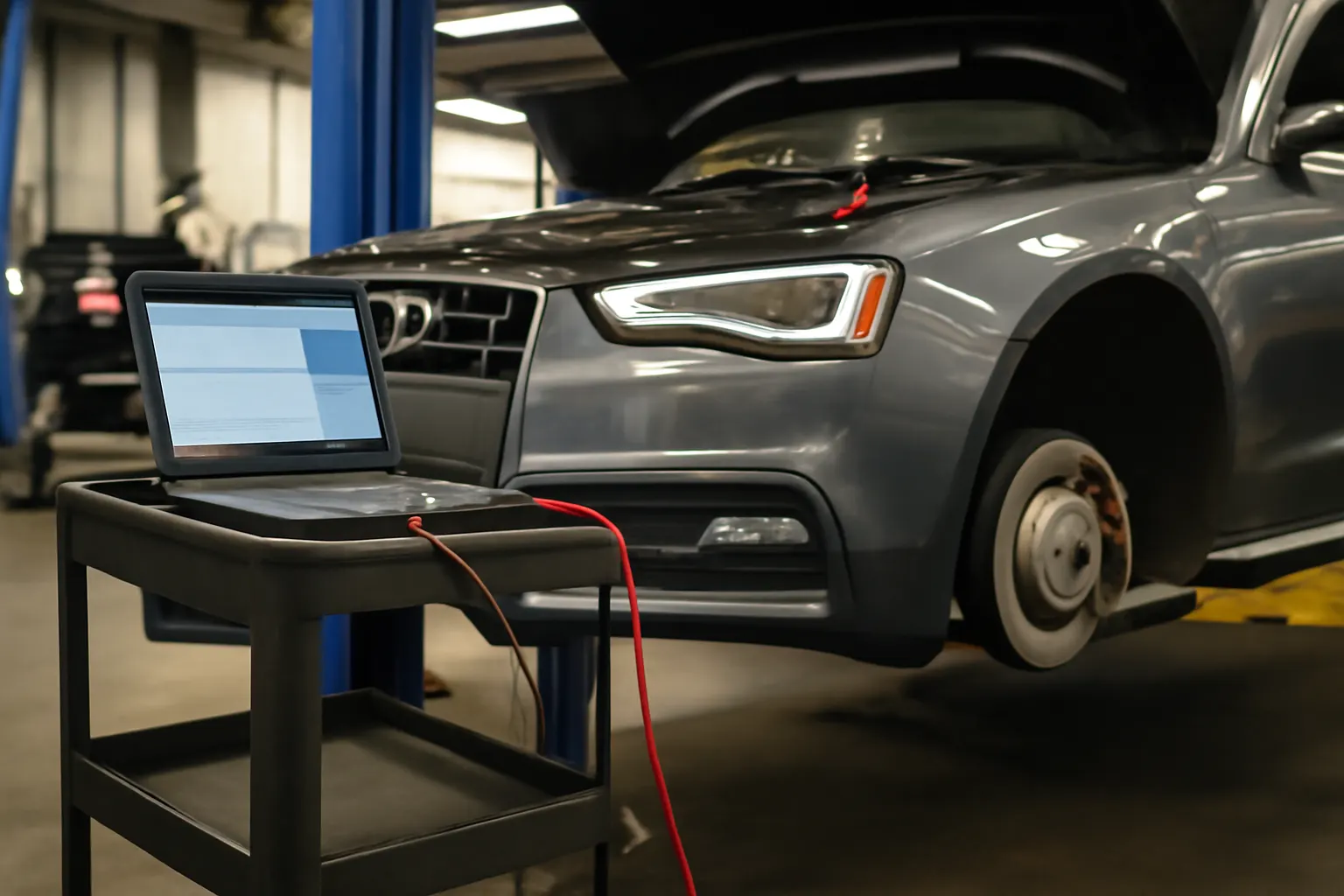
Audi S5 100k Service Report
When your Audi S5 B8 approaches the 100,000-mile mark, you’re at a critical crossroads in its life cycle—one that separates well-maintained performance machines from neglected money pits. This comprehensive 100k service report delivers a field-tested look at what to expect, the most common real-world part failures, and shop-floor lessons learned from experienced Audi specialists. Whether you’re preparing for this milestone or buying a high-mileage S5, this guide arms you with practical knowledge, diagnostic checklists, and expert maintenance strategies.
For deeper coverage on ongoing S5 parts, repairs, and upgrades, see our Audi S5 Parts & Maintenance Guide.
What to Expect at 100,000 Miles: The Executive Summary
Immediate Answer: At 100,000 miles, the Audi S5 B8 demands more than just routine fluid changes. Expect a comprehensive service that goes beyond the owner’s manual: timing chain inspection, carbon cleaning, suspension bushing checks, and targeted replacement of wear-prone components. Real-world shop data shows that coil packs, PCV valves, control arm bushings, and water pumps are among the most common failures at this milestone.
The Takeaway: Budget for a major service, anticipate both preventative and corrective repairs, and use this opportunity to baseline your S5 for another 50,000+ miles of reliable performance.
The Hidden Problem: What the Manual Doesn’t Tell You
Audi’s official service schedule is a solid starting point—but the reality of S5 ownership at 100k miles is more complex. Many issues won’t be flagged by dashboard warnings or basic inspections. Carbon buildup on the 3.0T engine’s intake valves, timing chain tensioner wear, and subtle suspension fatigue often escape notice until they cause drivability or safety problems.
Shop Floor Lesson: Even well-maintained S5s can harbor hidden weaknesses. Relying solely on the service manual can leave you exposed to expensive surprises and, in some cases, safety-critical failures (NHTSA Equipment).
Expanding the Problem: Underlying Wear and Systemic S5 Weaknesses
1. Engine: Timing Chain, PCV, and Carbon Buildup
- Timing Chain & Tensioner: The 3.0T engine in the B8 S5 uses a chain-driven system located at the rear of the engine. While chains outlast belts, tensioner failure is a known risk around 100k miles. Symptoms include rattling at startup or CEL codes for camshaft correlation.
- PCV Valve: Positive crankcase ventilation (PCV) valves are notorious for failing between 80k-120k miles, causing rough idle, oil leaks, and vacuum issues.
- Carbon Buildup: Direct injection engines like the S5’s accumulate carbon on intake valves, reducing performance and fuel efficiency (DOE Fuel Efficiency).
2. Cooling System: Water Pump and Thermostat
Plastic impellers and housings in the water pump assembly degrade with heat cycles. Leaks or overheating at 100k miles are common, and the thermostat may stick open/closed, triggering over-temp codes or poor warm-up.
3. Suspension and Steering: Control Arms, Bushings, and End Links
Audi’s multi-link front suspension delivers sharp handling but puts stress on control arm bushings and ball joints. Expect play, noise, and uneven tire wear as rubber components degrade.
4. Drivetrain: Quattro System and Differential Fluids
The Quattro AWD system is robust, but differential and transfer case fluids should be changed by 100k miles to ensure continued performance and longevity (Audi Quattro AWD Maintenance).
5. Electronics and Sensors
Aging S5s often develop issues with wheel speed sensors, MAF sensors, and adaptive lighting modules. Electrical gremlins can trigger warning lights or limp mode.
The 100k Mile S5 Service Checklist
To keep your S5 running at its best, a comprehensive 100k mile service should include the following:
| Component/Area | Inspect | Replace/Clean | Notes |
|---|---|---|---|
| Engine oil & filter | X | X | Use VW/Audi 502.00 spec |
| Spark plugs | X | X | OE or high-quality aftermarket |
| Ignition coils | X | If weak/failing | Misfire-prone at 100k |
| Air filter, cabin filter | X | X | Replace if dirty |
| PCV valve & hoses | X | If leaking/faulty | Common failure point |
| Timing chain/tensioner | X | If noisy/worn | Listen for startup rattle |
| Water pump, thermostat | X | If leaking/worn | Replace as preventive maintenance |
| Coolant | X | X | Flush with G13 or G12++ coolant |
| Intake valves (carbon) | X | Clean if needed | Walnut blasting recommended |
| Transmission fluid | X | X | Especially for S-Tronic/Dual Clutch |
| Differential fluids | X | X | Front, rear, and center |
| Brake fluid | X | X | Flush every 2 years or at 100k |
| Suspension bushings | X | If cracked/loose | Focus on control arms, sway bar links |
| Wheel bearings | X | If noisy/loose | Listen for hum |
| Tires & alignment | X | Rotate/align | Check for uneven wear |
| Battery | X | If weak | 6-8 year lifespan typical |
| Wiper blades | X | X | Safety-critical |
| Lighting/electronics | X | If malfunctioning | Scan for codes, check all bulbs |
Real-World Part Failures: What the Shop Sees at 100k
Field data from Audi specialists and independent shops reveals several S5-specific patterns at the 100,000-mile mark:
- Ignition Coils: Misfires, especially under load, often trace back to aging coils. Replacing all six is recommended if one fails.
- PCV System: Oil leaks at the front or rear main seal frequently result from a failed PCV valve pressurizing the crankcase.
- Water Pump: Plastic-bodied pumps are prone to seepage or catastrophic failure. Upgraded metal-impeller pumps are available.
- Control Arms: Clunking over bumps and vague steering feel are tell-tale signs of worn bushings.
- Carbon Buildup: Loss of throttle response and reduced MPG are typical; severe cases trigger check engine lights for misfires.
Lesson Learned: Addressing these failures proactively during the 100k service can prevent breakdowns and compound repairs.
Diagnostic Guidance: Spotting Trouble Before It Strikes
A thorough diagnostic approach at 100k miles is crucial to avoid chasing symptoms or missing lurking issues.
Key Diagnostic Steps
- OBD-II Scan: Use a VAG-COM or similar tool to check for stored or pending codes, especially for timing, misfire, or sensor faults.
- Physical Inspection: Look for coolant residue, oil seepage, torn bushings, and worn belts.
- Noise Test: Listen for cold-start rattles (timing chain), humming (bearings), or clunks (suspension).
- Performance Test: Note any hesitation, surging, or loss of power—these often correlate with carbon buildup or ignition issues.
- Fluid Analysis: Inspect for contamination in oil, coolant, and transmission fluid.
Pro Tip: Don’t ignore minor symptoms at this mileage—they often signal a part on the cusp of failure.
Maintenance Priorities: What to Tackle First
With a long checklist and finite budget, prioritize repairs based on safety, reliability, and performance:
- Safety-Critical Items: Brakes, tires, steering, and lighting are non-negotiable. Worn bushings or brakes can compromise control.
- Engine Health: Address oil leaks, PCV issues, and timing chain/tensioner problems before they escalate.
- Cooling System: Overheating from a failed water pump or thermostat can cause catastrophic engine damage.
- Drivetrain/Fluids: Transmission and differential services are often neglected but critical for Quattro longevity.
- Performance Restorers: Carbon cleaning and fresh ignition parts can return lost power and MPG.
Sourcing Quality Parts: OEM vs. Aftermarket
Choosing the right parts is vital for long-term reliability and safety (NHTSA Equipment). Here’s how to approach sourcing:
- OEM Parts: Offer guaranteed fitment and meet Audi’s strict standards. Ideal for timing components, sensors, and critical engine parts.
- High-Quality Aftermarket: Some upgrades (e.g., metal water pumps, polyurethane bushings) outperform factory parts in durability.
- Beware Cheap Imitations: Low-cost parts may fit but often lack longevity and can compromise safety or performance.
Fitment Tip: Always verify part numbers and check compatibility using a trusted OEM Fitment Guide.
Installation Insights: Shop vs. DIY
Many 100k service items are DIY-friendly for skilled enthusiasts, but certain jobs demand professional tools and expertise:
- DIY Candidates: Spark plugs, coils, filters, fluids, and some suspension components.
- Professional Only: Timing chain/tensioner service (engine out or subframe drop), carbon cleaning (walnut blasting), and advanced diagnostics.
Shop Floor Reality: Attempting complex repairs without the right tools or knowledge can lead to costly mistakes—know your limits and budget for labor on high-skill tasks.
Preventing Recurring Issues: Lessons Learned
Shops report that skipping recommended 100k services leads to repeat failures and snowballing costs:
- Deferred PCV or Water Pump: Can cause oil leaks, overheating, or engine damage.
- Neglected Suspension: Worn bushings accelerate tire wear and degrade handling.
- Overdue Carbon Cleaning: Leads to persistent misfires and poor fuel economy (DOE Fuel Efficiency).
Proactive Approach: Treat the 100k service as a reset point—address all known weaknesses, not just what’s visibly broken.
Materials, Efficiency, and Longevity: Engineering Insights
Audi’s S5 leverages advanced materials—aluminum suspension arms, composite intake manifolds, and high-strength steel subframes (DOE Materials Technologies). These materials boost performance and efficiency but can complicate repairs:
- Aluminum Components: Require specific torque procedures to avoid galling or over-tightening.
- Composite Plastics: Susceptible to heat-cycling fatigue (e.g., water pump housings).
- Direct Injection: Maximizes power and efficiency but increases maintenance demands due to carbon buildup.
Owner Takeaway: Understanding the materials and technologies in your S5 helps inform smarter maintenance and better parts selection.
Audi S5 100k Service: Cost Breakdown and Planning
Typical Cost Ranges (Parts + Labor)
| Service Item | Cost Range (USD) |
|---|---|
| Full fluid/filter service | $350 - $700 |
| Spark plugs & coils | $300 - $600 |
| Water pump & thermostat | $700 - $1,200 |
| Timing chain/tensioner | $2,000 - $3,500 |
| Carbon cleaning | $400 - $900 |
| Suspension refresh | $800 - $2,000 |
| Differential/transfer case | $300 - $600 |
| Miscellaneous sensors | $200 - $600 |
Budgeting Advice: Plan for $2,000-$5,000 total if tackling all major 100k items at a shop. DIYers can save on labor but should factor in tool costs and learning curve.
Fitment, Verification, and Safety Standards
Every component replaced at 100k miles should meet or exceed original equipment standards. Use only parts that comply with recognized safety and engineering benchmarks (SAE Standards). Always:
- Cross-check part numbers with your VIN.
- Confirm manufacturer certifications.
- Avoid untested or counterfeit parts, especially for safety systems.
Fitment Resources: Leverage OEM Fitment Guide and reputable suppliers to avoid costly errors.
Internal Resources and Next Steps
The 100k service is a perfect opportunity to baseline your Audi S5 for the next phase of ownership. For ongoing maintenance, troubleshooting, and upgrade paths, explore:
- Audi S5 Parts & Maintenance Guide for part-specific advice and buying links.
- Audi S Line Diagnostics for advanced troubleshooting and code interpretation.
- Audi Quattro AWD Maintenance for drivetrain-specific care tips.
Why Trust AutoPartEx? Your Partner in S5 Longevity
AutoPartEx is dedicated to providing technical, unbiased, and field-proven guidance for Audi owners and enthusiasts. Our editorial team synthesizes shop floor experience, OEM standards, and verified government research to help you keep your S5 safe, efficient, and exhilarating to drive. Whether you’re a DIYer or rely on trusted shops, our resources ensure you have the knowledge and parts support to make every mile count.