
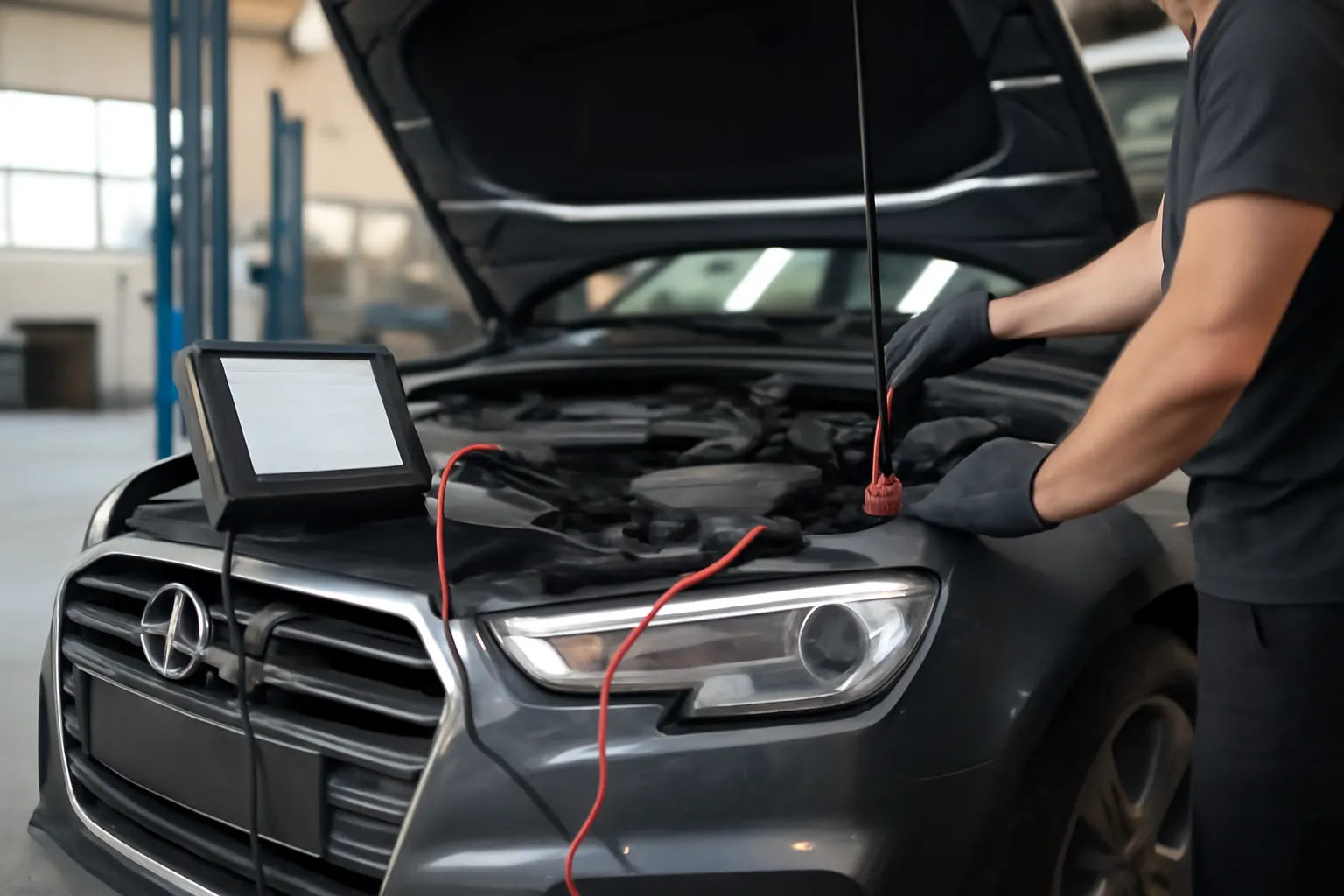
Audi S3 Maintenance Intervals
Understanding the correct maintenance intervals for your Audi S3 is essential for maximizing performance, reliability, and long-term value. Whether you own a first-generation 8L, a turbocharged 8V, or the latest 8Y model, adhering to generation-specific service schedules protects your investment and ensures every drive is as exhilarating as the first. This comprehensive guide breaks down maintenance intervals, service priorities, and practical tips for every Audi S3 platform. For model-specific parts and deeper technical insights, see our Audi S3 Auto Parts & Model-Specific Service Insights hub.
Immediate Answer: Audi S3 Maintenance Intervals at a Glance
For all generations of the Audi S3, the core maintenance schedule revolves around the following intervals:
- Oil & Filter Change: Every 10,000 miles or 12 months, whichever comes first.
- Brake Inspection: Every 10,000 miles or annually.
- Air & Cabin Filters: Every 20,000 miles.
- Spark Plugs: Every 40,000 to 60,000 miles (varies by engine).
- Transmission Fluid (DSG/S-Tronic): Every 40,000 miles.
- Haldex/Quattro Differential Service: Every 20,000 to 40,000 miles, depending on generation.
- Coolant & Brake Fluid: Every 2 years, regardless of mileage.
These intervals are the baseline for maintaining safety, fuel efficiency, and performance, but actual needs can vary by driving style, climate, and S3 generation. For a precise breakdown by platform, read on.
The Hidden Problem: Overlooked Maintenance Risks in the Audi S3
Many S3 owners—especially those transitioning from mainstream vehicles—underestimate the demands of high-performance turbocharged drivetrains and advanced Quattro AWD systems. Unlike standard compacts, the S3’s engineering requires more diligent attention to scheduled maintenance. Skipping or delaying key services can result in:
- Premature turbocharger or engine wear due to oil degradation.
- DSG/S-Tronic transmission faults from neglected fluid changes.
- Quattro system failures from old Haldex fluid or clogged filters.
- Reduced braking performance and safety risks.
- Fuel efficiency losses from dirty air filters or old spark plugs.
The risk is compounded by generational differences—what’s safe for an early 8L may not suffice for a modern 8Y. This makes it critical to follow an S3-specific maintenance plan, not just a generic Audi interval.
Maintenance Intervals by Audi S3 Generation
1. Audi S3 8L (1999–2003)
The original S3 set the template for compact performance, but its maintenance needs are distinct:
- Oil & Filter: Every 5,000–7,500 miles (due to older turbo technology).
- Timing Belt: Every 60,000 miles or 5 years (critical for 1.8T engines).
- Spark Plugs: Every 30,000–40,000 miles.
- Haldex Oil & Filter: Every 20,000 miles.
- Brake Fluid & Coolant: Every 2 years.
Expert Tip: The 8L’s Haldex system is especially sensitive to fluid quality. Neglecting this service is a leading cause of AWD system failures.
2. Audi S3 8P (2006–2012)
With the 8P, Audi introduced the 2.0 TFSI engine and advanced electronics:
- Oil & Filter: Every 10,000 miles or 12 months.
- DSG Transmission Fluid: Every 40,000 miles (if equipped).
- Spark Plugs: Every 40,000 miles.
- Haldex Service: Every 40,000 miles.
- Air & Cabin Filter: Every 20,000 miles.
- Brake Fluid & Coolant: Every 2 years.
Noteworthy: The direct-injection 2.0 TFSI is prone to carbon buildup. Consider intake cleaning every 40,000–60,000 miles.
3. Audi S3 8V (2013–2020)
The 8V S3 features further turbo refinement and DSG/S-Tronic as standard:
- Oil & Filter: Every 10,000 miles or 12 months.
- DSG/S-Tronic Fluid: Every 40,000 miles.
- Spark Plugs: Every 40,000 miles.
- Haldex Service: Every 20,000 miles (Gen 5 Haldex is more sensitive to fluid quality).
- Air & Cabin Filter: Every 20,000 miles.
- Brake Fluid & Coolant: Every 2 years.
Key Point: The Gen 5 Haldex system in the 8V can experience filter clogging even before the official interval. If you notice Quattro warning lights or erratic AWD behavior, inspect the Haldex pump screen.
4. Audi S3 8Y (2021–Present)
The latest S3 8Y continues with the 2.0 TFSI but adds more electronics and driver aids:
- Oil & Filter: Every 10,000 miles or 12 months.
- DSG/S-Tronic Fluid: Every 40,000 miles.
- Spark Plugs: Every 60,000 miles (newer plug technology).
- Haldex Service: Every 20,000 miles.
- Air & Cabin Filter: Every 20,000 miles.
- Brake Fluid & Coolant: Every 2 years.
Pro Insight: The 8Y’s advanced safety systems (ADAS) require regular sensor calibration. Schedule this with your annual maintenance, especially after windshield replacement or collision repair.
Technical Deep Dive: Why Maintenance Intervals Matter for the S3
Performance and Fuel Efficiency
The S3’s turbocharged engines run hotter and at higher pressures than regular models. Oil degrades faster under these conditions, and dirty filters can cause fuel economy to plummet. According to the U.S. Department of Energy, routine oil and filter changes are among the most effective ways to maintain engine efficiency and longevity.
Safety and Reliability
Neglecting brake fluid or ignoring worn pads can compromise stopping distances—a critical safety concern highlighted by the NHTSA. Similarly, old coolant can lead to overheating, while missed Haldex or DSG services may result in expensive driveline repairs or even total transmission failure.
Diagnostic Complexity
Modern S3s are equipped with advanced diagnostics, but warning lights often appear only after a problem has developed. Proactive maintenance prevents most common failures, reducing the risk of unexpected breakdowns and complex troubleshooting. For more on diagnostics, see our Audi S3 Diagnostic Guide.
S3 Maintenance Checklist: What to Inspect and When
Here’s a quick-reference checklist for S3 owners and technicians. Adjust for your generation as needed:
| Service Item | Interval (Miles) | Interval (Time) | Notes |
|---|---|---|---|
| Engine Oil & Filter | 10,000 | 12 months | 8L: 5,000–7,500 miles |
| DSG/S-Tronic Fluid | 40,000 | — | If equipped |
| Haldex Oil & Filter | 20,000–40,000 | — | 8V/8Y: 20,000 miles |
| Spark Plugs | 40,000–60,000 | — | 8Y: 60,000 miles |
| Air Filter | 20,000 | — | |
| Cabin Filter | 20,000 | — | |
| Brake Fluid | — | 2 years | |
| Coolant | — | 2 years | |
| Timing Belt (8L/8P) | 60,000 | 5 years | 8V/8Y: Chain, inspect at 100,000 |
| Intake Valve Cleaning (DI) | 40,000–60,000 | — | For TFSI engines |
| ADAS Sensor Calibration (8Y) | — | Annually | After glass or body repairs |
Checklist Tip: Always confirm your S3’s specific requirements in the owner’s manual or service database, as regional differences may apply.
The Cost of Deferred Service: Real-World Risks
Delaying scheduled maintenance on the S3 isn’t just a matter of minor inconvenience. Real-world consequences include:
- Turbocharger Failure: Old oil can coke up turbo bearings, leading to loss of boost or catastrophic failure.
- DSG/S-Tronic Issues: Skipped fluid changes result in mechatronic faults, rough shifting, or total transmission loss.
- Quattro/Haldex Malfunction: Old fluid or clogged filters can burn out the Haldex pump, disabling AWD.
- Brake System Fading: Old brake fluid absorbs moisture, reducing pedal feel and increasing stopping distances.
- Fuel System Problems: Dirty injectors or filters can lead to misfires and poor fuel economy.
These repairs can run into the thousands—far more than the cost of routine service.
Generational Differences: Why One Size Doesn’t Fit All
Audi S3 platforms differ in engine design, electronics, and drivetrain. For example:
- 8L and 8P: Use timing belts, which require scheduled replacement to avoid engine damage.
- 8V and 8Y: Use timing chains, but chain stretch or tensioner failures can still occur, especially at high mileage.
- Haldex Systems: Gen 1–4 (8L/8P) are less sensitive, but Gen 5 (8V/8Y) requires more frequent fluid/filter changes.
- Spark Plug Technology: Newer models use iridium plugs, extending intervals but still requiring inspection.
Following a generic “Audi” or “VW” schedule risks missing generation-specific vulnerabilities. Always cross-reference with Audi S3 Platform Comparison for technical differences.
Parts Sourcing and Quality: What to Use for Your S3
Using genuine or OE-equivalent parts is crucial for the S3’s advanced systems. Key points:
- Oil: Use VW 502.00/504.00 spec full synthetic oil.
- Transmission Fluid: Only use approved DSG/S-Tronic or Haldex fluids to avoid compatibility issues.
- Filters: OE or quality aftermarket filters prevent restriction and ensure proper fit.
- Spark Plugs: Use the recommended heat range and gap for your engine code.
Cheap or incorrect parts often cause more harm than good, triggering warning lights or even causing mechanical failure. For trusted parts, see Audi S3 Auto Parts & Model-Specific Service Insights.
Advanced Tips: Extending S3 Longevity
- Short-Trip Driving: If you frequently take short trips, consider halving your oil change interval. Turbocharged engines benefit from more frequent oil changes.
- Track Use: After any track event or spirited driving, inspect brakes, tires, and fluids. Heat cycles can accelerate wear.
- Software Updates: Dealer or specialist software updates can improve reliability, especially for transmission and safety systems.
- Recall Checks: Regularly check your VIN for open recalls at the NHTSA Recalls Database.
Troubleshooting Common S3 Maintenance Issues
Even with diligent service, the S3 can develop issues:
- Oil Consumption: Some 2.0 TFSI engines (8P/8V) are known for higher oil usage. Monitor levels and top up as needed.
- DSG Jerks or Hesitation: If you notice harsh shifting, check the DSG fluid and software calibration.
- Quattro Warning Lights: Often caused by clogged Haldex filters or low fluid. Service immediately to avoid pump damage.
- Check Engine Light: Commonly triggered by coil, plug, or sensor issues. Use a scan tool to pinpoint the fault.
If you’re unsure, consult our Audi S3 Diagnostic Guide for troubleshooting steps.
DIY vs. Professional Service: What’s Safe to Tackle?
Many S3 maintenance tasks are accessible to experienced DIYers:
- Oil & Filter Changes
- Air & Cabin Filter Replacement
- Spark Plug Replacement (with proper tools)
- Brake Pad and Rotor Service
However, services like DSG fluid changes, Haldex servicing, timing belt/chain work, and ADAS calibration require specialized tools and procedures. Incorrect procedures can result in expensive damage or safety risks. When in doubt, enlist a qualified Audi/VW specialist.
How to Track and Schedule Audi S3 Maintenance
Modern S3s feature digital service reminders, but maintaining your own log is wise—especially if you service the car yourself. Recommendations:
- Maintain a Service Log: Record date, mileage, and work performed.
- Save Receipts: For warranty and resale value.
- Use Reminders: Set calendar alerts for annual or mileage-based services.
This proactive approach ensures nothing is missed and helps preserve your S3’s value.
AutoPartEx: Your Partner in S3 Maintenance Excellence
At AutoPartEx, we understand the unique needs of Audi S3 owners. Our platform offers:
- Model-Specific Parts: Curated for every S3 generation.
- Technical Guides: From diagnostics to installation.
- Service Insights: Backed by expert research and real-world experience.
We’re committed to helping you extend your S3’s life, performance, and safety. Explore our Audi S3 Auto Parts & Model-Specific Service Insights page for the latest parts, guides, and technical updates.
Expert Action: Take Charge of Your Audi S3 Maintenance
- Review your S3’s generation-specific interval chart.
- Schedule overdue services—especially oil, DSG, and Haldex changes.
- Source only OE-quality parts for critical systems.
- Log your service history and check for recalls regularly.
- Consult AutoPartEx for detailed guides and parts sourcing.
A proactive approach to maintenance is the best way to enjoy your Audi S3’s performance, safety, and value for years to come.