
Advertisement
Audi Rs7 Turbo Diagnostics
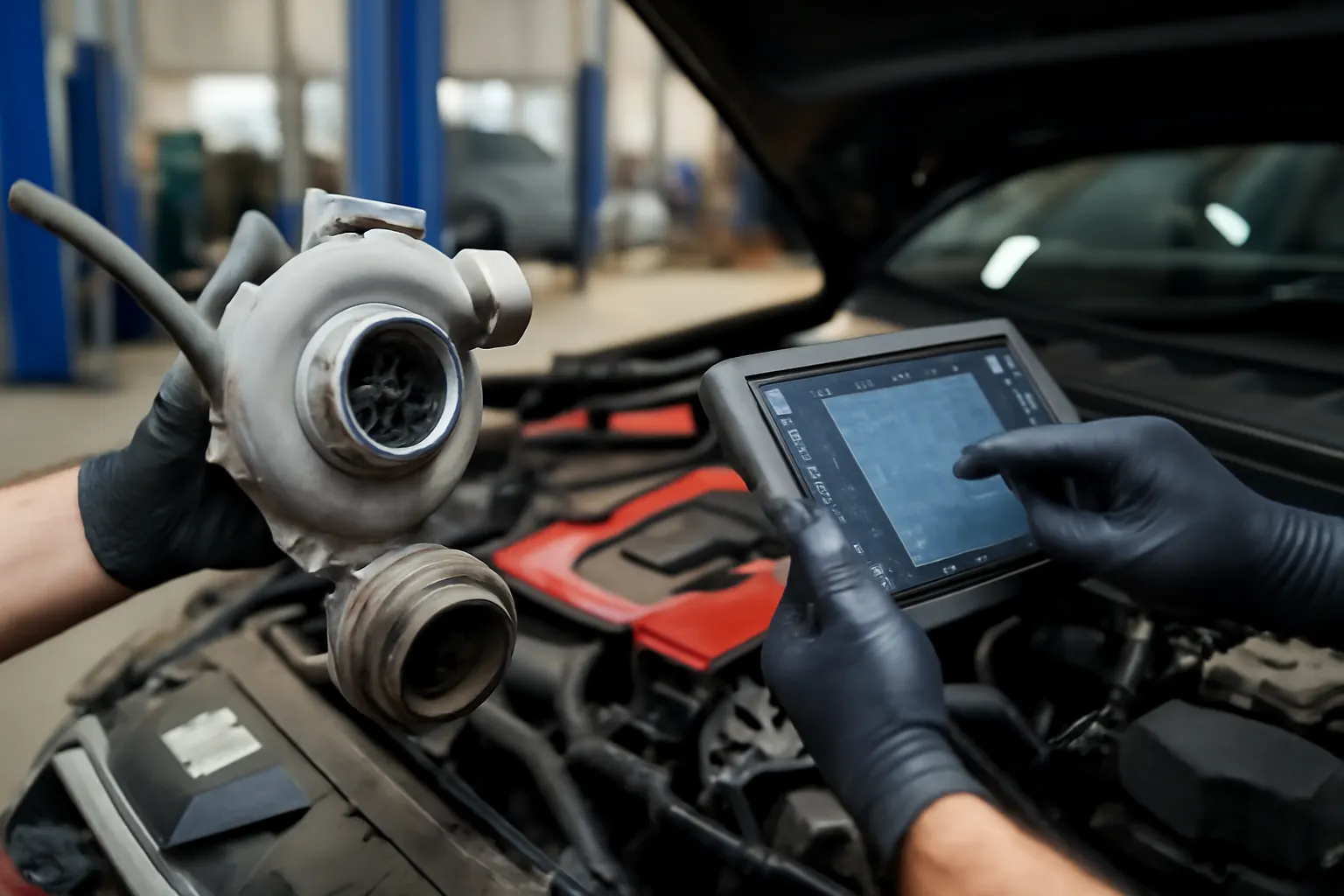
Turbocharging is at the heart of the Audi RS7’s explosive performance, but when turbo or PCV (Positive Crankcase Ventilation) system issues strike, they can sap power, trigger warning lights, and threaten engine longevity. This guide delivers immediate, field-tested diagnostic strategies for the RS7’s turbo and PCV system failures, so you can restore peak performance and avoid costly downstream damage. For a comprehensive look at RS7 parts, fitment, and maintenance, also visit our Audi RS7 Parts & Maintenance Guide: Precision Fitment, Common Issues, and Expert Sourcing.
The Immediate Answer: How to Diagnose Audi RS7 Turbo and PCV Failures
If your Audi RS7 is exhibiting symptoms like reduced power, excessive smoke, whistling noises, or check engine lights, start by scanning for diagnostic trouble codes (DTCs) with a VAG-compliant scan tool. Focus on codes related to boost pressure, air/fuel mixture, and PCV function. Physically inspect turbo hoses, intercooler connections, and the PCV valve for leaks, cracks, or oil residue. Addressing these issues quickly can prevent catastrophic turbo failure or engine damage.
The Hidden Problem: Why RS7 Turbos and PCV Systems Are Prone to Failure
Modern RS7 engines rely on twin turbochargers and a sophisticated PCV system to balance high performance with emissions compliance. However, the combination of high boost pressures, thermal cycling, and complex vacuum routing makes these components vulnerable. Small leaks, stuck valves, or worn seals can quickly escalate into major issues, especially under aggressive driving.
Technical Deep Dive: Understanding RS7 Turbo and PCV System Vulnerabilities
Turbocharger Fundamentals
The RS7’s 4.0L TFSI V8 utilizes twin turbochargers with electronically controlled wastegates. These turbos compress intake air, increasing engine power and efficiency. However, they operate under immense heat and pressure. Common vulnerabilities include:
- Compressor/turbine seal wear: Can lead to oil contamination and blue exhaust smoke.
- Wastegate actuator failure: Results in over- or under-boost conditions.
- Charge pipe leaks: Cause loss of boost and poor throttle response.
PCV System Basics
The PCV system manages crankcase vapors, routing them into the intake to be burned. On the RS7, the PCV valve is integrated with the valve cover and includes a complex maze of hoses and check valves. Failures here can cause:
- Rough idle and misfires
- Oil in intake piping
- High crankcase pressure, leading to oil leaks
Interconnected Issues
A failing PCV system can increase crankcase pressure, stressing turbo seals and accelerating turbocharger wear. Conversely, a turbo that leaks oil can quickly foul the PCV system, compounding drivability issues.
Recognizing Symptoms: How Turbo and PCV Problems Manifest in the RS7
Common Turbo Failure Symptoms
- Loss of Power: Noticeable reduction in acceleration, especially at high RPM.
- Excessive Smoke: Blue smoke (oil burning) or black smoke (rich mixture) from the exhaust.
- Unusual Noises: Whistling, siren-like sounds, or rattling under boost.
- Boost Pressure Codes: DTCs like P0299 (Underboost) or P0234 (Overboost).
PCV System Failure Symptoms
- Check Engine Light: Codes such as P0171 (System Too Lean) or P0507 (Idle Control System RPM High).
- Oil Consumption: Increased need to top up oil, visible oil in charge pipes.
- Rough Idle or Stalling: Especially when warm.
- Oil Leaks: At valve cover, turbo oil feed, or rear main seal.
Advertisement
Overlapping Signs
Because the turbo and PCV systems are linked, symptoms can overlap. For example, a failed PCV valve can cause oil to enter the turbo, resulting in both rough idle and blue exhaust smoke.
Step-by-Step Diagnostic Checklist for RS7 Turbo and PCV Issues
Use this hands-on checklist to systematically diagnose the source of your RS7’s performance woes:
| Step | Action | Tools Needed | Expected Findings |
|---|---|---|---|
| 1 | Scan for DTCs | VAG-COM or OBD-II Scanner | Boost/PCV related codes |
| 2 | Visual Inspection | Flashlight, mirror | Oil residue, cracked hoses, loose clamps |
| 3 | Boost Leak Test | Smoke machine or pressure tester | Air leaks at charge pipes/intercooler |
| 4 | Check PCV Valve | Remove valve cover, inspect diaphragm | Torn or stuck PCV diaphragm |
| 5 | Inspect Turbo Shafts | Remove intake, wiggle turbo shaft | Excessive play = worn bearings |
| 6 | Check for Oil in Intake | Remove charge pipe, inspect for oil | Oil presence = turbo/PCV issue |
| 7 | Listen for Noises | Stethoscope or by ear | Whistling, siren, rattling noises |
| 8 | Test Wastegate Actuators | Hand vacuum pump | Weak return or no movement = faulty actuator |
Field-Tested Solutions for Common RS7 Turbo and PCV Failures
Turbocharger Solutions
- Seal and Bearing Replacement: If excessive shaft play or oil leaks are found, the turbo must be rebuilt or replaced. Always use OEM or high-quality aftermarket units that meet SAE Standards.
- Charge Pipe and Intercooler Repair: Replace any cracked or oil-soaked hoses. Secure all clamps and verify no air is escaping under boost.
- Wastegate Actuator Replacement: If the actuator fails vacuum testing, replace with a calibrated unit to maintain proper boost levels.
PCV System Solutions
- PCV Valve Replacement: If the diaphragm is torn or stuck, replace the entire valve cover assembly (the PCV valve is not typically serviceable separately on the RS7).
- Hose and Check Valve Inspection: Replace any brittle, collapsed, or oil-soaked hoses. Ensure check valves only allow flow in the correct direction.
- Intake Cleaning: Remove and clean the intake tract of oil buildup to prevent future fouling.
Deeper Technical Insights: Why Early Detection Is Critical
The RS7’s turbochargers spin at over 150,000 RPM and are lubricated by engine oil under high pressure. Any restriction or contamination—often caused by PCV failure or oil leaks—can lead to rapid bearing wear and catastrophic turbo failure. Similarly, a malfunctioning turbo can pressurize the crankcase, overwhelming the PCV system and creating a feedback loop of failures.
Early detection and intervention not only prevent expensive repairs but also preserve fuel efficiency and emissions compliance, as highlighted by NHTSA equipment standards and DOE fuel efficiency guidelines.
Sourcing and Fitment Guidance: Getting the Right Parts for Your RS7
Turbocharger Sourcing Tips
- OEM vs. Aftermarket: OEM turbos guarantee fitment and durability, but reputable aftermarket units can offer performance gains. Ensure units are compatible with your specific RS7 model year and engine code.
- Part Number Verification: Always cross-check part numbers using a VIN-specific lookup to avoid costly returns.
- Gasket and Hardware Kits: Replace all gaskets, seals, and mounting hardware during installation to prevent leaks.
Advertisement
PCV System Sourcing Tips
- Integrated Valve Covers: The RS7’s PCV valve is often integrated into the valve cover. Choose assemblies from trusted sources, and avoid remanufactured units unless verified to meet OE standards.
- Hose Kits: Consider complete hose and check valve kits to address all potential leak points in one service.
For detailed compatibility advice, see our Audi Rs7 Parts Compatibility guide.
Installation and Maintenance Best Practices
Turbocharger Installation
- Pre-Lubrication: Prime the new turbo with clean engine oil before first start.
- Oil Feed and Return Lines: Always replace or thoroughly clean these lines to prevent debris from entering the new turbo.
- Torque Specifications: Adhere strictly to manufacturer torque specs for all fasteners to prevent leaks or warping.
PCV System Installation
- Cleanliness: Ensure all mating surfaces are free of oil and debris.
- Hose Routing: Follow factory diagrams to avoid pinched or kinked hoses.
- Check Valve Orientation: Install with flow direction matching OE setup.
Ongoing Maintenance
- Regular Oil Changes: Use approved synthetic oil and change at recommended intervals to protect turbo bearings.
- PCV System Inspections: Check for hose brittleness and oil leaks at every service.
- Boost Leak Checks: Perform periodic smoke tests, especially after high-performance driving events.
Advanced Diagnostics: When to Seek Professional Help
While many turbo and PCV diagnostics are DIY-friendly, certain scenarios warrant professional intervention:
- Persistent DTCs: If codes return after repairs, further investigation with advanced tools (e.g., smoke machines, borescopes) may be required.
- Major Oil Leaks: If oil leaks persist after PCV or turbo replacement, engine seals or internal damage may be involved.
- Turbo Rebuilds: Precision balancing and assembly are best left to specialists with the proper equipment.
Avoiding Recurring Failures: Proactive Steps for RS7 Owners
- Warm-Up and Cool-Down: Allow the engine to reach operating temperature before spirited driving, and idle for a minute before shutdown to cool the turbos.
- Quality Parts Only: Cheap aftermarket PCV valves and turbos often fail prematurely. Stick to OE or verified brands.
- Monitor Performance: Keep an eye on boost gauges, oil levels, and listen for new noises. Early intervention saves money.
Safety, Efficiency, and Regulatory Considerations
Faulty turbo or PCV systems not only reduce performance but can also compromise safety and emissions compliance. Oil leaks onto hot exhaust components are a fire hazard, while excessive crankcase pressure can force oil past seals, risking engine damage. Maintaining these systems aligns with NHTSA safety standards and helps keep your RS7 running efficiently in line with DOE recommendations.
The AutoPartEx Advantage: Your Partner in RS7 Turbo and PCV Solutions
At AutoPartEx, we combine technical expertise with a curated catalog of precision-fit RS7 parts. Whether you’re sourcing OEM turbos, PCV assemblies, or complete installation kits, our commitment is to quality, fitment accuracy, and up-to-date technical guidance. Every part is vetted to ensure compliance with industry standards and vehicle safety requirements.
For more detailed RS7 maintenance insights, see our Audi Rs7 Maintenance resource. For brake upgrades, compatibility, and more, browse our full Audi RS7 Parts & Maintenance Guide: Precision Fitment, Common Issues, and Expert Sourcing.
Take Action: Restore Your RS7’s Performance Today
Don’t let turbo or PCV issues sideline your Audi RS7. By following these diagnostic steps and sourcing quality parts, you can restore factory performance and reliability. For expert part selection, technical support, and the latest RS7 solutions, trust AutoPartEx as your go-to resource.
References
Advertisement