
Advertisement
Audi Rs5 Parts Sourcing
When it comes to maintaining, restoring, or upgrading your Audi RS5, sourcing the right parts is critical—especially as the RS5’s unique high-performance components can be rare or difficult to locate. Whether you're chasing OEM authenticity for a concours restoration, or seeking high-quality aftermarket solutions to improve reliability or performance, understanding the best sourcing strategies can save you time, money, and ensure optimal fitment. In this comprehensive guide, we’ll break down the most effective methods for sourcing RS5 parts, highlight hidden pitfalls, and provide actionable steps for enthusiasts and professional technicians alike. For a broader fitment overview, see the Audi RS5 Auto Parts & Technical Fitment Guide.
The Immediate Answer: Where to Find Audi RS5 Parts, Fast
If you need an RS5 component quickly—be it a control arm, specialized body panel, or an NHTSA-compliant safety system—the fastest, most reliable sources are:
- Authorized Audi dealerships: The gold standard for OEM parts, with guaranteed fitment and manufacturer support.
- Specialized European auto parts retailers: Both online and brick-and-mortar, these suppliers often stock both genuine and high-quality aftermarket RS5 components.
- Reputable salvage and dismantler networks: Especially for discontinued or rare parts, certified recyclers can provide OEM assemblies at a fraction of new-part cost.
- Aftermarket performance suppliers: For upgrades and replacements, look to brands with proven engineering for Audi platforms.
Each source comes with trade-offs in price, availability, and assurance of quality or safety compliance. The key is understanding which solution best meets your immediate and long-term needs.
The Hidden Problem: Rarity, Model Variations, and Compliance
On the surface, buying RS5 parts may seem straightforward. However, owners and technicians often encounter several hidden challenges:
- Component Rarity: Certain RS5 trims, years, and special editions use unique parts not shared with mainstream Audi models. These include suspension arms, carbon-ceramic brakes, bodywork, and electrical modules.
- Platform Differences: RS5s built on different generations (B8, B9, etc.) may have incompatible parts, even if they look similar externally. See Audi Rs5 Platform Differences for in-depth coverage.
- Regulatory Compliance: Safety-critical components must meet NHTSA and SAE standards. Some aftermarket or imported parts may not comply, risking performance and legality.
- Counterfeit and Substandard Parts: The RS5’s prestige and high part values make it a target for counterfeiters. Substandard parts can compromise safety and performance.
Without a strategic sourcing approach, these issues can lead to wasted time, incorrect fitment, safety risks, or even vehicle downtime.
Why Sourcing RS5 Parts Is Especially Challenging
The Audi RS5 is not a mass-market vehicle. Its high-performance drivetrain, advanced electronics, and unique bodywork set it apart from standard A5/S5 models. Here’s why sourcing its parts is more complex than for many other vehicles:
- Limited Production Runs: Fewer vehicles on the road means a smaller pool of recycled parts and less aftermarket support.
- Specialized Materials: RS5s often use advanced materials for weight reduction and performance—aluminum subframes, composite panels, carbon-ceramic brakes, and specialized electronics [see: Materials Technologies, U.S. DOE].
- Evolving Standards: Each RS5 generation introduces new technologies (e.g., adaptive dampers, advanced driver assistance), requiring precise part matching.
- Global Sourcing: Some parts may only be available from overseas suppliers, complicating shipping, customs, and compatibility.
Understanding these challenges is the first step toward building a robust parts sourcing strategy.
OEM vs. Aftermarket: What’s Right for Your RS5?
Choosing between Original Equipment Manufacturer (OEM) and aftermarket parts is a pivotal decision for every RS5 owner. Each has unique advantages and drawbacks:
OEM Parts
- Pros: Guaranteed fit, full compliance with safety and engineering standards (NHTSA, SAE), and often the only option for specialized components (e.g., MMI modules, adaptive suspension).
- Cons: High cost, limited availability for older or rare models, and sometimes long lead times.
Advertisement
Aftermarket Parts
- Pros: Lower cost, broader availability (especially for wear items), and opportunities for performance upgrades (e.g., forged wheels, sport exhausts).
- Cons: Varying quality—choose only from reputable brands that meet or exceed OEM specifications. Some may lack regulatory approval for safety systems.
Expert tip: For structural, safety, and electronic components, prioritize OEM or certified-equivalent aftermarket parts. For non-critical items or performance upgrades, high-quality aftermarket brands can deliver excellent value.
Key Sourcing Strategies for Rare RS5 Parts
When standard dealer channels fall short, use these advanced sourcing tactics:
1. Leverage Audi Specialist Networks
- Audi Performance Shops: Many maintain exclusive relationships with European suppliers and can source rare or discontinued parts.
- Online Forums and Owner Groups: Communities like Audizine or RS5 Facebook groups often share leads on hard-to-find items.
- Specialty Dismantlers: Reputable dismantlers specializing in performance Audis can provide tested OEM assemblies, often with limited warranties.
2. Cross-Reference Part Numbers
- Use Audi’s ETKA database or dealership parts catalogs to identify compatible part numbers across RS5 and other models. This can reveal interchangeability with S5, A5, or even certain Porsche or VW models.
- Caution: Always confirm with a VIN-based lookup to avoid minor but critical fitment differences.
3. International Sourcing
- European Suppliers: Some RS5 parts are more readily available in the EU, especially for right-hand-drive or special edition models.
- Importers: Use trusted importers who handle customs and verify part authenticity.
4. Remanufactured and Refurbished Components
- For NLA (No Longer Available) parts—such as ECUs, mechatronics, or carbon-ceramic rotors—look for certified remanufacturers with a track record in European performance vehicles.
Safety and Regulatory Considerations: Don’t Compromise
The RS5’s advanced safety systems and performance hardware require parts that meet strict standards:
- NHTSA Compliance: Safety equipment (airbags, seatbelts, crash sensors) must meet U.S. federal standards. Avoid non-compliant imports or used parts of unknown provenance [see: Vehicle Safety and Equipment, NHTSA].
- SAE Certification: Aftermarket components (brakes, lighting, suspension) should meet SAE standards for performance and reliability.
- Recalls and Service Bulletins: Always check for open recalls or technical bulletins related to the part you’re sourcing [see: NHTSA Recalls].
Expert tip: Document all part numbers and supplier details for future reference and warranty support.
Sourcing Checklist: Ensuring Fitment and Quality
Before purchasing any RS5 part—OEM or aftermarket—run through this checklist to minimize risk:
| Step | Action | Rationale |
|---|---|---|
| 1 | Confirm VIN and production date | Ensures exact model/trim compatibility |
| 2 | Cross-reference part numbers | Reveals supersessions and compatible variants |
| 3 | Verify supplier reputation | Check reviews, certifications, return policies |
| 4 | Request detailed photos/descriptions | Especially for used or rare items |
| 5 | Check for NHTSA/SAE compliance | Critical for safety and legal use |
| 6 | Compare pricing across multiple sources | Identifies market value and avoids overpaying |
| 7 | Understand warranty/return terms | Protects against defective or misrepresented parts |
| 8 | Confirm shipping and customs details | Especially for international orders |
By following this checklist, you can avoid the most common pitfalls in RS5 parts sourcing.
Diagnosing Parts Needs: When and What to Replace
Knowing exactly which RS5 components need replacement is half the battle. Here’s how to diagnose common parts issues:
1. Suspension and Steering
- Symptoms: Clunks, uneven tire wear, vague steering, or electronic error codes.
- Diagnosis: Visual inspection for worn bushings, damaged control arms, or leaking dampers. Use VCDS/OBD-II tools for electronic damper diagnostics.
- Parts to Source: Control arms, bushings, dampers (especially adaptive systems), tie rods.
2. Brakes
- Symptoms: Squealing, vibration, warning lights, or reduced stopping power.
- Diagnosis: Measure rotor thickness, inspect pads for uneven wear, check brake fluid for contamination.
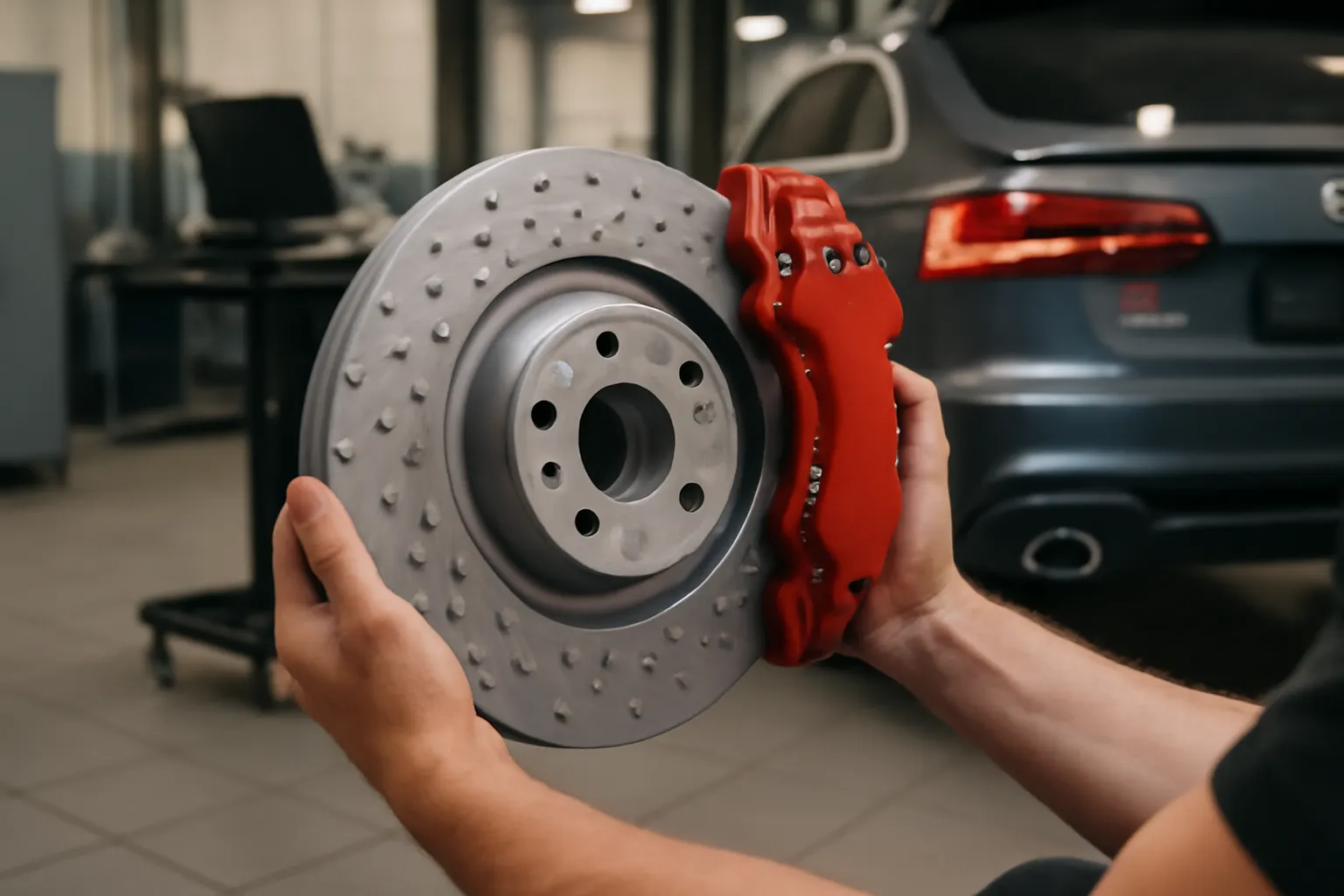
- Parts to Source: Pads, rotors (steel or carbon-ceramic), calipers, sensors.
3. Electronics
- Symptoms: Warning lights, non-functional MMI/navigation, intermittent sensor errors.
- Diagnosis: Scan for fault codes, inspect wiring/connectors, check for software updates or TSBs.
- Parts to Source: Sensors, control modules (ECU, TCU, MMI), wiring harnesses.
Advertisement
4. Body and Trim
- Symptoms: Damaged panels, missing trim, faded badges.
- Diagnosis: Visual inspection, compare with parts catalogs for correct fitment.
- Parts to Source: Bumpers, fenders, grilles, badges, interior trim.
For further troubleshooting, see our Audi Rs5 Electrical Diagnosis guide.
Evaluating Aftermarket Solutions: Performance vs. Reliability
The RS5 aftermarket offers everything from carbon fiber intakes to track-ready suspension kits. When choosing aftermarket parts:
- Performance Upgrades: Look for independent dyno/test results, SAE compliance, and proven track records. Brands specializing in Audi tuning (such as APR, 034Motorsport, or KW) are generally safer bets.
- Reliability Replacements: For standard wear items (filters, bushings, sensors), select aftermarket brands that match or exceed OEM specifications.
- Warranty and Support: Choose suppliers offering clear warranty terms and technical support.
Expert tip: Avoid “universal fit” parts for critical systems—RS5s often require platform-specific engineering.
Navigating Salvage and Used Parts Markets
Used and salvage parts can provide cost-effective solutions for hard-to-find RS5 components—but require extra diligence:
- Source from Reputable Dismantlers: Choose specialists who deal in late-model European performance vehicles and offer part testing/warranty.
- Inspect for Damage and Wear: Request detailed photos, part history, and VIN matching.
- Check for Recalls: Ensure the donor vehicle wasn’t subject to open recalls affecting the part in question.
Used parts are best for non-safety-critical items (interior trim, body panels, wheels). Exercise caution with airbags, seatbelts, and electronic control modules.
International Sourcing: Best Practices
Given the RS5’s European origins, many rare or discontinued parts are more accessible through international channels:
- Use Trusted Importers: They handle customs, taxes, and provide fitment guarantees.
- Verify Compatibility: European RS5s may have region-specific differences—always check part numbers and consult forums for cross-market fitment notes.
- Understand Shipping Risks: Factor in longer lead times and potential return complexities.
Expert tip: For extremely rare parts (e.g., special edition trim or EU-only options), consider group buys with other RS5 owners to reduce shipping costs.
Ensuring Proper Installation and Fitment
Sourcing the right part is only half the job—proper installation is crucial for safety and performance:
- Follow Manufacturer Procedures: Use Audi’s official workshop manuals or trusted sources for torque specs, calibration steps, and coding.
- Professional Installation: For advanced systems (brakes, electronics, suspension), consider professional installation at a specialist shop.
- Post-Installation Checks: Run diagnostics, road-test, and confirm system functionality (especially for safety and electronic components).
If you’re new to RS5 repairs, our Audi Rs5 Maintenance guide covers best practices for routine service and part longevity.
Maintaining a Sourcing Record: Documentation and Tracking
Keep detailed records of all parts sourced, including:
- Part numbers and descriptions
- Supplier contact details
- Purchase date and price
- Warranty information
- Installation notes
This documentation streamlines future maintenance, supports resale value, and helps in warranty or recall scenarios.
Leveraging AutoPartEx: Your RS5 Sourcing Ally
AutoPartEx is committed to supporting RS5 owners and technicians with:
- Curated Parts Catalogs: Direct access to OEM and high-quality aftermarket solutions, tailored to your RS5’s VIN and production details.
- Fitment Intelligence: Platform-specific fitment data, cross-references, and technical guides.
- Community Expertise: Up-to-date editorial content and troubleshooting resources.
For model-specific fitment data and the latest RS5 parts news, visit the Audi RS5 Auto Parts & Technical Fitment Guide.
Expert Action: Building Your Long-Term Sourcing Strategy
Sourcing RS5 parts is not a one-time task—it’s an ongoing process that benefits from strategy and community engagement:
- Network with Specialists: Build relationships with Audi performance shops, dismantlers, and online communities for insider access to rare parts.
- Stay Informed: Monitor technical bulletins, recalls, and new aftermarket releases.
- Document Everything: Maintain a digital log of all part purchases, installations, and supplier interactions.
- Prioritize Safety and Compliance: Never compromise on safety-critical components—choose NHTSA- and SAE-compliant parts.
With the right approach, you can keep your Audi RS5 performing at its peak—whether on the road, track, or show circuit.
References
Advertisement