
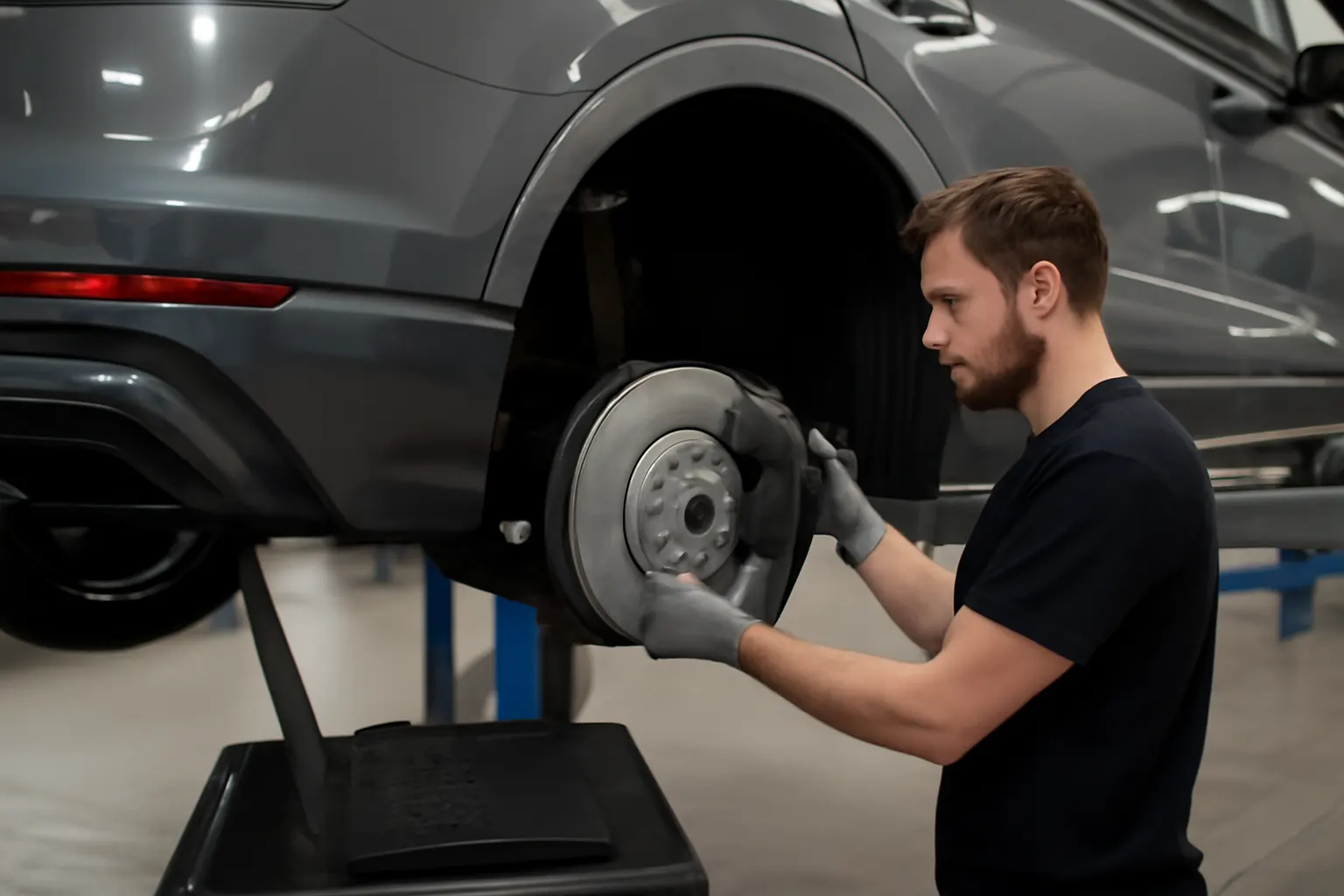
Audi Q8 Sq8 Rs Platform Comparison
Understanding the distinctions between Audi Q8, SQ8, and RS Q8 platforms is essential for anyone maintaining, repairing, or upgrading these high-performance SUVs. This comprehensive guide dives deep into technical differences, parts compatibility, and service strategies, empowering owners and technicians to make informed decisions when sourcing Audi SQ8 Parts & Maintenance: Model-Specific Guidance and Sourcing.
Immediate Answer: Key Differences at a Glance
The Audi Q8, SQ8, and RS Q8 share a common MLB Evo platform but diverge significantly in engine output, suspension technology, braking systems, and electronics. These differences directly impact parts compatibility and service approaches:
- Audi Q8: The base model, focusing on luxury and comfort, uses V6 engines and standard adaptive air suspension.
- Audi SQ8: The performance step-up, featuring a twin-turbocharged V8, advanced suspension, and upgraded brakes.
- Audi RS Q8: The flagship, tuned for maximum performance, with the most powerful V8, unique chassis reinforcements, and motorsport-grade components.
Parts interchangeability is limited primarily to body panels, some interior trim, and select suspension hardware. Engine, drivetrain, braking, and many electronic components are model-specific, requiring precise fitment checks before sourcing or installation.
The Hidden Problem: Platform Similarity Masks Critical Differences
While the Q8, SQ8, and RS Q8 outwardly appear similar and share a modular platform, their underlying engineering diverges in ways that can lead to costly mistakes:
- Assuming parts compatibility based on appearance or VIN prefix can result in improper fitment, safety risks, or performance issues.
- Service intervals and diagnostic procedures differ due to unique powertrains and electronic systems.
- Aftermarket parts catalogs may conflate listings, especially for suspension, brakes, and electrical components, compounding sourcing errors.
For professionals and enthusiasts, overlooking these distinctions can lead to misdiagnosis, installation failures, or even voided safety compliance per NHTSA equipment standards.
Deeper Technical Explanation: MLB Evo Architecture and Model-Specific Engineering
All three models—Q8, SQ8, RS Q8—are built on Audi's MLB Evo architecture, a modular longitudinal platform also underpinning the Q7 and Lamborghini Urus. However, the extent of shared components varies:
Body and Chassis
- Body Structure: All variants use a blend of high-strength steel and aluminum for rigidity and weight savings, as outlined by the Department of Energy's materials technologies.
- Chassis Reinforcements: The RS Q8 employs additional bracing and unique subframes to handle increased power and dynamic loads.
Powertrain
- Q8: Typically equipped with a 3.0-liter turbocharged V6 (gasoline or mild hybrid), optimized for efficiency and smoothness.
- SQ8: Uses a 4.0-liter twin-turbo V8 (petrol in North America), with higher output, sportier mapping, and model-specific cooling.
- RS Q8: Features a 4.0-liter twin-turbo V8 with RS-specific internals, tuning, and exhaust, delivering the highest output in the lineup.
Suspension and Brakes
- Q8: Standard adaptive air suspension, conventional anti-roll bars.
- SQ8: Upgraded air suspension with sport calibration, optional active roll stabilization, and larger brakes.
- RS Q8: Dynamic ride control, active roll stabilization, carbon-ceramic brake option, and unique bushings/mounts.
Electronics and Diagnostics
- Control Modules: Each model uses different software and hardware for engine, transmission, and chassis management.
- Driver Assistance: RS Q8 and SQ8 may feature enhanced driver assistance and performance telemetry not available on the Q8.
Engine and Drivetrain: Compatibility and Maintenance Insights
Engine and drivetrain differences are the most significant factors affecting parts sourcing and service strategy:
- Q8 Powertrain: The V6 engine uses a different block, intake, exhaust, and ancillary systems than the V8s, making direct swaps or upgrades infeasible.
- SQ8 vs. RS Q8 V8s: While both use a 4.0-liter twin-turbo V8, the RS Q8 features strengthened internals, unique turbochargers, and a more aggressive ECU map. Oil, coolant, and filter specifications also differ.
- Transmission: The Q8 and SQ8 typically use an 8-speed Tiptronic, but the RS Q8’s transmission is calibrated for higher torque and faster shifts.
Service Tip: Always reference the exact engine code (e.g., EA839 for V8s) and transmission model before ordering replacement parts or fluids. Consult Audi Sq8 Parts Fitment for cross-referencing part numbers.
Suspension Systems: Diagnostics and Upgrades
Suspension technology is a major differentiator:
- Q8: Adaptive air suspension provides comfort and basic ride height adjustment.
- SQ8: Sport-tuned air suspension, available active roll stabilization, and dynamic all-wheel steering.
- RS Q8: Adds Dynamic Ride Control (DRC), stiffer bushings, and standard active roll bars.
Common Issues:
-
Air spring leaks are more prevalent on SQ8 and RS Q8 due to higher loads.
-
Electronic suspension faults can trigger warning lights; diagnostics require model-specific scan tools and software.
Upgrade Path:
-
Retrofitting RS Q8 suspension components to Q8/SQ8 is not plug-and-play; mounting points, wiring, and control logic differ.
-
Always verify part numbers and consult wiring diagrams before attempting cross-model upgrades.
For more detailed troubleshooting, see Audi Sq8 Electrical Suspension Issues.
Braking Systems: Performance and Safety Considerations
Braking hardware varies dramatically:
- Q8: Standard cast-iron rotors and floating calipers.
- SQ8: Larger rotors, multi-piston calipers, upgraded pads.
- RS Q8: Massive carbon-ceramic rotors (optional), fixed multi-piston calipers, advanced ABS/ESC tuning.
Compatibility Warning: RS Q8 brake components are not directly compatible with Q8/SQ8 hubs, caliper brackets, or master cylinders. Attempting to retrofit RS Q8 brakes without proper adaptation can compromise safety and violate NHTSA safety equipment standards.
Inspection Checklist:
-
Confirm rotor diameter and thickness before ordering replacements.
-
Check caliper mounting points and brake line fittings.
-
Use only model-specific brake pads and sensors.
Electronics and Control Modules: Coding and Replacement
Each model’s control modules—engine, transmission, suspension, and infotainment—are programmed for unique operational parameters:
- ECU/TCU Compatibility: Attempting to swap control units between models will result in incompatibility errors and may immobilize the vehicle.
- Software Updates: RS Q8 and SQ8 receive more frequent performance and safety updates; always check manufacturer TSBs before reprogramming.
- Diagnostic Tools: Use VAG-compliant scan tools with current software for accurate fault code retrieval and adaptation.
Replacement Guidance:
-
Match part numbers exactly.
-
Verify coding requirements with Audi’s technical documentation.
-
For advanced repairs, dealer-level tools or specialist services are recommended.
Interior and Body Components: What’s Actually Interchangeable
While the exterior styling is similar, subtle differences affect parts fitment:
- Body Panels: Doors, roof, and glass are largely interchangeable, but bumpers, grilles, and spoilers differ (especially RS Q8, which uses unique aerodynamic elements).
- Seats and Trim: RS Q8 features sport seats, contrast stitching, and Alcantara unavailable on other models.
- Infotainment: All use MMI Touch Response, but RS Q8 offers additional performance displays and telemetry.
Compatibility Tip: Interior trim swaps (e.g., steering wheels, shifter knobs) are possible between SQ8 and RS Q8 but may require recoding for paddle shifters or drive mode buttons.
Fuel Efficiency and Emissions: Power vs. Economy
The Department of Energy highlights notable efficiency differences:
- Q8: Prioritizes economy, with EPA ratings higher than V8 models.
- SQ8: Sacrifices some efficiency for performance; expect lower MPG.
- RS Q8: Highest fuel consumption due to engine output and weight.
Service Implication: Use only manufacturer-recommended oils and filters to maintain emissions compliance and maximize efficiency. For more, see Fuel Efficiency.
Recalls, Safety, and Regulatory Compliance
Each model is subject to unique recall campaigns and safety requirements:
- NHTSA Recalls: Always check the NHTSA recalls database by VIN before sourcing critical components (e.g., airbags, seat belts, brake systems).
- Safety Equipment: RS Q8 may use advanced safety sensors or hardware not present in Q8/SQ8; confirm compatibility before ordering replacements.
Checklist: Recall and Safety Compliance
- Search VIN in the NHTSA recall database before major repairs.
- Confirm airbag, sensor, and restraint system part numbers.
- Replace recalled components only with OE or certified parts.
Sourcing Parts: Best Practices for Each Platform
Given the complexity and parts divergence, sourcing strategies must be model-specific:
- VIN Decoding: Always use the full 17-digit VIN to identify the exact model, engine code, and production date.
- OE Part Numbers: Cross-reference Audi’s ETKA or verified databases for part numbers.
- Supplier Verification: Use only reputable suppliers with model-specific inventory.
- Fitment Support: Leverage expert resources like Audi Sq8 Parts Fitment for compatibility checks.
- Aftermarket Caution: Avoid generic listings for critical components—especially brakes, suspension, and electronics.
Installation and Maintenance Considerations
Installation and maintenance procedures differ by model due to unique hardware and software:
- Torque Specs: Fastener specs can vary even for similar components (e.g., subframe bolts, wheel lugs).
- Fluid Specifications: Use only fluids meeting Audi’s latest standards for each engine and transmission variant.
- Service Intervals: The SQ8 and RS Q8 require more frequent inspections of brakes, suspension, and cooling systems due to higher performance loads. Refer to Audi Sq8 Service Intervals for detailed schedules.
Pro Tip: Document all part numbers and service procedures in your records for future reference and warranty support.
Diagnostic Strategies: Avoiding Common Pitfalls
Misdiagnosis is common when technicians assume cross-model compatibility. To avoid costly errors:
- Scan Tools: Use VAG-compliant diagnostic tools with up-to-date software.
- Wiring Diagrams: Reference model-specific diagrams; differences in harness routing and connector types are common.
- Test Drives: After repairs, perform adaptive learning procedures and dynamic tests, especially on RS Q8 with advanced chassis systems.
Common Mistakes:
-
Installing Q8 suspension components on an SQ8 or RS Q8, resulting in handling or warning light issues.
-
Swapping ECUs without proper coding, leading to immobilizer faults.
-
Using non-approved fluids, causing premature wear or system failure.
Checklist: Platform Comparison and Fitment Essentials
| Component | Q8 | SQ8 | RS Q8 | Interchangeability |
|---|---|---|---|---|
| Engine | 3.0L V6, mild hybrid | 4.0L twin-turbo V8 | 4.0L twin-turbo V8 (RS spec) | No |
| Transmission | 8-speed Tiptronic | 8-speed Tiptronic (sport tune) | 8-speed Tiptronic (RS tune) | Limited |
| Suspension | Adaptive air | Sport air, active roll bar opt. | DRC, active roll bars std. | Mostly no |
| Brakes | Cast iron, floating caliper | Larger, multi-piston caliper | Carbon-ceramic option | No |
| Control Modules | Standard | Performance-tuned | RS-specific | No |
| Body Panels | Mostly shared | Mostly shared | Some unique (bumpers, grille) | Partial |
| Interior Trim | Standard | Sport, premium | RS exclusive | Partial |
| Infotainment | Standard MMI | Enhanced MMI | RS performance displays | Partial |
Path Forward: Making the Right Platform-Specific Choices
Whether you’re a DIY enthusiast, independent technician, or fleet manager, the key to successful Audi Q8/SQ8/RS Q8 maintenance is recognizing the limits of platform commonality. Always:
- Decode the VIN and engine code before sourcing or installing parts.
- Reference OE part numbers and technical bulletins.
- Use model-specific diagnostic and installation procedures.
- Confirm fitment with trusted resources and suppliers.
For ongoing maintenance and advanced fitment support, refer to our Audi SQ8 Parts & Maintenance: Model-Specific Guidance and Sourcing hub, which aggregates the latest technical data, fitment charts, and service bulletins for all three platforms.
Why AutoPartEx? Precision Fitment for Every Audi Platform
At AutoPartEx, we specialize in demystifying complex platform differences and ensuring you get the right part, every time. Our editorial and technical teams continuously update guides, fitment databases, and troubleshooting resources to keep pace with evolving Audi engineering. By choosing AutoPartEx, you reduce the risk of sourcing errors, save time on diagnostics, and ensure your Q8, SQ8, or RS Q8 receives the platform-specific care it deserves.
Explore our full catalog, expert guides, and advanced fitment tools to streamline your next Audi project—whether it’s routine maintenance or a performance upgrade.