
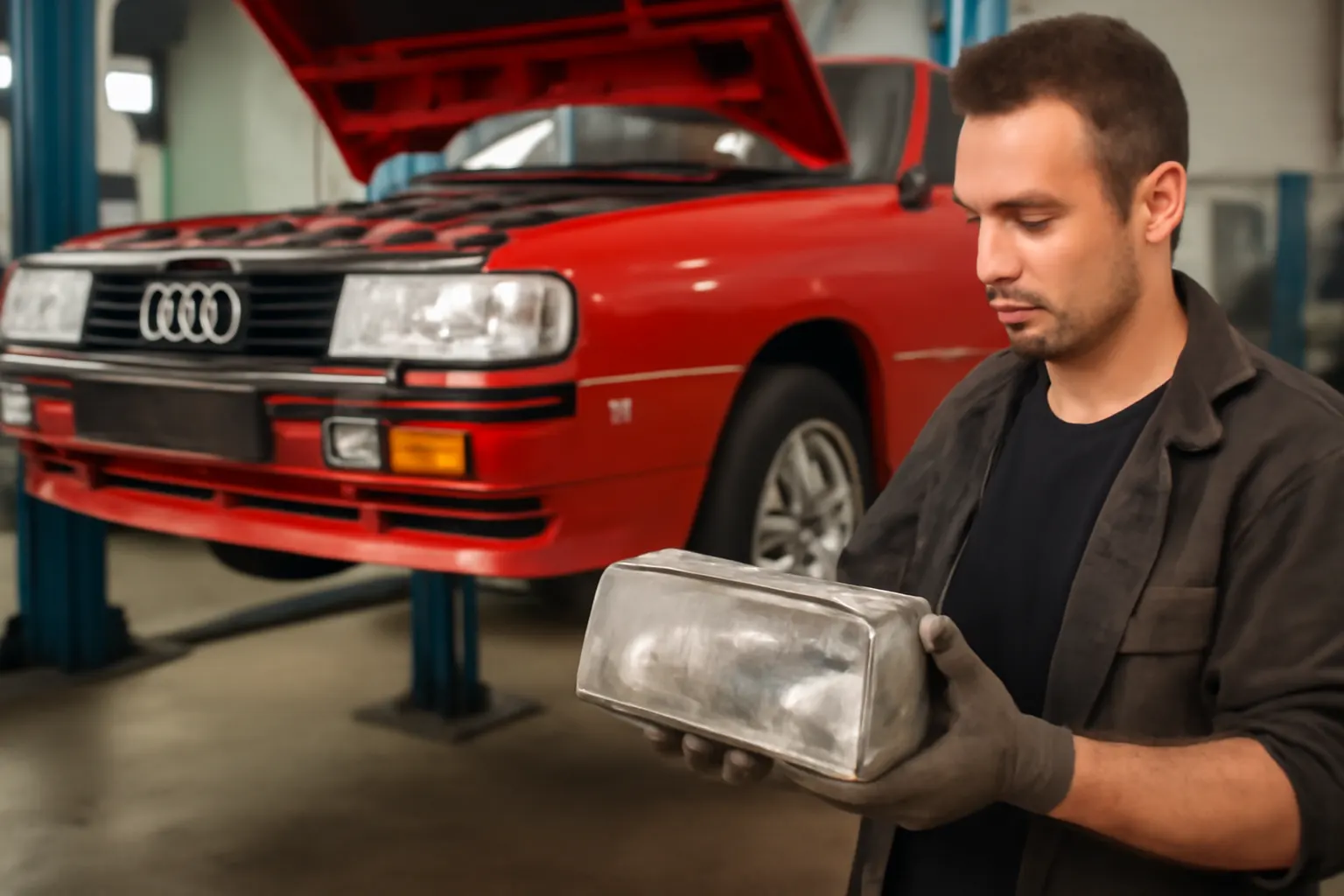
Audi Classic Parts Sourcing
Sourcing rare Audi Sport Coupe parts requires a blend of technical knowledge, patience, and trusted connections. Whether you’re restoring a B2-generation Audi Coupe GT or maintaining a Quattro, knowing where to find authentic, correctly fitting components is essential for safety, performance, and value retention. This guide delivers actionable case studies, expert fitment checklists, and proven strategies for verifying authenticity and sourcing from reputable suppliers. For a broader overview of compatible parts and maintenance, see our Audi Sport Coupe: Genuine Parts, Maintenance, and Fitment Guide.
The Immediate Answer: Where and How to Source Rare Audi Sport Coupe Parts
If you’re searching for rare Audi Sport Coupe parts, start with these proven channels:
- Authorized Audi Classic Parts Programs: Audi Tradition and select European Audi dealerships offer NOS (new old stock) and remanufactured parts.
- Specialist Distributors: Reputable suppliers like Classic Parts Shack, Audi Heritage, and German-based specialists carry both OE and high-quality reproduction components.
- Enthusiast Forums and Clubs: Audi-specific communities such as Classic Audi, AudiWorld, and QuattroWorld host buy/sell sections and connect you with seasoned collectors.
- Global Online Marketplaces: eBay, Kleinanzeigen, and mobile.de provide access to rare parts, though buyer diligence is crucial.
- AutoPartEx Fitment Tools: Use our Audi B2 Fitment Checklist to cross-reference part numbers and ensure compatibility.
But the process doesn’t end at finding a listing. Verifying authenticity, fitment, and supplier reliability is where many Audi owners encounter hidden pitfalls.
The Hidden Problem: Authenticity, Fitment, and Supplier Reliability
Classic Audi Sport Coupes, especially the B2 platform, share components with other models—but subtle differences in trim, year, and market specification can make or break a restoration. Fake, misrepresented, or incorrectly catalogued parts are a persistent issue. In addition, the global nature of classic Audi parts sourcing introduces risks: counterfeit items, incorrect fitment, or subpar remanufactures that don’t meet OEM standards.
These problems can lead to:
- Safety Risks: Non-genuine or ill-fitting components can compromise braking, steering, and crashworthiness (NHTSA Equipment).
- Performance Degradation: Incorrect engine, drivetrain, or suspension parts can reduce fuel efficiency and handling (DOE Fuel Efficiency).
- Value Loss: Collectors and insurers may devalue cars fitted with non-original or poorly matched parts.
Understanding these risks is key to a successful sourcing strategy.
Beyond the Obvious: Why Sourcing Audi Classic Parts Is Technically Complex
Audi’s B2 Sport Coupes (1979–1988) were manufactured with a mix of region-specific components, frequent mid-year updates, and evolving materials technologies (DOE Materials Technologies). As a result, part numbers, finishes, and even mounting points can vary between models and production years.
Common Technical Complexities:
- VIN-Specific Differences: Suspension geometry, wiring harnesses, and body panels may differ by chassis number.
- Material Evolution: Original components may use alloys or plastics no longer in production, affecting both availability and durability.
- Regulatory Variations: US, European, and ROW (rest of world) models often have different lighting, emissions, and safety equipment.
- SAE and Manufacturer Standards: Replacement parts must meet or exceed original engineering and safety standards (SAE Standards).
A methodical, technically informed approach is critical to avoid costly mistakes.
Case Study 1: Sourcing a Genuine Audi B2 Coupe GT Front Bumper
Scenario:
A restorer in California needs a front bumper for a 1985 Audi Coupe GT, US specification. After months of searching, they find a used bumper on a German classifieds site.
Technical Steps and Lessons:
- Part Number Verification: The restorer cross-references the part number (811 807 103G) with Audi’s ETKA catalog and the Audi B2 Fitment Checklist. They confirm it matches US Coupe GTs from 1984-1987.
- Authenticity Checks: Detailed photos reveal correct Audi four-ring stamping, OE mounting tabs, and original paint code sticker.
- Supplier Vetting: The seller provides references from Audi forums and proof of previous international shipments.
- Shipping and Import: The part is professionally crated, insured, and shipped via air freight with customs documentation.
Result:
The bumper fits perfectly, retains original crash structure, and passes both visual and technical inspection. The restorer’s diligence prevented a costly mismatch.
Case Study 2: Navigating Reproduction Versus NOS Parts for Interior Trim
Scenario:
An enthusiast in the UK seeks a replacement dashboard vent for a 1983 Audi Quattro. NOS (new old stock) is unavailable, but a reproduction is offered by a specialist.
Technical Steps and Lessons:
- Material Comparison: The buyer requests detailed photos and a sample of the reproduction material. They check for UV resistance and flexibility, referencing DOE Materials Technologies.
- Fitment Test: The vendor provides dimensional drawings. The buyer compares these to the original part, using calipers and the Audi B2 Fitment Checklist.
- Installation Trial: The reproduction vent is installed provisionally—mounting tabs align, airflow matches OE, and the finish is visually indistinguishable.
Result:
The reproduction part meets OEM standards for appearance and function. The buyer documents the process for future reference, ensuring traceability for insurance and resale.
How to Verify Audi Classic Part Authenticity
The authenticity of classic Audi parts is crucial for safety, value, and fitment. Use this checklist before purchasing:
Audi Classic Part Authenticity Checklist
| Step | Action |
|---|---|
| Part Number Verification | Cross-reference with ETKA, Audi Tradition, or Audi B2 Fitment Checklist |
| Manufacturer Markings | Inspect for Audi rings, date codes, and OE supplier logos |
| Documentation | Request invoices, provenance, or packaging photos |
| Material and Finish | Compare with known originals; check for correct color, texture, weight |
| Community Feedback | Ask for references or feedback on forums (e.g., Classic Audi, AudiWorld) |
| Supplier Reputation | Research seller’s history, reviews, and return policy |
| Regulatory Compliance | Ensure part meets NHTSA and SAE standards (NHTSA Equipment) |
Following these steps reduces the risk of buying counterfeit or incorrect parts.
Fitment Challenges: Common Pitfalls and How to Avoid Them
Fitment issues are frequent when sourcing classic Audi parts, especially across international markets and model years. Even seemingly identical parts may differ in subtle but critical ways.
Typical Fitment Pitfalls
- Mounting Point Variations: Brackets, holes, and clips may differ between years or trim levels.
- Electrical Connector Types: US and European models often use incompatible plugs and harnesses.
- Material Substitutions: Later replacement parts may use different plastics or alloys, affecting durability and fit.
- Regulatory Differences: Lighting assemblies, bumper reinforcements, and emissions components vary by market (NHTSA Equipment).
How to Avoid Fitment Errors
- Always verify part numbers with multiple sources.
- Request detailed measurements and compare with your original part.
- Use fitment checklists and consult community experts.
- When in doubt, source from suppliers specializing in your model and market.
Trusted Supplier Types and How to Vet Them
Not all suppliers are equal. Understanding the types of suppliers and how to vet them is essential for sourcing safely.
Supplier Categories
- OEM and Dealer Networks: Audi Tradition, official dealerships.
- Specialist Distributors: Companies focusing on classic Audi and VAG parts.
- Enthusiast Collectors and Clubs: Individuals with stockpiled NOS or used parts.
- Online Marketplaces: eBay, Kleinanzeigen, mobile.de.
Supplier Vetting Steps
- Check for Industry Affiliations: Membership in classic car associations or recognized trade groups.
- Review Return and Warranty Policies: Legitimate suppliers offer clear terms.
- Seek Community References: Ask for feedback on forums or social media groups.
- Request Detailed Documentation: Invoices, photos, and provenance add credibility.
- Assess Communication: Prompt, transparent communication is a good sign.
Diagnostic Guidance: Assessing Used Audi Sport Coupe Parts
When NOS or reproduction parts are unavailable, used components may be your only option. Careful diagnosis is needed to ensure safety and longevity.
Diagnostic Steps for Used Parts
- Visual Inspection: Look for cracks, corrosion, and previous repairs.
- Functional Testing: For electrical or mechanical parts, test continuity, movement, and resistance.
- Material Integrity: Check for fatigue, warping, and UV damage, especially in plastics and rubbers.
- Compatibility Check: Confirm part number and physical dimensions against your vehicle.
Red Flags
- Evidence of crash damage or non-OEM repairs.
- Faded or missing manufacturer markings.
- Signs of heat or chemical exposure.
If in doubt, consult a professional or reference the Audi Sport Coupe Maintenance Guide for additional diagnostic procedures.
Installation and Maintenance: Ensuring Longevity and Safety
Proper installation and maintenance are as critical as sourcing the right part. Even genuine components can fail prematurely if installed incorrectly or neglected.
Installation Best Practices
- Follow OEM Torque Specs and Procedures: Use factory manuals or community-verified guides.
- Replace Related Hardware: Install new fasteners, gaskets, or bushings as needed.
- Use Correct Tools: Avoid damaging plastics or threads with improper tools.
- Document the Process: Keep records for future reference and resale value.
Maintenance Recommendations
- Regular Inspection: Periodically check installed parts for signs of wear or loosening.
- Protect Vulnerable Materials: Use UV protectants on plastics and corrosion inhibitors on metals (Audi B2 Corrosion Prevention).
- Monitor Performance: Stay alert for changes in noise, vibration, or handling after installation.
Regulatory and Safety Considerations
Classic Audi parts must comply with modern safety and regulatory standards, especially regarding critical systems like brakes, lighting, and seat belts.
- NHTSA Standards: Replacement parts must meet federal safety requirements (NHTSA Equipment).
- SAE Engineering Standards: Critical for lighting, glass, and structural components (SAE Standards).
- Recall Awareness: Check for applicable recalls before installation (NHTSA Recalls).
Non-compliance can lead to inspection failures, legal issues, or compromised occupant safety.
Materials Technology: The Challenge of Obsolete Alloys and Plastics
Audi’s use of advanced materials in the B2 era means some original parts are now difficult to reproduce. For example, magnesium transmission cases, specific interior plastics, and unique rubber compounds are often unavailable or have modern equivalents with different characteristics.
Tips for Handling Obsolete Materials:
- Seek NOS When Possible: Original materials offer the best fit and longevity.
- Vet Reproductions Carefully: Ask for technical data sheets and test results.
- Monitor for Degradation: Some original materials, especially plastics, may become brittle with age.
- Consider Modern Alternatives: Where safety is not compromised, modern materials may offer improved durability.
Community Resources: Leveraging Forums, Clubs, and Social Networks
The Audi classic car community is an invaluable resource for parts sourcing, technical advice, and supplier recommendations.
Recommended Communities
- Classic Audi Forum: UK-based, strong B2 knowledge base.
- AudiWorld and QuattroWorld: US-centric, active classifieds and tech forums.
- Facebook Groups: “Audi B2 Owners,” “Audi Classic Parts Market,” and similar groups.
How to Use Community Resources Effectively:
- Search for previous sourcing threads and supplier reviews.
- Post detailed WTB (want to buy) listings with part numbers and photos.
- Network with collectors who may have rare NOS stock.
The AutoPartEx Advantage: Trusted Fitment and Sourcing Support
AutoPartEx is committed to supporting the Audi Sport Coupe community with accurate fitment data, curated supplier lists, and technical expertise. Our guides, such as the Audi B2 Fitment Checklist, help you cross-reference part numbers and avoid costly mistakes. For broader maintenance and compatibility information, visit our Audi Sport Coupe: Genuine Parts, Maintenance, and Fitment Guide.
We combine verified technical sources, community insights, and industry standards to help you source, verify, and install rare Audi parts with confidence.
Expert Action: Your Next Steps for Successful Audi Classic Parts Sourcing
- Document Your Needs: List required parts with detailed photos, part numbers, and vehicle VIN.
- Research Thoroughly: Use OEM catalogs, the Audi B2 Fitment Checklist, and community resources.
- Vet Suppliers: Prioritize trusted, well-reviewed sources and request documentation.
- Verify Authenticity and Fitment: Cross-check with multiple references and, if possible, arrange for provisional test fits.
- Prioritize Safety and Standards: Ensure all parts meet NHTSA and SAE requirements.
- Maintain Records: Keep all correspondence, invoices, and installation notes for future reference.
By following these steps—and leveraging AutoPartEx resources—you can navigate the complexities of Audi classic parts sourcing with confidence, preserving both the safety and value of your Sport Coupe.