
Advertisement
Amc Window Switch Troubleshooting
When your AMC's power windows stop responding, the window switch is a likely culprit. This comprehensive troubleshooting guide covers common AMC window switch failure patterns, step-by-step diagnostics, and proven replacement strategies. Whether you're restoring an AMC classic or maintaining a daily driver, resolving window switch issues is crucial for safety, comfort, and compliance with modern equipment standards. For a complete overview of AMC cab parts and related diagnostics, visit the AMC Cab Parts – OEM Fitment, Diagnostics & Sourcing Guide.
Immediate Solution: Restoring AMC Power Window Function
If your AMC's power windows fail to operate, start by checking the window switch itself. The most common fix is to replace a worn or faulty switch, which is a straightforward process for most AMC models. In many cases, cleaning the switch contacts or ensuring proper wiring connections can restore functionality without needing a full replacement. Use the following checklist to quickly assess and address the most frequent AMC window switch problems:
Quick AMC Window Switch Troubleshooting Checklist:
- Confirm power: Turn the ignition key to "on" and test all window switches.
- Check all windows: If none work, suspect a fuse or wiring issue; if one is out, focus on that switch.
- Listen for noise: If the motor hums but the window doesn't move, the issue may be mechanical, not electrical.
- Inspect switch movement: Sticky or loose-feeling switches often indicate internal wear.
- Test with bypass: Use a jumper wire to bypass the switch and power the window motor directly.
If these initial steps don't resolve the issue, proceed to deeper diagnostics as outlined below.
The Hidden Problem: Why AMC Window Switches Fail
While worn-out switches are a common cause of window malfunctions, hidden issues often lurk deeper in the system. AMC cab electrical systems—especially in older and classic models—are prone to several subtle faults:
- Corroded terminals: Moisture intrusion or age-related corrosion can impede electrical flow.
- Wiring fatigue: Repeated door opening/closing stresses harnesses and connectors, causing intermittent faults.
- Aged switch contacts: Internal switch contacts oxidize or wear, resulting in high resistance or dead spots.
- Incorrect replacement parts: Aftermarket or incorrect switches may not match OEM fitment, causing improper function.
These subtle issues often manifest as intermittent window operation, slow movement, or total failure, making accurate diagnosis essential.
Understanding AMC Window Switch Systems
AMC vehicles, particularly those from the 1970s and 1980s, employ relatively simple but robust power window circuits. The window switch acts as a polarity-reversing control, sending current to the window motor to raise or lower the glass. Key system components include:
- Master switch: Usually located on the driver's door, controls all windows.
- Individual switches: Passenger doors typically have their own switches.
- Window motor: Receives power from the switch, drives the window regulator.
- Wiring harness: Connects switches, motors, and power sources.
- Fuses and relays: Protect and control the circuit.
Understanding this architecture is critical for effective troubleshooting and ensuring replacement parts meet original specifications. Reference standards from SAE International and NHTSA stress the importance of correct part selection for both safety and reliability [1] [2].
Common Failure Patterns in AMC Window Switches
Through decades of field reports and technical bulletins, several failure modes have emerged as most prevalent in AMC power window switches:
Advertisement
- Complete failure: No response from one or all switches, often due to worn contacts or blown fuses.
- Intermittent operation: Windows work sporadically, commonly caused by corroded terminals or loose connectors.
- One-way function: Window only moves up or down, not both—usually indicates a failed switch pole or broken internal spring.
- Physical breakage: Switch toggles break off or become stuck, especially in high-use locations.
Recognizing these patterns allows for faster root-cause diagnosis and more efficient repairs.
Step-by-Step Diagnostic Process
Thorough diagnostics are essential to avoid unnecessary replacement and ensure the root problem is addressed. Use the following structured approach:
1. Verify Power Supply
- Check the relevant fuse in the fuse box (consult your AMC manual or AMC Cab Part Numbers for specifics).
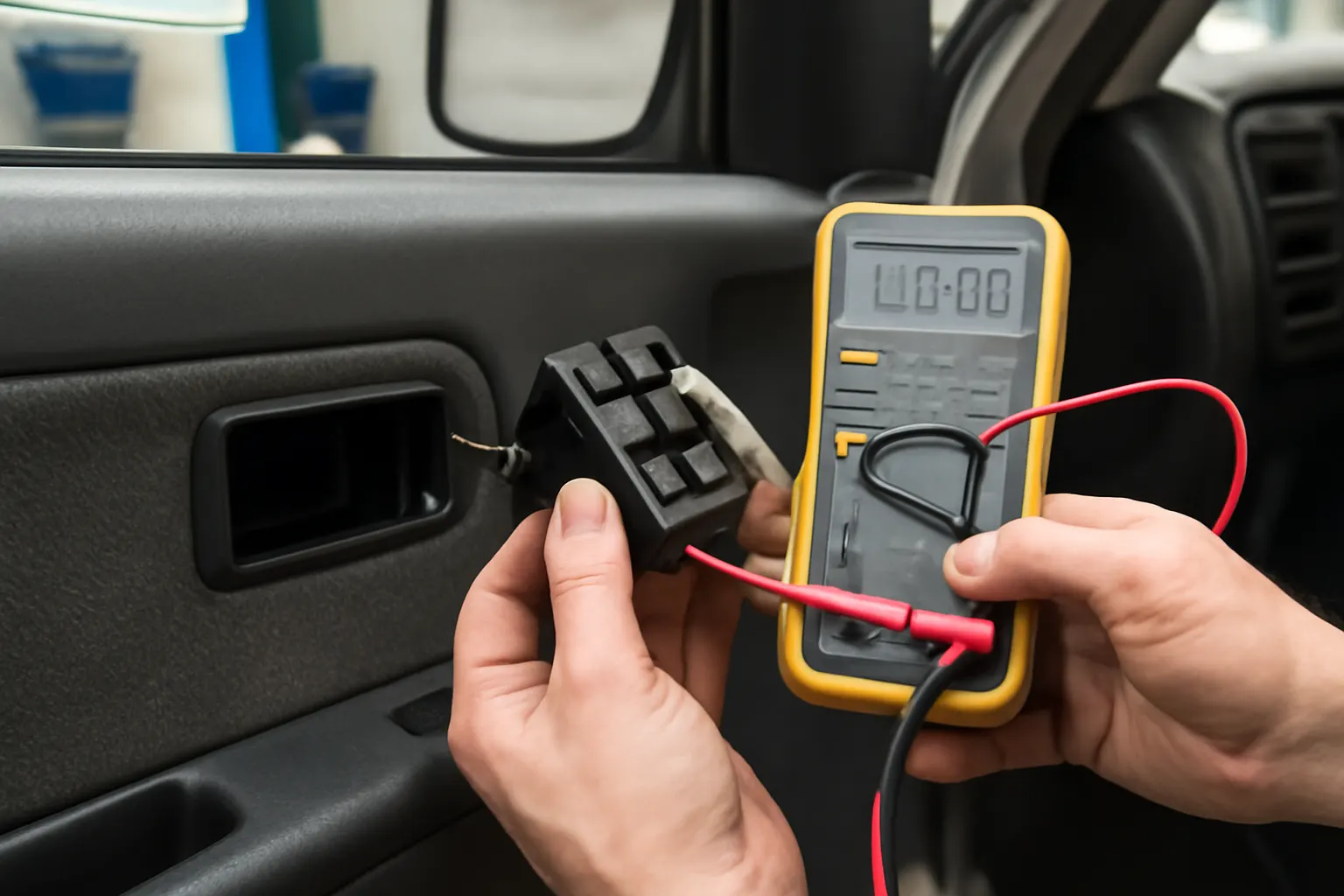
- Use a multimeter to test voltage at the switch connector with ignition "on."
- Inspect for signs of water intrusion or corrosion around the fuse panel.
2. Test Switch Functionality
- Remove the switch from the door panel.
- Use a continuity tester or multimeter to check for contact across terminals as the switch is toggled.
- Compare readings to AMC wiring diagrams (available in service manuals or through restoration resources).
3. Inspect Wiring and Connectors
- Check for pinched, chafed, or broken wires in the door jamb harness.
- Wiggle wires with the switch actuated to detect intermittent faults.
- Clean terminals with electrical contact cleaner.
4. Bypass Switch (Advanced)
- Use jumper wires to directly apply power to the window motor.
- If the window moves, the switch or wiring is at fault; if not, suspect the motor or regulator.
5. Test All Related Switches
- If only one window is inoperative, swap the switch with a known good one from another door, if possible.
- If multiple windows fail, focus on the master switch or shared wiring.
In-Depth: Electrical Testing Techniques
Accurate electrical testing is the backbone of effective AMC window switch troubleshooting. Use these methods for precise diagnosis:
- Continuity Test: With the switch removed, set your multimeter to continuity mode. Touch probes to the switch's input and output terminals while toggling the switch. No beep or resistance change indicates a failed internal contact.
- Voltage Drop Test: With the circuit powered, measure voltage at the switch input and output while operating the window. A significant voltage drop (>1V) across the switch suggests high resistance due to wear or corrosion.
- Load Test: Apply a known load (such as a test lamp) through the switch circuit to ensure it can handle operational current. Flickering or dim lamp indicates marginal contacts.
These tests align with NHTSA and SAE standards for electrical equipment diagnostics [1] [2].
Mechanical Considerations: When It's Not the Switch
Not all power window failures trace back to the switch. Mechanical issues can mimic electrical faults:
- Window regulator wear: A worn or seized regulator can overload the switch circuit, causing overheating or erratic operation.
- Stuck window tracks: Dirt or misalignment increases resistance, making it seem like the switch is weak or intermittent.
- Motor failure: A dead or dying window motor may draw excessive current, damaging the switch over time.
Always inspect the mechanical aspects of the window system if electrical diagnostics do not identify a clear fault.
Sourcing the Correct AMC Window Switch
OEM fitment is critical for reliable window switch replacement in AMC vehicles. Aftermarket switches may not match original connector shapes, pinouts, or mounting dimensions, leading to poor performance or safety risks. When sourcing a replacement:
- Reference AMC part numbers: Cross-check with Amc Cab Part Numbers to ensure correct fit.
- Compare connector styles: AMC used both rectangular and oval connectors in different years and models.
- Inspect mounting provisions: Verify that the new switch will fit securely in the door panel or console opening.
- Check for OEM or high-quality aftermarket options: Avoid generic "one-size-fits-all" switches.
Advertisement
For rare or discontinued switches, consider reputable restoration suppliers or salvage yards specializing in AMC vehicles.
Installation Guidance: Replacing an AMC Window Switch
Proper installation ensures both safety and longevity. Follow these best practices:
- Disconnect the battery: Prevent accidental short circuits during installation.
- Remove door trim panel: Use a trim removal tool to avoid damage to clips and upholstery.
- Label connectors: If multiple connectors are present, label them to avoid confusion during reassembly.
- Install new switch: Securely seat the switch in its mounting location and connect all terminals.
- Test before reassembly: Confirm window function in both directions before reinstalling the door panel.
- Inspect for smooth operation: Ensure the switch toggles crisply and the window moves freely.
Installation should adhere to NHTSA equipment safety standards [1].
Preventive Maintenance for AMC Window Switches
Extend the life of your AMC window switches and minimize future failures with these maintenance tips:
- Regularly clean switch contacts: Use electrical contact cleaner during routine interior detailing.
- Inspect door weatherstripping: Replace cracked or missing seals to prevent water intrusion.
- Operate all windows periodically: This keeps internal contacts free of corrosion and ensures even wear.
- Lubricate window tracks: Reduces strain on both the motor and switch.
Routine maintenance not only improves reliability but also supports vehicle safety and comfort.
Advanced Troubleshooting: Unusual or Intermittent Faults
Some AMC window switch issues defy standard diagnostics, especially in vehicles with prior modifications or extensive age. Advanced troubleshooting may involve:
- Oscilloscope testing: For tracking intermittent voltage drops or signal noise.
- Thermal imaging: Identifies overheating in switches or connectors, indicating excessive resistance.
- Wiring harness replacement: In cases of chronic intermittent faults due to internal wire breakage.
Document all findings and repairs for future reference, especially if the vehicle is part of a restoration project.
Safety, Compliance, and the Role of Window Switches
Power window switches are not merely convenience features; they play a direct role in occupant safety and vehicle compliance. According to the National Highway Traffic Safety Administration, malfunctioning window switches can impede egress during emergencies and may be subject to equipment recalls [1] [3]. Ensuring your AMC's window switches operate correctly is part of responsible vehicle ownership and may be required for registration or inspection in certain jurisdictions.
When to Seek Professional Help
Certain scenarios warrant professional diagnosis or repair:
- Failed diagnosis after all steps: If you've followed all troubleshooting steps and the fault persists.
- Evidence of wiring harness damage: Especially if multiple systems (locks, mirrors) are affected.
- Restoration of rare or high-value AMC models: OEM fitment and preservation may require expert handling.
Certified automotive electricians or restoration specialists have access to advanced diagnostic tools and rare parts sources, ensuring a correct and safe repair.
AutoPartEx: Your Partner in AMC Cab Part Troubleshooting
At AutoPartEx, we understand the unique challenges of maintaining and restoring AMC vehicles. Our technical content, sourcing guides, and diagnostic resources are tailored to the AMC enthusiast and professional alike. Explore our AMC Cab Parts – OEM Fitment, Diagnostics & Sourcing Guide for comprehensive coverage of switches, regulators, dash pads, seat tracks, and more. Whether you're sourcing rare OEM parts or seeking step-by-step installation help, AutoPartEx is your trusted resource.
For related procedures, see our guides on Amc Dash Pad Installation and Amc Seat Track Replacement, or consult the full AMC parts number catalog for precise fitment data.
References
Advertisement