
Advertisement
Amc Restoration Blog
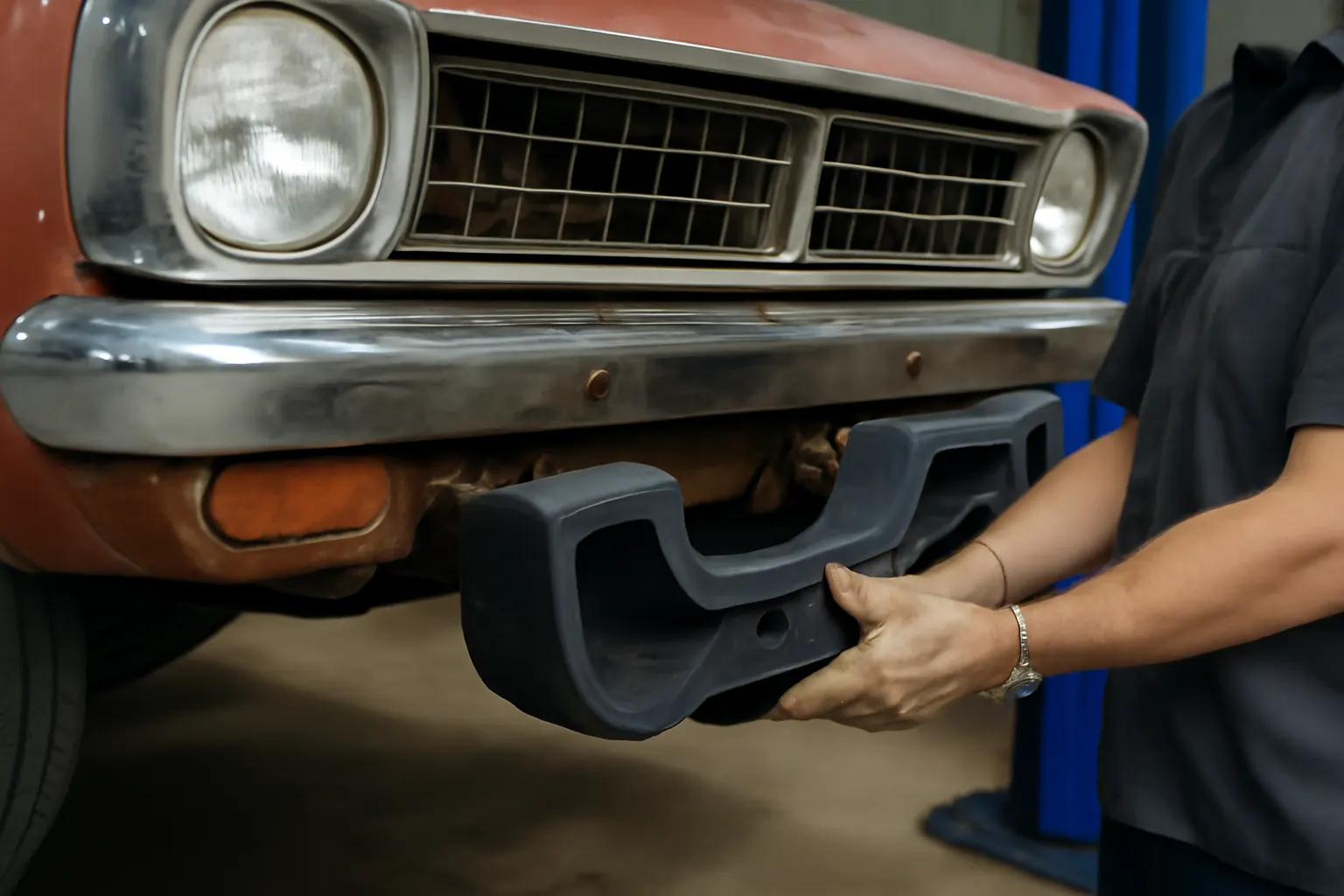
Restoring a classic AMC vehicle is a rewarding journey, but sourcing rare front bumper energy absorbers can be a major hurdle for even the most seasoned enthusiasts. This comprehensive guide delivers actionable restoration tips, practical sourcing strategies, and expert insights—ensuring your AMC project achieves OEM fit, safety, and value. For in-depth absorber fitment and sourcing data, visit our AMC Front Bumper Energy Absorber: Fitment, OEM Quality, and Expert Sourcing Guide.
The Quick Answer: Sourcing Rare AMC Front Bumper Absorbers
If you’re seeking an AMC front bumper energy absorber, prioritize OEM-quality components and verify fitment for your exact model year. Genuine absorbers are crucial for safety and authenticity. Begin by identifying the correct AMC part number, checking reputable classic parts suppliers, and inspecting any used absorbers for structural integrity and material degradation.
Hidden Pitfalls in Classic AMC Bumper Restoration
Many AMC restorers underestimate the complexity of front bumper absorber replacement. Hidden problems—such as incorrect fitment, material fatigue, or poor-quality reproductions—can compromise both safety and originality. Even small deviations from factory specifications may affect crash performance and vehicle value.
Why AMC Bumper Absorbers Matter: Safety, Value, and Authenticity
AMC front bumper energy absorbers are engineered to manage collision energy, protecting both occupants and sheet metal. According to the National Highway Traffic Safety Administration (NHTSA), bumper systems are a key safety feature and must meet strict standards for impact absorption and durability [^1]. Faulty or mismatched absorbers can reduce crashworthiness, lead to frame damage, and diminish appraisal value—especially in concours-level restorations.
Understanding AMC Energy Absorber Construction and Materials
Original AMC absorbers from the 1970s and 1980s typically used a combination of stamped steel, high-strength aluminum, or molded urethane foam. The United States Department of Energy highlights how materials technology directly affects weight, performance, and energy management in automotive body structures [^2]. Over time, these materials can corrode, crack, or lose resilience—particularly if the vehicle has been exposed to moisture or road salt.
Key AMC Absorber Materials:
- Steel: Offers strength but is prone to rust if untreated.
- Aluminum: Lightweight and corrosion-resistant, but can deform in severe impacts.
- Urethane Foam: Absorbs low-speed impacts but degrades with UV and age.
Diagnosing Front Bumper Absorber Issues on AMC Models
Before sourcing a replacement, perform a thorough inspection of your current absorber. Look for these failure indicators:
AMC Bumper Absorber Diagnostic Checklist:
- Visible Cracking or Deformation: Surface cracks, bends, or dents indicate prior impact or metal fatigue.
- Rust or Corrosion: Especially on steel units, look for bubbling paint, flaking, or pitting.
- Material Degradation: Urethane foam may appear crumbly, sticky, or shrunken.
- Mounting Hardware Integrity: Check for stripped threads, missing bolts, or elongated mounting holes.
- Fitment Gaps: Uneven bumper alignment or excessive gaps may signal a collapsed or incorrect absorber.
If any of these issues are present, replacement is highly recommended to restore both safety and appearance.
Identifying the Correct AMC Absorber for Your Model
AMC produced a wide range of models—Javelin, Gremlin, AMX, Hornet, Concord, Eagle, and more—each with unique bumper system dimensions and mounting patterns. Even subtle year-to-year changes can affect absorber compatibility. Always reference your vehicle’s VIN and original parts catalog before ordering.
Advertisement
Steps to Confirm Absorber Fitment:
- Obtain Your VIN and Model Year
- Consult AMC Parts Catalogs: Cross-reference OEM part numbers.
- Review Online Fitment Guides: Use trusted sources like our Amc Bumper Fitment Guide.
- Contact Experts: When in doubt, reach out to reputable AMC restoration specialists or forums.
Sourcing OEM and Quality Aftermarket Absorbers
Original AMC absorbers are increasingly rare, but several strategies improve your odds:
Where to Find Genuine AMC Absorbers:
- Classic Car Salvage Yards: Search for donor vehicles with intact bumper assemblies.
- Specialty AMC Parts Dealers: Many stock NOS (New Old Stock) or quality used absorbers.
- Online Marketplaces: eBay, Hemmings, and AMC forums often have listings—verify condition and authenticity before purchase.
- Reproduction Parts Suppliers: Some manufacturers offer new absorbers built to OEM specs; check for compliance with NHTSA safety standards [^1].
Red Flags to Avoid:
- Absorbers with visible weld repairs or non-factory modifications.
- Units with excessive surface rust, missing mounting hardware, or evidence of prior collisions.
- Cheap reproductions lacking material certifications or crash testing data.
Evaluating Absorber Condition: What to Inspect Before Buying
Never purchase an absorber sight unseen unless it is NOS in factory packaging. Use this inspection checklist when evaluating used or reproduction units:
AMC Absorber Pre-Purchase Inspection:
- Structural Integrity: No cracks, splits, or previous repairs.
- Surface Condition: Minimal rust, corrosion, or pitting. Any surface rust should be easily treatable.
- Mounting Points: Bolt holes must be round and free from elongation or damage.
- Correct Dimensions: Measure length, width, and mounting offset against factory specs.
- Material Consistency: Foam should be resilient, not brittle or sticky; metals should not be warped.
If possible, request detailed photos or arrange an in-person inspection.
Installation Best Practices for AMC Front Bumper Absorbers
Proper installation is as critical as sourcing the right part. An improperly mounted absorber can fail to protect the vehicle or may cause alignment issues.
Installation Steps:
- Prepare the Area: Remove the bumper fascia and inspect all mounting surfaces for rust or deformation.
- Test Fit the Absorber: Before final attachment, position the absorber to ensure bolt holes align perfectly.
- Torque Specifications: Use a calibrated torque wrench to tighten mounting bolts to AMC factory specifications.
- Double-Check Alignment: The bumper should sit flush with body lines and have even gaps on both sides.
- Reinstall Bumper Cover: Secure all fasteners and verify there is no movement or rattle.
Refer to your service manual or our Amc Absorber Diagnosis Replacement guide for detailed torque values and step-by-step diagrams.
Maintenance Tips: Keeping Your AMC Absorber in Top Condition
After installation, periodic checks can extend the life of your absorber and prevent future issues:
- Annual Inspection: Check for signs of rust, cracking, or foam degradation.
- Clean Regularly: Remove road debris, salt, and moisture from the absorber area.
- Protective Coating: For steel absorbers, apply a rust-inhibiting primer or paint.
- Check Mounting Hardware: Retorque bolts annually, especially after harsh driving conditions.
- Monitor Bumper Alignment: Misalignment may indicate absorber fatigue or mounting hardware loosening.
Advertisement
Regular maintenance not only preserves safety but also maintains the vehicle’s collector value.
Common Pitfalls and How to Avoid Them
AMC restorers often encounter these avoidable mistakes:
- Assuming All Absorbers Are Interchangeable: Even small model-year differences can change fitment.
- Neglecting Material Condition: Installing a used absorber with hidden rust or cracks can cause future failures.
- Improper Installation: Misaligned absorbers may compromise crash performance and aesthetics.
- Overlooking Hardware: Always use new or high-quality mounting bolts and bushings.
Avoid these errors by following fitment guides, using reputable suppliers, and consulting technical resources.
The Role of Absorbers in Fuel Efficiency and Vehicle Performance
While primarily a safety component, front bumper absorbers also influence weight distribution and, by extension, fuel efficiency. The United States Department of Energy notes that lighter, advanced materials can improve vehicle fuel economy by reducing overall mass 1. Restorers seeking both authenticity and performance should consider the absorber’s material when selecting replacements—period-correct aluminum or composite absorbers may offer weight savings compared to steel.
Navigating Modern Reproduction vs. Original AMC Absorbers
With NOS AMC absorbers dwindling, high-quality reproductions are increasingly viable. However, not all reproductions are created equal. Look for suppliers who:
- Adhere to SAE or NHTSA Standards: Confirm that the absorber meets or exceeds original engineering criteria 2.
- Provide Material Specifications: Transparent documentation of steel grade, foam density, or aluminum alloy.
- Offer Warranty or Return Policies: Indicates confidence in quality and fitment.
In some cases, modern reproductions may incorporate improved materials for better corrosion resistance or energy absorption, but always confirm compatibility with your specific AMC model.
Expert Sourcing Strategies for Rare AMC Absorbers
When traditional suppliers come up short, consider these tactics:
- Join AMC Owner Clubs: Members often share leads on rare parts or organize group buys.
- Attend Classic Car Swap Meets: In-person events can yield rare finds and allow hands-on inspection.
- Network with Restoration Shops: Professionals may have access to private inventories or can fabricate custom absorbers to original specs.
- Monitor Online Forums: Dedicated AMC communities frequently post parts for sale, trade, or auction.
Persistence and networking are key—rare absorbers may surface unexpectedly, so set notifications and maintain a wish list with key part numbers.
AutoPartEx: Your Partner in AMC Restoration
At AutoPartEx, we’re committed to supporting AMC enthusiasts with accurate technical data, vetted sourcing guides, and a curated selection of hard-to-find parts. Our AMC Front Bumper Energy Absorber category connects you to OEM and reproduction absorbers, expert fitment advice, and the latest restoration resources. Whether you’re completing a concours restoration or a daily driver build, AutoPartEx delivers the expertise and support you need.
For deeper insight into bumper system evolution, check out our Amc Bumper Absorber Evolution feature.
Conclusion: Achieving Safe, Authentic AMC Restorations
Sourcing and installing the correct front bumper energy absorber is essential for both safety and authenticity in AMC restorations. By understanding absorber construction, following fitment best practices, and leveraging expert sourcing strategies, you can avoid common pitfalls and ensure your classic AMC stands out for all the right reasons. For further guidance, rely on detailed technical resources and the support of seasoned restoration professionals.
References
- Vehicle Safety and Equipment – National Highway Traffic Safety Administration
- Materials Technologies – United States Department of Energy
- Fuel Efficiency – United States Department of Energy
Footnotes
Advertisement