
Advertisement
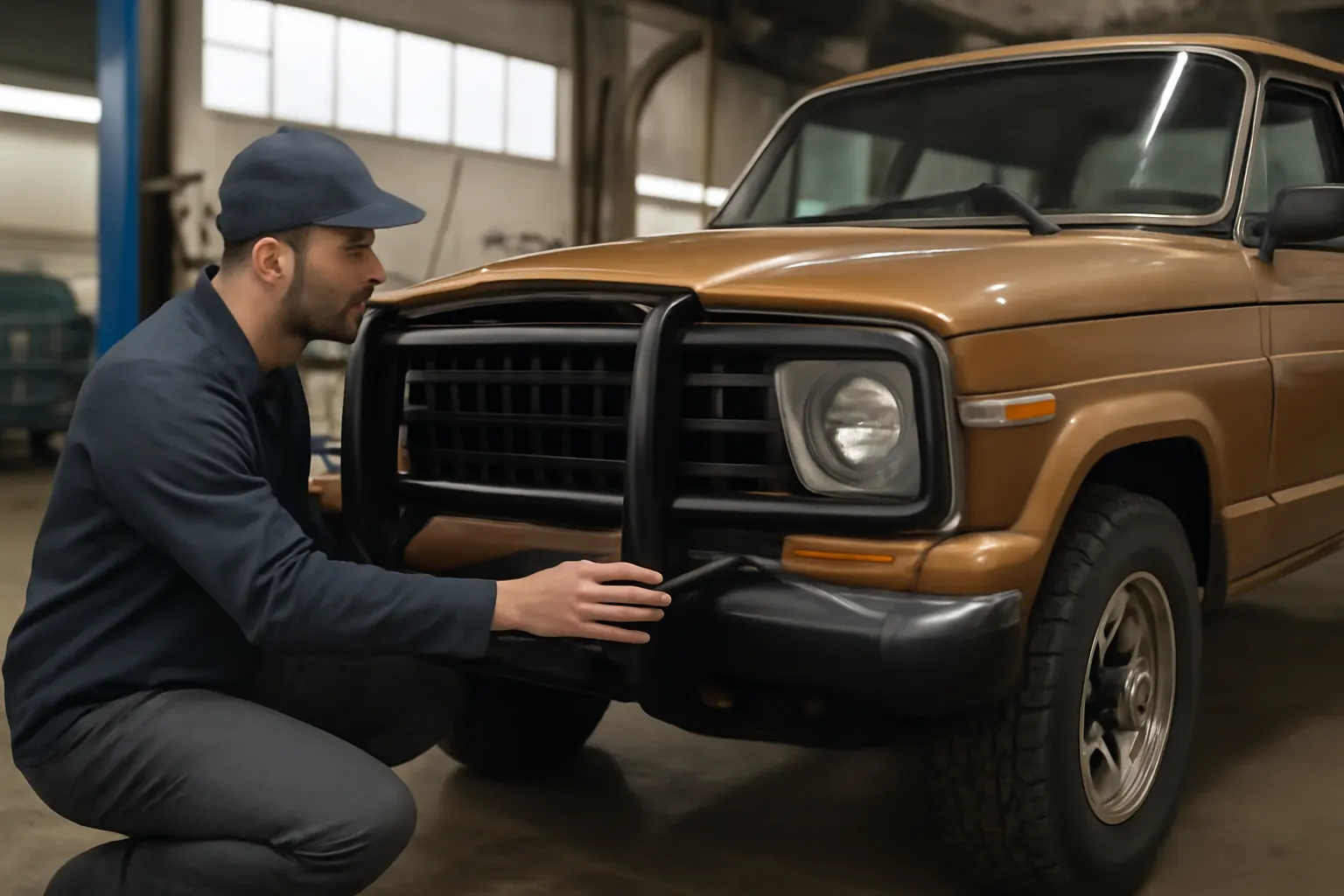
AMC brush guards have long been a staple for off-road enthusiasts and vintage vehicle collectors, offering a blend of protection, style, and period-correct authenticity. Whether you own a classic Jeep, an AMC Eagle, or any of AMC’s iconic off-road models, understanding the evolution of brush guard design—and how modern material technologies can enhance their function—is essential for making informed upgrades or restorations. This comprehensive guide explores the history, material advances, compatibility concerns, and service strategies for AMC brush guards, delivering actionable insights for owners, restorers, and buyers. For deeper technical fitment and compatibility, visit the AMC Brush Guard – Heavy-Duty Fitment, Compatibility, and Service Insights category page.
The Immediate Answer: What Sets AMC Brush Guards Apart?
AMC brush guards are more than just aesthetic add-ons—they are functional accessories that protect critical front-end components from off-road hazards, wildlife, and minor collisions. The unique design language of AMC brush guards, particularly from the 1960s through the 1980s, reflects the company’s focus on rugged, practical engineering. Today, original and reproduction AMC brush guards are prized for their fitment precision, period-correct styling, and heavy-duty material construction. Material advances, such as the use of high-strength steel alloys and corrosion-resistant coatings, have further improved durability and performance for both vintage and modern applications.
The Hidden Problem: Outdated Materials and Compatibility Gaps
Despite their robust reputation, many vintage AMC brush guards suffer from material fatigue, rust, and outdated mounting hardware. Owners of classic models often discover that original guards—while visually appealing—may not offer sufficient protection by today’s standards. Compatibility is another challenge: variations in mounting points, bumper designs, and bodywork across AMC’s model range can complicate installation and sourcing. Furthermore, the off-road accessory market is flooded with generic guards that lack the correct fitment, leading to safety risks and diminished vehicle value.
Deeper Technical Explanation: Evolution of AMC Brush Guard Design
Historical Overview
AMC’s brush guards evolved in tandem with the brand’s off-road ambitions. Early designs from the 1960s relied on simple, welded tubular steel with minimal surface treatment. By the 1970s, as AMC entered the SUV and crossover market with models like the Jeep Wagoneer and AMC Eagle, brush guards became more integrated, featuring multi-point mounting systems and improved finish quality. The 1980s saw further refinements, including the use of stamped steel, modular designs, and factory-applied coatings to resist corrosion.
Material Advances
The most significant technical leap in brush guard design has come from material science. According to the U.S. Department of Energy’s Materials Technologies research, modern high-strength steel alloys, advanced aluminum, and engineered polymers have revolutionized automotive structural components. For AMC brush guards, the shift to lighter, stronger materials means better protection without excessive weight gain—a key factor for fuel efficiency and suspension longevity.
Engineering and Testing Standards
Current best practices for off-road accessory engineering are guided by SAE International standards, which specify impact resistance, corrosion testing, and mounting integrity. While AMC’s original designs predate many of these standards, modern reproduction and aftermarket guards often incorporate these engineering principles for improved safety and performance.
Solution Path: Upgrading and Maintaining AMC Brush Guards
Sourcing the Right Guard
When sourcing a brush guard for your AMC vehicle, prioritize OEM or high-quality reproduction units that match your model’s year and trim. Avoid generic guards that claim “universal fit,” as these often require unsafe modifications. Use manufacturer part numbers, factory diagrams, and reputable suppliers to ensure proper fitment. For a detailed fitment process, consult the Amc Brush Guard Fitment guide.
Installation Best Practices
Proper installation is critical for both safety and longevity. Here’s a checklist for a successful AMC brush guard installation:
Advertisement
AMC Brush Guard Installation Checklist
- Verify Model Compatibility: Confirm the guard matches your AMC’s year, model, and trim.
- Inspect Mounting Points: Check for rust, structural damage, or previous modifications.
- Gather Required Hardware: Use OEM-spec bolts, washers, and brackets whenever possible.
- Test Fit: Mock up the guard to ensure correct alignment before final installation.
- Torque to Specification: Use a calibrated torque wrench to tighten all fasteners to manufacturer specs.
- Check for Interference: Ensure guard does not interfere with headlights, turn signals, or hood operation.
- Apply Corrosion Protection: Treat mounting surfaces with anti-corrosion compounds.
- Verify Stability: Shake test the assembly to confirm a rigid, rattle-free fit.
For step-by-step guidance, see the Amc Brush Guard Installation editorial.
Maintenance and Longevity
Regular maintenance extends the life of your brush guard and preserves vehicle value:
- Inspect for Rust and Damage: At least twice a year, check welds, mounting points, and finish for signs of corrosion or fatigue.
- Clean After Off-Road Use: Remove mud, road salt, and debris to prevent surface degradation.
- Touch-Up Coatings: Use compatible paint or rust inhibitors to repair chips or scratches.
- Retorque Fasteners: Periodically check and retighten mounting hardware, especially after heavy use.
Diagnosing Common AMC Brush Guard Issues
Fitment Problems
Incorrect fitment is the most common issue, especially when mixing guards across different AMC models. Signs of poor fitment include misaligned mounting holes, excessive vibration, and interference with lights or body panels. Always reference factory diagrams and compare mounting geometry before installation.
Structural Fatigue
Vintage guards may develop cracks at welds or mounting brackets, particularly if subjected to repeated impacts. Inspect for visible cracks, rust “bleeding,” or unusual flex. Replace or professionally repair fatigued guards to maintain safety.
Surface Corrosion
Even high-quality guards can develop surface rust, especially on older models. Surface corrosion can be managed with regular cleaning and touch-up, but deep rust or pitting may require sandblasting and recoating.
Material Technology: What Modern Science Offers AMC Owners
High-Strength Steels
Modern brush guards often use high-strength, low-alloy (HSLA) steels that deliver superior impact resistance without adding significant weight. These materials provide a better balance of strength and ductility compared to older carbon steels, improving both protection and fuel efficiency (DOE Materials Technologies).
Advanced Coatings
Powder coatings, e-coats, and zinc-rich primers now offer multi-layer protection against corrosion and chipping. These finishes outperform traditional paint, especially in harsh off-road environments.
Lightweight Alternatives
While steel remains the standard for heavy-duty applications, some modern guards use aluminum or composite materials to reduce weight. For vintage AMC models, these options can be considered if they meet or exceed OEM structural requirements.
Compatibility and Authenticity: Preserving Value in Vintage AMC Builds
The Value of Authenticity
For collectors and restorers, period-correct brush guards are a critical detail. Reproduction guards should match the original’s dimensions, mounting style, and finish. Reference factory literature, historic photos, and expert forums to authenticate guards. For deeper exploration, the Amc Brush Guard Authenticity article provides practical tips.
Compatibility Across AMC Models
AMC’s off-road lineup includes diverse models—each with unique front-end geometries. For example, Jeep CJ guards will not fit an AMC Eagle without significant modification. Always confirm part numbers and consult fitment charts before purchasing. The AMC Brush Guard – Heavy-Duty Fitment, Compatibility, and Service Insights page offers detailed compatibility matrices.
Off-Road Protection Strategies: Maximizing Brush Guard Effectiveness
Integrated Protection Systems
A brush guard is most effective when paired with other off-road protection accessories, such as skid plates, rock sliders, and reinforced bumpers. Consider a holistic protection strategy when outfitting your AMC for serious off-roading.
Mounting Reinforcement
For heavy-duty use, reinforce mounting points with backing plates or upgraded hardware. This prevents guard “peel-off” during high-stress impacts and ensures energy is distributed across the vehicle’s frame.
Accessory Integration
Modern brush guards often feature integrated mounts for auxiliary lighting, winches, or recovery points. When retrofitting a vintage AMC, ensure that any accessory integration does not compromise structural integrity or interfere with original styling.
Sourcing and Buying AMC Brush Guards: Key Considerations
Where to Buy
Reputable sources include vintage AMC parts specialists, enthusiast forums, and select aftermarket manufacturers. Avoid low-cost imports that lack proper engineering documentation or warranty support.
Advertisement
What to Look For
- OEM Part Numbers: Whenever possible, source guards with documented AMC part numbers.
- Finish Quality: Look for uniform welds, thick coatings, and precise bends.
- Mounting Hardware: Complete kits with all brackets and fasteners simplify installation.
- Documentation: Installation guides, fitment charts, and warranty information indicate a quality supplier.
Red Flags
- Universal Fit Claims: “One-size-fits-all” guards rarely provide safe or correct fitment.
- Thin Gauge Metal: Guards made from thin or unreinforced steel offer inadequate protection.
- Poor Weld Quality: Inconsistent or sloppy welds are prone to failure under impact.
Installation Challenges: Real-World Scenarios
Dealing With Rusted Mounting Points
Older AMC vehicles often have rusted or damaged mounting surfaces. Address this before installation:
- Remove Old Hardware: Use penetrating oil and heat as needed.
- Assess Structural Integrity: If the frame or bumper is compromised, weld in reinforcement plates.
- Treat Surfaces: Apply rust converter and primer before mounting the new guard.
Adapting Non-Original Guards
If sourcing an original guard is impossible, some owners adapt similar-era guards. This requires careful measurement, custom brackets, and potentially welding. Always reinforce modified mounts and have them inspected by a professional.
Maintenance Routines for Maximum Longevity
Seasonal Inspection
At the start and end of each off-road season, perform a detailed inspection:
- Check all welds and mounting points.
- Clean and recoat any exposed metal.
- Retorque all bolts.
- Test for rattle or movement.
Cleaning Protocols
After muddy or salty conditions:
- Rinse with low-pressure water.
- Dry thoroughly.
- Apply a protective wax or sealant.
Repair and Restoration
For guards with surface rust or minor dents:
- Sand or wire-brush affected areas.
- Apply rust inhibitor and primer.
- Repaint or powder coat as needed.
AMC Brush Guards and Vehicle Safety: Regulatory Considerations
Impact on Safety Systems
While classic AMC vehicles predate modern airbag and crumple zone systems, it’s important to ensure that any guard installation does not interfere with factory safety features. For later-model AMCs, verify that the guard does not block sensors or compromise crash performance.
Recall Awareness
Always check the NHTSA recall database for any equipment recalls related to brush guards or mounting hardware. Some vintage aftermarket guards were recalled for weld failures or poor fitment.
Compliance with Modern Standards
If using a modern reproduction guard, ensure it meets SAE standards for impact and corrosion resistance. This offers peace of mind and preserves vehicle value.
Fuel Efficiency and Weight Considerations
The Weight Factor
Heavy-duty brush guards add weight to the front end, impacting ride quality and, in some cases, fuel efficiency. The Department of Energy’s Fuel Efficiency research shows that even modest weight savings can translate to measurable improvements in MPG, especially for daily-driven classics.
Choosing the Right Material
- Steel: Best for maximum protection but adds weight.
- Aluminum: Lighter, but ensure adequate thickness and reinforcement.
- Composites: Rare in vintage applications, but modern reproductions may offer a balance of weight and strength.
Balancing Protection and Efficiency
For most vintage AMC vehicles, a properly engineered steel guard offers the best mix of protection and authenticity. If fuel efficiency is a top priority, consider lighter options and monitor handling after installation.
Expert Action: AutoPartEx Guidance for AMC Owners
AutoPartEx specializes in delivering period-correct, high-quality AMC brush guards and off-road accessories. Our technical editorial team curates installation guides, fitment charts, and authenticity resources to help you make informed decisions—whether you’re restoring a classic or building a trail-ready rig. For a complete overview of AMC brush guard options, visit the AMC Brush Guard – Heavy-Duty Fitment, Compatibility, and Service Insights page. For hands-on installation and fitment support, our Amc Brush Guard Installation and Amc Brush Guard Fitment guides provide step-by-step expertise.
Summary: AMC Brush Guards—Past, Present, and Future
AMC brush guards represent a unique intersection of history, engineering, and off-road culture. Their evolution—from simple welded bars to advanced, material-optimized structures—mirrors broader trends in automotive technology. By understanding the challenges of compatibility, material fatigue, and modern fitment, AMC owners can preserve the authenticity and utility of their vehicles. With the right sourcing, installation, and maintenance strategies, your AMC can enjoy both period-correct style and modern protection, on or off the trail.
References
Advertisement