
Advertisement
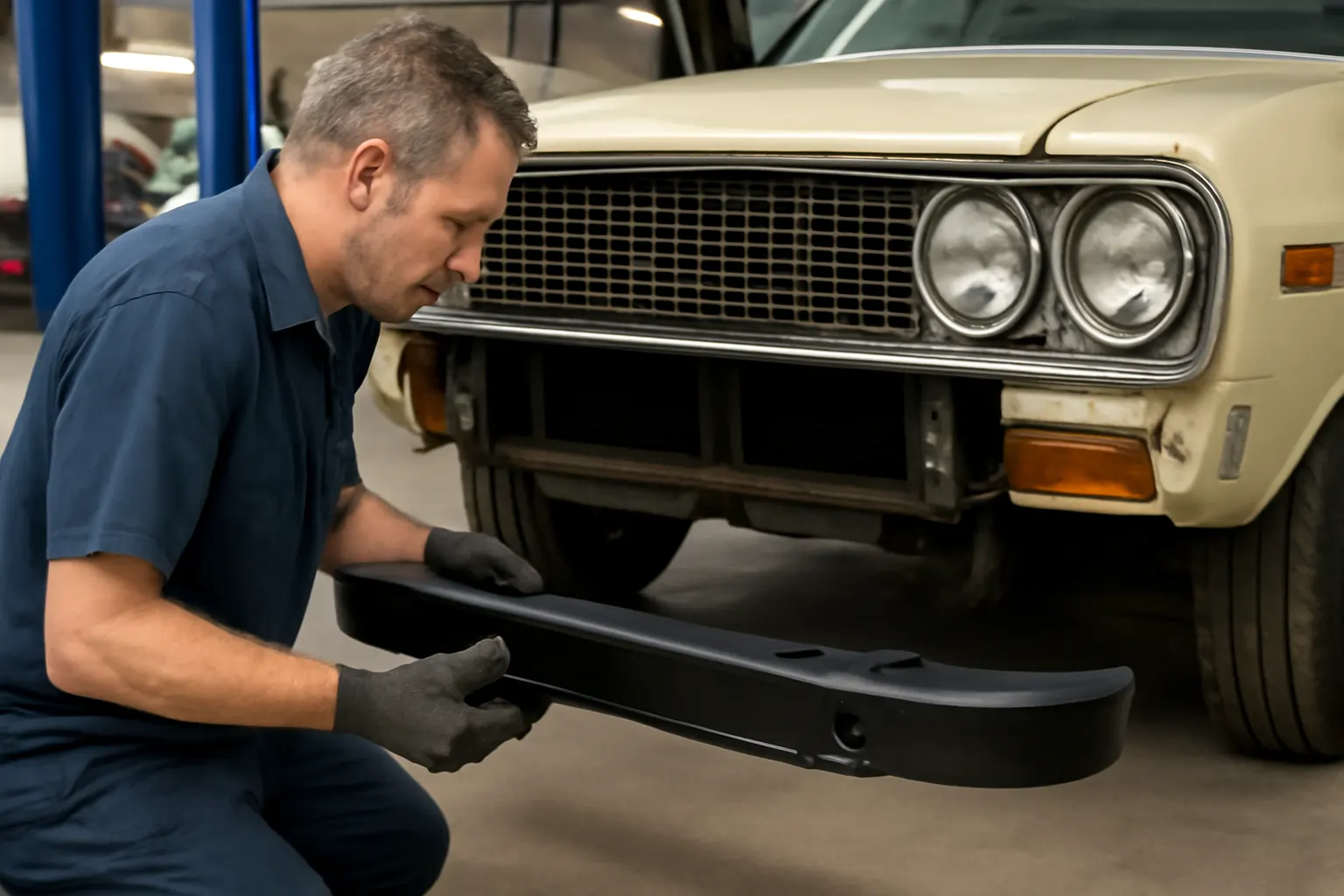
Sourcing AMC front bumper reinforcements is a persistent challenge for restorers, collision shops, and AMC enthusiasts. With original equipment manufacturer (OEM) parts out of production and aftermarket options limited, finding a structurally sound, safety-compliant, and model-correct bumper reinforcement for classic AMC vehicles requires strategic research, technical verification, and a keen eye for common sourcing pitfalls. This deep-dive blog unpacks proven sourcing strategies, real-world shop case studies, and actionable diagnostic and fitment insights to help you secure the right AMC front bumper reinforcement for your restoration or repair project.
For comprehensive technical background on AMC bumper reinforcement fitment, diagnostics, and sourcing, reference our AMC Front Bumper Reinforcement: Fitment, Diagnostics & Technical Sourcing hub.
Why AMC Front Bumper Reinforcements Are So Difficult to Source
The scarcity of AMC front bumper reinforcements isn’t just a matter of age. Unlike more common components, bumper reinforcements are model-specific structural elements that were produced in relatively low volumes. American Motors Corporation (AMC) vehicles—ranging from the AMX and Javelin to the Gremlin, Hornet, and Matador—used unique bumper systems often tailored to specific body styles and year ranges. The result: a fragmented supply pool, with limited interchangeability and high demand among restorers.
Complicating matters, these reinforcements are critical safety components. They’re designed to absorb and distribute impact energy, preventing frame and body damage in a collision. Modern safety standards enforced by organizations like the National Highway Traffic Safety Administration (NHTSA) mean that sourcing a correct, undamaged, and structurally sound reinforcement is not optional—it’s essential for both occupant protection and vehicle value NHTSA Equipment.
The Hidden Pitfalls: Common Sourcing Mistakes
Restorers and collision technicians often underestimate the complexity of sourcing a correct AMC front bumper reinforcement. The most frequent mistakes include:
- Assuming Interchangeability: Many AMC models look similar, but reinforcements often differ by year, trim, or even factory plant. Swapping from a different model or year can result in poor fitment, compromised safety, or impossible installation.
- Overlooking Hidden Damage: Used reinforcements may have unseen bends, cracks, or metal fatigue from prior impacts—even if the bumper cover looks fine.
- Trusting Unverified Sources: Online listings and salvage yards may mislabel parts, especially for obscure models, leading to costly returns or unusable inventory.
- Ignoring Material Degradation: Decades-old steel or alloy reinforcements may suffer from corrosion, thinning, or weld separation, all of which weaken their crash performance.
Understanding these pitfalls is the first step toward a successful sourcing outcome.
Technical Deep Dive: What Makes AMC Bumper Reinforcements Unique
AMC’s approach to bumper reinforcement design was shaped by evolving safety regulations, cost constraints, and the company’s diverse model lineup. Here’s what sets AMC reinforcements apart:
- Material Selection: AMC used a mix of high-tensile steel and, in later years, lighter alloys to meet federal impact standards while controlling weight. The Department of Energy highlights the importance of material technologies for vehicle structure and safety DOE Materials Technologies.
- Mounting Geometry: Reinforcements are engineered to fit precisely between the frame rails and bumper fascia, with mounting holes and brackets unique to each model/year combination.
- Energy Absorption: Most AMC reinforcements incorporate crumple zones or energy-absorbing brackets designed to deform in a controlled fashion under impact.
- Finish and Coating: Factory-applied coatings (zinc, phosphate, or e-coat) help resist corrosion, but these degrade over time, especially in reinforcements exposed to road salt or moisture.
Because of these variables, sourcing the correct reinforcement is more than just matching part numbers—it requires visual verification and, ideally, physical inspection.
Sourcing Checklist: How to Avoid Costly Mistakes
Before you purchase, use this sourcing checklist to ensure you’re getting the right AMC front bumper reinforcement:
AMC Front Bumper Reinforcement Sourcing Checklist
-
Identify Exact Model, Year, and Body Style
- Confirm VIN and body code.
- Check factory production variations.
-
Verify Part Number and Engineering Stamps
- Cross-reference OEM part numbers.
- Inspect for original engineering marks or labels.
Advertisement
-
Assess Physical Condition
- Look for bends, cracks, or weld repairs.
- Check for rust, corrosion, and pitting—especially around mounting points.
-
Inspect Mounting Points
- Confirm bracket alignment and hole patterns.
- Test-fit if possible against your vehicle or a known-good bumper.
-
Validate Material Integrity
- Tap-test for thin spots or delamination.
- Reject if serious corrosion or metal fatigue is present.
-
Confirm Seller Reputation
- Use trusted salvage yards, AMC specialists, or verified online sellers.
- Request detailed photos and, if possible, measure critical dimensions.
-
Check for Recalls or Known Issues
- Reference NHTSA recall database for your model and year NHTSA Recalls.
-
Document Purchase
- Keep records for insurance and restoration value purposes.
Applying this checklist dramatically reduces the risk of receiving an unusable or unsafe reinforcement.
Case Study: AMC Javelin Restoration—A Bumper Reinforcement Odyssey
To illustrate the practical challenges and solutions, consider a recent restoration of a 1972 AMC Javelin by a specialty shop in Ohio. The original front bumper reinforcement was missing, and aftermarket suppliers had no listings for this model/year.
Step 1: Research and Identification
- The shop referenced AMC factory service manuals and cross-checked part numbers with AMC Front Bumper Reinforcement: Fitment, Diagnostics & Technical Sourcing.
- They discovered the 1972 Javelin uses a unique reinforcement not shared with the AMX or earlier Javelins.
Step 2: Sourcing
- Salvage yard searches turned up several mislabeled reinforcements—none correct.
- The shop contacted an AMC specialty dismantler, providing detailed photos and measurements.
Step 3: Verification
- The dismantler supplied high-resolution images and confirmed the engineering stamp matched the factory spec.
- Upon delivery, the shop compared mounting geometry and confirmed fit before committing to installation.
Outcome: The correct part was sourced, preserving safety and originality. The project avoided costly rework and maintained restoration value.
Diagnostic Guidance: Assessing Used Reinforcements for Reuse
Given the rarity of NOS (new old stock) AMC reinforcements, most restorers rely on used parts. Diagnosing the suitability of a used reinforcement is critical:
- Visual Inspection: Examine all surfaces for kinks, creases, or weld marks. Even minor bends can prevent proper bumper alignment or compromise crash performance.
- Straightness Test: Lay the reinforcement on a flat surface and check for rocking or uneven contact. Use a straightedge to verify critical mounting planes.
- Corrosion Check: Surface rust may be acceptable if not deeply pitted, but avoid reinforcements with flaking, scale, or visible metal loss.
- Weld and Fastener Inspection: Factory welds should be uniform and free of cracks. Aftermarket repairs or reinforcements with non-factory welds should be scrutinized for quality.
- Bracket and Mounting Hole Integrity: Elongated or damaged mounting holes may indicate prior impact or improper removal.
If any major flaws are detected, prioritize finding a better core—even if that means waiting longer or paying a premium.
Fitment Nuances: Avoiding Installation Surprises
AMC front bumper reinforcements are not “one size fits all.” Even within a single model line, running changes and mid-year updates can affect fitment. Key considerations:
- Bracket Location: Mounting brackets may be offset or angled differently between years and trims.
- Hardware Differences: Fastener size and thread pitch can change, especially if the vehicle has had prior collision repair.
- Fascia Compatibility: The reinforcement must match the contour and mounting points of the bumper fascia; mismatches can cause gaps or stress cracks.
- Test-Fitting: Always perform a dry-fit before final installation. This allows correction of minor alignment issues and prevents paint or chrome damage.
For step-by-step fitment guidance, reference our Amc Bumper Reinforcement Fitment Guide.
The Impact of Materials and Corrosion on Longevity
The Department of Energy underscores the critical role of advanced materials in automotive safety and longevity DOE Materials Technologies. For AMC bumper reinforcements, the original steel or alloy composition determines resistance to corrosion and impact performance.
Advertisement
- Coating Integrity: Most factory coatings are no longer effective after 40+ years. If you source a used reinforcement, consider media blasting and re-coating with a modern corrosion inhibitor or epoxy primer.
- Localized Corrosion: Pay special attention to areas where water can pool—such as mounting flanges and bracket welds.
- Metal Fatigue: Repeated flexing from minor impacts or improper removal can cause microcracks that propagate over time.
Investing in professional inspection and re-coating can extend the life of a sourced reinforcement and ensure safety.
Aftermarket, NOS, and Reproduction Options: What’s Available?
The market for AMC front bumper reinforcements is limited:
- NOS (New Old Stock): Rare, expensive, and often found only through AMC specialty vendors or estate sales. Always verify authenticity and storage conditions.
- Aftermarket: Limited to the most popular AMC models (e.g., Javelin, AMX). Quality can vary—some are made from thinner steel or lack correct mounting geometry.
- Reproduction: A few dedicated AMC parts suppliers offer reproduction reinforcements, often at a premium. These may use updated materials but must be checked for fit and finish.
- Used/OEM: Most common source, but requires careful inspection as outlined above.
Whenever possible, consult with experienced AMC restorers or clubs for supplier recommendations and feedback.
Shop Sourcing Strategies: Lessons from the Field
Collision repair shops and restoration specialists share several best practices for sourcing AMC bumper reinforcements:
- Network with AMC Clubs: Local and national AMC clubs often have members with spare parts or leads on reputable suppliers.
- Leverage Social Media: Dedicated AMC groups on platforms like Facebook and forums can provide sourcing leads and seller feedback.
- Establish Salvage Yard Relationships: Building rapport with yards specializing in classic cars can yield early access to newly acquired inventory.
- Document Every Step: Photos, measurements, and part numbers help avoid confusion and support insurance or appraisal needs.
- Plan for Lead Time: Rare parts may take weeks or months to locate, so build this into your project timeline.
Shops that follow these strategies consistently report better sourcing outcomes and fewer installation surprises.
Safety and Compliance: Why Correct Reinforcement Matters
Front bumper reinforcements are not merely cosmetic—they are essential to vehicle crashworthiness. The NHTSA mandates that bumper systems meet strict energy absorption and deformation standards NHTSA Equipment. Installing an incorrect or damaged reinforcement can:
- Compromise occupant safety in a collision.
- Lead to insurance claim denials.
- Reduce vehicle value and restoration authenticity.
Always prioritize sourcing a structurally sound, model-correct reinforcement and documenting its provenance.
Installation Tips: Maximizing Safety and Fit
Once you have sourced the correct AMC front bumper reinforcement, proper installation is crucial:
- Preparation: Clean and inspect the reinforcement one final time. Apply anti-corrosion coating as needed.
- Hardware: Use new Grade 8 or equivalent fasteners. Torque to factory specifications.
- Alignment: Loosely install all fasteners, align the bumper fascia, then tighten incrementally to ensure even fitment.
- Final Inspection: Check bumper height, gap to body, and ensure brackets are not under stress.
- Documentation: Photograph the installed reinforcement for your records and any future insurance needs.
For more detailed installation standards, see our Amc Collision Repair Standards.
AutoPartEx: Your Partner in AMC Front Bumper Reinforcement Sourcing
AutoPartEx specializes in technical sourcing, diagnostics, and fitment support for hard-to-find AMC components. Leveraging our extensive supplier network, verified part databases, and expert editorial resources, we empower restorers and collision shops to:
- Access up-to-date sourcing guides and fitment data.
- Connect with reputable AMC parts suppliers.
- Avoid common pitfalls and ensure safety compliance.
Explore our AMC Front Bumper Reinforcement: Fitment, Diagnostics & Technical Sourcing hub for more expert guidance, or reach out to our technical team for sourcing assistance on your next project.
Conclusion: Sourcing AMC Front Bumper Reinforcements with Confidence
The journey to source a correct, safe, and authentic AMC front bumper reinforcement is demanding but achievable with the right knowledge and resources. By understanding the unique technical requirements, following a rigorous sourcing checklist, and tapping into the collective expertise of the AMC community, you can secure the right part for your restoration or repair—preserving both vehicle value and occupant safety for years to come.
References
Advertisement