
Advertisement
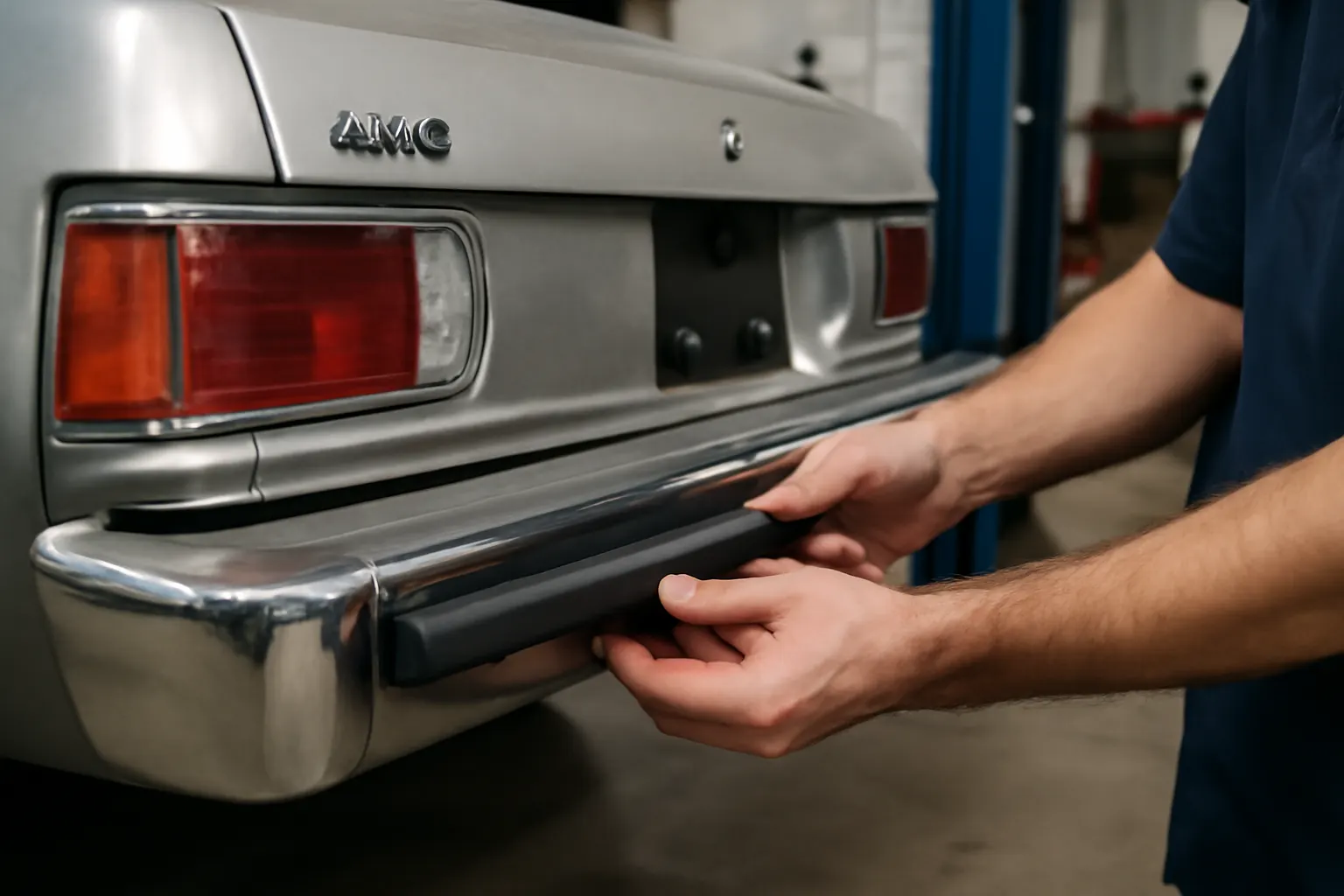
Restoring or maintaining an AMC classic means paying close attention to exterior trim, from bumper impact strips to body moldings. The right AMC exterior trim not only preserves the vehicle’s original look but also affects fitment, safety, and long-term value. This guide delivers expert insights into sourcing AMC exterior trim, identifying compatibility pitfalls, and understanding how reproduction parts influence restoration quality. For a focused deep dive into bumper-specific issues, see our AMC Bumper Impact Strip: OEM Fitment, Failure Patterns, and Expert Sourcing resource.
Immediate Answer: Sourcing AMC Exterior Trim with Confidence
If you’re hunting for AMC exterior trim—whether for a daily driver or concours restoration—the best strategy is to prioritize OEM or NOS (New Old Stock) parts. When these are unavailable, select reputable reproduction components that adhere to SAE and NHTSA standards for fitment and material quality. Always verify part numbers and consult expert resources to avoid compatibility surprises. Use trusted suppliers with transparent return policies and technical support.
Hidden Problem: Compatibility Risks and Restoration Pitfalls
Many AMC owners and restorers discover too late that not all trim pieces are created equal. Reproduction parts can introduce subtle but critical deviations in fit, finish, and material durability. Mismatched trim, improper mounting, or inferior materials can compromise not only appearance but also safety and structural integrity—especially in areas like bumper impact strips and door moldings. The risk is highest when mixing reproduction and OEM parts or when relying on generic aftermarket listings.
Why AMC Exterior Trim Sourcing Is Technically Complex
The Legacy of AMC Exterior Trim Engineering
AMC vehicles, from the Javelin to the Eagle, were engineered with unique trim profiles, material blends, and mounting protocols. Unlike many contemporary vehicles, AMC’s trim pieces often vary not just by model but by year, sub-model, and production run. This means a “universal” fit is rarely possible. For example, bumper impact strips must absorb energy and maintain alignment with body panels, a requirement governed by NHTSA safety standards and SAE engineering protocols[^1][^2].
Material Science and Structural Demands
Exterior trim is more than cosmetic. Material selection—aluminum, stainless steel, rubber, or thermoplastic—impacts UV resistance, corrosion, and energy absorption. The United States Department of Energy highlights that even minor differences in material properties can affect vehicle structure, weight, and long-term performance[^3]. For AMC restorations, using incorrect materials may lead to premature fading, cracking, or even safety issues in the event of a collision.
Diagnostic Checklist: Is Your AMC Exterior Trim Correct?
Use this checklist to quickly assess whether your AMC’s exterior trim is original, properly fitted, and safe:
- Part Number Verification: Check for stamped or etched part numbers. Cross-reference with AMC OEM catalogs or trusted databases.
- Fitment Alignment: Ensure trim sits flush with body panels, with no gaps or overhangs.
- Material Consistency: Compare color, gloss, and texture across all trim pieces.
- Mounting Hardware: Inspect clips, screws, and retainers for correct type and placement.
- Weathering Signs: Look for fading, pitting, rust, or cracking—especially on sun-exposed or impact-prone areas.
- Reproduction Markings: Some reproduction parts are stamped or labeled; note any differences.
- Safety Compliance: For bumper and impact trims, confirm compliance with relevant NHTSA and SAE standards.
If you spot inconsistencies in two or more areas, further investigation is warranted before proceeding with restoration or daily use.
Advertisement
The Impact of Reproduction Parts on Restoration Quality
Fitment and Tolerances
Reproduction AMC trim parts often originate from reverse-engineered molds, sometimes based on worn or modified originals. Even millimeter-level deviations can result in poor alignment, visible gaps, or mounting stress. This is especially problematic for bumper impact strips, which must mate precisely with both the bumper and adjacent body panels.
Material Differences
While some reproduction manufacturers use high-grade materials, others opt for cost-saving plastics or alloys that lack the UV stability or tensile strength of original AMC components. Over time, this can result in chalking, warping, or outright failure—issues that are not always apparent at first glance.
Visual Authenticity
Collectors and concours judges are increasingly adept at spotting visual discrepancies. Incorrect grain patterns, mold lines, or chrome finishes can impact show scores and long-term value. For enthusiasts seeking factory-correct restoration, even minor trim inaccuracies are unacceptable.
Sourcing Strategies: OEM, NOS, and Quality Reproduction
Locating OEM and NOS Parts
Original AMC trim is scarce, especially for less-common models and late production years. Your primary sources should be:
- Specialty AMC vendors: These often have the best access to NOS inventory.
- Automotive swap meets: In-person inspection helps verify authenticity.
- Online forums and enthusiast groups: Trusted members may offer leads on hard-to-find pieces.
- Reputable online retailers: Look for detailed photos, part numbers, and clear return policies.
Evaluating Reproduction Parts
When OEM is unavailable, choose reproduction suppliers who:
- Provide detailed fitment guides for each AMC model and year.
- Disclose material specifications and manufacturing processes.
- Offer installation support and customer testimonials.
- Comply with NHTSA and SAE standards for safety-critical components.
Red Flags to Avoid
- “Universal fit” claims for trim pieces—AMC trim is rarely universal.
- Vague material descriptions (“chrome-look plastic”).
- Lack of part number cross-references or installation documentation.
- No return or exchange policy.
The Role of Vehicle Safety and Regulatory Standards
Exterior trim—especially bumper impact strips—must meet federal safety standards. The National Highway Traffic Safety Administration (NHTSA) mandates that certain exterior components absorb energy and protect underlying structures in low-speed impacts. Using non-compliant reproduction parts can compromise safety and, in some cases, violate inspection requirements.
SAE International establishes engineering and testing protocols for automotive trim, including fatigue, UV resistance, and mounting integrity[^2]. When evaluating reproduction parts, request documentation of compliance with these standards.
Installation Best Practices for AMC Exterior Trim
Preparation
- Test-fit all trim pieces before final installation.
- Clean and inspect mounting surfaces for rust, paint flaking, or debris.
- Replace aged or brittle clips and fasteners with new, correct hardware.
Installation Steps
- Align trim using OEM reference points (factory holes, notches, or stamped guides).
- Secure with manufacturer-specified torque—over-tightening can warp or crack trim.
- Apply protective sealants (as recommended) to prevent moisture intrusion.
- Double-check alignment after installation, correcting any gaps or misalignments immediately.
For a detailed walkthrough, refer to our Amc Bumper Impact Strip Installation Guide.
Common Installation Mistakes
- Mixing old and new clips, leading to uneven tension.
- Using generic hardware that damages trim or body panels.
- Skipping test-fit, resulting in misaligned or stressed parts.
Maintenance and Longevity: Caring for AMC Exterior Trim
Routine Inspection
- Quarterly checks for fading, corrosion, or mounting loosening.
- Immediate attention to any rattling, which may indicate clip failure.
Advertisement
Cleaning and Protection
- Use pH-neutral automotive soap and microfiber cloths.
- Apply UV-protective treatments to rubber and plastic trim.
- Avoid abrasive polishes on chrome or anodized surfaces.
Repair vs. Replace
- Minor scratches: Polish with manufacturer-approved compounds.
- Dents or bends: Professional straightening may be possible for metal trim.
- Cracks or severe fading: Replacement is usually the only safe option.
Compatibility Pitfalls: Model, Year, and Production Variations
AMC’s trim ecosystem is notoriously complex. Even within a single model year, mid-cycle changes can affect mounting points, trim profiles, and finish. For example, the 1974 AMC Javelin’s rear quarter trim differs subtly from the 1973 version, despite similar appearance. Always:
- Cross-reference AMC parts catalogs by VIN and production date.
- Consult knowledgeable suppliers who specialize in AMC vehicles.
- Avoid assuming interchangeability between models or years.
For further clarity on identification, our Amc Oem Part Identification guide offers step-by-step instructions.
The Economics of AMC Trim Restoration
Cost Factors
- NOS and OEM parts command premium prices due to rarity.
- Reproduction parts vary widely; higher-quality reproductions may approach OEM cost but offer better long-term value.
- Labor: Professional installation is recommended for complex trim, especially if bodywork alignment is involved.
Hidden Costs
- Time spent sourcing rare parts.
- Potential for rework if initial fitment is incorrect.
- Value impact: Poor-quality trim can reduce resale or show value.
AMC Exterior Trim and Vehicle Value
Trim correctness is a major factor in classic AMC vehicle valuation. Collectors and auction houses scrutinize:
- Authenticity: Are all visible trim pieces period-correct and OEM?
- Condition: Is trim free from dings, corrosion, and UV damage?
- Completeness: Are all moldings, strips, and badges present?
A vehicle with mismatched or poor-quality reproduction trim may see a 10-20% reduction in value compared to a factory-correct example.
Common Failure Patterns in AMC Exterior Trim
Bumper Impact Strips
- UV Degradation: Fading or chalking, especially on sun-exposed surfaces.
- Mounting Fatigue: Clips and fasteners loosen over time, causing rattling or loss.
- Material Shrinkage: Some plastics contract, creating visible gaps.
Body Moldings and Window Trim
- Pitting and Corrosion: Especially on aluminum or uncoated steel.
- Loss of Retention: Old clips lose tension, risking detachment at speed.
- Cracking: Particularly on older rubber or plastic pieces.
Expert Solution Path: Step-by-Step to Flawless AMC Trim
- Document your vehicle: Take detailed photos and note all existing trim part numbers.
- Assess condition: Use the diagnostic checklist above.
- Research fitment: Consult AMC parts catalogs and expert forums.
- Source parts: Prioritize OEM/NOS, then high-quality reproduction with documented compliance.
- Test-fit: Dry-fit all trim before committing to installation.
- Install according to best practices: Use correct hardware and torque specs.
- Maintain: Regularly clean and inspect, addressing issues immediately.
AutoPartEx: Your Partner in AMC Trim Restoration
AutoPartEx connects AMC owners and restorers with the most accurate, up-to-date guidance on exterior trim sourcing, installation, and maintenance. Our editorial team leverages verified safety, materials, and engineering standards to help you achieve professional results—whether you’re tackling a bumper impact strip replacement or a full concours restoration. Explore our Amc Classic Body Hardware editorial for deeper dives into related hardware solutions, or start your trim project with our authoritative category overview at AMC Bumper Impact Strip: OEM Fitment, Failure Patterns, and Expert Sourcing.
References
Advertisement