
Advertisement
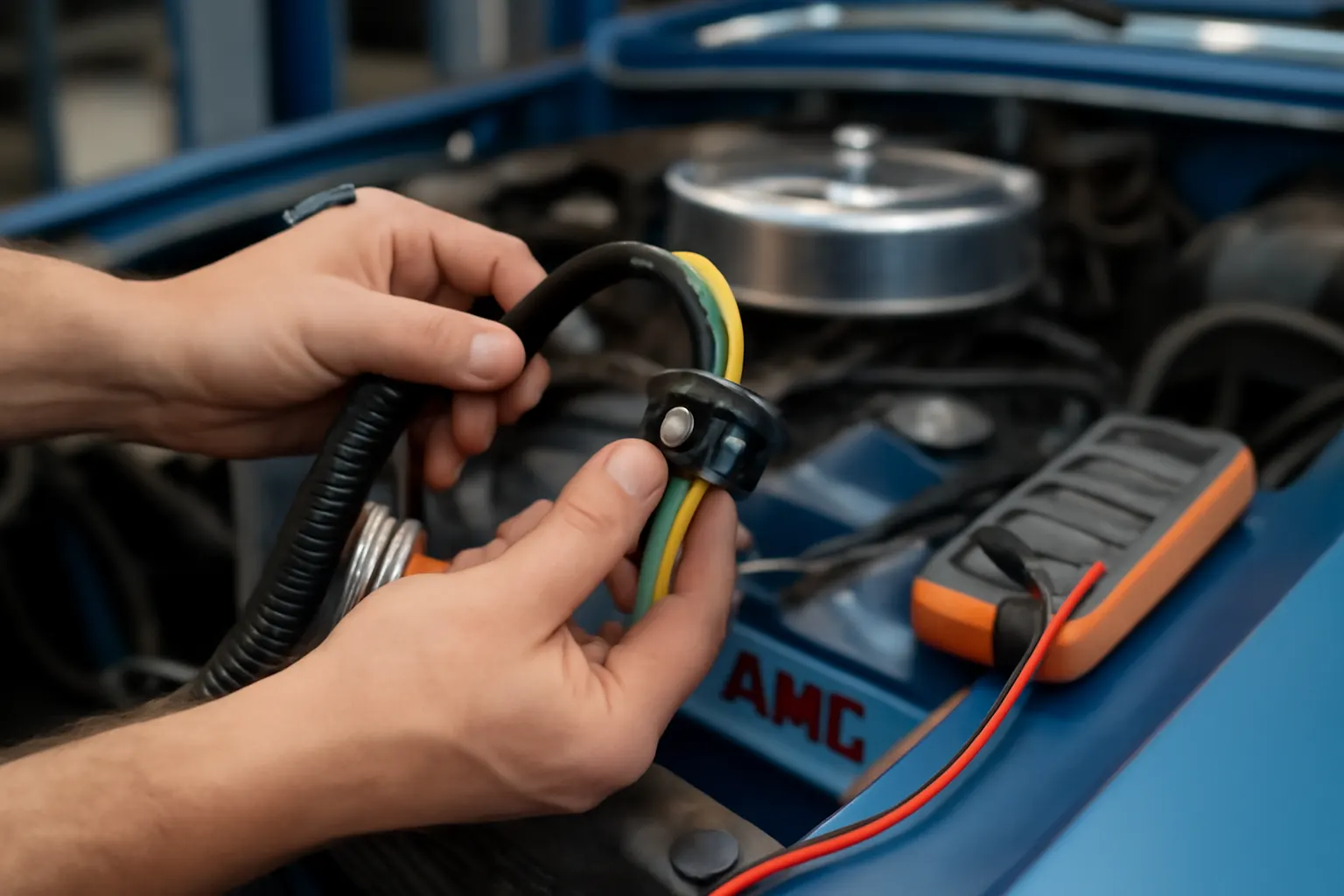
Sourcing discontinued AMC electrical parts—such as wiring harnesses, switches, relays, and connectors—demands a strategic approach, blending knowledge of original equipment, aftermarket alternatives, and practical restoration methods. Whether you’re keeping a classic AMC Gremlin roadworthy or aiming for concours-level originality, understanding the sourcing landscape is critical for safe, reliable operation. This comprehensive guide delivers proven strategies, diagnostic tips, and expert insights tailored to the unique challenges of AMC electrical component replacement. For broader AMC Gremlin parts and service information, visit the AMC Gremlin Auto Parts & Service Guide.
Why AMC Electrical Parts are Especially Challenging to Source
AMC vehicles like the Gremlin present a distinct sourcing challenge: most electrical components have been out of production for decades, and AMC’s unique engineering means many parts are not directly interchangeable with other makes. Unlike body panels or suspension bushings, electrical parts such as harnesses, ignition switches, and dash controls are highly model-specific. This specificity, combined with a shrinking supply of NOS (New Old Stock) and the limited scope of reproduction efforts, creates a landscape where finding the right part can be as difficult as the repair itself.
Even seemingly simple components—like headlight switches or fuse panels—may differ between model years or trim levels. This makes cross-referencing and part number accuracy crucial for a successful repair or restoration. Furthermore, electrical parts are subject to age-related failure modes (corrosion, insulation breakdown, internal arcing) that make used components unreliable unless carefully tested and restored.
The Hidden Problem: Safety and Reliability Risks
While the immediate concern may be getting the car’s lights or gauges working again, the deeper risk with aged or incorrect electrical parts is safety. According to the National Highway Traffic Safety Administration, faulty electrical equipment is a leading contributor to vehicle fires, loss of lighting, and sudden breakdowns. Classic AMCs, with their original 40-50-year-old wiring, are particularly susceptible to these hazards.
Improperly matched connectors, incorrect wire gauges, or non-OEM switches can create high-resistance connections, leading to overheating or intermittent operation. Even well-intentioned “universal” replacements may lack the current handling or fitment of the original AMC design, which can compromise both reliability and safety-critical functions such as lighting, wipers, or starter circuits.
Understanding AMC Electrical System Design
AMC’s electrical systems from the 1970s and early 1980s reflect both industry standards and unique engineering choices. The Gremlin’s harnesses, for example, often used color-coded wires with specific gauge and routing, proprietary connectors, and sometimes one-year-only switch assemblies. Unlike modern cars, which use multiplexed wiring and standardized connectors, AMC’s harnesses were often hand-assembled and model-specific.
Key system elements include:
- Main Harness: Runs from the fuse panel to the engine bay, dash, and rear body.
- Dash Harness: Integrates switches, gauges, and indicator lights.
- Engine Harness: Connects ignition, charging, and emissions controls.
- Lighting Harness: Feeds headlights, tail lamps, and markers.
Understanding the function and routing of each harness is crucial for accurate sourcing, as even minor differences (such as with or without A/C, or different gauge clusters) can change connector types and pinouts.
Where to Find AMC Electrical Parts: The Sourcing Landscape
1. NOS (New Old Stock) Suppliers
NOS remains the gold standard for authenticity and fit, but supplies are highly limited. Key sources include:
- Specialty AMC parts dealers
- Online auction sites focused on vintage auto parts
- Swap meets and classic car shows
When sourcing NOS, verify part numbers and inspect for age-related degradation (e.g., brittle insulation, corrosion on terminals).
2. Used Parts and Salvage
Donor vehicles can provide harnesses, switches, or connectors. However, expect to perform cleaning, re-termination, and insulation repairs. Always test used electrical parts for continuity and function before installation.
Advertisement
3. Reproduction and Aftermarket
Some high-demand items (e.g., ignition switches, headlight switches) are now reproduced by specialty vendors. These may use updated materials or slightly different connectors, so confirm compatibility before purchase.
4. Custom Harness Builders
For harnesses that are NLA (No Longer Available), custom harness builders can replicate the original using period-correct wire colors and connectors. This is often the best solution for safety and reliability, especially for engine or dash harnesses.
Diagnosing AMC Electrical Issues Before Sourcing
Before investing in new parts, perform a thorough diagnosis to avoid unnecessary purchases. Electrical issues often stem from poor grounds, corroded connectors, or blown fuses rather than failed major components.
AMC Electrical Diagnostic Checklist:
-
Visual Inspection:
- Check for brittle, cracked, or burned insulation.
- Look for green or white corrosion on terminals and connectors.
- Inspect for melted fuse panels or overheated wiring.
-
Continuity and Voltage Testing:
- Use a multimeter to check for continuity from switch to load (e.g., headlight switch to lamps).
- Measure voltage drop across suspect connections.
- Test resistance of switches and relays compared to specifications.
-
Ground Path Verification:
- Clean and retighten ground straps and terminals.
- Test for voltage drop between component ground and battery negative.
-
Component Bench Testing:
- Remove suspect switches, relays, or harness sections and test outside the vehicle if possible.
By confirming the root cause, you can target your sourcing efforts and avoid replacing still-functional original equipment.
Cross-Referencing AMC Part Numbers
AMC’s part numbering system is essential for accurate sourcing. Many electrical components have superseded or revised part numbers over the years. Before searching, consult AMC service manuals, parts catalogs, or reputable online resources to confirm the correct part number for your vehicle’s year, model, and trim.
Tips for Cross-Referencing:
- Use official AMC parts catalogs (often available as digital scans from enthusiast sites).
- Compare numbers stamped on existing parts with catalog listings.
- Check for shared components with other AMC models (e.g., Hornet, Concord) but confirm connector and mounting details.
- When using aftermarket or reproduction sources, request detailed product photos and dimensions.
Assessing Electrical Part Quality: What to Look For
Not all replacement parts are created equal. When evaluating NOS, used, or reproduction AMC electrical parts, consider the following:
- Connector Fit: Should be tight and free from corrosion. Loose connectors cause heat and intermittent faults.
- Wire Insulation: Should be flexible, not brittle or cracked.
- Switch Operation: Should have positive detents and no excessive play.
- Terminal Plating: Look for bright, untarnished contacts (preferably tin or gold-plated).
- Load Rating: Confirm amperage ratings meet or exceed the original specification.
For critical systems (e.g., ignition, lighting), avoid “universal” parts unless they can be adapted with proper connectors and wire gauge.
Repair vs. Replace: When to Restore Original AMC Electrical Parts
Sometimes, the best option is to repair rather than replace, especially for harnesses or switches that are rare or prohibitively expensive.
Restoration Techniques:
- Connector Cleaning: Use contact cleaner and small wire brushes to remove corrosion.
- Terminal Replacement: Crimp or solder new terminals onto existing wires, using factory-style connectors.
- Wire Splicing: Use heat-shrink tubing and staggered solder joints for durability and safety.
- Switch Rebuilding: Disassemble, clean, and re-lubricate mechanical switches when possible.
Restoring original parts preserves authenticity and can be safer than adapting ill-fitting replacements. However, severely damaged or burned components should always be replaced.
Modern Materials and Upgrades: Balancing Authenticity and Safety
While originality is a priority for many restorers, modern wire insulation, relays, and connectors offer significant safety and longevity improvements. According to the United States Department of Energy, advances in materials technology have produced wires and connectors with higher temperature ratings and corrosion resistance.
Practical Upgrades Include:
Advertisement
- Modern Fuse Blocks: Replacing original glass fuse panels with blade-style fuse blocks for reliability.
- Upgraded Relays: Using modern relays for high-current circuits (e.g., headlights) to reduce load on switches.
- Improved Grounds: Adding supplemental ground straps to reduce voltage drop and improve system reliability.
These upgrades can be performed in a reversible manner for those wishing to maintain a period-correct appearance.
Installation Best Practices for AMC Electrical Components
Proper installation is as important as sourcing the correct part. Follow these guidelines to ensure safety and function:
- Disconnect Battery: Always disconnect the battery before working on electrical systems.
- Label Wires: Use masking tape and a marker to label wires during disassembly.
- Torque Specifications: Tighten terminals and fasteners to factory specs to avoid loose connections.
- Route Harnesses Carefully: Follow original routing paths to avoid chafing or pinching wires.
- Secure with Clips: Use factory-style clips or modern cable ties (in hidden areas) to prevent harness movement.
After installation, test all affected circuits before final reassembly.
Maintaining AMC Electrical Systems for Longevity
Once restored, regular maintenance is key to preventing future failures:
- Annual Inspection: Check harnesses, connectors, and grounds for signs of wear or corrosion.
- Protect from Moisture: Use dielectric grease on exposed terminals and connectors.
- Monitor for Heat: Check for hot spots around fuse panels and high-current switches.
- Operate All Functions: Regularly cycle switches, lights, and accessories to prevent contacts from oxidizing.
A well-maintained electrical system will deliver years of trouble-free operation, even in classic vehicles.
Sourcing Checklist: AMC Electrical Parts
Use this checklist to streamline your sourcing and ensure you’re prepared for installation:
| Step | Action | Notes |
|---|---|---|
| 1 | Identify exact part number | Use AMC catalogs, verify model/year/trim |
| 2 | Inspect original part | Note condition, connector type, wire colors |
| 3 | Search NOS suppliers | Prioritize authenticity; inspect for age damage |
| 4 | Check used/salvage sources | Test parts, plan for cleaning/repair |
| 5 | Evaluate reproduction options | Confirm fit, connector style, amperage rating |
| 6 | Consider custom harness builders | For NLA or complex harnesses |
| 7 | Compare with cross-reference guides | Avoid incorrect substitutions |
| 8 | Prepare installation tools | Multimeter, crimpers, soldering iron, heat shrink |
| 9 | Document wiring before removal | Photos, labels for reassembly |
| 10 | Test all circuits post-installation | Verify function and safety |
Common Pitfalls and How to Avoid Them
Sourcing AMC electrical parts is fraught with potential missteps. Avoid these common errors:
- Assuming Interchangeability: Even similar-looking parts may have different pinouts or mounting tabs.
- Overlooking Grounds: Many electrical issues are ground-related; always clean and reattach grounds.
- Neglecting Safety Ratings: Never use lower-amperage switches or wires than specified.
- Skipping Testing: Always bench-test used or reproduction parts before final install.
- Ignoring Documentation: Take detailed notes and photos during disassembly—AMC wiring can be confusing.
AutoPartEx: Your Partner in AMC Electrical Restoration
At AutoPartEx, we recognize the unique challenges faced by AMC enthusiasts and restorers. Our technical team curates in-depth guides and connects you with reputable suppliers, custom harness builders, and restoration resources specific to the AMC Gremlin and related models. Explore the full AMC Gremlin Auto Parts & Service Guide for comprehensive parts, diagnostics, and upgrade strategies.
For those tackling broader restoration projects, see our editorial on Advanced Materials In Classics and bodywork solutions like Amc Body Rust Repair. Our commitment is to blend historical accuracy with modern safety and reliability, supporting every step of your AMC journey.
Conclusion: Sourcing Success with Knowledge and Diligence
Sourcing AMC electrical parts is a rewarding challenge that tests both your research skills and technical acumen. By understanding AMC’s unique electrical system architecture, using diagnostic tools, cross-referencing part numbers, and leveraging a blend of NOS, reproduction, and expert restoration techniques, you can keep your Gremlin’s systems safe and reliable for years to come. Remember, the key to success lies in thorough preparation, methodical installation, and ongoing maintenance. Let AutoPartEx be your trusted technical companion as you keep AMC’s legacy alive on the road.
References
Advertisement