
Advertisement
Amc Electrical Fuel System Restoration
Restoring the electrical and fuel systems in classic AMC vehicles is a complex but rewarding process, essential for ensuring both safety and long-term reliability. Whether you're reviving an AMX, Javelin, Gremlin, or any of the brand's storied models, understanding how to source, diagnose, and upgrade obsolete electrical and fuel components is critical. This comprehensive guide delivers actionable insights and expert strategies for a successful AMC restoration—starting with immediate steps, uncovering hidden challenges, and providing a step-by-step technical path forward.
For a broader look at AMC parts fitment and restoration, see our AMC Other Auto Parts: Comprehensive Model Parts Guide & Fitment Reference.
Immediate Answer: The Core of AMC Electrical and Fuel System Restoration
If your AMC’s electrical or fuel system is causing hard starts, poor performance, or intermittent failures, the most effective immediate action is a systematic diagnosis followed by targeted replacement or restoration of key components. Begin by inspecting the fuel pump, sender, wiring harness, and ignition system for corrosion, wear, or outdated design. For safety and reliability, always use components that meet or exceed original AMC specifications and modern safety standards, referencing authoritative sources such as the National Highway Traffic Safety Administration (NHTSA) for equipment guidelines.
Hidden Problem: Obsolescence and Compatibility Gaps
While AMC vehicles are beloved for their unique engineering, owners face a persistent challenge: many original electrical and fuel system components are now out of production or only available as NOS (new old stock), which may have deteriorated in storage. Furthermore, modern replacement parts often require adaptation to fit AMC-specific wiring, connectors, and mounting hardware. This can lead to compatibility issues, unreliable operation, or even safety hazards if not addressed with technical precision.
Expanding the Challenge: The Complexity of AMC Restoration
Legacy Designs and the Modern Parts Market
AMC’s approach to electrical and fuel system design often diverged from the Big Three, resulting in unique connectors, gauge senders, and fuel delivery layouts. Over time, wiring insulation becomes brittle, fuel lines corrode, and mechanical fuel pumps lose efficiency. The aftermarket for AMC-specific parts is limited, and many universal-fit components require modification to ensure proper fitment and function.
Safety, Efficiency, and Regulatory Considerations
Restorers must also contend with evolving safety standards and fuel formulation changes. Ethanol-blended fuels can degrade old rubber lines and diaphragms, while outdated wiring may not meet current safety guidelines as outlined by the NHTSA. An incomplete restoration can compromise not only reliability but also vehicle safety and fuel efficiency—critical for both daily driving and show-quality builds.
Step-by-Step Solution Path: Diagnosing and Restoring AMC Electrical and Fuel Systems
1. Initial System Assessment
Begin with a comprehensive inspection:
- Visual Check: Examine wiring harnesses, connectors, and fuel lines for visible corrosion, cracking, or modifications.
- Function Test: Verify operation of the fuel pump (mechanical or electric), fuel sender, gauges, and ignition components.
- Safety Audit: Identify any non-original wiring, splices, or bypasses that could indicate previous repairs or shortcuts.
2. Sourcing AMC-Specific Components
- OEM vs. Aftermarket: Prioritize NOS or high-quality reproduction parts when available. Use reputable suppliers specializing in AMC components.
- Cross-Reference: Consult parts guides and fitment charts to ensure compatibility across AMC model years and trims.
- Adaptation Requirements: Be prepared to fabricate brackets, adapt connectors, or modify wiring for universal-fit parts.
Advertisement
3. Diagnostic Checklist: Common AMC Electrical and Fuel System Issues
| Symptom | Likely Cause | Diagnostic Action |
|---|---|---|
| Hard starting or stalling | Weak fuel pump, clogged filter, corroded wiring | Test fuel pressure, inspect wiring |
| Inaccurate fuel gauge | Faulty sender, poor ground, bad gauge | Bench test sender, check grounds |
| Dim or flickering lights | Failing alternator, bad connections | Voltage test, inspect connections |
| No crank/no start | Faulty ignition switch, starter relay | Test switch, check relay |
| Fuel leaks or vapor smell | Old rubber lines, cracked fittings | Inspect/replace lines and gaskets |
Deep Dive: AMC Electrical System Restoration
Harnesses and Wiring
Original AMC wiring harnesses often suffer from degraded insulation and corroded terminals. Complete harness replacement is recommended for vehicles with widespread deterioration. When only partial repairs are needed, use high-quality automotive wire (preferably GXL or TXL-rated) and OEM-style terminals.
Key Areas to Inspect:
- Bulkhead Connectors: Prone to corrosion and overheating; clean or replace as needed.
- Headlight and Taillight Circuits: Common sources of voltage drop and intermittent faults.
- Ignition Circuit: Inspect for resistance and continuity, especially at switch and coil terminals.
Switches, Relays, and Fuses
Many AMC models use unique switchgear and fuse blocks. If original parts are unavailable, adapt modern equivalents with matching amperage ratings and mounting provisions. Always follow SAE and NHTSA guidelines for electrical safety.
Fuel System Restoration: From Tank to Carburetor
Fuel Tank and Sender
Inspect the tank for rust, sediment, or leaks. Professional cleaning or tank sealing is often required. The fuel sender (which communicates level to the gauge) should be bench-tested for smooth operation and accurate resistance range.
Fuel Lines and Hoses
Replace all rubber hoses with modern ethanol-resistant fuel line. For steel lines, check for corrosion and replace as needed. Use proper flare fittings and avoid compression fittings, which can leak under pressure.
Fuel Pump: Mechanical and Electric
Most AMC models used mechanical pumps, but electric conversions are popular for reliability and consistent pressure. Select a pump with a flow rate and pressure suitable for your engine and carburetor, and ensure proper wiring and safety cutoff (such as an oil pressure switch).
Upgrading for Reliability: Modern Materials and Technologies
Wiring Upgrades
- Material Selection: Use cross-linked polyethylene (GXL/TXL) insulation for heat and chemical resistance.
- Terminal Quality: Choose tin-plated or gold-plated terminals for corrosion resistance.
- Looms and Conduits: Protect wiring with split loom or braided sleeving for abrasion protection.
Fuel System Upgrades
- Ethanol Compatibility: Select hoses and gaskets rated for modern fuel blends.
- Inline Filters: Install high-quality fuel filters before the pump and carburetor.
- Fuel Injection Conversions: For performance builds, consider aftermarket throttle body injection systems designed for classic V8s.
Fitment and Compatibility: Avoiding Common Pitfalls
Cross-Year and Cross-Model Issues
AMC frequently updated connectors, senders, and mounting points even within the same model line. Always verify part numbers and physical dimensions before purchase. Use reference materials or consult restoration forums for field-proven solutions.
Advertisement
Adapting Universal Parts
When using universal-fit components, create detailed wiring diagrams and test all functions before final installation. Use relay upgrades for high-current loads (headlights, fuel pump) to reduce strain on original switches.
Diagnostic and Installation Best Practices
Electrical System
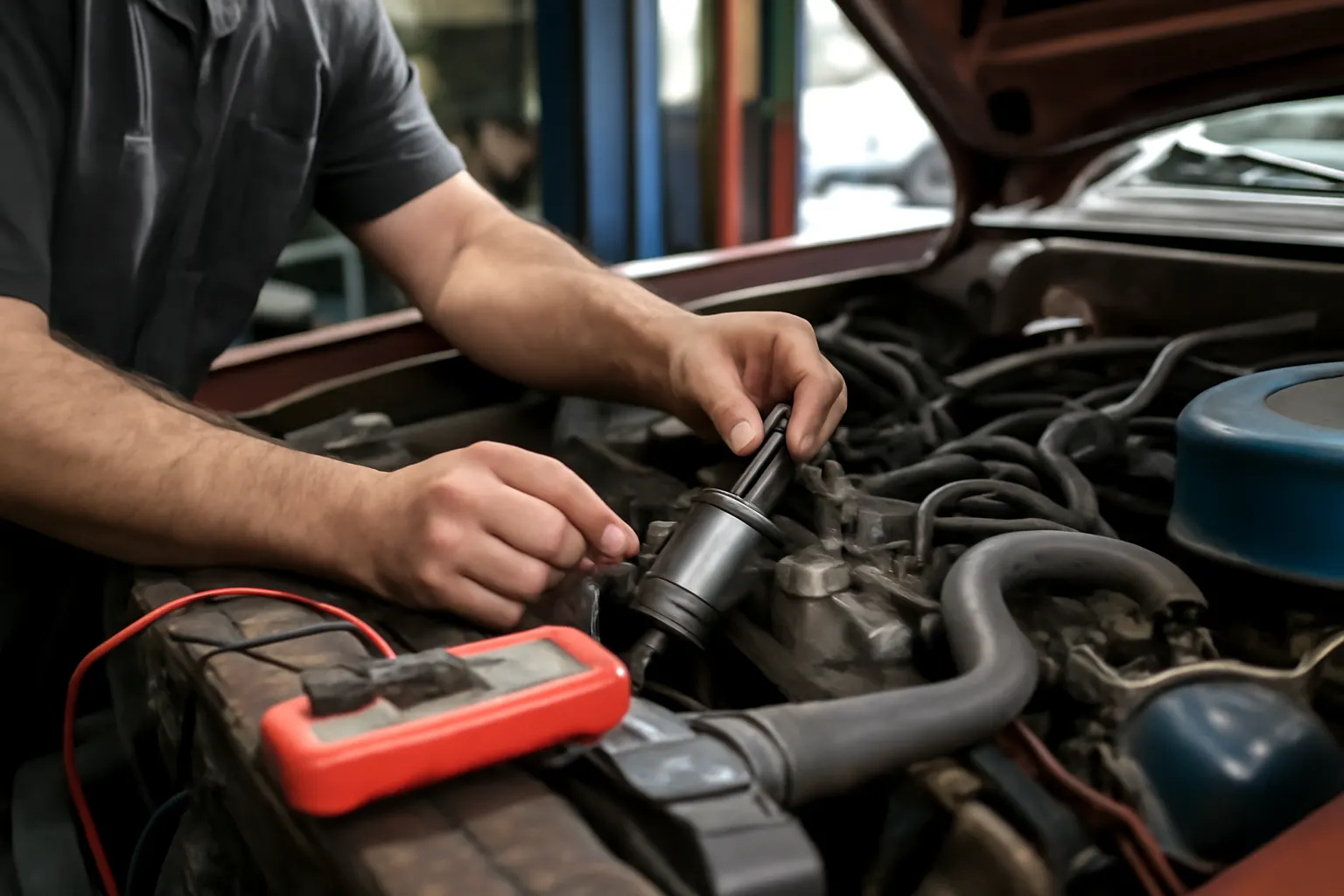
- Continuity Testing: Use a digital multimeter to check for open circuits and excessive resistance.
- Voltage Drop Testing: Identify weak grounds or high-resistance connections.
- Proper Soldering and Crimping: Use quality tools and avoid “twist and tape” repairs.
Fuel System
- Pressure Testing: Verify pump output matches engine requirements.
- Leak Testing: Pressurize the system and check all joints with soapy water.
- Routing: Secure lines away from heat sources and moving parts.
Preventive Maintenance: Maximizing Longevity
Electrical
- Inspect connections annually for corrosion or loosening.
- Use dielectric grease on terminals exposed to moisture.
- Replace fuse block covers and grommets to prevent water intrusion.
Fuel
- Replace fuel filters every 12,000-15,000 miles.
- Inspect hoses at every oil change; replace at first sign of cracking.
- Keep the tank at least half full to minimize condensation and rust.
Sourcing Obsolete AMC Components: Where and How
Trusted AMC Parts Suppliers
- Specialty vendors and AMC club affiliates often reproduce critical electrical and fuel system components.
- Online auction sites may have NOS parts, but verify storage conditions and seller reputation.
Cross-Reference Strategies
- Use AMC parts catalogs and VIN decoding guides to identify correct part numbers. Our Amc Vin Decoding article can help clarify model-year and trim differences.
- When substituting, match specifications for voltage, resistance, and pressure as closely as possible.
Checklist: Evaluating AMC Restoration Parts
- Is the part NOS, reproduction, or universal fit?
- Does it match AMC’s original specifications?
- Are installation instructions and wiring diagrams available?
- Is the supplier reputable within the AMC community?
- Does the part meet or exceed NHTSA safety guidelines?
Regulatory and Safety Standards: Why Compliance Matters
Restored electrical and fuel systems must comply with contemporary safety standards wherever possible. The NHTSA provides up-to-date guidance on vehicle equipment regulations and recall information. Even if your AMC predates certain requirements, integrating modern safety practices—such as proper circuit protection, quality materials, and secure routing—will protect both occupants and investment.
For more details on vehicle safety regulations, see the Vehicle Safety and Equipment database.
Common Restoration Mistakes—and How to Avoid Them
- Reusing Old Rubber or Wiring: Always replace aged materials, regardless of appearance.
- Ignoring Ground Paths: Poor chassis grounds are a leading cause of electrical issues.
- Mixing Incompatible Parts: Double-check fitment and specs before installing cross-model or universal components.
- Skipping Bench Tests: Always test senders, gauges, and pumps outside the vehicle before final installation.
- Improper Fuel Line Routing: Avoid sharp bends and proximity to exhaust manifolds.
Expert Action: The AutoPartEx Approach
At AutoPartEx, we advocate for a methodical, standards-driven approach to AMC restoration. By combining factory-correct fitment with modern materials and safety practices, you ensure that your classic AMC is not only true to its heritage but also reliable and safe for regular use. Our technical resources, fitment guides, and curated parts selection empower AMC owners to tackle even the most challenging restorations with confidence.
For comprehensive AMC fitment data and technical resources, visit our AMC Other Auto Parts: Comprehensive Model Parts Guide & Fitment Reference. If your project involves drivetrain or weatherstripping upgrades, see our Amc Drivetrain Swaps Guide and Amc Weatherstripping Trim Install for additional expert content.
References
Advertisement