
Advertisement
Amc Center Cap Evolution
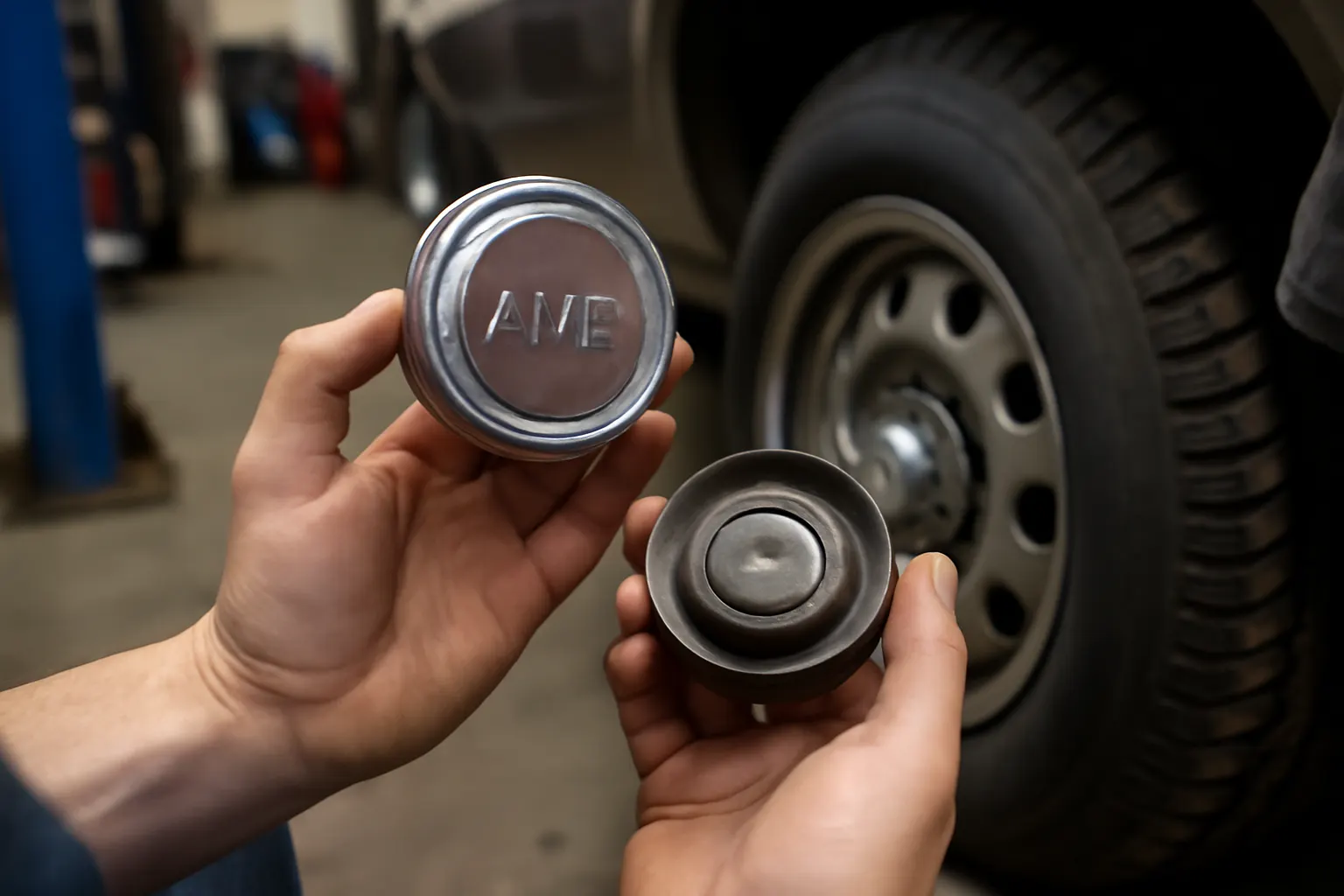
The evolution of AMC’s wheel center caps from the 1970s through the 1980s is a story of changing materials, shifting manufacturing priorities, and the ongoing quest for both aesthetic appeal and functional performance. Whether you’re restoring a classic AMC Javelin, seeking a correct replacement for a Concord, or simply interested in collector value, understanding how AMC’s center cap designs changed over the years is essential for accurate fitment, sourcing, and preservation. This guide provides an expert breakdown of design trends, material technologies, and practical guidance for enthusiasts and restorers. For a broader overview of AMC center caps, including OEM fitment and sourcing, see our AMC Center Cap (Wheel): OEM Fitment, Failure Patterns, and Expert Sourcing page.
How AMC Center Caps Changed: The Immediate Answer
Between 1970 and 1987, AMC’s wheel center caps evolved from heavy, chrome-plated steel domes to lighter, composite and aluminum-based designs, reflecting changes in manufacturing, materials science, and vehicle styling. Early caps focused on durability and a bold, metallic look, while later caps prioritized weight reduction, cost efficiency, and compliance with new safety and performance standards. These evolutionary steps directly affect today’s fitment, restoration, and collector market, with certain rare designs commanding high value due to unique materials or short production runs.
The Hidden Problem: Why Center Cap Evolution Matters for Owners and Restorers
The changes in AMC center cap design over two decades present hidden challenges. Not all caps are interchangeable, even among models with similar wheel diameters. Variations in mounting hardware, cap depth, and emblem design mean that incorrect replacements can result in insecure fitment, accelerated wear, or diminished authenticity—especially problematic for show-quality restoration or high-value collector vehicles. Furthermore, material aging and compatibility with modern wheel finishes add complexity to sourcing and maintenance.
The Technical Story: Materials, Manufacturing, and Regulation
1970s: Steel and Chrome Domination
In the early 1970s, AMC center caps were primarily constructed from stamped steel, often finished with a thick layer of chrome plating. This approach provided excellent durability and a mirror-like shine that complemented the era’s bold wheel designs. The steel construction also offered high resistance to impact and corrosion—at least initially—though long-term exposure to moisture could still lead to rust beneath the chrome layer.
The mounting systems of this era were typically robust, using spring-steel retention rings or multi-tabbed designs that gripped the wheel hub securely. Emblems were often affixed with adhesive or small fasteners, with some models featuring colored acrylic inlays or painted details.
Late 1970s: Aluminum and Composite Experimentation
As fuel efficiency and vehicle weight became more critical—driven by regulatory changes and consumer demand—AMC, like other automakers, began exploring lighter materials for wheel accessories. By the late 1970s, many AMC center caps were produced using die-cast aluminum or composite plastics, sometimes with a thin chrome or brushed metal overlay.
This transition reduced unsprung weight and improved overall fuel economy, aligning with industry trends documented by the U.S. Department of Energy’s Materials Technologies program. However, it also introduced new challenges: aluminum caps were more prone to denting and corrosion at the mounting points, while plastic caps could become brittle and crack with age or exposure to UV light.
1980s: Standardization and Cost Efficiency
The 1980s saw AMC standardize its center cap offerings, often sharing cap designs across multiple models to streamline production. The focus shifted to injection-molded plastics with snap-in retention systems, sometimes using integrated emblems or decals instead of separate, fastened badges.
These changes improved assembly speed and reduced costs, but also made the caps more susceptible to wear from repeated removal or harsh cleaning chemicals. The lighter materials contributed to better fuel efficiency, as noted in DOE fuel efficiency research, but at the expense of the tactile weight and durability prized by earlier enthusiasts.
Fitment Challenges: Why Not All AMC Center Caps Interchange
Despite similar wheel diameters, AMC center caps from different years and models rarely interchange perfectly. The reasons include:
Advertisement
- Mounting Mechanism Variations: Early steel caps used spring rings or screw mounts, while later plastic caps often relied on snap-in tabs or tension-fit designs. These mechanisms are rarely cross-compatible.
- Cap Depth and Profile: Some caps are deeply domed to clear protruding hubs or wheel hardware, while others are nearly flat. Using a cap with the wrong depth can lead to interference or insecure fitment.
- Emblem and Finish Differences: Even visually similar caps may have different logo inlays, finish textures, or color schemes, impacting authenticity for restoration projects.
For a detailed breakdown of which caps fit which wheels, consult our Amc Wheel Center Cap Fitment Guide.
Collector Value: Rarity, Authenticity, and Restoration
The evolution of AMC center caps directly affects their value in today’s collector market. Early steel caps with unique emblems or limited-edition finishes are increasingly rare, especially in good condition. Later plastic caps, while more common, are often found with faded emblems, cracked tabs, or missing decals.
Key factors influencing collector value include:
- Original Materials: Steel or die-cast aluminum caps are often more valuable than plastic equivalents.
- Correct Emblem and Finish: Caps with factory-original emblems and finish command a premium.
- Condition: Pristine, uncracked caps with all tabs and hardware intact are sought after.
- Model/Year Rarity: Caps produced for short-run or performance models (e.g., AMX, Spirit GT) are especially prized.
Restorers should be cautious of reproduction caps that use modern materials or incorrect emblem designs, as these can diminish a vehicle’s authenticity and value.
Diagnosing AMC Center Cap Fitment and Failure
Proper diagnosis of center cap issues requires attention to both physical fitment and material condition. Common problems include:
- Loose or Missing Caps: Often due to worn or broken mounting tabs, incorrect cap depth, or incompatible retention rings.
- Corrosion or Pitting: Especially prevalent in steel or aluminum caps exposed to road salt or moisture.
- Cracking or Discoloration: Most common in plastic caps, resulting from UV exposure or aggressive cleaning products.
- Emblem Detachment: Adhesive failure or mechanical fatigue can cause emblems or decals to fall off.
AMC Center Cap Fitment Diagnostic Checklist
Use this checklist to quickly diagnose center cap fitment and failure issues:
- Verify cap diameter matches wheel opening
- Inspect mounting mechanism (tabs, rings, screws) for wear or damage
- Check cap depth against wheel hub profile
- Examine cap for cracks, corrosion, or pitting
- Test emblem attachment and condition
- Confirm cap finish matches original specification
- Ensure cap remains secure after installation
If any item fails, address before returning the vehicle to service or entering it in a show.
Material Technologies: Steel, Aluminum, and Plastics in AMC Center Caps
The shift from steel to lighter materials in AMC center caps reflected broader automotive trends and regulatory pressures. According to the DOE’s Materials Technologies, manufacturers adopted aluminum and engineered plastics to reduce vehicle weight and improve fuel economy.
- Steel: Offers superior strength and impact resistance, but adds weight and is prone to rust if the chrome layer is compromised.
- Aluminum: Lightweight and corrosion-resistant, but softer and more easily damaged at mounting points.
- Plastics (ABS, Polycarbonate): Extremely light and cost-effective, but can become brittle with age or UV exposure.
Understanding these materials is vital for restoration decisions, as incorrect cleaning or repair methods can accelerate aging or failure. For a deeper dive into AMC’s wheel material choices, see our Amc Wheel Material Technologies article.
Installation and Maintenance: Best Practices for Longevity
Proper installation and maintenance are key to maximizing the life and appearance of AMC center caps. Follow these expert guidelines:
Installation Tips
- Clean Wheel and Cap Surfaces: Remove all debris, corrosion, or old adhesive before installation.
- Inspect Mounting Hardware: Replace worn or missing spring rings, screws, or retention clips.
- Gentle Pressure Only: Avoid hammering caps into place; use palm pressure and rotate gently to seat evenly.
- Check for Secure Fit: After installation, gently attempt to wiggle the cap. It should remain firmly in place without rattling.
Maintenance Tips
- Use Non-Abrasive Cleaners: Avoid harsh chemicals or brushes that can damage chrome, paint, or plastic surfaces.
- Protect from UV Exposure: Store vehicle indoors or use wheel covers when possible to prevent fading and brittleness.
- Regular Inspection: Check caps for cracks, looseness, or emblem detachment at each wash or tire rotation.
Sourcing OEM and Reproduction AMC Center Caps
Finding the correct AMC center cap—especially for 1970s and early 1980s models—can be challenging. Original caps in good condition are increasingly rare, and reproduction quality varies.
Advertisement
Sourcing Checklist
- Verify Part Number: Whenever possible, cross-reference the original AMC part number with seller listings.
- Inspect Photos Carefully: Look for correct emblem, finish, and mounting mechanism.
- Ask About Materials: Confirm whether the cap is steel, aluminum, or plastic, and if it matches your original.
- Beware of Universal Fit Claims: “One size fits all” rarely applies to AMC caps due to mounting variations.
- Check Seller Reputation: Use trusted restoration suppliers or specialist forums with positive feedback.
For a comprehensive sourcing and restoration guide, refer to our Amc Wheel Center Cap Restoration Article.
Safety and Regulatory Considerations
While center caps are primarily cosmetic, they also contribute to wheel safety by protecting hub hardware from dirt and moisture. The National Highway Traffic Safety Administration emphasizes proper equipment fitment and replacement to avoid loose parts that could become road hazards.
- Loose or Missing Caps: Can expose wheel bearings and nuts to contamination.
- Incorrect Fitment: May lead to caps detaching at speed, creating potential hazards.
Always use caps designed for your specific wheel and model, and inspect for secure attachment after installation.
Restoring AMC Center Caps: Techniques and Pitfalls
Restoration of vintage AMC center caps requires careful attention to material and original finish. Common restoration steps include:
- Chrome Polishing: For steel caps, use a non-abrasive chrome polish and soft cloth.
- Paint Touch-Up: Carefully mask and repaint faded or chipped emblems using model-accurate colors.
- Plastic Repair: Minor cracks in plastic caps can sometimes be stabilized with specialty adhesives, but brittle or shattered caps should be replaced.
- Emblem Replacement: Lost or damaged emblems may be reproduced by specialty vendors, but verify size and design match the original.
Pitfalls to avoid:
- Using generic adhesives or paints that react with plastic or chrome finishes.
- Over-tightening mounting hardware, leading to cracks.
- Sandblasting or aggressive cleaning, which can destroy original textures or finishes.
The Role of Standards in AMC Center Cap Design
Automotive standards, such as those published by SAE International, influenced AMC’s transition from heavy steel to lighter, standardized plastic and aluminum center caps. These standards guided:
- Material Selection: Ensuring resistance to impact, corrosion, and temperature extremes.
- Retention System Design: Promoting secure fitment and easy removal for maintenance.
- Emblem Durability: Mandating adhesives and finishes that withstand environmental exposure.
Restorers and collectors should be aware that not all aftermarket or reproduction caps meet these standards, potentially affecting both safety and value.
AMC Center Cap Evolution: Implications for Enthusiasts and Collectors
The journey of AMC center cap design from the 1970s through the 1980s highlights the intersection of engineering, styling, and regulatory compliance. For today’s enthusiasts, this evolution creates both challenges and opportunities:
- Restorers must carefully source era-correct caps to preserve authenticity and value.
- Collectors should focus on rare materials and original emblems, as these command the highest market prices.
- Daily Drivers benefit from understanding material vulnerabilities, allowing for proactive maintenance and replacement.
The diversity of AMC center cap designs means that knowledge—and attention to detail—are essential for successful restoration and preservation.
AutoPartEx: Your Partner for AMC Center Cap Sourcing and Expertise
Navigating the complexities of AMC center cap evolution requires more than just a parts catalog. At AutoPartEx, we combine deep technical expertise with an extensive network of OEM and reproduction suppliers, ensuring that you find the right cap for your specific model and restoration goals. Our editorial team continuously updates fitment guides, restoration articles, and collector insights to support your AMC project from start to finish.
Explore our full AMC Center Cap (Wheel): OEM Fitment, Failure Patterns, and Expert Sourcing resource for model-specific advice, or dive deeper into restoration and material technologies with our curated editorial content.
Conclusion: Mastering AMC Center Cap Evolution
Understanding the evolution of AMC center caps is critical for accurate restoration, secure fitment, and maximizing collector value. From the robust steel domes of the early 1970s to the lightweight plastics of the 1980s, each design change reflects a balance of engineering, economics, and automotive style. By following expert diagnostic, sourcing, and maintenance practices, AMC enthusiasts can preserve the authenticity and appeal of their vehicles for years to come.
For additional guidance on fitment specifics and restoration tips, don’t miss our Amc Wheel Center Cap Fitment Guide and related technical articles.
References
Advertisement