
Advertisement
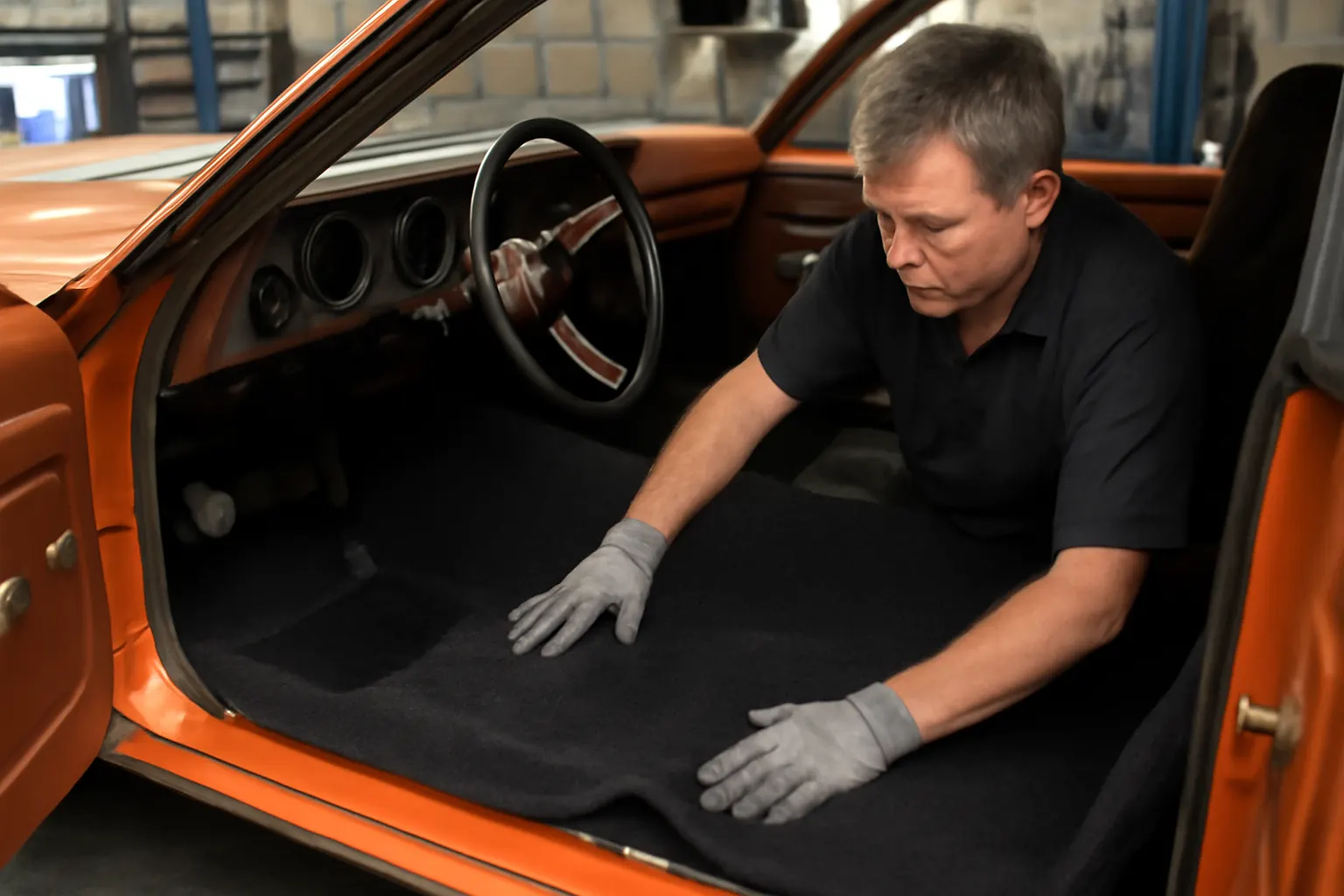
Restoring AMC carpets to OEM condition is a cornerstone of authentic interior restoration and preservation in rare American Motors Corporation models. The process requires sourcing correct materials, executing precise fitment, and following proven maintenance protocols to ensure safety, comfort, and value retention. For enthusiasts, collectors, and professional restorers, understanding the nuances of AMC carpet restoration is essential to achieving results that stand up to scrutiny and the test of time.
If you’re working on an AMC interior—be it a Javelin, AMX, Gremlin, or another classic—you’ll find that carpet restoration is not just about aesthetics. It involves technical material selection, moisture management, and compliance with safety standards. This guide delivers field-tested insights, diagnostic checklists, and before/after case studies, all grounded in current engineering data and regulatory guidance. For a full overview of AMC carpet replacement and restoration, see our AMC Carpet Replacement & Restoration – OEM Fit, Materials, and Service Guidance page.
Why AMC Carpet Restoration Matters
Carpet restoration in AMC vehicles is more than a cosmetic upgrade—it’s a structural and functional necessity. The carpet serves as insulation, sound deadening, and a barrier against moisture intrusion. In rare or vintage AMC models, original carpets are often degraded, torn, or harboring mold, which can compromise both occupant comfort and vehicle value.
Restored carpets contribute to:
- Preservation of vehicle authenticity for show and resale value.
- Enhanced occupant safety by reducing slip hazards and exposure to mold or degraded materials.
- Improved comfort and acoustics by restoring OEM insulation and sound dampening properties.
Neglecting carpet restoration can lead to hidden structural issues, persistent odors, and even floor pan corrosion. The stakes are high, especially for rare AMC models where replacement parts are scarce and originality is prized.
The Hidden Problem: Sourcing Correct AMC Carpet Materials
The core challenge in AMC carpet restoration lies in sourcing materials that match the original specifications. AMC used specific loop, cut pile, or blended fibers, and color palettes unique to certain years and models. Decades later, many original suppliers are gone, and NOS (new old stock) is rare.
Common pitfalls include:
- Generic aftermarket kits that lack correct fit, color, or fiber density.
- Inferior backing materials that fail to insulate or adhere properly.
- Incorrect dye lots resulting in mismatched interior hues.
This scarcity drives up costs and complicates restoration timelines. For many AMC models—especially limited-run editions—restorers must balance authenticity with practicality, sometimes commissioning custom runs or adapting materials from other period-correct sources.
Technical Deep Dive: AMC Carpet Construction and OEM Specifications
To restore AMC carpets accurately, it’s vital to understand their original construction:
Fiber Types
AMC used a mix of nylon loop, cut pile, and blended synthetic fibers. The choice depended on model year, trim level, and intended market. According to the U.S. Department of Energy’s Materials Technologies research, material selection affects not just appearance but also weight, insulation, and durability.
Backing and Underlayment
- Jute padding: Commonly used as underlayment for insulation and sound deadening.
- Rubberized or latex backing: Provided shape retention and moisture barrier.
- Molded vs. flat: Higher-trim models often featured molded carpets for precise fit.
Color Matching
OEM color codes are often lost or faded, and even period-correct dyes can shift over decades. Matching requires referencing original swatches, trim codes, or undisturbed carpet sections (such as under seats or sills).
Fitment
Each AMC model’s floor pan featured unique contours, transmission tunnels, and seat mounting points. Generic carpet kits rarely fit without significant modification. Proper restoration demands templates or original patterns.
Advertisement
The Restoration Process: A Step-by-Step Field Guide
1. Assessment and Removal
Begin with a thorough inspection. Look for:
- Threadbare or torn areas
- Mold, mildew, or musty odors
- Evidence of past water intrusion or rust underneath
- Fading, stains, or color inconsistencies
Remove seats, sill plates, and trim. Carefully extract the old carpet, preserving it as a pattern for replacement.
2. Diagnosing Underlying Issues
Carpet degradation is often symptomatic of deeper problems. Before installing new material, address:
- Floor pan rust or pinholes
- Dampness or ongoing leaks (see our Amc Interior Moisture Diagnosis guide)
- Deteriorated padding or insulation
Failure to resolve these issues can cause new carpet to degrade prematurely.
3. Sourcing OEM-Style Carpet
Options include:
- NOS (New Old Stock): Rare, expensive, and often only available in limited colors or patterns.
- Reproduction kits: Some specialty suppliers offer AMC-specific kits, but verify fiber type, backing, and fit.
- Custom fabrication: For rare models, professional upholstery shops can replicate original carpets using period-correct materials and colors.
When evaluating suppliers, insist on samples to verify color and texture. Confirm that backing and underlayment match OEM specs.
4. Pre-Installation Preparation
- Repair any floor pan rust and apply rust inhibitor or primer.
- Replace or upgrade insulation and sound deadening.
- Test-fit carpet for alignment with seat mounts, shifter cutouts, and sills.
5. Installation Best Practices
- Use OEM-style fasteners and retainers where possible.
- Adhere carpet with appropriate automotive-grade adhesives—avoid household glues, which can break down or emit fumes.
- Trim edges only after confirming fit in all areas.
- Reinstall seats and trim carefully to avoid snagging or crushing fibers.
For a detailed installation walkthrough, see our Amc Carpet Installation article.
Diagnosing and Preventing Moisture Damage
Moisture is the enemy of automotive carpet. AMC models, especially those stored for long periods, are prone to leaks from:
- Window seals
- Door weatherstripping
- Heater cores
- Cowl vents
Symptoms of moisture intrusion include:
- Persistent musty odors
- Dampness under carpet, especially after rain
- Surface rust or corrosion on floor pans
Moisture Diagnosis Checklist
- Lift carpet in suspect areas and inspect for dampness.
- Check for rust or discoloration on floor pans and underlayment.
- Inspect door, window, and cowl seals for cracks or gaps.
- Test HVAC drains and heater core for leaks.
- Address any leaks before new carpet installation.
For a comprehensive troubleshooting process, refer to our Amc Interior Moisture Diagnosis guide.
Maintenance Protocols for Restored AMC Carpets
Once your AMC carpet is restored, ongoing maintenance is crucial to preserve appearance and function:
- Vacuum regularly using a soft-bristle attachment to prevent fiber damage.
- Spot clean with automotive carpet cleaners—avoid harsh chemicals or excessive moisture.
- Protect from UV exposure by using sunshades or storing indoors.
- Address spills immediately to prevent staining or mold growth.
- Inspect for signs of wear at high-traffic areas (driver’s footwell, door sills).
Annual deep cleaning with a steam extractor (set to low moisture) can rejuvenate fibers without soaking the underlayment.
Case Studies: Before and After AMC Carpet Restoration
1972 AMC Javelin SST
Before: Carpet was faded, torn at the transmission tunnel, and harbored a persistent musty odor. Underlying jute was saturated from a leaking cowl vent.
After: New reproduction cut-pile carpet installed after floor pan repair and new insulation. Color matched to OEM “Medium Blue.” Owner reports quieter ride and improved interior appearance.
1974 AMC Gremlin X
Before: Original loop carpet was threadbare and stained. Aftermarket replacement did not fit the rear seat area, leaving exposed floor pan.
Advertisement
After: Custom-fabricated loop carpet installed using original as template. Correct color and fit restored, increasing vehicle value for show competition.
Compliance and Safety Considerations
Carpet is classified as a safety-relevant interior component. Per the National Highway Traffic Safety Administration’s Vehicle Safety and Equipment guidelines, improper fitment or use of non-compliant materials can:
- Interfere with pedal operation or seat mounting
- Lead to excessive off-gassing or fire risk from substandard adhesives
- Conceal floor pan corrosion, compromising crashworthiness
Always verify that materials meet current safety and flammability standards. Consult SAE Standards for relevant test methods and performance requirements.
Sourcing Guidance: What to Ask Suppliers
When evaluating AMC carpet suppliers, use this checklist:
| Criteria | Questions to Ask | Why It Matters |
|---|---|---|
| Material Authenticity | Does the kit use OEM-style fiber and backing? | Ensures durability and correct appearance |
| Color Accuracy | Can you provide a sample for color match? | Prevents mismatched or faded interiors |
| Model Fitment | Is the carpet molded for my AMC model/year? | Guarantees proper fit and coverage |
| Safety Compliance | Are materials tested to current standards? | Ensures occupant safety and regulatory compliance |
| Installation Support | Are instructions or templates included? | Reduces installation errors and rework |
| Return Policy | What if the fit or color is incorrect? | Protects your investment |
Document supplier responses and compare against original AMC trim codes or documentation.
Troubleshooting Common AMC Carpet Restoration Issues
Even with careful planning, challenges can arise:
1. Poor Fitment
- Symptom: Carpet bunches or leaves gaps.
- Solution: Reassess template accuracy; trim carefully and use heat to mold into contours.
2. Adhesive Failure
- Symptom: Carpet lifts or shifts after installation.
- Solution: Use high-quality, automotive-specific adhesives; ensure surfaces are clean and dry before application.
3. Color Mismatch
- Symptom: New carpet does not match adjacent panels or trim.
- Solution: Test dye on a small area, or consult a professional upholstery shop for custom color mixing.
4. Persistent Odors
- Symptom: Musty smell remains after carpet replacement.
- Solution: Check for remaining moisture, treat floor pans with odor-neutralizing products, and verify all leaks have been addressed.
Expert Tips: Achieving Show-Quality Results
- Preserve original carpet sections for reference during restoration.
- Photograph each step for documentation and future reference.
- Use OEM fasteners and hardware wherever possible to maintain authenticity.
- Consult AMC forums and restoration groups for model-specific tips and supplier recommendations.
- Allow new carpet to acclimate to room temperature before installation to improve fit.
Going Beyond Restoration: Upgrades and Modern Materials
While authenticity is key for many restorers, modern materials can offer improvements in comfort and longevity:
- Sound deadening mats: Modern butyl or foam mats can be installed beneath carpet for improved noise reduction.
- Moisture barriers: Advanced vapor barriers help prevent future rust.
- UV-resistant fibers: Some reproduction carpets use fibers with enhanced fade resistance.
Any upgrades should be reversible if originality is a priority.
AutoPartEx Positioning: Your AMC Carpet Restoration Partner
At AutoPartEx, we recognize the unique challenges of AMC carpet restoration. Our editorial team and technical advisors offer model-specific guidance, curated supplier lists, and practical installation tips. Whether you’re tackling a concours-level AMX or a daily-driven Hornet, our resources—including AMC Carpet Replacement & Restoration – OEM Fit, Materials, and Service Guidance, Amc Carpet Materials, and Amc Carpet Installation—streamline your restoration journey.
We advocate for:
- Data-driven material selection based on engineering and regulatory standards
- Stepwise diagnostic and installation protocols
- Community knowledge sharing through field reports and case studies
Trust AutoPartEx to keep your AMC’s interior true to its heritage—restored, protected, and ready for the next generation of enthusiasts.
References
Advertisement