Advertisement
Installing a new AMC cargo cover—or restoring an original—can be a straightforward, rewarding process if you follow proven tips and avoid common pitfalls. This guide delivers practical, step-by-step AMC cargo cover installation advice, troubleshooting for fitment and retraction issues, and expert recommendations for ensuring your cargo cover is safe, secure, and long-lasting. Whether you’re working on a classic AMC Eagle, Spirit, or Concord, or simply looking to refresh your cargo area, these insights will help you achieve OEM-level results and avoid the headaches that plague many DIY installers. For broader information on AMC cargo covers, including fitment and restoration value, visit our AMC Cargo Cover – OEM Fitment, Quality, and Replacement Insights | AutoPartEx page.
Immediate Answer: How to Install an AMC Cargo Cover Correctly
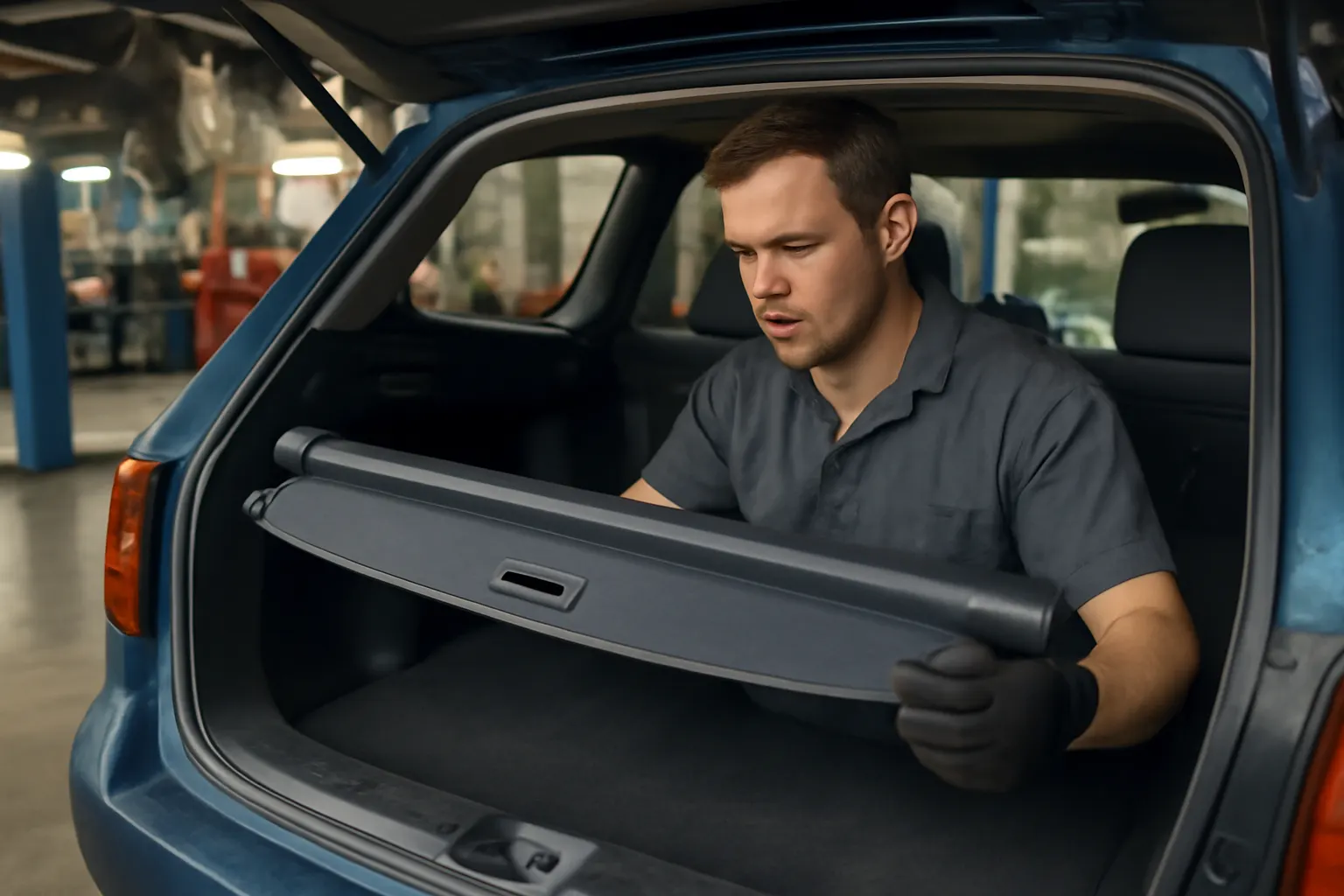
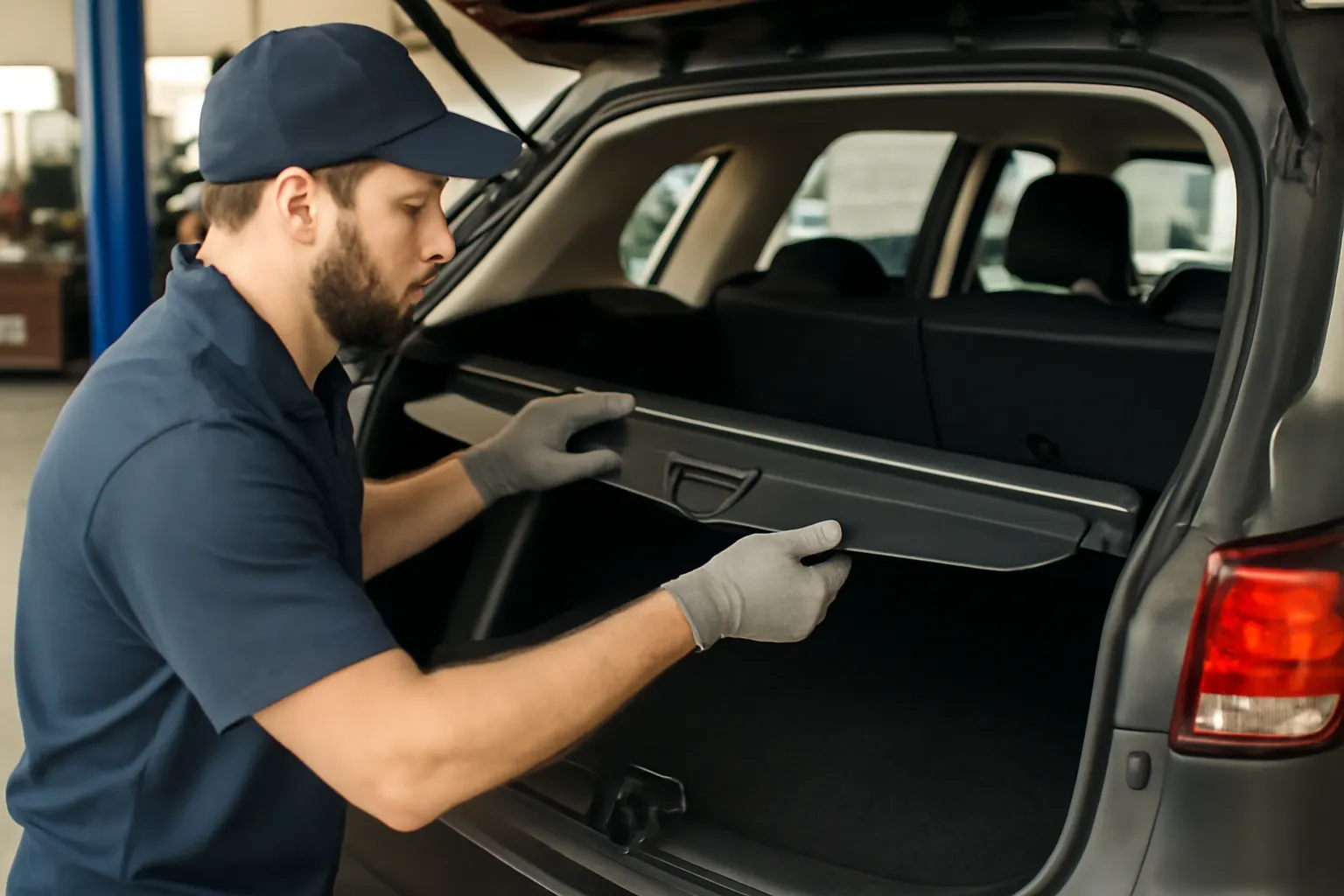
The key to a successful AMC cargo cover installation is careful preparation, precise alignment, and gentle handling of both the cover and its mounting hardware. Begin by verifying your cargo cover’s compatibility with your specific AMC model and year. Clean the cargo area’s mounting points, inspect all brackets and hardware, and use an OEM or high-quality aftermarket cover for best results. Follow these core steps:
- Position the cover: Align the cargo cover’s end caps with the designated mounting recesses or brackets on your vehicle’s side panels.
- Secure the hardware: Use the original (or replacement) screws or clips to attach the cover, ensuring each fastener is tightened evenly and not over-torqued.
- Test retraction and extension: Carefully pull the cover to its fully extended position, checking for smooth movement and proper engagement with the end hooks or slots.
- Troubleshoot issues: Address any sticking, uneven retraction, or loose mounting immediately to prevent long-term damage.
By following these steps, you’ll avoid most installation headaches and ensure your AMC cargo cover delivers both function and factory-correct appearance.
The Hidden Problem: Why AMC Cargo Cover Installs Go Wrong
Despite the apparent simplicity of installing a cargo cover, many AMC owners encounter frustrating issues: covers that won’t retract smoothly, mounting brackets that don’t line up, or hardware that strips or breaks during installation. The root causes often include:
- Incorrect part selection: Using a cover that’s not designed for your AMC model or year.
- Worn or damaged mounting points: Decades of use, rust, or previous repairs may have compromised the original anchor points.
- Improper installation sequence: Failing to follow the correct order or torque specs can lead to misalignment or premature wear.
- Neglecting cleaning and lubrication: Dirt, debris, or dry mechanisms can cause sticking or noisy operation.
These problems not only compromise the cargo cover’s function, but can also affect cargo area security, interior appearance, and even vehicle safety—especially if the cover detaches during driving, as noted in Vehicle Safety and Equipment guidelines.
Understanding AMC Cargo Cover Construction and Fitment
To install (or troubleshoot) an AMC cargo cover effectively, it’s helpful to understand its design and how it interacts with your vehicle’s interior. Most AMC cargo covers from the late 1970s through the 1980s use a spring-loaded roller canister with reinforced vinyl or fabric material, end caps, and side-mount brackets. Key technical considerations include:
- Material technology: AMC covers typically use lightweight, high-strength materials such as coated vinyl or woven fabric, supported by aluminum or composite rollers (Materials Technologies).
- Mounting geometry: The cover’s end caps are shaped to match specific recesses in the cargo area’s side panels. Even minor deviations can cause fitment issues.
- Retraction mechanism: A spring inside the roller provides tension for smooth extension and retraction. If this spring is weak or misaligned, the cover may sag or bind.
- OEM vs. aftermarket: While OEM covers offer the best fit, high-quality aftermarket options can match or exceed original material strength and longevity.
For detailed fitment data, see our Amc Cargo Cover Fitment guide.
Pre-Installation Checklist: Tools, Parts, and Preparation
A successful cargo cover installation starts with the right tools, parts, and prep work. Here’s a comprehensive checklist:
Advertisement
Tools
- Phillips and flathead screwdrivers (magnetized tips preferred)
- Trim panel removal tool (plastic for interior safety)
- 1/4" drive ratchet and socket set
- Torque driver (for precise hardware installation)
- Small brush or vacuum for cleaning mounting points
Parts
- OEM or high-quality aftermarket AMC cargo cover (verify part number and dimensions)
- Mounting brackets and hardware (OEM, reproduction, or corrosion-resistant replacements)
- Replacement end caps (if originals are cracked or missing)
- Light lubricant (silicone spray or dry Teflon for roller mechanism)
Preparation Steps
- Inspect the cargo area: Look for rust, stripped threads, or damaged plastic in the mounting zones.
- Clean thoroughly: Remove dust, debris, and old lubricant from all mounting points and brackets.
- Test-fit all hardware: Ensure screws and brackets seat properly before final installation.
- Compare the new cover to the old: Verify length, end cap shape, and roller diameter.
Step-by-Step AMC Cargo Cover Installation
Follow these detailed steps for a reliable, trouble-free install:
1. Remove Old Cover and Hardware
- Gently retract the old cover and unhook it from the cargo area anchors.
- Use the trim tool to pry off any plastic covers or trim pieces.
- Remove mounting screws or clips, supporting the cover to prevent sudden drops.
- Inspect hardware for rust or damage; replace as needed.
2. Clean and Prepare Mounting Points
- Use a brush or vacuum to clear out debris.
- Wipe surfaces with a damp cloth and dry thoroughly.
- Apply a small amount of light lubricant to the roller’s end caps if recommended.
3. Position the New Cover
- Align the cover’s end caps with the mounting recesses.
- Gently lower the roller into place, ensuring both ends are evenly seated.
4. Secure Mounting Hardware
- Insert screws or clips through the brackets into the vehicle’s side panels.
- Tighten by hand first, then use a torque driver to finish—do not overtighten, as this may crack plastic panels or strip threads.
5. Test Extension and Retraction
- Slowly extend the cover to its full length.
- Engage the end hooks or slots.
- Retract the cover, checking for smooth, even movement.
- Listen for any scraping or binding; address immediately.
Troubleshooting Common AMC Cargo Cover Installation Issues
Even with careful work, issues can arise. Here are the most frequent problems and their solutions:
Cover Won’t Retract or Extend Smoothly
- Cause: Misaligned roller, twisted fabric, or debris in the mechanism.
- Solution: Remove the cover, check alignment, untwist material, and clean inside the roller housing.
Mounting Brackets Don’t Align
- Cause: Incorrect cover model, bent brackets, or previous bodywork.
- Solution: Double-check part numbers; gently reshape brackets with padded pliers if needed.
Hardware Won’t Seat or Strips Threads
- Cause: Rusted or stripped anchor points.
- Solution: Use thread repair inserts or replace with oversize screws (use caution to avoid damaging the panel).
Cover Sags in the Middle
- Cause: Weak roller spring or stretched fabric.
- Solution: Replace the roller mechanism or seek a higher-tension replacement cover.
Ensuring Safety and Security: Why Proper Installation Matters
A properly installed AMC cargo cover does more than just hide your belongings—it also plays a role in vehicle safety and efficiency. According to the National Highway Traffic Safety Administration, loose or improperly secured interior equipment can become dangerous projectiles in a collision or sudden stop. Additionally:
- Cargo security: A snug, correctly mounted cover deters theft and protects valuables from UV exposure.
- Interior protection: Prevents cargo from shifting, scratching, or damaging interior panels.
- Noise reduction: Properly tensioned covers minimize rattles and vibrations while driving.
Always double-check your work and ensure all fasteners are secure before using the cargo area.
Maintenance Tips for Long-Lasting AMC Cargo Covers
Routine care extends the life and appearance of your cargo cover:
- Clean regularly: Wipe the cover with a damp microfiber cloth to remove dust and dirt. Avoid harsh chemicals that can degrade vinyl or fabric.
- Lubricate moving parts: Every 6–12 months, apply a small amount of dry lubricant to the roller mechanism and end cap pivots.
- Inspect for wear: Check for fraying, cracks, or weakened springs during regular vehicle maintenance.
- Store properly: If removing the cover for an extended period, store in a cool, dry place away from direct sunlight.
Advertisement
Proactive care helps prevent the most common causes of cover failure and keeps your cargo area looking showroom fresh.
Upgrading vs. Restoring: Choosing the Right AMC Cargo Cover
When replacing your cargo cover, you’ll need to decide between restoring an original (OEM) cover or upgrading to a modern aftermarket alternative. Consider the following:
- OEM covers: Offer the best fit and authentic appearance, but may be harder to source and more expensive.
- Aftermarket covers: Often use improved materials and may include enhanced features like reinforced seams or UV resistance.
- Interchangeability: Some AMC models share cargo cover dimensions; consult our Amc Cargo Cover Interchange Guide for compatibility tips.
For restoration projects, preserving originality may increase vehicle value (Amc Cargo Cover Restoration Value). For daily drivers, an upgraded cover may offer better performance and longevity.
Diagnosing Fitment Issues: When to Seek Professional Help
While most AMC cargo cover installations are DIY-friendly, certain situations call for expert intervention:
- Significant mounting damage: If the cargo area’s mounting points are rusted, cracked, or missing, professional repair may be needed to restore structural integrity.
- Persistent alignment problems: If repeated attempts to install the cover result in poor fit or operation, a body shop can assess for hidden bodywork issues.
- Unusual noises or binding: Ongoing mechanical issues may require inspection of the roller mechanism or replacement of worn components.
Don’t risk damaging your vehicle’s interior by forcing components that don’t fit—professional assistance can save time and money in the long run.
Sourcing High-Quality AMC Cargo Covers and Hardware
Finding the right cargo cover is crucial for a smooth installation. For best results:
- Buy from reputable suppliers: Select vendors with a track record of supplying AMC-specific parts.
- Verify part numbers: Cross-check the cover’s part number with your vehicle’s VIN and model year.
- Request detailed photos: Ensure the mounting hardware, end caps, and roller match your vehicle’s requirements.
- Ask about return policies: In case of fitment issues, a flexible return policy is invaluable.
AutoPartEx offers a curated selection of AMC cargo covers and installation hardware, backed by technical support and fitment guarantees. For more details, explore our AMC Cargo Cover – OEM Fitment, Quality, and Replacement Insights | AutoPartEx page.
Installation Safety: Following Industry Standards and Best Practices
Proper installation isn’t just about aesthetics—it’s about safety, reliability, and compliance with industry standards. The National Highway Traffic Safety Administration and SAE International both set guidelines for interior equipment installation:
- Use correct torque specs: Prevents overtightening and damage.
- Avoid sharp edges: Exposed metal or plastic can damage the cover or injure occupants.
- Confirm latch engagement: Ensure the cover’s end hooks or slots are securely fastened before driving.
Following these standards ensures your cargo cover performs reliably under all conditions.
Expert Action: Final Steps and Ongoing Support
After completing your AMC cargo cover installation:
- Perform a final inspection: Check all fasteners, test extension/retraction, and verify cover alignment.
- Document your work: Keep receipts, part numbers, and installation notes for future reference.
- Monitor performance: Address any new noises, misalignment, or wear promptly.
If you encounter persistent issues or need model-specific guidance, consult the AutoPartEx technical library or reach out to our support team. Our expertise in AMC cargo covers ensures you get the right part, the right fit, and the right results—every time.
Why Trust AutoPartEx for AMC Cargo Cover Solutions?
AutoPartEx stands at the intersection of technical expertise, quality assurance, and practical support for AMC owners. Our editorial team draws on decades of automotive experience and verified technical standards to deliver content you can trust. We provide:
- Up-to-date fitment data: Ensuring you get the right part the first time.
- OEM and aftermarket options: Balancing authenticity and performance.
- Comprehensive support: From selection to installation and troubleshooting.
Whether you’re restoring a classic AMC or maintaining a daily driver, our resources—including Amc Cargo Cover Fitment and Amc Cargo Cover Restoration Value—help you make informed decisions and achieve professional-grade results.
References
Advertisement