
Advertisement
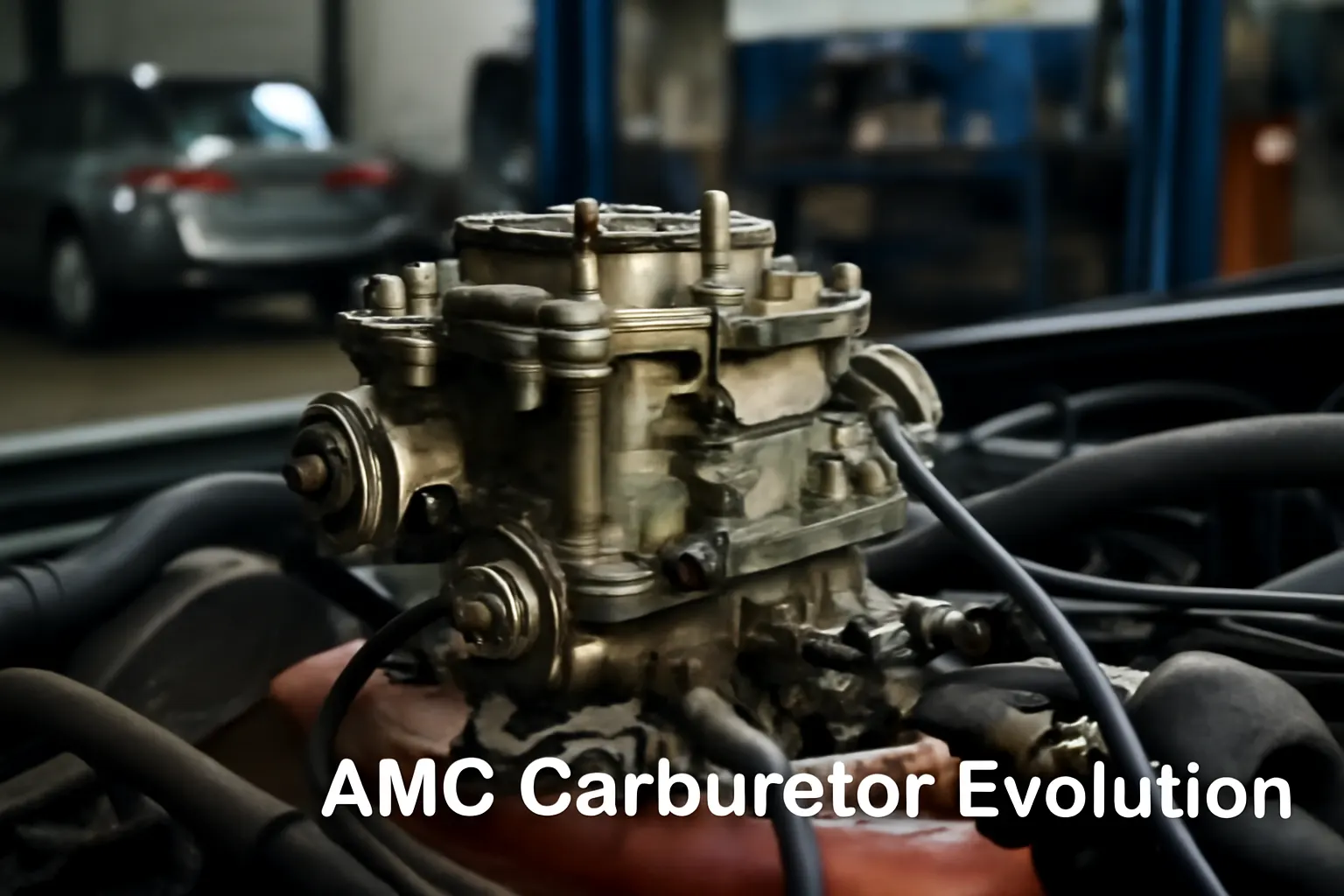
Amc Carburetor Evolution
The evolution of AMC carburetors tells a story of technical ingenuity, regulatory adaptation, and the relentless pursuit of performance and reliability. Whether you're restoring a classic AMC or troubleshooting a stubborn idle, understanding how carburetor designs changed over the decades is essential for correct fitment, authentic restoration, and optimal engine performance. This guide unpacks the journey of AMC carburetor engineering, highlighting pivotal design shifts, their impact on tuning and reliability, and what restorers and enthusiasts must know to keep these classic systems running at their best.
If you're seeking specific replacement, fitment, or diagnostic guidance, the AMC Carburetor Replacement, Fitment, and Diagnostic Guide is your definitive starting point. In this article, we dive deeper into the evolutionary path of AMC carburetors—helping you anticipate hidden pitfalls and select the right components for your project.
AMC Carburetor Evolution: The Immediate Answer
AMC carburetors underwent several major engineering changes from the early 1950s through the 1980s, transitioning from simple single-barrel designs to more sophisticated two- and four-barrel units with advanced emissions and fuel-saving features. Each generation brought new challenges and opportunities for tuning, reliability, and restoration authenticity. If you are working on an AMC vehicle, matching the carburetor to your engine’s era is critical for proper fitment, performance, and period-correct restoration.
Key design shifts include:
- 1950s–1960s: Simple single-barrel carburetors focused on reliability and basic fuel delivery.
- 1970s: Introduction of two-barrel and four-barrel designs to improve power and efficiency, along with emissions control features.
- Late 1970s–1980s: Addition of feedback systems, lean burn technology, and integrated emissions controls to meet evolving federal standards.
Understanding these changes helps you avoid common pitfalls—such as mismatched linkages, incorrect fuel metering, or improper choke operation—when sourcing or tuning AMC carburetors.
The Hidden Problem: Carburetor Evolution and Modern Restoration Challenges
Many AMC enthusiasts encounter unexpected issues when restoring or upgrading carburetors. The hidden problem lies in the subtle engineering differences between carburetor generations and models. These differences affect not only bolt patterns and throttle linkages but also fuel metering, vacuum porting, and compatibility with emissions equipment.
Common pitfalls include:
- Incorrect carburetor selection: Installing a later-model carburetor on an earlier AMC engine (or vice versa) can result in poor drivability, misfires, or failed emissions tests.
- Restoration authenticity: Using the wrong-era carburetor can compromise the vehicle’s originality and value.
- Tuning complications: Later carburetors often require specific tools and knowledge for adjustment, especially those with feedback or electronic controls.
To avoid these problems, it’s crucial to understand the technical evolution of AMC carburetors and the implications for your specific project.
Deeper Technical Explanation: Engineering Changes Across AMC Carburetor Generations
1. Early AMC Carburetors (1950s–Mid-1960s)
The earliest AMC vehicles—such as the Rambler American and Classic—used rugged single-barrel carburetors from suppliers like Carter and Holley. These carburetors featured:
- Simple manual or automatic chokes
- Limited vacuum porting
- Basic fuel metering with minimal adjustability
Tuning was straightforward, but these carburetors offered limited power and efficiency. Their design prioritized reliability and ease of maintenance.
2. The Rise of Two-Barrel and Four-Barrel Carburetors (Late 1960s–1970s)
As engine outputs increased and consumer demand for performance grew, AMC adopted two-barrel (2V) and four-barrel (4V) carburetors. Key innovations included:
- Progressive throttle operation: Allowed for better fuel economy at low speeds and increased power at higher throttle openings.
- Enhanced metering circuits: Improved fuel atomization and distribution.
- Choke improvements: Introduction of hot air and divorced choke designs.
These carburetors required more precise tuning but offered significant gains in drivability and performance.
3. Emissions Era: Feedback and Lean Burn Carburetors (Late 1970s–1980s)
Federal emissions standards in the mid-1970s forced AMC to adopt carburetors with integrated emissions controls. Features included:
Advertisement
- Electronic feedback systems: Used oxygen sensors and electronic control units to adjust air-fuel mixtures dynamically.
- Vacuum and thermal controls: Managed EGR, canister purge, and other emissions-related functions.
- Lean burn technology: Optimized combustion for lower emissions and improved fuel economy.
These systems introduced complexity and required specialized diagnostic procedures and tools. Sourcing correct replacement parts became more challenging as component variation increased.
Design Changes and Their Impact on Tuning and Reliability
Tuning Implications
Each design generation brought new tuning considerations:
- Early carburetors: Simple idle and mixture screws, easy to adjust with basic tools.
- Two-/four-barrel carburetors: Required balancing of primary and secondary circuits, careful float level adjustment, and synchronization for dual setups.
- Emissions-era carburetors: Needed precise adjustment of feedback systems, vacuum lines, and choke mechanisms. Some adjustments could only be made with specialized AMC or aftermarket tools.
Reliability Evolution
- Early carburetors: Sturdy but prone to wear in throttle shafts and gaskets over decades.
- Later carburetors: More complex, with additional failure points—such as solenoids, sensors, and vacuum diaphragms.
- Emissions systems: Vulnerable to vacuum leaks, sensor failure, and electronic control issues.
Restoration Authenticity: Why Matching Carburetor Eras Matters
For collectors and restoration enthusiasts, using a carburetor from the correct era is essential for authenticity and value. AMC stamped carburetor identification numbers and date codes on most units, allowing restorers to match the carburetor to the vehicle’s build date and engine option.
Restoration checklist:
- Identify the correct carburetor model and number for your AMC’s year, engine, and trim.
- Inspect for original tags or stampings on the carburetor body.
- Cross-reference with AMC factory service manuals and parts catalogs.
- Source correct linkage, choke, and vacuum fittings for the era.
Using a mismatched carburetor can not only affect performance but also diminish the vehicle’s historical accuracy and market value.
Diagnostic Considerations: Spotting Era-Specific Carburetor Issues
AMC carburetors from different eras exhibit distinct failure modes. Accurate diagnosis depends on recognizing these evolutionary traits.
Early Carburetors
- Common symptoms: Hard starting, rough idle, fuel leaks.
- Typical causes: Worn throttle shafts, dried-out gaskets, clogged jets.
Two-Barrel/Four-Barrel Carburetors
- Common symptoms: Hesitation on acceleration, flat spots, poor secondary engagement.
- Typical causes: Sticking secondary linkages, misadjusted floats, deteriorated accelerator pumps.
Emissions-Era Carburetors
- Common symptoms: Surging, stalling, failed emissions tests, check engine light (on feedback models).
- Typical causes: Faulty feedback solenoids, oxygen sensor issues, vacuum leaks, ECM faults.
Diagnostic checklist:
- Verify carburetor model and era.
- Check for vacuum leaks with a smoke tester or carburetor spray.
- Inspect feedback and emission control circuits for proper operation.
- Use a dwell meter or scan tool (where applicable) for electronic feedback systems.
Sourcing and Fitment: Choosing the Right AMC Carburetor
Selecting the correct carburetor for your AMC requires careful cross-referencing and inspection. AMC used multiple suppliers (Carter, Holley, Motorcraft) and often made running changes within a model year.
Fitment Considerations
- Baseplate bolt pattern: Ensure compatibility with your intake manifold.
- Throttle linkage: Match linkage style (manual, automatic, kickdown) to your vehicle.
- Choke type: Choose the correct choke (manual, hot air, electric, divorced) for your application.
- Vacuum porting: Verify proper vacuum source locations for distributor advance, PCV, and emissions controls.
Sourcing Tips
- Use AMC factory parts catalogs and service manuals for correct part numbers.
- Inspect used carburetors for correct stampings and tags.
- When buying rebuilt or aftermarket units, confirm that all linkages and fittings match your vehicle’s original setup.
For more detail on fitment, see our Amc Carburetor Fitment guide.
Installation and Adjustment: Best Practices for Different AMC Carburetor Generations
Each generation of AMC carburetor requires a slightly different installation and adjustment approach.
Early Carburetors
- Install with new base gaskets to prevent vacuum leaks.
- Adjust idle speed and mixture with engine fully warmed up.
- Ensure choke operation is smooth and linkage moves freely.
Advertisement
Two-/Four-Barrel Carburetors
- Carefully synchronize primary and secondary throttle plates.
- Adjust float level per factory specifications for proper fuel delivery.
- Set choke and fast idle cams as described in the service manual.
Emissions-Era Carburetors
- Connect all vacuum lines exactly as diagrammed for your model year.
- Use a dwell meter or scan tool to set feedback system parameters (where applicable).
- Verify EGR, canister purge, and other emissions devices operate correctly.
For a detailed walkthrough, refer to our Amc Carburetor Installation guide.
Maintenance and Longevity: Keeping AMC Carburetors Performing
Routine maintenance is vital for keeping AMC carburetors running smoothly, especially as these components age.
Maintenance Checklist
- Inspect and replace gaskets and seals regularly.
- Clean jets and passages with carburetor cleaner or ultrasonic cleaning.
- Lubricate throttle shafts and linkage points.
- Replace worn accelerator pump diaphragms and choke pull-offs.
- Check for vacuum leaks at each service interval.
Tip: Ethanol-blended fuels can accelerate deterioration of vintage carburetor gaskets and rubber parts. Use ethanol-safe rebuild kits when servicing AMC carburetors.
Performance Upgrades and Modern Alternatives
While originality is a priority for many restorers, some AMC enthusiasts seek improved performance or reliability. Modern aftermarket carburetors can offer better fuel atomization, easier tuning, and improved cold-start behavior. However, switching to a non-original carburetor may require:
- Adapting throttle and kickdown linkages
- Modifying fuel lines or air cleaners
- Re-calibrating ignition timing and idle settings
Always retain original carburetor and hardware for future restoration, and document any changes for authenticity.
Emissions and Regulatory Considerations
Carburetor evolution at AMC was heavily influenced by emissions and safety regulations. The introduction of EGR, canister purge, and feedback systems was driven by federal mandates. When restoring or modifying AMC vehicles, be mindful of:
- Emissions equipment: Tampering with or removing emissions controls can affect legality and inspection status.
- Safety standards: Ensure all fuel and vacuum connections are secure and routed per factory specifications for safety and compliance.
For more on emissions, see our Amc Carburetor Emissions article.
Troubleshooting Common Pitfalls in AMC Carburetor Restoration
Even experienced enthusiasts can encounter hurdles when working with AMC carburetors. Common pitfalls include:
- Mixing parts from different eras: Not all Carter, Holley, or Motorcraft components are interchangeable.
- Overlooking vacuum routing: Incorrect vacuum connections can cause drivability issues or emissions failures.
- Improper jetting or metering rod selection: Using the wrong jets or rods can lead to lean/rich conditions, engine damage, or poor performance.
Troubleshooting checklist:
- Double-check carburetor identification numbers and year.
- Use correct AMC service literature for vacuum and linkage diagrams.
- Test engine operation after each adjustment—do not change multiple variables at once.
AMC Carburetor Evolution in the Context of Modern Standards
AMC’s carburetor evolution reflects broader automotive engineering trends—balancing fuel efficiency, emissions, and performance. As outlined by the United States Department of Energy, improvements in fuel delivery systems were critical for meeting federal fuel economy and emissions targets in the 1970s and 1980s.
Current SAE standards emphasize precision, reliability, and safety in fuel system design (see SAE Standards). AMC’s adoption of feedback carburetors and emissions controls was an early step in this direction, laying the groundwork for today’s electronic fuel injection systems.
AutoPartEx: Your Partner in AMC Carburetor Restoration and Performance
At AutoPartEx, we specialize in providing accurate, era-correct AMC carburetor components, fitment data, and technical support. Our extensive catalog, expert guides, and verified sourcing help you avoid common pitfalls and achieve both authenticity and performance in your AMC restoration.
Whether you’re seeking diagnostic help, installation tips, or hard-to-find carburetor parts, AutoPartEx is your trusted resource. Explore our AMC Carburetor Replacement, Fitment, and Diagnostic Guide for comprehensive support on your next project.
Conclusion: Mastering AMC Carburetor Evolution for Restoration Success
Understanding the evolution of AMC carburetors is more than a matter of historical interest—it’s the key to successful restoration, tuning, and long-term reliability. By matching carburetor design to your AMC’s era, following best practices for installation and maintenance, and leveraging expert resources, you can ensure your classic AMC delivers authentic performance and value for years to come.
References
Advertisement