
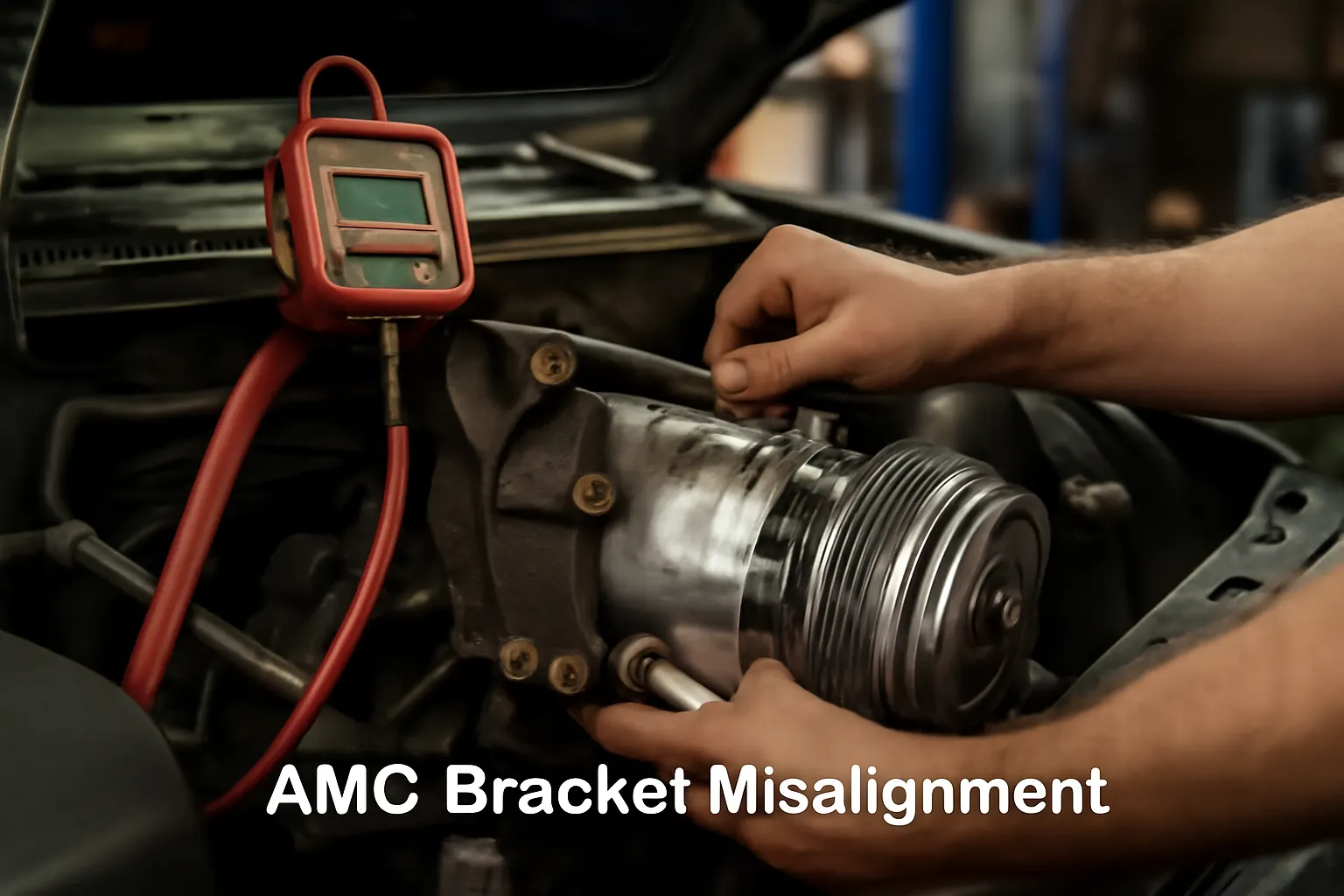
Amc Bracket Misalignment Ac Issues
Misaligned AC compressor brackets in AMC vehicles are a hidden culprit behind frequent compressor failures, premature belt wear, and costly air conditioning repairs. Addressing bracket alignment early can save AMC owners significant time, money, and frustration by preventing downstream AC system damage. In this detailed guide, we’ll break down how bracket misalignment impacts AMC AC systems, provide step-by-step diagnostic and preventive measures, and explain how to ensure OEM-fitment for long-term reliability.
For a comprehensive overview of AMC AC compressor bracket types, fitment, and installation, see AMC AC Compressor Brackets: OEM Fitment, Replacement, and Installation Insights.
Immediate Answer: Why Bracket Misalignment Causes AC Issues in AMC Models
Bracket misalignment is a leading root cause of AC compressor failure and related air conditioning problems in AMC vehicles. When the AC compressor bracket is not properly aligned, the compressor pulley and drive belt do not run true, generating excessive side loads on the bearings and seals. This misalignment can quickly escalate to:
- Loud squealing or chirping drive belts
- Premature belt and pulley wear
- Compressor clutch failure
- Catastrophic compressor damage
- Reduced cooling performance and eventual system shutdown
If you notice unusual noises from the AC belt area, visible belt fraying, or uneven compressor pulley rotation, immediate bracket alignment inspection is essential. Ignoring these signs increases the risk of expensive compressor replacement and may compromise overall vehicle safety and reliability.
The Hidden Problem: Misalignment Often Overlooked in AMC AC Diagnostics
Many AMC owners and even experienced technicians focus on the compressor or belt itself when AC issues arise. However, bracket misalignment is frequently the underlying cause, especially in classic and high-mileage AMC models where:
- Brackets have been replaced with non-OEM parts or makeshift solutions
- Mounting hardware has loosened or corroded over time
- Engine swaps or accessory upgrades have disturbed original bracket geometry
Because bracket misalignment can be subtle—sometimes only a few millimeters—it is often missed during routine inspections. This oversight leads to repeated compressor or belt failures, masking the real problem and compounding repair costs.
Technical Deep Dive: How Bracket Alignment Affects AC Compressor Performance
Understanding the AMC AC Compressor Mounting System
AMC vehicles, particularly those produced from the 1960s through the 1980s, use a combination of stamped steel and cast aluminum brackets to mount the AC compressor to the engine block. These brackets are designed to:
- Maintain precise parallelism and perpendicularity between the compressor pulley and the crankshaft pulley
- Absorb engine vibration while preventing lateral movement
- Distribute belt tension evenly across the compressor and accessory drive system
Effects of Misalignment
Even minor deviations in bracket position can have dramatic effects:
- Axial Misalignment: The compressor pulley is not in the same plane as the crank or idler pulley, causing the belt to ride up or down the pulley face.
- Angular Misalignment: The compressor is tilted relative to the belt path, increasing side loading on the bearing and clutch.
- Bracket Flex or Fatigue: Worn or inferior brackets can flex under tension, leading to dynamic misalignment during engine operation.
According to the National Highway Traffic Safety Administration (NHTSA), improper installation or use of non-standard parts can compromise the safety and reliability of vehicle equipment, including AC systems [Vehicle Safety and Equipment].
Common AMC Models Affected by Bracket Misalignment
Bracket misalignment is a potential concern in nearly all AMC models equipped with factory or aftermarket AC, including:
- AMC Javelin (1968–1974)
- AMC Gremlin (1970–1978)
- AMC Hornet (1970–1977)
- AMC Matador (1971–1978)
- AMC Eagle (1980–1988)
- Jeep CJ and Wagoneer models with AMC engines
Classic models are especially vulnerable due to bracket corrosion, previous repairs with non-OEM hardware, and age-related fatigue. When restoring or maintaining these vehicles, always inspect bracket fitment and mounting surfaces before installing a new compressor.
Recognizing the Symptoms: Signs of Bracket Misalignment
Early detection of bracket misalignment can prevent major AC failures. Look for these warning signs during routine maintenance or after any AC repair:
- Persistent Belt Squeal or Chirp: Especially on startup or during AC engagement.
- Visible Belt Fraying or Glazing: The belt edge appears shiny, uneven, or is wearing faster on one side.
- Compressor Clutch Engagement Noise: Clicking, grinding, or inconsistent clutch operation.
- Compressor Pulley Wobble: The pulley appears to move laterally or vibrate at idle.
- Premature Compressor Bearing Failure: Noted by a growling or whining sound from the compressor.
- Recurrent Belt Slippage or Throwing: The belt jumps off the pulley or requires frequent re-tensioning.
If any of these symptoms are present, a thorough bracket and alignment inspection should be performed before replacing belts or compressors.
Diagnostic Checklist: How to Check AMC AC Compressor Bracket Alignment
Use this step-by-step checklist to identify bracket misalignment in your AMC’s AC system:
1. Visual Inspection:
- Inspect the bracket for cracks, bends, or signs of previous welding.
- Confirm that all mounting bolts are present and properly torqued.
- Look for non-OEM spacers, washers, or shims.
2. Pulley Alignment Check:
- Use a straightedge or laser alignment tool across the compressor, crankshaft, and idler pulleys.
- All pulley faces should be in the same plane with no offset greater than 1mm.
3. Belt Tracking:
- With the engine off, rotate the compressor pulley by hand and observe belt tracking.
- The belt should ride evenly within the pulley grooves without lateral movement.
4. Compressor Movement:
- With the belt tensioned, gently pry the compressor to check for bracket flex or movement.
- Any movement indicates bracket fatigue or improper mounting.
5. Fastener and Spacer Verification:
- Cross-reference bracket hardware with AMC factory diagrams or Identify Amc Ac Bracket Oem.
- Replace missing or incorrect bolts, spacers, and bushings with OEM-spec parts.
The Cost of Ignoring Bracket Misalignment: Real-World Consequences
Neglecting bracket alignment issues in AMC vehicles leads to a cascade of problems:
- Compressor Failure: Misalignment accelerates bearing and seal wear, often destroying the compressor within months.
- Belt and Pulley Damage: Repeated belt failures can damage pulleys, tensioners, and even the crankshaft snout.
- System Contamination: Failed compressors can shed metal debris, contaminating the entire AC system and requiring full system flushing and component replacement.
- Increased Repair Costs: What starts as a simple alignment issue can escalate to a multi-thousand-dollar AC system overhaul.
- Reduced Fuel Efficiency: A misaligned accessory drive increases parasitic drag, reducing overall engine efficiency [Fuel Efficiency].
Routine inspection and correction of bracket alignment protect your investment and maintain AMC’s reputation for robust, reliable AC performance.
Preventive Measures: Ensuring Proper AMC AC Bracket Alignment
Proactive steps can dramatically reduce the risk of bracket-related AC failures. Follow these best practices:
Use OEM or High-Quality Aftermarket Brackets
- Avoid generic or “universal fit” brackets; they rarely match AMC’s precise mounting geometry.
- When sourcing replacements, consult AMC AC Compressor Brackets: OEM Fitment, Replacement, and Installation Insights for part number cross-references and fitment notes.
Replace Worn or Corroded Hardware
- Always use new, grade-appropriate fasteners and spacers during bracket installation.
- Replace any hardware showing signs of rust, stretch, or thread damage.
Install Brackets According to Factory Specifications
- Torque all mounting bolts to AMC factory specs, using thread locker where specified.
- Ensure all mounting surfaces are clean, flat, and free of old gasket material or debris.
Verify Alignment Before Final Assembly
- Use alignment tools (straightedge, laser) to check pulley and bracket alignment before installing the drive belt.
- Adjust or shim brackets as needed to achieve perfect alignment.
Installation Tips: How to Achieve Perfect Bracket Alignment
When installing or replacing an AMC AC compressor bracket, follow these technical tips for best results:
- Dry-Fit All Components: Before tightening bolts, loosely assemble the bracket, compressor, and all spacers/fasteners.
- Hand-Tighten and Align: Bring all bolts to hand-tight, then align the pulleys using a straightedge across all accessory pulleys.
- Torque in Sequence: Gradually torque bolts in a crisscross pattern to ensure even bracket seating.
- Check for Binding or Flex: After torquing, rotate the compressor pulley by hand to confirm smooth, resistance-free movement.
- Final Belt Tension and Alignment: Install the drive belt, set proper tension, and start the engine. Observe belt tracking for several minutes.
For a detailed replacement walkthrough, reference Amc Ac Compressor Bracket Replacement.
Sourcing the Right AMC Bracket: OEM vs Aftermarket
Selecting the correct bracket is critical to long-term AC system health. Consider these factors:
- OEM Brackets: Offer guaranteed fitment, correct geometry, and material strength. Often available through AMC specialty suppliers or salvage yards.
- Aftermarket Brackets: Quality varies. Choose reputable brands that match OEM specifications and avoid “one-size-fits-all” kits.
- 3D-Printed or Custom Brackets: Only use if designed from OEM patterns and tested for strength and alignment.
Always verify part numbers and fitment using factory diagrams or trusted guides like Identify Amc Ac Bracket Oem.
Long-Term Maintenance: Keeping Your AMC AC System Reliable
Proper bracket alignment is not a “set-and-forget” task. Incorporate these steps into your AMC’s regular maintenance routine:
- Inspect Bracket and Hardware Annually: Check for signs of fatigue, corrosion, or loosening.
- Monitor Belt Condition: Replace belts at the first sign of uneven wear or noise.
- Check Pulley Alignment During Each AC Service: Use alignment tools whenever servicing the compressor, belt, or bracket.
- Retorque Mounting Bolts: Especially after major engine work or accessory replacement.
Document all bracket and AC repairs in your vehicle’s maintenance log for future reference.
When to Seek Professional Help: Recognizing Alignment Challenges
While many AMC enthusiasts are comfortable performing basic bracket inspections, some alignment issues require professional intervention:
- Severely Damaged or Warped Brackets: May require precision machining or replacement.
- Custom Engine Swaps or Accessory Upgrades: Often need bracket fabrication and professional alignment.
- Persistent AC Failures Despite New Components: Indicates underlying alignment or mounting surface issues.
A qualified automotive technician with experience in classic AMC systems can provide laser alignment, bracket shimming, and system diagnostics that go beyond basic DIY methods.
AutoPartEx Advantage: Your Partner in AMC AC Reliability
At AutoPartEx, we understand the unique challenges AMC owners face in maintaining vintage air conditioning systems. Our technical guides, fitment resources, and curated OEM/quality aftermarket bracket selections ensure you get the right part the first time. Whether you’re restoring a classic Javelin or maintaining your daily-driver Eagle, we help you prevent bracket misalignment and keep your AC running strong.
Explore our full range of AMC AC compressor brackets, fitment diagrams, and installation resources at AMC AC Compressor Brackets: OEM Fitment, Replacement, and Installation Insights.
Key Takeaways: Preventing Costly AC Failures in AMC Models
- Bracket misalignment is a leading cause of AC compressor and belt failure in AMC vehicles.
- Early detection and correction save money, prevent breakdowns, and protect your classic AMC’s value.
- Always use OEM or high-quality brackets, verify alignment with proper tools, and follow AMC torque and installation specs.
- Regular maintenance and inspection are essential for long-term AC system reliability.
- Leverage expert resources like AutoPartEx for technical guidance and sourcing the correct parts.