
Advertisement
Restoring an AMC classic? You’re not alone in facing tough questions about fitment, authenticity, and sourcing hard-to-find AMC auto body parts. This in-depth blog draws from real-world restoration projects, providing actionable insights on navigating part scarcity, correcting prior repairs, and achieving authentic finishes—while leveraging modern materials and technology. If you’re looking for a comprehensive resource on AMC body components, start with our AMC Auto Body Parts – Fitment, Quality, and Sourcing Guide for foundational knowledge before diving into the hands-on experiences below.
Immediate Answer: How to Restore AMC Body Panels in Today’s Market
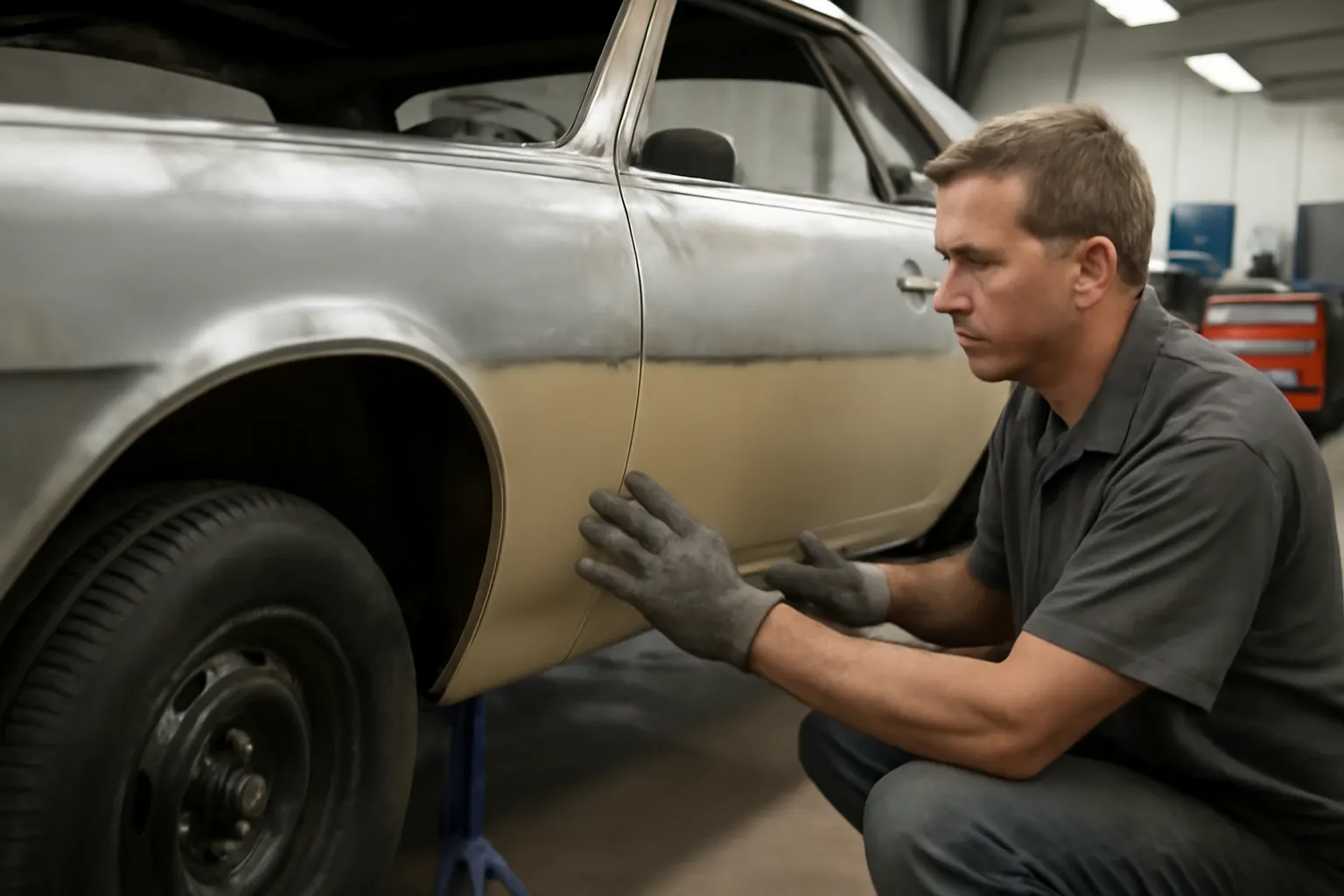
Restoring AMC body panels today means balancing authenticity, safety, and practicality. Original AMC sheet metal is increasingly rare, and many vehicles have suffered from poor prior repairs or subpar patchwork. The best approach combines careful sourcing—using reputable suppliers, interchange guides, and modern reproduction panels—with advanced materials and repair techniques. This ensures both the structural integrity and the period-correct look of your AMC, whether you’re working on a Javelin, AMX, Gremlin, or another classic.
Key steps:
- Source panels and trim from trusted vendors and salvage specialists.
- Verify fitment using interchange and fitment guides.
- Use modern materials and adhesives for stronger, lighter repairs.
- Correct old repairs with proper welding, panel alignment, and surface prep.
- Prioritize safety and structural soundness in every step.
The Hidden Problem: Scarcity, Mismatched Repairs, and Authenticity
While AMC’s legacy is strong among enthusiasts, the brand’s discontinuation and limited production volumes mean that original body parts are scarce. Many AMCs on the road today have already undergone one or more repairs—often with panels from other models, makeshift patching, or misaligned panels. This can create a hidden web of issues, including compromised crash safety, poor fitment, and a finish that doesn’t match the car’s original design.
Common Restoration Challenges
- Part Scarcity: Original AMC panels are rarely available as new-old-stock (NOS); most are used, repaired, or reproduction.
- Prior Repairs: Previous owners may have used non-OEM panels, excessive filler, or incorrect welding techniques.
- Material Differences: Modern reproduction panels may use different steel alloys or coatings.
- Fitment Issues: Even genuine AMC panels might require adjustment due to manufacturing tolerances, aging, or previous accident damage.
Expanding the Problem: Structural, Safety, and Value Implications
These issues go deeper than surface-level aesthetics. Poor-quality repairs or mismatched panels can compromise the structural integrity of your AMC. According to the National Highway Traffic Safety Administration (NHTSA), correct installation and quality of replacement parts are crucial for occupant protection in a crash NHTSA Equipment. Additionally, incorrect materials or techniques can lead to premature rust, paint mismatch, and reduced resale value.
Structural and Safety Risks
- Weakened Crumple Zones: Incorrectly repaired panels may not absorb impact as designed.
- Misaligned Substructures: Poor fitment can affect door operation, window sealing, and chassis alignment.
- Paint and Corrosion Issues: Non-matching materials or improper surface prep can accelerate rust and paint failure.
- Documentation Gaps: Unrecorded repairs or non-standard materials may cause issues during appraisal or resale.
Solution Path: Best Practices for AMC Body Restoration
Successfully restoring an AMC body involves a multi-step process that addresses sourcing, fitment, repair, and finishing. Below, we break down each stage with practical advice and technical guidance.
1. Sourcing AMC Body Parts
- Salvage Yards and Specialist Vendors: Start with AMC-focused salvage yards, online forums, and specialist parts vendors. Reputable suppliers often provide detailed fitment data and photos.
- Interchange Guides: Use resources like the Amc Body Parts Interchange Guide to identify compatible panels across models and years.
- Reproduction Panels: When originals are unavailable, high-quality reproductions can be a practical alternative. Check for material specs and fitment guarantees.
- NOS and Used Panels: Inspect for rust, previous repairs, and authenticity markings. Be wary of panels with excessive filler or non-factory welds.
Advertisement
2. Diagnosing Prior Repairs
Before installation, thoroughly inspect your AMC for signs of prior bodywork:
-
Panel Seams: Look for uneven seams, non-factory welds, or excessive seam sealer.
-
Filler Depth: Use a paint depth gauge or magnet to detect heavy body filler.
-
Rust Repairs: Check for patch panels, especially behind wheel arches, rocker panels, and lower fenders.
-
Paint Mismatch: Subtle differences in color or gloss may indicate panel replacement.
3. Fitment and Alignment
Even with the correct part, fitment is rarely “bolt-on” in classic AMC restoration:
-
Test-Fit Panels: Align and clamp panels before final welding or fastening. Check door gaps, hood and trunk alignment, and body contour.
-
Adjust as Needed: Use shims, gentle bending, or trimming to achieve factory-like fitment. Reference the Amc Body Panel Fitment Guide for model-specific tips.
-
Fasteners and Hardware: Use OEM-style clips, bolts, and fasteners whenever possible to maintain authenticity and secure fit.
Using Modern Materials for Authentic Results
Advances in automotive materials and adhesives have transformed restoration possibilities. While AMC originally used mild steel and basic sealants, today’s restorers benefit from high-strength adhesives, corrosion-resistant coatings, and lightweight alloys.
Benefits of Modern Materials
- Improved Strength: Structural adhesives can outperform traditional spot welds in certain applications Materials Technologies.
- Corrosion Resistance: Epoxy primers and zinc-rich coatings protect against rust far better than vintage paints.
- Weight Reduction: Select reproduction panels use lighter, stronger steel alloys, improving fuel efficiency and handling.
- Seamless Finishes: High-build primers and advanced fillers allow for smoother, more durable finishes.
Authenticity Considerations
- Match Visible Surfaces: While hidden panels can benefit from modern materials, visible surfaces should match factory appearance and texture.
- Document Upgrades: Keep records of any non-original materials or techniques for future owners or appraisers.
Correcting Prior Repairs: A Step-by-Step Checklist
Many AMC restorations begin with undoing decades-old repairs. Use this checklist to systematically address previous work:
AMC Body Panel Correction Checklist
- Identify Previous Repairs:
- Inspect for non-factory welds, excessive filler, and mismatched paint.
- Use borescope or magnet to check for hidden patches.
- Assess Structural Integrity:
- Check for rust, cracks, or compromised substructure.
- Inspect door, hood, and trunk alignment.
- Remove Damaged or Improper Panels:
- Drill out spot welds or carefully cut away patches.
- Preserve original mounting points when possible.
- Prepare Surfaces:
- Strip to bare metal; treat with rust converter if needed.
- Apply weld-through primer at joints.
- Install New or Correct Panels:
- Test-fit and adjust for alignment.
- Weld, bond, or bolt panels per AMC standards and SAE guidelines SAE Standards.
- Finish and Protect:
- Apply seam sealer, epoxy primer, and topcoat.
- Undercoat wheel wells and hidden areas for extra protection.
Achieving Authentic Finishes with Modern Techniques
Original AMC finishes varied by model and year, but most used single-stage enamel or lacquer. Today, two-stage urethane systems offer greater durability and UV resistance, but matching the factory appearance takes skill.
Tips for Authentic Finishes
- Color Matching: Use factory codes, but verify with paint chips—aging and sun exposure can shift original hues.
- Texture and Sheen: Replicate factory orange peel or gloss with proper spray technique and final polishing.
- Trim and Badging: Restore or source correct emblems, moldings, and decals. Modern reproductions may differ in font or finish.
- Modern Clearcoats: Consider using a matte or semi-gloss clear to mimic original finishes while gaining modern protection.
Safety and Compliance: What You Need to Know
Restoration isn’t just about looks. The NHTSA emphasizes the importance of using quality replacement parts and proper installation to maintain crashworthiness and safety NHTSA Equipment.
Key Safety Considerations
- Structural Panels: Always use high-quality steel or approved reproduction panels for structural repairs—avoid fiberglass or plastic for load-bearing areas.
- Crashworthiness: Ensure all repairs preserve original crumple zones and energy-absorbing structures.
- Equipment Standards: Use DOT-approved lighting, mirrors, and safety equipment. Check for recalls on replacement parts NHTSA Recalls.
- Documentation: Keep detailed records of repairs and parts used for insurance and resale purposes.
Advertisement
Diagnosing Fitment and Alignment Issues
Fitment problems are common in AMC restorations, especially when dealing with used or reproduction panels. Diagnosing these issues early prevents headaches during final assembly.
Common Fitment Issues and Solutions
- Panel Gaps: Uneven gaps can indicate misaligned substructure or warped panels. Adjust hinges, shims, or mounting points as needed.
- Door/Window Operation: Difficulty opening or closing doors may signal improper panel alignment or twisted frames.
- Body Contour: Mismatched contours between panels can be corrected with gentle reshaping or, in severe cases, panel replacement.
- Fastener Holes: If holes don’t line up, avoid enlarging them excessively; instead, realign the panel or use correct mounting hardware.
Sourcing: Navigating the AMC Parts Marketplace
Finding AMC body parts requires persistence and a discerning eye. Here’s how to navigate the modern marketplace:
Where to Look
- AMC-Specific Vendors: Specialist suppliers often have the best selection and can advise on fitment.
- Online Marketplaces: eBay, forums, and enthusiast groups can yield rare finds, but require careful vetting.
- Swap Meets and Shows: Great for networking and inspecting parts in person.
- Reproduction Manufacturers: Research the reputation and material quality of each manufacturer before purchasing.
What to Watch For
- Authenticity: Look for original stamping, part numbers, and AMC logos.
- Condition: Avoid panels with severe rust, thin metal, or excessive previous repairs.
- Return Policies: Favor vendors that offer returns or fitment guarantees.
Maintenance Tips for Restored AMC Body Panels
Once your AMC’s bodywork is restored, ongoing maintenance is key to preserving your investment.
Maintenance Checklist
- Wash Regularly: Remove road salts, dirt, and debris to prevent corrosion.
- Inspect for Chips and Scratches: Touch up promptly to avoid rust.
- Wax and Seal: Use high-quality wax or ceramic coatings for added protection.
- Check Seams and Drain Holes: Keep these areas clear to prevent moisture buildup.
- Store Properly: Whenever possible, keep your AMC in a dry, covered space.
Leveraging Interchangeability: Maximizing Fitment Options
AMC’s use of shared platforms and components means many body parts interchange across models and years—a major advantage for restorers.
Interchange Strategies
- Consult Guides: Use the Amc Body Parts Interchange Guide to identify compatible parts.
- Verify Before Purchase: Even when parts are listed as “interchangeable,” minor differences may require adjustment.
- Mix and Match: Some panels (like doors or hoods) may fit multiple models with minor modifications.
Fuel Efficiency and Modern Materials: The Surprising Connection
While body restoration is often about looks and structure, material choices can impact your AMC’s weight and, by extension, fuel efficiency. Modern steel alloys and lighter panels can subtly improve performance and economy Fuel Efficiency.
Practical Benefits
- Reduced Weight: Lighter panels can improve acceleration, braking, and handling.
- Corrosion Resistance: Modern coatings extend the lifespan of your restoration.
- Long-Term Value: Improved efficiency and durability can make your AMC more enjoyable to drive and own.
AutoPartEx: Your Partner in AMC Body Restoration
At AutoPartEx, we understand the unique challenges of AMC body restoration. Our technical guides, fitment resources, and curated parts network help you find the right panels, diagnose issues, and restore your AMC to its original glory—or better. From AMC Auto Body Parts – Fitment, Quality, and Sourcing Guide to detailed technical articles like the Amc Body Panel Materials Article, we’re committed to supporting your project at every stage. Whether you’re sourcing a rare quarter panel or seeking advice on modern adhesives, our expertise and community resources are at your service.
Next Steps: Take Action on Your AMC Project
- Inspect your AMC: Document prior repairs and plan your restoration approach.
- Research parts: Use interchange and fitment guides to expand your sourcing options.
- Invest in quality materials: Don’t cut corners on structural panels or adhesives.
- Connect with the community: Join AMC enthusiast groups and forums for advice and networking.
- Leverage AutoPartEx: Explore our guides and resources for technical support and sourcing solutions.
References
Advertisement