
Advertisement
AMC four-wheel drive (4WD) systems are revered for their rugged simplicity, but even the toughest drivetrains rely on one crucial component: the axle actuator. When this part fails, 4WD engagement becomes unreliable, leaving owners stranded or stuck in 2WD at the worst possible moment. This blog dives into real-world AMC axle actuator failure case studies, providing practical diagnostic and restoration advice. Whether you’re troubleshooting your own AMC or restoring a classic, these stories and technical insights will help you tackle even the rarest actuator problems with confidence.
For a complete overview of AMC actuator fitment, failure modes, and service procedures, see the AMC Axle Actuator (4WD) – Comprehensive Fitment, Failure, and Service Guide | AutoPartEx.
The Immediate Answer: What Happens When AMC Axle Actuators Fail?
The axle actuator in AMC 4WD vehicles is the linchpin that engages and disengages the front axle, enabling seamless transitions between two- and four-wheel drive. When it fails, the most common symptoms include:
- Inability to engage 4WD (stuck in 2WD)
- 4WD indicator light not activating
- Audible clicking or grinding from the axle area
- Intermittent 4WD operation, often temperature-dependent
These failures can strand vehicles off-road or compromise safety on slick pavement. Knowing the signs and acting quickly can prevent further drivetrain damage and restore full 4WD function.
Hidden Problem: Why AMC Axle Actuator Failures are Often Overlooked
While AMC 4WD systems are mechanically straightforward, the actuator itself can be a diagnostic blind spot. Many owners focus on transfer case or vacuum line issues, overlooking the actuator as a root cause. This leads to:
- Unnecessary replacement of transfer case components
- Repeat failures after “fixes” that don’t address the actuator
- Increased repair costs and downtime
Actuator issues are especially common in vehicles with original or poorly maintained parts. Environmental exposure, lack of lubrication, and material fatigue accelerate actuator wear, often without external warning signs.
Case Study 1: 1987 AMC Eagle – The “Intermittent 4WD” Mystery
Vehicle: 1987 AMC Eagle Wagon Owner: Steve M., Colorado Symptoms: 4WD would engage on cold mornings but fail after 30 minutes of driving.
Diagnostic Path
Steve initially suspected the transfer case, replacing fluid and inspecting linkages. When symptoms persisted, he checked the vacuum lines—common culprits in AMC systems—but found no leaks.
Technical Root Cause
Further inspection revealed the front axle actuator’s internal diaphragm had developed a pinhole. When cold, the diaphragm would hold vacuum long enough to engage 4WD. As the engine bay warmed, the rubber softened, and the leak worsened, causing 4WD disengagement.
Resolution
Steve sourced a new actuator, following guidelines from the Amc Axle Actuator Replacement guide. Post-installation, 4WD engagement was immediate and consistent, regardless of temperature.
Case Study 2: 1984 AMC Eagle SX/4 – The “No 4WD Light” Dilemma
Vehicle: 1984 AMC Eagle SX/4 Owner: Dana R., New Hampshire Symptoms: 4WD indicator light never illuminated, but the vehicle appeared to engage 4WD mechanically.
Diagnostic Path
Dana checked the dash bulb and wiring, finding no electrical faults. She then monitored the actuator’s movement during 4WD engagement and discovered only partial travel.
Technical Root Cause
Corrosion inside the actuator housing was impeding full plunger movement, preventing the internal switch from signaling the dash light. Mechanically, the actuator was barely moving enough to engage 4WD.
Advertisement
Resolution
After disassembling, cleaning, and lubricating the actuator with high-quality synthetic grease (per Materials Technologies recommendations for corrosion resistance), Dana restored full actuator travel and indicator function.
Case Study 3: 1986 AMC Eagle Limited – The “Stuck in 4WD” Scenario
Vehicle: 1986 AMC Eagle Limited Owner: Bill T., Oregon Symptoms: Vehicle would not disengage from 4WD, leading to binding on dry pavement.
Diagnostic Path
Bill suspected a stuck transfer case but found the shifter and linkage operating smoothly. He then checked the actuator and found it seized, refusing to retract when vacuum was released.
Technical Root Cause
Long-term exposure to road salt and moisture had caused internal rust, freezing the actuator plunger in the engaged position.
Resolution
Bill replaced the actuator and installed a protective boot to shield the new part from road debris. He also applied dielectric grease to all electrical and vacuum connections, as recommended by the National Highway Traffic Safety Administration for equipment reliability.
Understanding AMC Axle Actuator Construction and Failure Modes
AMC axle actuators typically use a vacuum-operated diaphragm or plunger mechanism housed in a steel or aluminum body. The actuator’s job is to physically move the front axle collar, locking or unlocking the axle shafts for 4WD/2WD selection.
Common Failure Points
- Diaphragm Puncture or Deterioration: Loss of vacuum, often temperature-dependent.
- Corrosion and Rust: Causes sticking or complete seizure of moving parts.
- Internal Switch Failure: Prevents dash light operation and can mask incomplete engagement.
- Vacuum Port Blockage: Dirt or debris prevents actuator response.
Contributing Factors
- Material fatigue: Older actuators may use rubber compounds that degrade over decades.
- Environmental exposure: Salt, water, and mud accelerate corrosion, especially in northern climates.
- Lack of maintenance: Failure to periodically inspect and lubricate the actuator speeds up wear.
Diagnosing AMC Axle Actuator Problems: A Step-by-Step Checklist
Use this checklist to systematically isolate actuator issues before replacing other expensive drivetrain components.
AMC Axle Actuator Diagnostic Checklist
-
Visual Inspection
- Check for physical damage or corrosion on actuator housing.
- Inspect vacuum lines for cracks, splits, or loose connections.
-
Vacuum Test
- Use a handheld vacuum pump to apply vacuum directly to the actuator port.
- Observe actuator movement; lack of movement indicates internal failure.
-
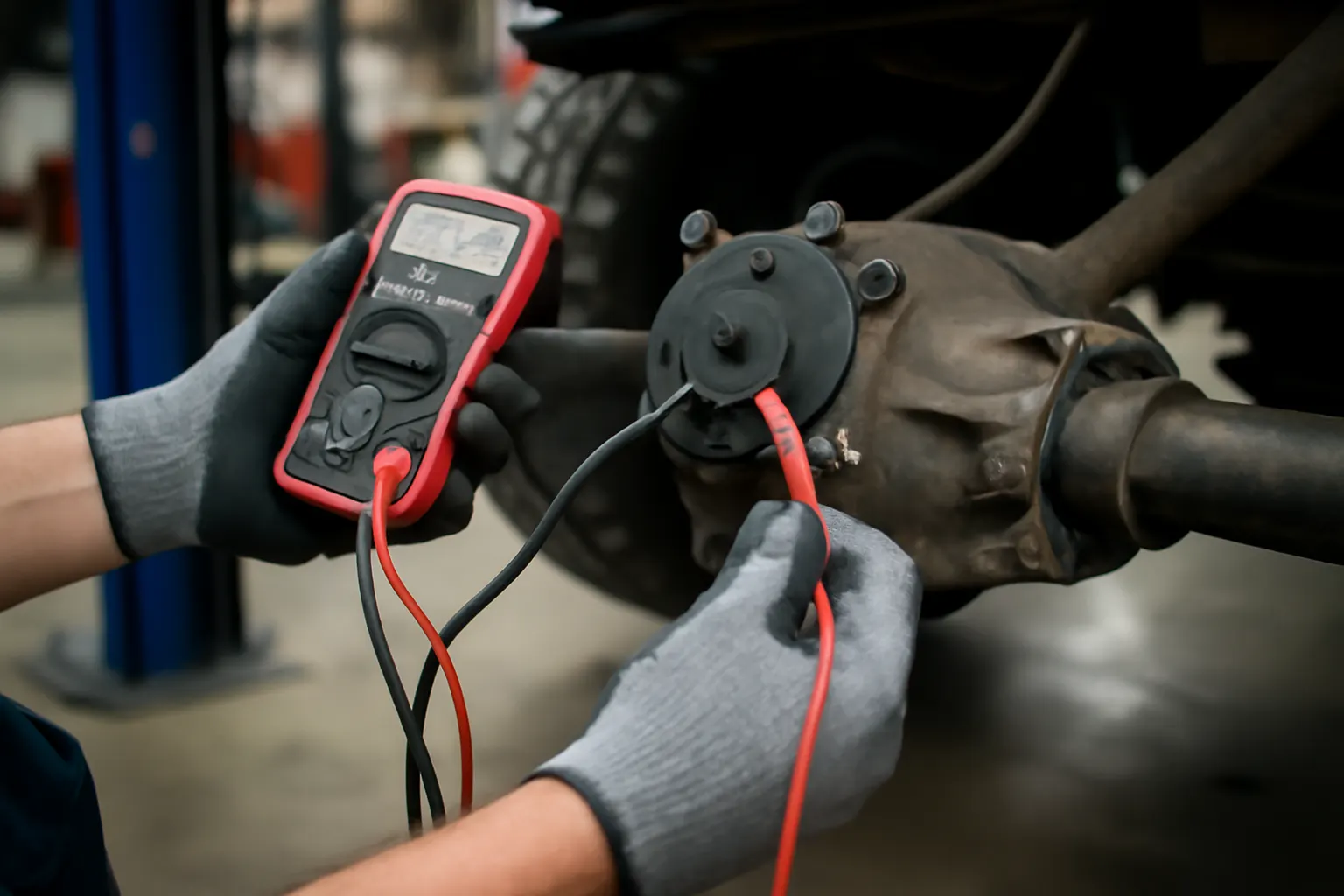
Electrical Check (if equipped with indicator switch)
- Test continuity across actuator switch terminals during engagement/disengagement.
-
Manual Engagement
- Attempt to move the actuator plunger by hand (with vehicle safely supported).
- Resistance or binding suggests internal rust or debris.
-
Dash Indicator Test
- Confirm dash light operation during actuator cycling.
- If light fails, trace wiring and test actuator switch.
-
Functional Road Test
- Engage 4WD and drive in a straight line on a low-traction surface.
- Listen for engagement noises and verify front wheel drive.
Sourcing and Selecting the Correct AMC Axle Actuator
Given the rarity of original AMC parts, sourcing a compatible actuator is a challenge. Here’s how to ensure proper fitment and performance:
Where to Source
- OEM/Salvage: Original AMC actuators can be found through specialty salvage yards and online forums.
- Aftermarket: Several manufacturers produce compatible actuators; cross-reference part numbers using the Amc Axle Actuator Fitment Guide.
- Rebuild Kits: Some suppliers offer seal and diaphragm kits for actuator refurbishment.
Fitment Considerations
- Model Year: AMC actuators changed mounting styles and vacuum port locations over the years.
- Front Axle Type: Confirm compatibility with Dana 30, 35, or AMC’s proprietary axles.
- Switches and Connectors: Ensure electrical connectors match your vehicle’s harness if dash indicator function is required.
Advertisement
Restoration Tips: Cleaning, Lubricating, and Protecting AMC Actuators
Restoring an original actuator is often possible if the housing is intact and the plunger moves freely. Follow these best practices:
- Disassembly: Carefully open the housing, noting orientation of internal parts.
- Cleaning: Use non-abrasive solvents to remove rust, old grease, and debris.
- Inspection: Replace any cracked diaphragms or worn seals.
- Lubrication: Apply synthetic, water-resistant grease to moving parts, as recommended in Materials Technologies.
- Reassembly: Ensure all gaskets are properly seated to prevent vacuum leaks.
- Protection: Install dust boots and use dielectric grease on electrical/vacuum connectors.
Preventing Future AMC Axle Actuator Failures
Proactive maintenance is key to long actuator life, especially for vehicles driven in harsh environments.
Maintenance Schedule
- Every 12 months or 12,000 miles:
- Inspect actuator and vacuum lines for leaks or corrosion.
- Test dash indicator operation.
- Lubricate external linkage points.
- After Off-Road Use:
- Rinse actuator area to remove mud and salt.
- Reinspect for signs of binding or restricted movement.
Storage Tips
- Store classic AMCs in dry, covered environments.
- Periodically cycle 4WD system to keep actuator seals supple.
Impact of Actuator Health on 4WD Performance, Safety, and Fuel Efficiency
A properly functioning actuator not only restores 4WD capability but also affects:
- Drivetrain Longevity: Prevents drivetrain wind-up and premature wear.
- Vehicle Safety: Ensures predictable handling on slippery or uneven surfaces (Vehicle Safety and Equipment).
- Fuel Efficiency: Eliminates unnecessary drag from unintended 4WD engagement, as outlined in Fuel Efficiency.
Neglecting actuator maintenance can lead to reduced fuel economy, increased tire wear, and higher risk of losing control in adverse conditions.
Expert Troubleshooting: When to Repair, Rebuild, or Replace
Knowing when to rebuild versus replace is critical for cost-effective AMC maintenance.
Repairable Actuators
- Minor corrosion or dirt
- Intact housing and plunger
- No major vacuum leaks
Candidates for Replacement
- Severely rusted or cracked housings
- Torn or missing diaphragms with no rebuild kits available
- Persistent vacuum leaks after cleaning
Professional Tips
- Always bench-test actuators before and after installation.
- Use new gaskets and O-rings for reassembly.
- Verify that actuator travel matches AMC factory specifications.
Frequently Overlooked Issues During AMC Axle Actuator Service
Even experienced technicians can miss subtle issues:
- Mismatched Vacuum Lines: Aftermarket actuators may have different port sizes or locations.
- Electrical Connector Corrosion: Dash light circuits are often exposed to moisture.
- Improper Lubricant Use: Petroleum-based greases can degrade rubber diaphragms.
Always consult the Amc 4wd System History and original service literature for model-specific quirks.
Real-World Owner Insights: Lessons from the Field
Owners who have tackled actuator failures agree on several key takeaways:
- Don’t Assume the Worst: Start diagnostics at the actuator, not the transfer case.
- Preserve What You Can: Original AMC actuators are increasingly rare—restore rather than replace if possible.
- Document Everything: Take photos and notes during disassembly for easier reinstallation.
- Network with Enthusiasts: Online forums and clubs are invaluable for sourcing rare parts and technical advice.
AutoPartEx: Your Partner for AMC 4WD Restoration
AutoPartEx specializes in rare and hard-to-find AMC drivetrain components, including axle actuators, rebuild kits, and vacuum system parts. Our technical resources, such as the Amc Axle Actuator Fitment Guide and Amc Axle Actuator Replacement guides, offer step-by-step instructions tailored to classic AMC vehicles.
For the most comprehensive fitment information and expert restoration support, visit the AMC Axle Actuator (4WD) – Comprehensive Fitment, Failure, and Service Guide | AutoPartEx.
References
Advertisement