
Advertisement
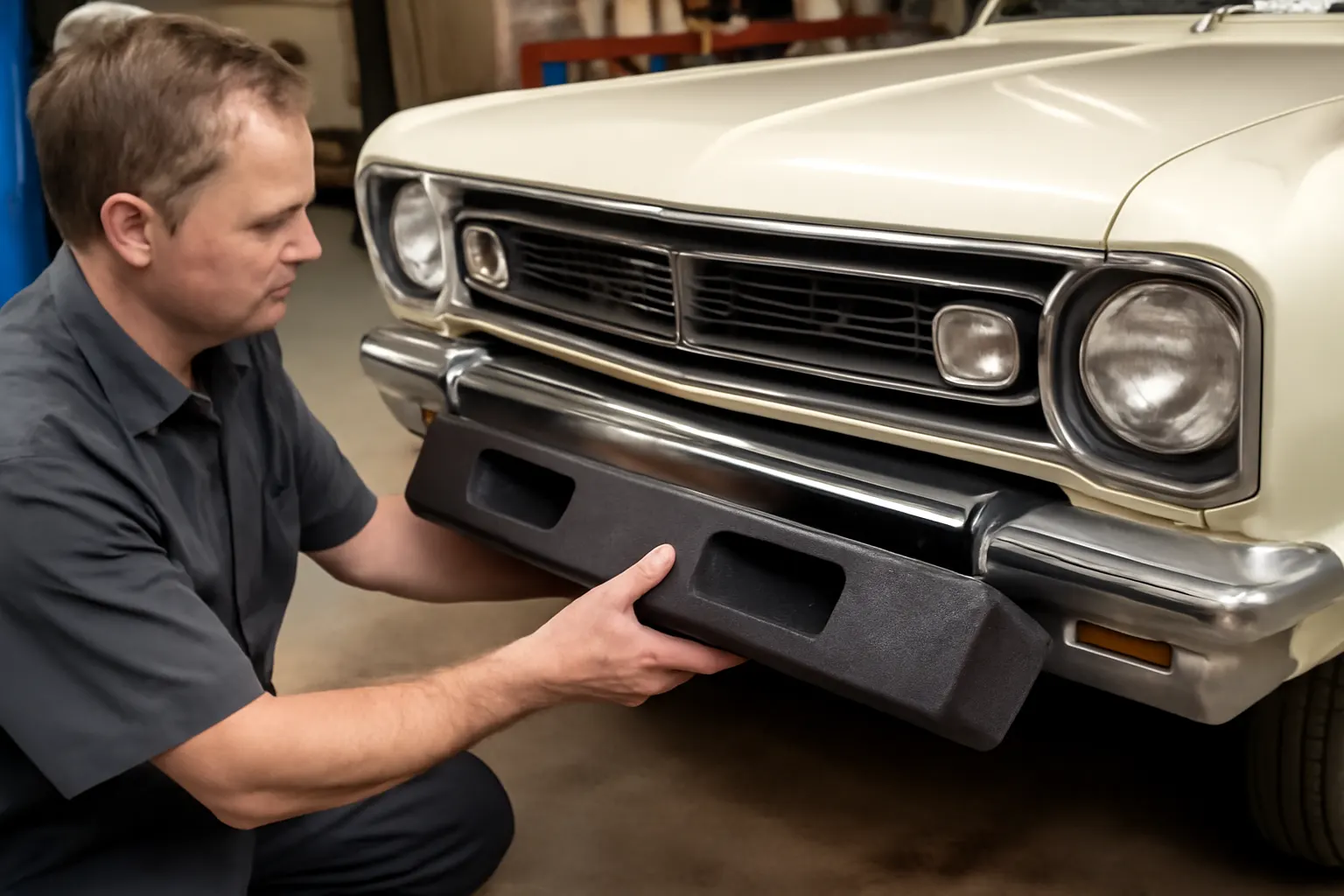
Sourcing a genuine front bumper energy absorber for an AMC Ambassador is one of the most critical—and challenging—steps in any authentic restoration. For collectors and restoration specialists, finding the correct absorber means not only ensuring period-correct appearance but also preserving the safety and structural integrity of this classic American sedan. This guide delivers immediate answers on where and how to find authentic AMC Ambassador bumper absorbers, exposes the hidden pitfalls of the parts market, explains the technical and safety implications, and provides a stepwise approach for successful sourcing and installation.
If you’re seeking comprehensive fitment, risk, and replacement insights, visit the AMC Ambassador Front Bumper Energy Absorber – Model-Specific Fitment, Risks & Replacement Insights page for foundational information before diving into advanced sourcing strategies.
The Immediate Answer: Where and How to Source AMC Ambassador Bumper Absorbers
For collectors, the most reliable sources for authentic AMC Ambassador front bumper absorbers are:
- Specialty vintage parts suppliers that focus on AMC and other orphan brands.
- Reputable auto salvage yards with robust classic car inventories.
- Collector forums and clubs that maintain private stockpiles and vetted trading networks.
- Online auction platforms with verified seller histories and buyer protection.
- Professional restoration shops that offer sourcing as part of their services.
When sourcing, prioritize parts with documented provenance, original manufacturer markings, and compatibility confirmation for your exact model year. Always request detailed photographs and, if possible, physical inspection before purchase.
The Hidden Problem: Scarcity, Counterfeits, and Compatibility Risks
The most significant challenge in sourcing AMC Ambassador bumper absorbers is the prevalence of incorrect, counterfeit, or deteriorated parts masquerading as authentic. AMC ceased production decades ago, making NOS (new old stock) absorbers exceedingly rare. Many available parts are either generic substitutes or repurposed absorbers from other models, which may compromise fitment, safety, and value.
Additionally, even absorbers labeled as "original" may suffer from unseen internal corrosion, degraded energy-absorbing materials, or have been previously involved in collisions. These hidden issues can undermine safety and fail to meet the standards set by the National Highway Traffic Safety Administration (NHTSA) for vehicle equipment integrity [^1].
Expanding the Problem: Technical and Safety Implications
Why the Right Bumper Absorber Matters
The front bumper absorber on an AMC Ambassador is more than a cosmetic component—it is a critical element of the vehicle’s passive safety system. Designed to dissipate kinetic energy during a collision, the absorber minimizes damage to the frame, sheet metal, and, most importantly, occupants. The effectiveness of this part relies on precise engineering, material integrity, and correct installation.
Incorrect or degraded absorbers can result in:
- Reduced crash energy absorption, leading to greater structural and occupant damage.
- Improper fitment, which may cause alignment issues or interfere with bumper operation.
- Failure to comply with safety standards as outlined by NHTSA, potentially voiding insurance or collector vehicle certifications [^1].
Collector Value and Authenticity Risks
For AMC Ambassador restorers, authenticity is paramount. Incorrect or non-original absorbers can significantly diminish the vehicle’s value at auction or in private sales. Documentation and visible OE (original equipment) markings are essential for provenance. Furthermore, savvy buyers and judges at shows often inspect bumper systems for authenticity, making the absorber a make-or-break component for high-level restorations.
Advertisement
Understanding the AMC Ambassador Bumper Absorber: Construction and Function
Historical Evolution
The AMC Ambassador’s front bumper system evolved in response to 1970s federal safety regulations, particularly those requiring bumpers to withstand 5-mph impacts with minimal damage. The absorber itself is typically a steel or aluminum shell filled with energy-absorbing foam, honeycomb, or hydraulic dampers, depending on model year and trim.
Technical Construction
- Outer Shell: Usually stamped steel, sometimes with corrosion-resistant coatings.
- Energy-Absorbing Core: Closed-cell foam, honeycomb, or hydraulic cartridge.
- Mounting Brackets: Model-specific geometry to align with the Ambassador’s frame rails.
This construction is not easily replicated, which is why generic absorbers or makeshift repairs rarely meet original standards.
Sourcing Checklist: Verifying Authenticity and Condition
Before purchasing, use this checklist to evaluate any AMC Ambassador bumper absorber:
AMC Ambassador Bumper Absorber Sourcing Checklist
| Criteria | What to Look For | Why It Matters |
|---|---|---|
| OEM Markings/Part Numbers | Stamped or labeled with AMC or supplier codes | Confirms authenticity |
| Year/Model Compatibility | Exact match to your model year and trim | Ensures correct fitment and function |
| Physical Condition | No visible cracks, warping, or excessive corrosion | Maintains structural integrity |
| Internal Integrity | Foam/honeycomb not degraded; hydraulic units leak-free | Preserves energy absorption |
| Provenance/Documentation | Seller provides history or NOS documentation | Supports collector value |
| Mounting Points | No elongation, cracks, or weld repairs | Ensures secure installation |
| Return Policy | Seller offers returns for misrepresented condition | Reduces buyer risk |
Where to Find Authentic Absorbers: Source-by-Source Breakdown
Specialty Vintage Parts Suppliers
Several suppliers specialize in AMC and orphan-brand components. These businesses often have access to NOS or high-quality used absorbers and can provide documentation. Examples include:
- AMC-specific restoration parts retailers
- National classic car parts networks
Contact suppliers directly and ask for detailed photos, part numbers, and compatibility charts.
Auto Salvage Yards
Some salvage yards maintain classic car sections and may have donor vehicles with intact bumper absorbers. Key strategies include:
- Searching regional yards known for vintage inventory
- Visiting in person to inspect parts
- Verifying storage conditions to avoid water- or rust-damaged absorbers
Collector Forums and Clubs
AMC Ambassador owner clubs and online forums are invaluable for networking and finding private sellers. Members often trade or sell surplus parts, and you can leverage collective expertise to verify authenticity.
Online Auctions and Marketplaces
Platforms like eBay Motors occasionally list NOS or used absorbers. Prioritize listings with:
- High-resolution photos of all sides
- Visible part numbers
- Seller feedback and history
- Return policies
Be wary of listings with vague descriptions or stock images.
Professional Restoration Shops
Shops specializing in AMC restorations may have absorbers in stock or can source them through their network. Although this option may be more expensive, it offers peace of mind regarding authenticity and condition.
Diagnosing Used Bumper Absorbers: Inspection and Red Flags
If you’re considering a used absorber, conduct a thorough diagnostic inspection:
- Visual Inspection: Look for cracks, dents, or warping in the shell.
- Tap Test: Gently tap the absorber—dull sounds may indicate internal degradation.
- Weighing: Compare weight with known specifications; significant deviations can suggest missing or degraded internal components.
- Mounting Points: Ensure holes are round and undamaged; oval holes may indicate prior collision stress.
- Internal Check: If possible, inspect the foam or honeycomb for deterioration or water intrusion.
For more detailed diagnostic guidance, refer to Bumper Absorber Diagnostics.
Avoiding Common Pitfalls: Counterfeits, Substitutes, and Repaired Units
Counterfeit and Incorrect Parts
Some sellers offer absorbers from other AMC models or even unrelated makes, claiming compatibility with the Ambassador. These substitutes may fit physically but lack correct geometry, material composition, or energy absorption characteristics.
Advertisement
Repaired or Modified Absorbers
Watch for evidence of welding, repainting, or “rebuilding.” While some repairs can be structurally sound, they often void authenticity and may not restore original energy-absorbing performance.
Deteriorated NOS Stock
Even NOS absorbers can degrade over decades in poor storage conditions. Foam can crumble, and hydraulic units may leak. Always request recent photos and, when possible, an in-person inspection.
Ensuring Fitment: Model-Year and Trim Specificity
AMC made running changes to bumper systems over the Ambassador’s production run. Always confirm the part number and cross-check with factory parts manuals or trusted fitment charts. Pay special attention to:
- Year-to-year changes (e.g., 1974 vs. 1977 absorbers)
- Differences between sedan, wagon, and coupe body styles
- Optional bumper packages (e.g., heavy-duty or “protection” packages)
If in doubt, consult AMC Ambassador Bumper System Overview for technical diagrams and fitment details.
Installation Considerations: Getting it Right the First Time
A correctly sourced absorber must be installed with precision. Key steps include:
- Preparation: Clean all mounting surfaces and hardware.
- Test Fit: Temporarily position the absorber and bumper to check alignment.
- Torque Specs: Use factory torque specifications for all fasteners.
- Corrosion Protection: Apply anti-seize or rust inhibitor to exposed metal.
- Final Inspection: Ensure the bumper assembly sits flush, with even gaps and proper operation.
For a step-by-step installation walkthrough, see Amc Ambassador Bumper Absorber Installation.
Maintenance and Preservation: Extending Absorber Life
Once installed, your authentic absorber requires periodic attention:
- Regular Inspections: Check for signs of corrosion or physical damage, especially after minor impacts.
- Cleaning: Keep the absorber and surrounding hardware free from debris and road salts.
- Storage: If the vehicle is not in regular use, store in a dry, climate-controlled environment.
- Replacement: Replace at the first sign of compromised structural integrity. Never reuse an absorber involved in a significant collision.
Documenting Provenance: Protecting Collector Value
To maintain and enhance the value of your AMC Ambassador, document every step of the sourcing and installation process:
- Keep receipts, photos, and correspondence from the seller.
- Photograph the part number and markings before installation.
- Record installation details (date, installer, torque specs).
- Store any available factory packaging or documentation.
This documentation is critical for future sales, insurance claims, and show judging.
The AutoPartEx Approach: Trusted Guidance for Collectors
At AutoPartEx, we recognize the unique challenges facing AMC Ambassador restorers. Our resources combine technical accuracy with practical sourcing, installation, and diagnostic guidance. Whether you’re hunting for a rare front bumper absorber or seeking installation best practices, our platform connects you to expert-vetted information and a community of dedicated enthusiasts.
For a deeper dive into model-specific fitment, risks, and replacement insights, revisit our AMC Ambassador Front Bumper Energy Absorber – Model-Specific Fitment, Risks & Replacement Insights category page.
Expert Action: Your Next Steps
- Research: Identify the exact year and trim of your AMC Ambassador and gather original part numbers.
- Network: Reach out to specialty suppliers, forums, and restoration shops.
- Inspect: Use the provided checklist to verify authenticity and condition before purchase.
- Install: Follow best practices for installation and document the process thoroughly.
- Maintain: Regularly inspect and preserve the absorber to ensure ongoing safety and value.
By following this expert-driven approach, you’ll secure the right bumper absorber for your AMC Ambassador—preserving both its legacy and your investment.
References
Advertisement