
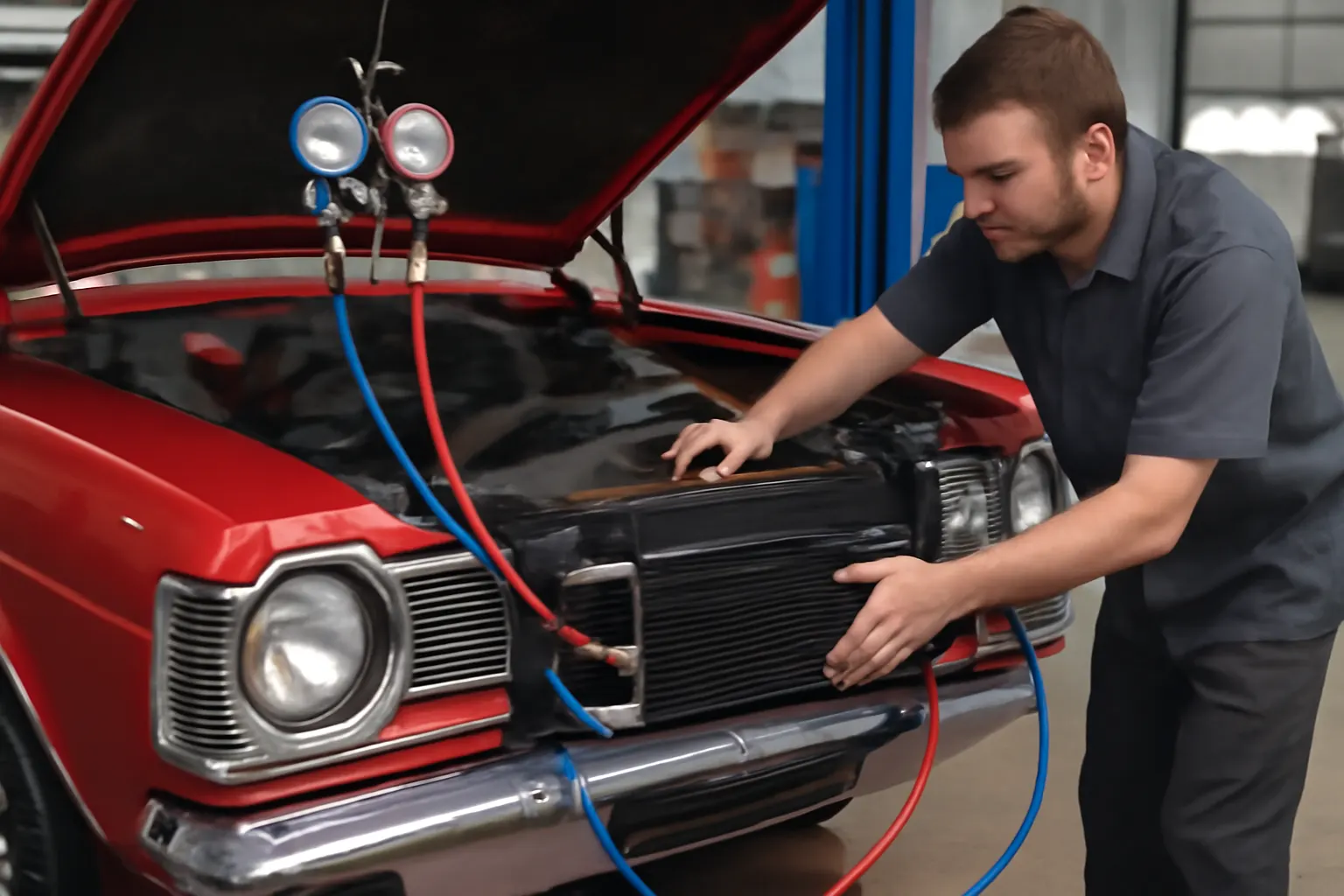
Amc Ambassador Ac Retrofit
Restoring the air conditioning (AC) in your classic AMC Ambassador is more than just a comfort upgrade—it’s a technical challenge that can breathe new life into your vintage ride. The most common retrofit involves converting the original R12 refrigerant system to the modern, environmentally friendlier R134a standard, but there’s more to the story than simply swapping refrigerants. This comprehensive guide will walk you through the essentials of the AMC Ambassador AC retrofit, with a special focus on the AC condenser, potential pitfalls, technical requirements, and step-by-step solutions for a reliable, efficient, and safe outcome. If you’re seeking a model-specific breakdown of AC condenser options, don’t miss our AMC Ambassador AC Condenser: Complete Model-Specific Guide.
The Immediate Answer: What’s Involved in an AMC Ambassador AC Retrofit?
An AMC Ambassador AC retrofit typically means updating your classic’s aging R12-based air conditioning system to use R134a refrigerant. This process requires more than just changing the refrigerant; it also involves replacing or modifying several key AC components, including the condenser, receiver-drier, O-rings, and often the compressor. The retrofit ensures compatibility with modern refrigerants, improves reliability, and aligns with current environmental and safety standards.
Key Steps in an AMC Ambassador AC Retrofit
- Evacuate old R12 refrigerant (by a certified technician)
- Replace or flush the AC condenser
- Swap out the receiver-drier/accumulator
- Replace all O-rings with R134a-compatible materials
- Install a compatible compressor (if needed)
- Charge with R134a refrigerant and appropriate lubricant
- Test for leaks and system performance
The Hidden Problem: Vintage Condenser and System Compatibility
While the process may sound straightforward, hidden issues lurk beneath the surface—especially regarding the original AC condenser and other system components designed for R12. The AMC Ambassador’s stock condenser was engineered for the thermodynamic properties of R12, which differ from those of R134a. This mismatch can lead to poor cooling performance, increased compressor load, and even premature component failure if not addressed during the retrofit.
Why the Condenser Matters
The condenser’s job is to dissipate heat from the refrigerant, turning it from a high-pressure vapor to a high-pressure liquid. R134a operates at higher pressures and is less efficient at heat transfer compared to R12, making condenser efficiency critical. If the original condenser is retained without modification or replacement, you may experience:
- Reduced cooling capacity
- Higher head pressures
- Compressor strain and noise
- Potential for leaks at old fittings and seals
Deeper Technical Explanation: How R12 and R134a Differ
Understanding the science behind refrigerant differences is key to a successful retrofit. R12 (dichlorodifluoromethane) was the automotive industry standard for decades, prized for its efficient cooling and low operating pressures. However, environmental concerns—particularly ozone depletion—led to its phase-out. R134a (tetrafluoroethane) became the new standard, offering no ozone depletion potential but with some trade-offs:
R12 vs. R134a: Technical Comparison
| Characteristic | R12 | R134a |
|---|---|---|
| Operating Pressure | Lower | Higher |
| Cooling Efficiency | Higher | Slightly Lower |
| Lubricant Type | Mineral Oil | PAG/POE Oil |
| Ozone Depletion | Yes | No |
| System Compatibility | Older Systems | Modern/Retrofitted |
Impact on the AMC Ambassador
The AMC Ambassador’s AC system was designed around R12’s lower pressure and higher efficiency. Retrofitting to R134a without upgrading the condenser and seals can result in subpar cooling and reliability issues. The higher pressure of R134a stresses aged hoses, fittings, and the condenser core, increasing the risk of leaks and system failure.
Solution Path: Step-by-Step AMC Ambassador AC Retrofit
Retrofitting your AMC Ambassador’s AC system for R134a is a multi-step process that demands attention to detail and a willingness to replace or upgrade several components. Here’s how to approach it for both safety and performance:
1. System Assessment and Leak Check
- Inspect all AC lines, fittings, and the condenser for signs of corrosion, oil residue, or physical damage.
- Use an electronic leak detector or dye test to identify leaks.
- Check the compressor for shaft seal leaks and clutch wear.
2. Professional R12 Recovery
- Have the remaining R12 refrigerant evacuated by an EPA-certified technician.
R12 is a controlled substance and must not be vented to the atmosphere.
3. AC Condenser Evaluation
- Assess the condition and design of the original condenser.
- Consider upgrading to a parallel-flow condenser for improved efficiency with R134a.
- If retaining the original condenser, ensure it is thoroughly flushed and pressure-tested.
4. Replace the Receiver-Drier/Accumulator
- Always install a new receiver-drier or accumulator.
- The desiccant inside absorbs moisture, which can react with R134a and PAG oil to form corrosive acids.
5. O-Rings and Seals
- Replace all O-rings and seals with R134a-compatible (typically HNBR or neoprene) materials.
- Old rubber is prone to swelling and failure with the new refrigerant and lubricants.
6. Compressor Considerations
- Inspect the original compressor for wear, noise, and shaft seal condition.
- Replace or rebuild if necessary, or upgrade to a modern compatible unit.
- Flush all lines to remove old mineral oil.
7. Lubricant and Refrigerant Charging
- Use only R134a-compatible lubricants (PAG or POE oil).
- Charge the system with the correct amount of R134a (usually 10-20% less by weight than the original R12 charge).
8. Leak Testing and Performance Verification
- Use a vacuum pump to evacuate the system, then monitor for vacuum loss.
- Charge and check for leaks with an electronic sniffer.
- Verify vent temperatures and pressures according to R134a system specifications.
AMC Ambassador AC Retrofit Checklist
Before you begin your retrofit, use this checklist to ensure you have all bases covered:
| Task | Complete? |
|---|---|
| R12 refrigerant professionally evacuated | |
| AC condenser inspected/upgraded | |
| Receiver-drier/accumulator replaced | |
| All O-rings/seals replaced with R134a type | |
| Compressor checked/serviced/upgraded | |
| System flushed of old mineral oil | |
| R134a-compatible lubricant added | |
| System evacuated with vacuum pump | |
| R134a refrigerant charged (correct amount) | |
| Leak and performance test completed |
Diagnosing Common AC Retrofit Issues
Even with careful preparation, AMC Ambassador owners sometimes encounter issues after an AC retrofit. Here’s how to diagnose and resolve the most frequent problems:
1. Poor Cooling Performance
- Check condenser airflow: Ensure the condenser is not blocked by debris or bent fins. Consider upgrading if performance is inadequate.
- Verify refrigerant charge: Too much or too little R134a affects cooling. Use a manifold gauge set to check pressures.
- Inspect expansion valve/orifice tube: These can clog with debris from an old system.
2. Compressor Noise or Failure
- Confirm proper oil type and level: Using mineral oil with R134a will damage the compressor.
- Check for overcharging: Excessive pressure can cause knocking or seal failure.
3. Persistent Leaks
- Inspect all O-rings and fittings: Old or incompatible seals will leak under R134a’s higher pressure.
- Pressure-test the system: Use nitrogen or dry air to locate stubborn leaks.
For a more detailed breakdown on troubleshooting, visit our Amc Ambassador Ac Diagnosis guide.
Sourcing AMC Ambassador AC Retrofit Parts
Finding the right parts for a classic AMC Ambassador can be a challenge, but retrofitting for R134a opens up more options:
Where to Source
- Specialty Vintage Parts Suppliers: Look for companies specializing in classic AMC or American Motors parts.
- Aftermarket AC Retrofit Kits: Many kits come with parallel-flow condensers, compatible driers, and all necessary seals.
- Local Auto Parts Stores: Some components (like O-rings and lubricants) are standard and widely available.
What to Look For
- Parallel-Flow Condenser: Offers better heat rejection for R134a, especially in hot climates.
- R134a-Specific Receiver-Drier: Modern desiccant and fittings for leak-free operation.
- HNBR or Neoprene O-Rings: Essential for long-term reliability.
- Compressor Cross-Reference: Ensure compatibility with R134a and your mounting bracket.
For a detailed comparison of OEM versus aftermarket condensers and what fits best, see our Amc Ambassador Oem Vs Aftermarket Ac Condenser guide.
Installation Tips: Getting the Retrofit Right
Retrofit installation is where attention to detail pays off. Here are technical tips for a successful AMC Ambassador AC retrofit:
Proper Flushing and Cleaning
- Flush all lines, evaporator, and condenser (if reused) with an approved AC flush solvent.
- Blow out with dry compressed air until no residue remains.
- Replace any hoses that show cracking, swelling, or oil saturation.
Torque Specifications
- Tighten all fittings to manufacturer or SAE torque specs.
- Over-tightening can crush O-rings; under-tightening leads to leaks.
Electrical Connections
- Check compressor clutch wiring for corrosion or fraying.
- Test system operation before fully reassembling dash or trim.
System Charging
- Evacuate the system for at least 30 minutes to remove moisture.
- Charge with R134a by weight, not pressure.
Overcharging is a common cause of poor performance.
For detailed installation walkthroughs, refer to our Amc Ambassador Ac Condenser Installation article.
Maintenance After Retrofit: Keeping Your AMC Ambassador Cool
Routine maintenance is crucial to ensure your retrofitted AC system stays reliable:
Annual Inspection
- Check for leaks at all fittings and hoses.
- Test refrigerant pressures and vent temperatures.
- Inspect drive belts for tension and wear.
Every 2-3 Years
- Replace the receiver-drier/accumulator.
- Check compressor oil level and condition.
- Flush the system if any major component is replaced.
Preventative Tips
- Run the AC regularly, even in winter, to keep seals lubricated.
- Avoid mixing refrigerant types or lubricants.
- Address any unusual noises or loss of cooling promptly.
Safety Standards and Regulatory Considerations
Retrofitting a classic vehicle’s AC system isn’t just about performance—it’s also about safety and compliance. The National Highway Traffic Safety Administration (NHTSA) provides guidelines for safe equipment replacement and system upgrades, while the EPA regulates refrigerant handling and disposal.
Key Safety Points
- Only certified technicians should handle refrigerant recovery and charging.
- Use components that meet or exceed SAE standards for pressure and compatibility.
- Verify that all parts are free from recall or safety advisories.
You can check for equipment recalls or safety notices via the NHTSA Equipment Recalls Database.
Fuel Efficiency and AC Retrofits
An often-overlooked aspect of AC retrofits is their impact on fuel efficiency. Modern R134a systems, when properly designed and installed, can be nearly as efficient as the original R12 system. However, poor retrofits—especially those that reuse inefficient condensers or leak—can reduce fuel economy due to increased compressor load.
Tips for Maximizing Efficiency
- Upgrade to a parallel-flow condenser for optimal heat rejection.
- Ensure correct refrigerant charge and lubricant type.
- Keep the system well-maintained to reduce unnecessary drag on the engine.
For more on how AC systems affect fuel efficiency, visit the U.S. Department of Energy’s Fuel Efficiency resource.
Choosing Between OEM and Aftermarket Condensers
A key decision in your AMC Ambassador AC retrofit is whether to stick with an OEM-style condenser or upgrade to an aftermarket parallel-flow design. Each has its pros and cons:
OEM-Style Condenser
- Pros: Direct fit, original appearance, may be preferable for concours restorations.
- Cons: Less efficient with R134a, may be prone to leaks due to age.
Aftermarket Parallel-Flow Condenser
- Pros: Superior heat rejection, better performance with R134a, often more robust construction.
- Cons: May require custom mounting brackets or hose fittings, can alter appearance.
For help deciding, review our in-depth AMC Ambassador AC Condenser: Complete Model-Specific Guide.
Avoiding Common Retrofit Mistakes
Many AMC Ambassador owners make avoidable errors during their AC retrofit. Here’s how to steer clear:
Top Mistakes and How to Avoid Them
- Skipping the condenser upgrade: Results in poor cooling and high pressures.
- Mixing refrigerant types: Never add R134a to an R12-charged system without a full retrofit.
- Reusing old O-rings and seals: Leads to leaks and system contamination.
- Improper refrigerant charge: Always charge by weight, not just by pressure readings.
AutoPartEx: Your Retrofit Resource
At AutoPartEx, we specialize in helping classic car owners achieve reliable, high-performance AC retrofits. Our technical guides, model-specific parts lists, and expert support ensure you have everything needed for a successful AMC Ambassador AC system update. Whether you’re sourcing a new parallel-flow condenser, hunting for hard-to-find O-rings, or need step-by-step installation help, we’re your go-to resource.
Explore our complete AMC Ambassador AC Condenser: Complete Model-Specific Guide for fitment charts, part numbers, and expert recommendations tailored to your classic.
Final Thoughts: Bringing Modern Comfort to a Classic AMC Ambassador
Retrofitting the AC system in your AMC Ambassador is an investment in comfort, reliability, and long-term vehicle value. By understanding the technical differences between R12 and R134a systems, carefully selecting compatible parts, and following proven retrofit procedures, you can enjoy ice-cold air in your vintage ride without compromising safety or efficiency. Remember, attention to detail and quality parts are the keys to a successful conversion—don’t cut corners, and always consult expert resources like AutoPartEx for guidance.