
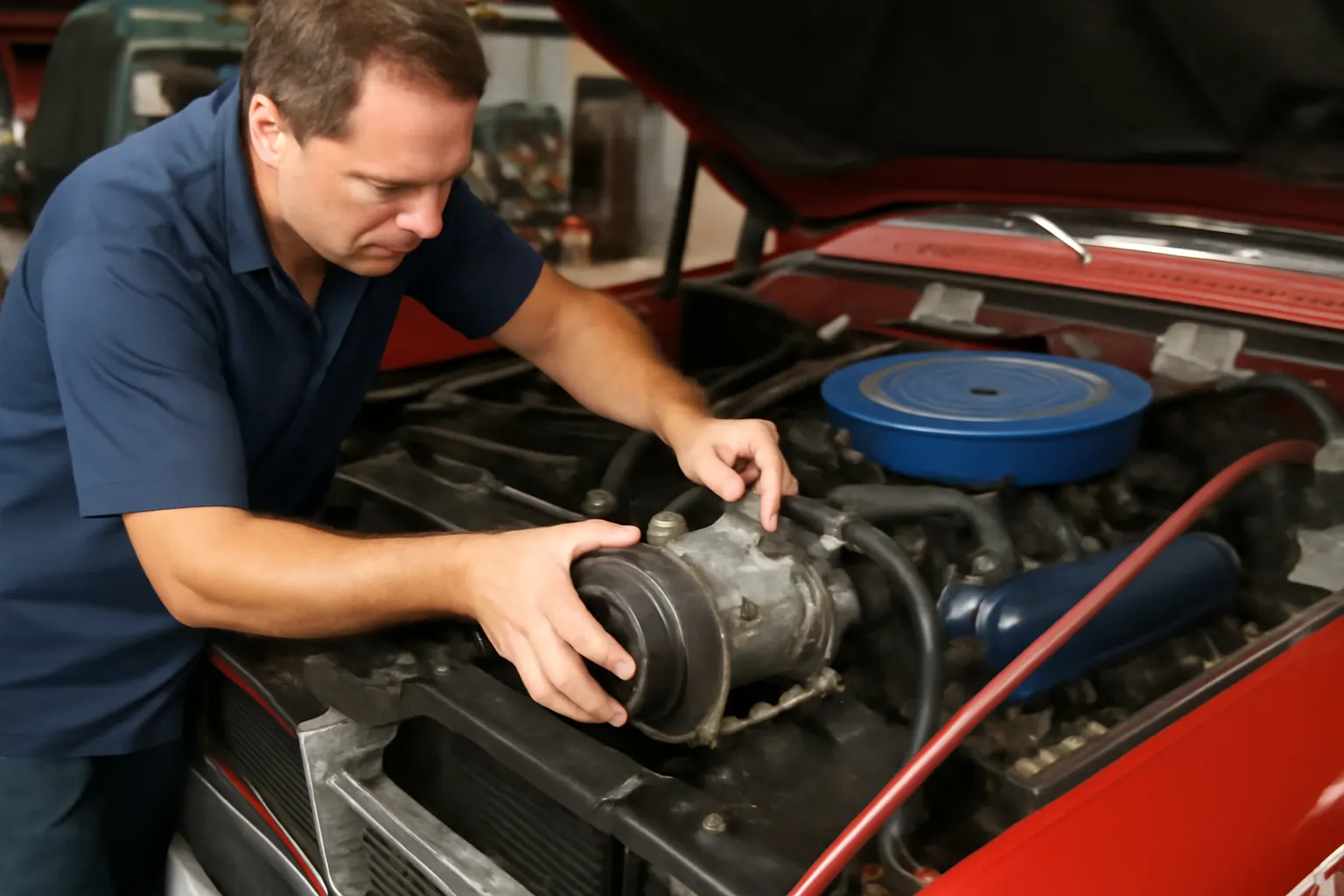
Amc Ambassador Ac History
The AMC Ambassador’s air conditioning (AC) history is a story of innovation, adaptation, and ongoing restoration challenges. From early dealer-installed systems to factory-integrated climate control, the evolution of AC in the Ambassador reflects larger trends in American automotive engineering. Whether you’re hunting for the correct AC compressor bracket, restoring a classic model, or comparing original and reproduction parts, understanding this history is essential for maintaining system integrity and comfort. This guide delivers a detailed timeline of AMC Ambassador AC systems, bracket design changes, compressor options, and hands-on restoration tips—backed by standards, safety, and fitment guidance. For model-specific bracket fitment, failure patterns, and replacement steps, see our AMC Ambassador AC Compressor Bracket: Model-Specific Fitment, Failure, and Replacement Guide.
The AMC Ambassador: A Quick Model Overview
The AMC Ambassador was the flagship of American Motors Corporation’s lineup from the late 1950s to the mid-1970s. As a full-size sedan, coupe, and wagon, the Ambassador was known for its comfort, innovation, and, by the 1960s, its willingness to integrate features once reserved for luxury vehicles—such as factory air conditioning. This push for luxury features made the Ambassador a test bed for new AC technologies and bracket designs.
Key Model Years for AC Developments
- 1958–1963: Dealer-installed and aftermarket AC systems, mostly add-on units.
- 1964–1966: Introduction of factory-integrated air conditioning options.
- 1967–1972: Multiple bracket and compressor changes; AC becomes more common.
- 1973–1974: Last major AC system updates before AMC Ambassador production ended.
Immediate Guidance: Identifying Your Ambassador’s AC System
If you need to diagnose, restore, or upgrade your AMC Ambassador’s AC system, the first step is identifying the type of AC installed. The system may be:
- Dealer-Installed Add-On: Common in early models, often using generic brackets and York or Frigidaire compressors.
- Factory-Installed Integrated: Found in later models, with model-specific brackets, pulleys, and dedicated compressor choices.
- Aftermarket or Retrofitted: May use universal brackets, Sanden conversions, or hybrid setups.
Knowing which category your Ambassador’s AC falls into is crucial for sourcing correct brackets, hoses, and compressor components.
The Hidden Problem: Bracket and Compressor Compatibility
Many AMC Ambassador owners discover that restoring or servicing the AC system is more complicated than expected. The root issue: bracket and compressor compatibility varies significantly by year, engine, and factory vs. dealer installation. Even among the same model years, running changes and part substitutions were common due to AMC’s flexible manufacturing.
What This Means in Practice
- Bracket Mounting Points: Early V8s, six-cylinders, and later V8s all have different mounting bosses and accessory layouts.
- Compressor Types: York, Frigidaire A6, and later Sanden compressors each require unique bracket geometries and belt alignments.
- Pulley and Belt Alignment: Misalignment leads to belt slip, compressor noise, or premature failure.
- Reproduction vs. Original Brackets: Not all reproduction brackets match original fitment or material strength.
AMC Ambassador AC Compressor Bracket Evolution
1958–1963: The Add-On Era
- Bracket Design: Universal or semi-universal steel brackets, often cut and drilled by installers.
- Compressor: York or Frigidaire piston-type, mounted high on the engine.
- Mounting Issues: Shimming and custom fabrication common; few brackets were truly bolt-on.
- Result: Variable reliability, with many systems suffering from vibration or bracket fatigue.
1964–1966: Factory Integration Begins
- Bracket Design: AMC begins offering cast and stamped steel brackets tailored to engine families.
- Compressor: York remains common, with some Frigidaire units.
- Features: Improved alignment and vibration control, but parts remain scarce today.
- Challenge: Identifying correct bracket for your engine and AC option.
1967–1972: Multiple Engine and Bracket Variants
- Bracket Design: Major revisions for new V8s and six-cylinders; some years see mid-year bracket changes.
- Compressor: York is dominant, but mounting angles and pulley offsets change.
- Complication: Engine swaps or non-original AC installations often require custom bracket solutions.
- Restoration Impact: Sourcing correct brackets is increasingly challenging.
1973–1974: Final Factory AC Systems
- Bracket Design: Heavier-duty castings, improved belt wrap, and provisions for emission controls.
- Compressor: York and some early Sanden conversions appear.
- Lasting Value: These brackets are most desirable for restorers due to improved strength and fitment.
For bracket-specific installation and troubleshooting, see our detailed Amc Ambassador Ac Compressor Bracket Installation guide.
Compressor Options and Their Implications
The AMC Ambassador’s AC systems used several compressor types over the years, each with unique bracket requirements and service needs.
York Compressors
- Era: 1958–1974
- Features: Large, upright, piston-driven; requires robust bracketry.
- Strengths: Durable, easy to rebuild.
- Weaknesses: Heavy, less efficient, can vibrate excessively if not properly mounted.
Frigidaire (A6) Compressors
- Era: Limited use, late 1960s–early 1970s
- Features: Long, cylindrical, internally balanced.
- Strengths: Smooth operation.
- Weaknesses: More difficult to source brackets; less common in Ambassadors.
Sanden and Modern Rotary Conversions
- Era: Aftermarket, especially during restorations.
- Features: Compact, rotary design; often retrofitted for R134a refrigerant.
- Strengths: Efficient, lighter, less vibration.
- Weaknesses: Requires custom or reproduction brackets; belt and hose routing may differ.
Diagnosing Common AMC Ambassador AC System Issues
Restoring or servicing an AMC Ambassador AC system often reveals a host of potential problems—many stemming from bracket and compressor mismatches or age-related wear.
Common Problems
- Bracket Fatigue or Fracture: Decades of vibration and heat cycles lead to cracks, especially in early steel brackets.
- Compressor Misalignment: Causes belt squeal, rapid belt wear, and poor AC performance.
- Incorrect Belt Length or Routing: Non-original setups often use the wrong belt, leading to tension issues.
- Mounting Bolt Loosening: Vibration can loosen bolts, risking bracket or compressor failure.
- Compressor/Bracket Interference: Swapped engines or aftermarket heads may block factory bracket mounting points.
Diagnostic Checklist
- Inspect all bracket mounting points for cracks or elongation.
- Confirm compressor pulley is in-plane with crank and alternator pulleys.
- Check for correct bracket part number or casting marks.
- Verify belt size and alignment.
- Inspect for missing shims or spacers.
- Listen for abnormal noise with AC engaged.
Sourcing and Identifying Correct Brackets
Finding the correct AC compressor bracket is one of the most challenging aspects of AMC Ambassador AC restoration.
Tips for Bracket Sourcing
- Model-Specific Research: Refer to factory service manuals and parts catalogs for bracket part numbers by year, engine, and AC option.
- Casting Numbers: Original brackets often have casting or stamping numbers—compare with known-good originals.
- Community Resources: AMC forums and restoration groups can provide photos and measurements for comparison.
- Reproduction vs. Original: Some reproduction brackets may differ subtly in hole spacing, thickness, or finish. See our Amc Ambassador Ac Bracket Original Vs Repro for a detailed comparison.
Where to Look
- AMC specialty salvage yards and parts vendors.
- Online auction sites (verify part numbers and photos).
- Reputable reproduction part suppliers with return policies.
Bracket Installation: Key Considerations
Installing an AC compressor bracket on an AMC Ambassador is rarely a simple bolt-on affair. Careful preparation and attention to detail are essential.
Installation Steps (Generalized)
- Test-Fit Bracket: Before final installation, test-fit the bracket to ensure all holes align with the engine block and accessory bosses.
- Clean Mounting Surfaces: Remove rust, paint, and debris from engine and bracket mating surfaces.
- Use Correct Hardware: Match bolt grade and length to factory specifications.
- Shim as Needed: Use factory shims or spacers for precise alignment.
- Torque to Spec: Use a torque wrench to avoid over-tightening or stripping threads.
- Install Compressor: Ensure compressor orientation matches belt routing and hose clearance.
- Check Belt and Pulley Alignment: Adjust bracket position if required.
- Double-Check All Fasteners: Re-torque after initial run-in.
For a detailed, step-by-step installation process, consult our Amc Ambassador Ac Compressor Bracket Installation guide.
Maintenance and Longevity Tips for AMC Ambassador AC Systems
Once your AC bracket and compressor are correctly installed, ongoing maintenance is crucial for system longevity and safety.
Maintenance Checklist
- Inspect Bracket and Fasteners: Every 6–12 months, check for cracks, corrosion, and bolt tightness.
- Check Belt Tension and Condition: Replace belts that show glazing, cracks, or excessive wear.
- Lubricate Compressor (if applicable): York and Frigidaire compressors require periodic oil checks.
- Monitor for Leaks: Look for oil or refrigerant residue around fittings and hoses.
- Test System Performance: Confirm cold air output and listen for abnormal noises.
Preventive Actions
- Replace rubber isolators or bushings if present.
- Upgrade to modern, compatible compressor oil and refrigerant if converting to R134a.
- Store vehicle in a dry environment to minimize bracket corrosion.
Restoration Challenges Unique to AMC Ambassador AC
AMC’s relatively low production numbers and frequent running changes create unique restoration hurdles.
Key Challenges
- Parts Scarcity: OEM brackets and compressors are less common than for Ford, GM, or Mopar vehicles.
- Documentation Gaps: Factory documentation may not cover all mid-year changes or dealer-installed variations.
- Aftermarket Pitfalls: Not all reproduction parts are created equal; test fitment before final assembly.
- System Compatibility: Mixing bracket, compressor, and pulley types across model years often leads to misalignment or mounting issues.
Overcoming Restoration Obstacles
- Build a photo archive of original parts from forums and swap meets.
- Compare all reproduction parts to original dimensions before installation.
- Join AMC restoration communities for sourcing leads and technical advice.
- Consider fabricating custom brackets if OEM or reproduction parts are unavailable, but follow SAE Standards for material selection and engineering.
Original vs. Reproduction Bracket Dilemmas
Choosing between original and reproduction brackets is a major decision for AMC Ambassador restorers.
Pros and Cons
| Aspect | Original Bracket | Reproduction Bracket |
|---|---|---|
| Fitment | Usually exact (if correct part) | May require minor adjustment |
| Material Quality | Factory spec, often thicker steel | Varies; some use thinner stock |
| Availability | Scarce, expensive | More readily available |
| Authenticity | 100% OE, correct markings | May lack markings or details |
| Cost | Higher | Lower to moderate |
For a side-by-side comparison, see Amc Ambassador Ac Bracket Original Vs Repro.
Modern Upgrades: Sanden Compressor Conversions
Ambassador owners seeking improved reliability and efficiency often opt for Sanden or similar rotary compressor conversions.
Benefits
- Lower Weight: Reduces engine accessory load.
- Greater Efficiency: Modern compressors draw less power and cool faster.
- R134a Compatibility: Designed for modern refrigerants and oils.
- Reduced Vibration: Less stress on brackets and mounting bolts.
Upgrade Considerations
- Requires custom or adapter brackets—ensure alignment matches factory belt path.
- May need new hoses and fittings; check for interference with steering, fuel, or emissions components.
- Confirm that condenser and evaporator are compatible with new compressor output and refrigerant.
Safety, Standards, and Regulatory Considerations
Any AC system repair or restoration should adhere to modern safety and engineering standards.
Key Points
- Fastener Strength: Always use hardware of equal or greater grade than factory specification.
- Bracket Material: Use steel or cast iron of appropriate thickness; avoid aluminum unless designed for the application.
- Refrigerant Handling: Follow EPA guidelines for refrigerant recovery and charging.
- Performance Testing: After installation, confirm system pressures and temperature drop meet manufacturer or SAE Standards.
- Recall Awareness: Check for any applicable NHTSA equipment recalls before installation.
Expert Solution Path: Restoring Your AMC Ambassador’s AC System
A successful AMC Ambassador AC restoration balances authenticity, safety, and performance. Here’s a step-by-step solution path for owners and restorers:
- Document Your System: Photograph all existing brackets, compressors, pulleys, and hoses before disassembly.
- Research Year-Specific Details: Use service manuals, forums, and our AMC Ambassador AC Compressor Bracket: Model-Specific Fitment, Failure, and Replacement Guide.
- Source Correct Brackets and Compressors: Prioritize OEM if available; verify reproduction fitment before painting or powder-coating.
- Test-Fit All Components: Ensure bracket, compressor, and pulleys are precisely aligned before final assembly.
- Install Using Factory Torque Specs and Hardware: Avoid over-tightening.
- Charge and Test System: Use correct oil and refrigerant; check for leaks and performance.
- Maintain Regularly: Inspect bracket, fasteners, and system operation at least annually.
For a complete restoration checklist, see Amc Ambassador Ac System Resto Checklist.
AutoPartEx: Your Partner in AMC Ambassador AC Restoration
AutoPartEx bridges the gap between original AMC engineering and today’s restoration needs. Our technical guides, fitment databases, and parts sourcing tips help you restore your Ambassador’s AC system with confidence. Whether you’re searching for a rare bracket, comparing original and reproduction parts, or upgrading to a modern compressor, our resources are designed to support every step of your restoration journey. For detailed model-specific fitment, troubleshooting, and installation resources, visit our AMC Ambassador AC Compressor Bracket: Model-Specific Fitment, Failure, and Replacement Guide.