
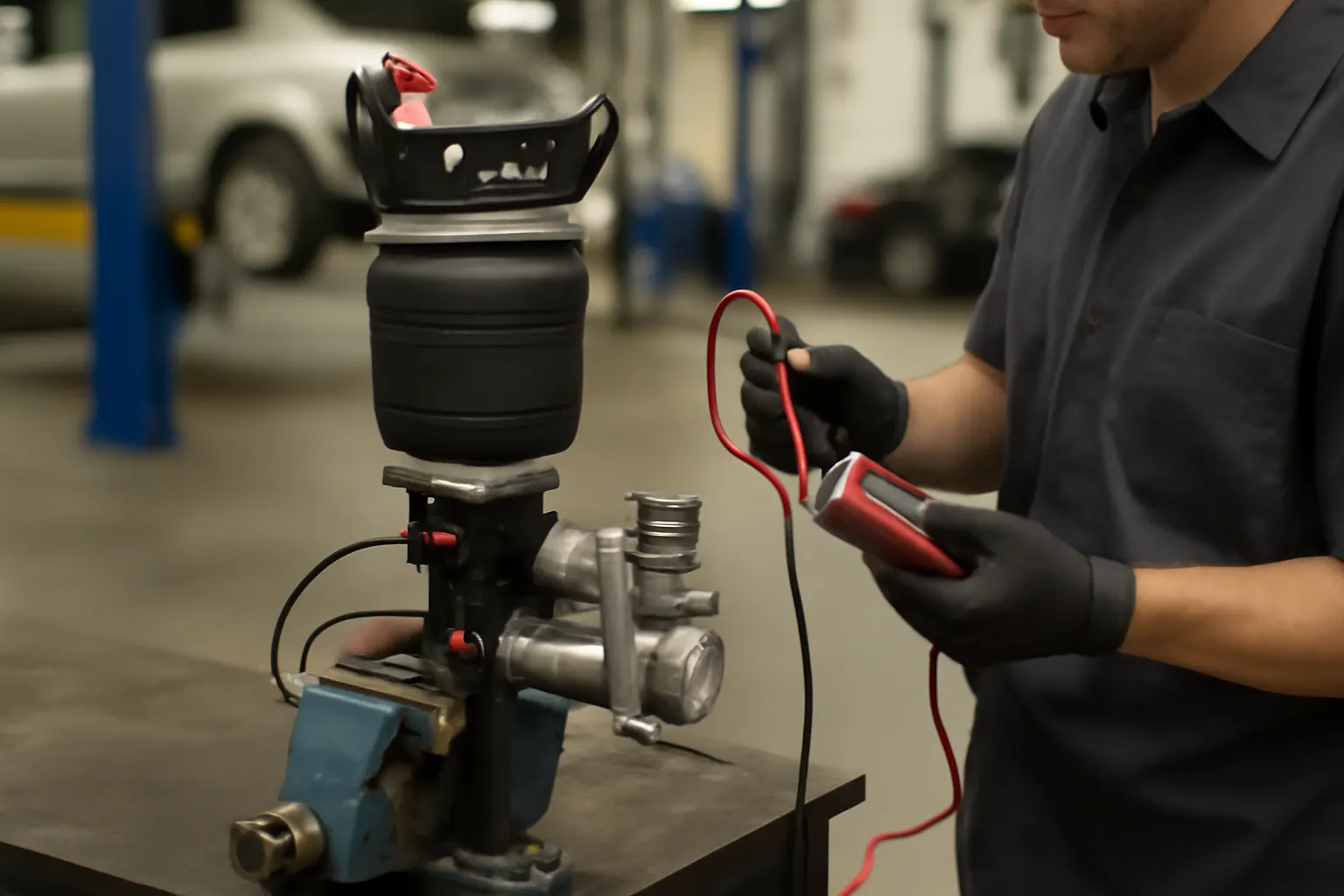
Amc Air Suspension History
Air suspension technology has defined the ride quality and adaptability of AMC vehicles for decades, but understanding its evolution—especially the changes in air ride compressor design and the sourcing challenges for replacement parts—is critical for owners, restorers, and technicians. This in-depth guide delivers a technical, historical, and practical roadmap for navigating AMC air suspension systems, with a special emphasis on the compressor’s role, failure patterns, and sourcing solutions. For a broader look at AMC air ride compressor fitment and expert sourcing, see the AMC Air Ride Compressor: OEM Fitment, Failure Patterns, and Expert Sourcing category page.
The Immediate Answer: AMC Air Suspension’s Technological Legacy
AMC’s approach to air suspension—spanning from early experimental setups in the mid-20th century to more refined production systems—has always centered on improving ride comfort, load leveling, and handling adaptability. The air ride compressor is the heart of this system, responsible for adjusting air pressure in the suspension struts or bags to respond to load and road conditions in real time. Over the decades, AMC compressors have evolved in design, materials, and controls, but sourcing correct-fitment replacements today remains a significant challenge due to limited OEM supply and the technical nuances of AMC’s unique system architectures.
The Hidden Problem: Sourcing and Diagnosing AMC Air Ride Compressors
While AMC air suspension systems were innovative for their era, the very features that made them advanced now present obstacles for restoration and maintenance. Compressors are prone to age-related wear, electrical failures, and air leaks. Complicating matters, AMC’s compressor designs changed subtly across model years and trim levels, making it difficult to identify and source the correct replacement. Owners often encounter mismatched aftermarket units, wiring incompatibilities, and poor-quality rebuilds.
AMC Air Suspension: Historical Milestones
Early Innovations (1950s–1960s)
AMC’s experimentation with air suspension began as the industry sought alternatives to traditional coil and leaf spring setups. The aim was to create a smoother ride and automatic load-leveling—key selling points for family sedans and wagons. Early AMC systems used basic piston compressors, often adapted from commercial truck designs, paired with rudimentary air bladders. These early systems were purely mechanical, relying on pressure switches and analog valves.
The 1970s: Mainstream Integration
By the 1970s, air suspension options became available on select AMC models, particularly in luxury and station wagon trims. Compressors were downsized for automotive use, and AMC began integrating more sophisticated electrical controls. Materials technology also improved: lighter aluminum housings and synthetic rubber air bags replaced heavy steel and natural rubber, contributing to better fuel efficiency and ride characteristics.
1980s–1990s: Electronic Controls and System Refinement
The late 1980s and 1990s saw the introduction of electronic ride height sensors and smarter compressor management. These refinements allowed for more responsive adjustments to road conditions and vehicle loading. However, the increased complexity also introduced new points of failure, especially in compressor relays, pressure sensors, and wiring harnesses.
2000s to Discontinuation
As AMC’s production wound down and the company underwent mergers, air suspension systems on remaining models became increasingly rare. The final generation compressors featured compact integrated driers and improved corrosion resistance, but parts availability rapidly declined after production ceased.
Technical Anatomy: How AMC Air Ride Compressors Work
A deep understanding of AMC air ride compressor function is essential for diagnostics and replacement. The compressor’s core tasks include:
- Drawing ambient air through a filter
- Compressing it via a piston or diaphragm mechanism
- Routing pressurized air to the suspension system via solenoid valves
- Monitoring system pressure with feedback from sensors
- Cycling on/off based on ride height or pressure setpoints
Key Components
- Compressor Motor: Powers the piston or diaphragm to generate air pressure.
- Integrated Drier: Removes moisture to prevent internal corrosion.
- Solenoid Valves: Direct air to individual struts or bags.
- Pressure Switch/Sensor: Monitors and signals for compressor activation.
- Relay and Wiring Harness: Controls power delivery and safety cutoffs.
Failure Patterns
Common compressor failure patterns include:
- Motor burnout due to over-cycling (often caused by leaks elsewhere in the system)
- Drier desiccant saturation, leading to moisture contamination
- Electrical relay or wiring harness corrosion
- Solenoid valve sticking or leakage
The Fuel Efficiency and Materials Connection
AMC’s shift to lighter compressor housings and synthetic air bag materials was not simply a cost-saving measure—it was a response to tightening fuel efficiency and emissions standards. Reducing unsprung weight and improving ride compliance contributed to both comfort and overall vehicle efficiency. The use of advanced materials technologies also improved compressor longevity and reliability, though these benefits are offset by age and wear today.
Safety and Regulatory Considerations
Air suspension systems are considered critical safety equipment, as they directly affect vehicle handling and braking balance. The National Highway Traffic Safety Administration (NHTSA) mandates that replacement air ride compressors and components meet original performance and durability standards. Improperly matched or substandard compressors can compromise ride height, leading to tire wear, reduced stability, and increased risk of failure under load.
Diagnosing AMC Air Suspension Compressor Issues
Correct diagnosis is the linchpin of successful AMC air suspension repair. Use this step-by-step checklist to isolate compressor-related issues:
Diagnostic Checklist
-
Visual Inspection:
- Check compressor mounting, wiring, and air lines for physical damage or corrosion.
- Inspect for signs of moisture or oil contamination at the drier and air lines.
-
Electrical Testing:
- Verify power at the compressor relay and motor terminals.
- Test pressure switch/sensor output with a multimeter.
-
System Leak Test:
- Use a soapy water solution to check for bubbling at air line fittings and the compressor housing.
-
Operational Test:
- With the vehicle running, command the air suspension to raise/lower and listen for compressor activation.
- Note any abnormal noises (grinding, clicking) or extended run times.
-
Scan for Fault Codes:
- On later AMC models with electronic controls, use a compatible scan tool to check for suspension system DTCs.
-
Pressure Output Verification:
- Attach a known-good pressure gauge to the system and compare actual output to AMC specifications.
If any step reveals anomalies, further disassembly or targeted testing is warranted.
The Sourcing Challenge: OEM vs. Aftermarket Compressors
Sourcing a correct-fit AMC air ride compressor is complicated by several factors:
- OEM Discontinuation: AMC’s original suppliers are long defunct, and NOS (new old stock) parts are rare.
- Aftermarket Variability: Many aftermarket compressors claim AMC fitment but differ in mounting, wiring, or output specs.
- Rebuilds and Refurbs: Rebuilt compressors may use non-OEM parts or lack proper drier media, risking premature failure.
- Authentication: Verifying the authenticity and compatibility of a compressor is crucial. For detailed guidance, see Authenticating Amc Air Ride Compressors.
What to Look for When Sourcing
- Part Number Cross-Reference: Always match AMC part numbers or consult a reputable interchange guide.
- Visual and Dimensional Fit: Confirm mounting bracket orientation, air port size, and electrical connector type.
- Performance Specs: Ensure compressor output (PSI, CFM) matches original equipment.
- Warranty and Return Policy: Prefer suppliers offering clear return policies in case of fitment issues.
Installation and Fitment Considerations
Installing a replacement AMC air ride compressor requires attention to detail:
- Mounting: Use original brackets and isolators to minimize vibration.
- Electrical Connections: Match color codes and pinouts; confirm relay and fuse ratings.
- Air Line Routing: Avoid sharp bends or chafing points; replace brittle lines as needed.
- System Priming: After installation, cycle the compressor through several raise/lower cycles to purge air and settle the drier media.
- Calibration: On electronically controlled systems, perform a ride height calibration using AMC’s specified procedure.
For a step-by-step walkthrough, refer to the Amc Air Suspension Compressor Installation guide.
Maintenance Strategies for AMC Air Suspension
Preventative maintenance extends the life of both compressors and air suspension systems:
- Regular Inspections: Check for leaks, corrosion, and abnormal compressor noise every 6–12 months.
- Drier Replacement: Replace or service the drier media every 2–3 years, especially in humid climates.
- Electrical System Care: Clean and protect wiring connectors with dielectric grease.
- Ride Height Checks: Monitor for sagging or uneven stance, which can indicate system leaks or compressor fatigue.
- System Exercise: Periodically cycle the suspension through its full range to prevent valve sticking.
Advanced Troubleshooting: Beyond the Compressor
If a new compressor fails to resolve ride issues, expand your diagnostics to the entire air suspension system:
- Struts/Bags: Inspect for dry rot, cracks, or leaks.
- Ride Height Sensors: Verify sensor outputs and linkage condition.
- Control Module: Check for software updates or stored fault codes.
- Air Lines and Fittings: Replace any suspect lines or O-rings.
For a detailed look at AMC air ride system diagnostics, visit Amc Air Ride Diagnostics Explained.
The Role of Standards and Best Practices
Adhering to SAE standards and industry best practices ensures safety and system longevity:
- Torque Specs: Use manufacturer-recommended torque values for compressor mounts and air line fittings.
- System Cleanliness: Always work in a clean environment to avoid introducing contaminants into the air system.
- Documentation: Keep detailed records of part numbers, installation dates, and maintenance actions for future reference.
The Future of AMC Air Suspension Restoration
With AMC’s original air ride technology now a legacy system, restoration and maintenance are increasingly reliant on specialist knowledge and high-quality parts sourcing. Enthusiast communities, technical forums, and dedicated suppliers play a crucial role in keeping these vehicles on the road. As materials technologies and aftermarket support improve, expect to see more robust compressor rebuild kits and improved cross-compatibility solutions.
AutoPartEx: Your AMC Air Suspension Partner
AutoPartEx combines technical expertise, deep parts catalogs, and hands-on guidance to support AMC owners and technicians. From OEM fitment and failure pattern analysis to step-by-step installation and diagnostics, our resources ensure you source, install, and maintain AMC air ride compressors with confidence. Whether you’re restoring a classic or keeping a daily driver in top form, our commitment to verified technical information and high-quality parts keeps you ahead of the curve.
Conclusion: Navigating AMC Air Suspension History with Confidence
The evolution of AMC air suspension—anchored by the compressor’s pivotal role—reflects broader trends in vehicle technology, materials science, and regulatory standards. While sourcing and servicing these systems presents real challenges, a methodical approach grounded in technical knowledge and authentic parts sourcing is the key to success. By understanding the historical context and practical realities of AMC air ride compressors, you can preserve the ride quality, safety, and originality of your AMC vehicle for decades to come.