
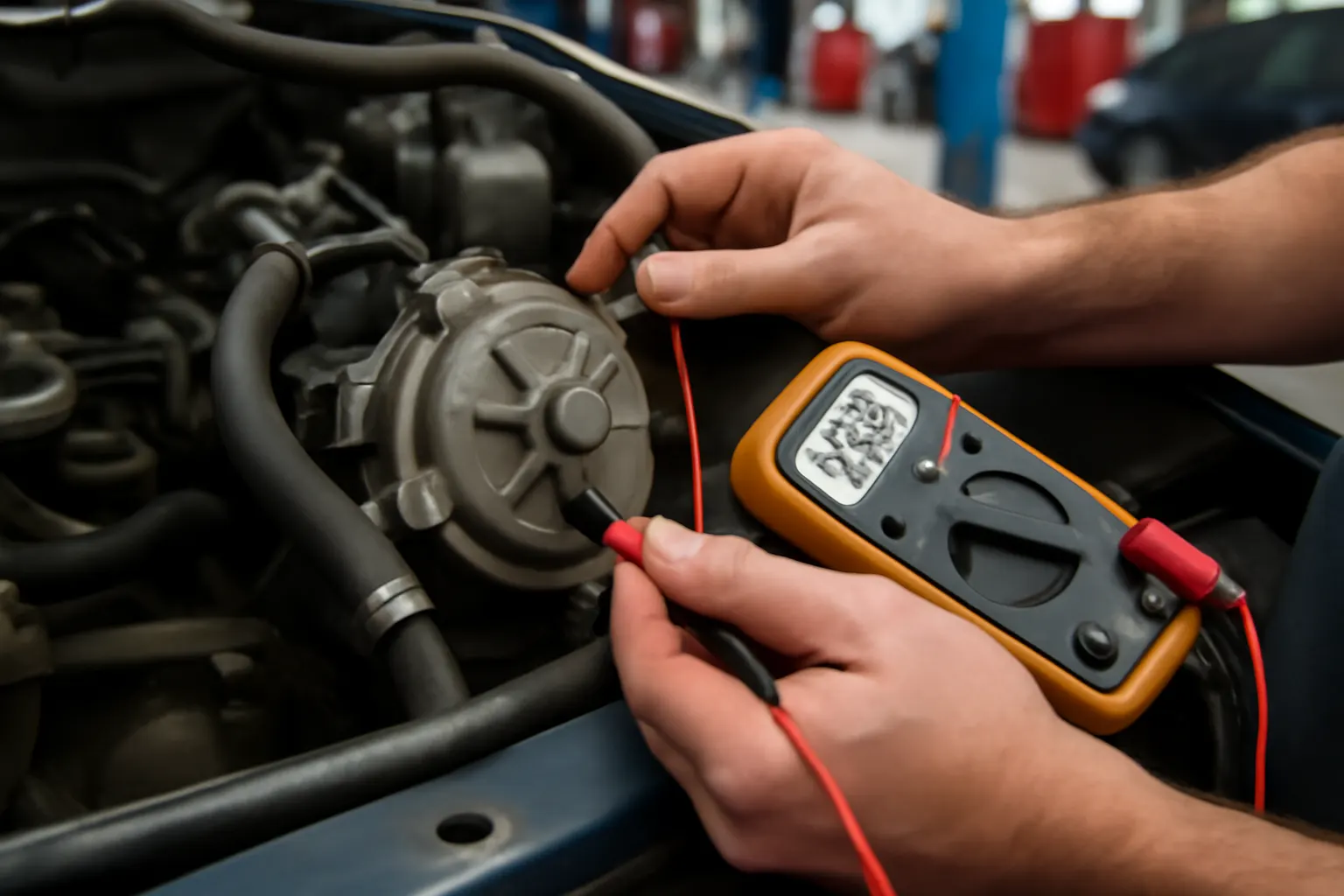
Amc Air Injection System Troubleshooting
Troubleshooting the air injection system on AMC vehicles—whether you’re an enthusiast restoring a classic AMX, a daily driver keeping an Eagle in top shape, or a technician working on a customer’s Hornet—demands a thorough understanding of both the system’s function and its unique failure modes. This guide delivers a step-by-step approach to diagnosing and resolving AMC air injection system failures, helping you avoid common pitfalls and restore peak emissions performance.
If you’re seeking a broader fitment or replacement overview, see our AMC Air Injection Pump: Comprehensive Fitment, Diagnostics, and Replacement Guide.
Fast Answer: How to Troubleshoot AMC Air Injection System Failures
The most effective way to troubleshoot AMC air injection system issues is to systematically check for:
- Air pump output (listen for pump noise and check for airflow)
- Leaks or blockages in hoses and check valves
- Faulty diverter and anti-backfire valves
- Clogged or rusted injection manifolds or tubes
- Vacuum supply issues affecting valve operation
Start with a visual and auditory inspection, then use diagnostic tools such as a vacuum gauge, smoke machine, or even basic hand tools to isolate faults. Addressing these issues restores emissions performance, improves fuel efficiency, and ensures compliance with federal safety and equipment standards (NHTSA Equipment).
The Hidden Problem: Why AMC Air Injection Systems Fail
Air injection systems on AMC vehicles—especially those built from the late 1960s through the early 1980s—are particularly vulnerable to age-related failures, improper service, and incorrect parts replacement. Commonly overlooked issues include:
- Internal corrosion due to exhaust moisture
- Deteriorated rubber hoses and gaskets
- Aftermarket part incompatibility
- Misrouted or missing vacuum lines
These failures often go undetected until a failed emissions test, poor drivability, or engine damage occurs. As AMC models age, the availability of original and correct replacement parts becomes a greater challenge, making accurate troubleshooting and sourcing even more critical.
Understanding the AMC Air Injection System: How It Works
The AMC air injection system, also known as the “smog pump” system, is designed to inject fresh air into the exhaust stream to promote secondary combustion of unburned hydrocarbons (HC) and carbon monoxide (CO). This process reduces emissions and supports compliance with federal and state regulations.
Key Components:
- Air Injection Pump: Mechanically driven, supplies pressurized air.
- Check Valves: Prevent exhaust backflow into the pump.
- Diverter Valve (or Air Management Valve): Controls air delivery based on engine conditions.
- Anti-Backfire Valve: Prevents air injection during deceleration.
- Distribution Manifold and Tubes: Deliver air to the exhaust ports.
- Vacuum Lines: Control valve operation.
When any component fails, the system can no longer effectively reduce emissions, leading to increased pollution and possible engine performance issues.
Symptoms of Air Injection System Failure
Detecting air injection system faults early can prevent more severe engine or emissions problems. Watch for these common symptoms on your AMC:
- Check Engine Light (on later models): May indicate emissions system fault codes.
- Failed Emissions Test: Elevated HC or CO readings.
- Backfiring or Afterfire: Often due to faulty anti-backfire or diverter valves.
- Hissing or Whistling Noises: Suggests vacuum leaks or ruptured hoses.
- Rough Idle or Hesitation: Incomplete combustion due to insufficient air injection.
- Visible Rust or Corrosion: On air injection tubes, manifolds, or pump body.
If you notice any of these symptoms, a systematic diagnostic approach is essential.
Step-by-Step AMC Air Injection System Diagnostic Checklist
Before replacing any parts, use this checklist to isolate the fault:
1. Visual Inspection
- Inspect all hoses for cracks, splits, or loose connections.
- Check for missing, misrouted, or deteriorated vacuum lines.
- Look for rust, leaks, or physical damage on the air pump, valves, and tubes.
2. Pump Operation
- With the engine running, listen for the air pump (should produce a faint whirring).
- Disconnect the pump outlet hose and feel for airflow.
- If no airflow, check drive belt tension and condition.
3. Check Valves
- Remove and shake each check valve; a rattling noise indicates the internal disc is present.
- Blow air through the valve in the correct direction; it should pass one way and block the other.
- Replace any valve that is stuck open, closed, or missing.
4. Diverter/Anti-Backfire Valve
- Apply vacuum to the valve using a hand-held vacuum pump. The valve should operate smoothly.
- Inspect for vacuum leaks or sticking operation.
5. Distribution Tubes and Manifolds
- Remove tubes and inspect for carbon buildup or rust blockage.
- Use compressed air to clear obstructions.
6. Vacuum Source
- Verify vacuum supply at the source (intake manifold or carburetor port).
- Trace vacuum lines for leaks or restrictions.
7. Emissions Test
- After repairs, retest emissions to verify reduction in HC and CO.
Common AMC Air Injection System Pitfalls (and How to Avoid Them)
Many AMC owners and restorers encounter repeat failures or poor emissions results due to:
- Incorrect Hose Routing: Always refer to factory diagrams. Misrouted lines can render the system inoperative.
- Aftermarket Part Mismatch: Not all replacement pumps, valves, or hoses fit AMC models correctly. Confirm part numbers and fitment before installation. For detailed fitment, consult our Amc Air Injection Pump Fitment Reference.
- Omitted Components: Some restorations skip check valves or diverter valves, leading to backfire and engine damage.
- Improper Vacuum Connections: A missing or weak vacuum source prevents valve operation.
- Neglecting Corrosion: Failing to address rusted tubes or manifolds leads to recurring blockages.
To avoid these pitfalls, always work from verified diagrams and use correct AMC-specific parts.
Deeper Diagnostics: Testing Each Component
Air Injection Pump
- Bench Test: With the pump removed, spin the pulley by hand. It should turn smoothly without grinding or binding.
- On-Vehicle Test: With the engine idling, use a length of hose to listen for airflow at the pump outlet. If airflow is weak or absent, suspect internal pump failure or drive belt issues.
Check Valves
- Leak Test: With the engine running, spray carburetor cleaner around the check valve base. If idle changes, there’s a leak.
- Backpressure Test: Use a handheld vacuum/pressure gauge to ensure the valve blocks exhaust backflow.
Diverter and Anti-Backfire Valves
- Vacuum Test: Apply and release vacuum while observing valve movement. If slow or erratic, the diaphragm may be ruptured.
- Functional Test: Briefly rev the engine and listen for a change in pump noise. No change may indicate a stuck valve.
Tubes and Manifolds
- Visual and Airflow Test: Remove and inspect for blockage. Use compressed air or a flexible brush to clear obstructions.
Sourcing and Selecting Correct AMC Air Injection System Parts
Original AMC air injection system parts can be difficult to source due to model-specific variations and discontinued OE supply. Consider these strategies:
- Use AMC-Specific Part Numbers: Cross-reference old catalogs or use trusted online references for correct fitment.
- Choose Reputable Suppliers: Avoid generic “smog pump” kits unless confirmed for AMC application.
- Inspect Used Parts Carefully: Many used pumps and valves are already at the end of their service life.
- Material Quality: Prefer OE-style metal valves and manifolds, as plastic replacements may not withstand exhaust heat (DOE Materials Technologies).
For a detailed installation process, refer to our Amc Air Injection Pump Installation Guide.
Preventive Maintenance for AMC Air Injection Systems
Proactive maintenance extends system life and prevents repeat failures. Adopt the following routine:
- Inspect Hoses and Valves Annually: Replace aging or brittle hoses and suspect valves.
- Check Pump Drive Belt: Adjust or replace as needed.
- Clean or Replace Distribution Tubes: Prevent carbon buildup.
- Verify Vacuum Routing: After carburetor or manifold work, double-check all connections.
- Monitor Emissions Performance: Periodic emissions testing helps catch early faults.
Emissions, Fuel Efficiency, and System Performance
A properly functioning air injection system supports both regulatory compliance and engine efficiency. According to the United States Department of Energy, secondary air injection contributes to reduced hydrocarbon and carbon monoxide emissions, improving overall fuel economy and engine performance. Malfunctioning systems can cause increased emissions, potential engine overheating, and reduced fuel efficiency.
Addressing AMC Air Injection System Recalls and Safety Concerns
AMC air injection system components were occasionally subject to manufacturer recalls due to safety or emissions compliance issues. Always check your vehicle’s VIN against the NHTSA recall database for open recalls, especially if you are restoring or purchasing a classic AMC. Recalled components should be replaced with updated, compliant parts to ensure safety and legal operation.
Advanced Troubleshooting: Using Modern Diagnostic Tools
While AMC vehicles were built before OBD-II, modern diagnostic methods can still aid troubleshooting:
- Smoke Machines: Detect vacuum leaks in hoses and valves.
- Infrared Thermometers: Identify clogged tubes by checking exhaust port temperatures.
- Handheld Emissions Analyzers: Measure tailpipe HC and CO before and after repairs.
- Vacuum Gauges: Confirm source vacuum and valve operation.
Combining traditional mechanical checks with modern tools provides the most accurate diagnosis.
When to Replace vs. Repair AMC Air Injection Components
Not all faults require full replacement. Use these guidelines:
- Replace: Severely corroded, broken, or internally seized pumps; ruptured valve diaphragms; melted or cracked hoses.
- Repair/Clean: Lightly rusted tubes, carbon-clogged manifolds, sticky but intact valves.
- Upgrade: Where possible, use improved materials or designs that meet or exceed original specifications, ensuring compatibility with AMC systems (SAE Standards).
Integrating Air Injection System Troubleshooting with Broader AMC Emissions Diagnostics
Troubleshooting doesn’t end at the air injection system. Many AMC emissions issues involve multiple systems—EGR, evaporative emissions, and ignition timing. For a holistic approach, see our Classic Amc Emissions Diagnostics guide.
Why Choose AutoPartEx for AMC Air Injection System Support
AutoPartEx specializes in accurate fitment, technical guidance, and high-quality AMC air injection system parts. Our resources, including the AMC Air Injection Pump: Comprehensive Fitment, Diagnostics, and Replacement Guide, ensure that enthusiasts and professionals alike have access to the right information and components for reliable, emissions-compliant restoration. With a focus on verified standards and tested solutions, AutoPartEx is your trusted partner for AMC restoration and repair.
Expert Action: Next Steps for AMC Owners and Restorers
To keep your AMC running clean and compliant:
- Diagnose Systematically: Use the checklists and tests above—never replace parts blindly.
- Source Correct Parts: Verify fitment for your specific AMC model and year.
- Document Repairs: Maintain records of replaced components and emission test results.
- Stay Informed: Monitor recalls and regulatory updates via NHTSA and DOE resources.
- Consult AutoPartEx: For the latest parts, guides, and technical support, rely on AutoPartEx’s AMC expertise.
By following these steps, you’ll ensure your AMC’s air injection system delivers reliable emissions performance, supports fuel efficiency, and preserves the classic driving experience.