
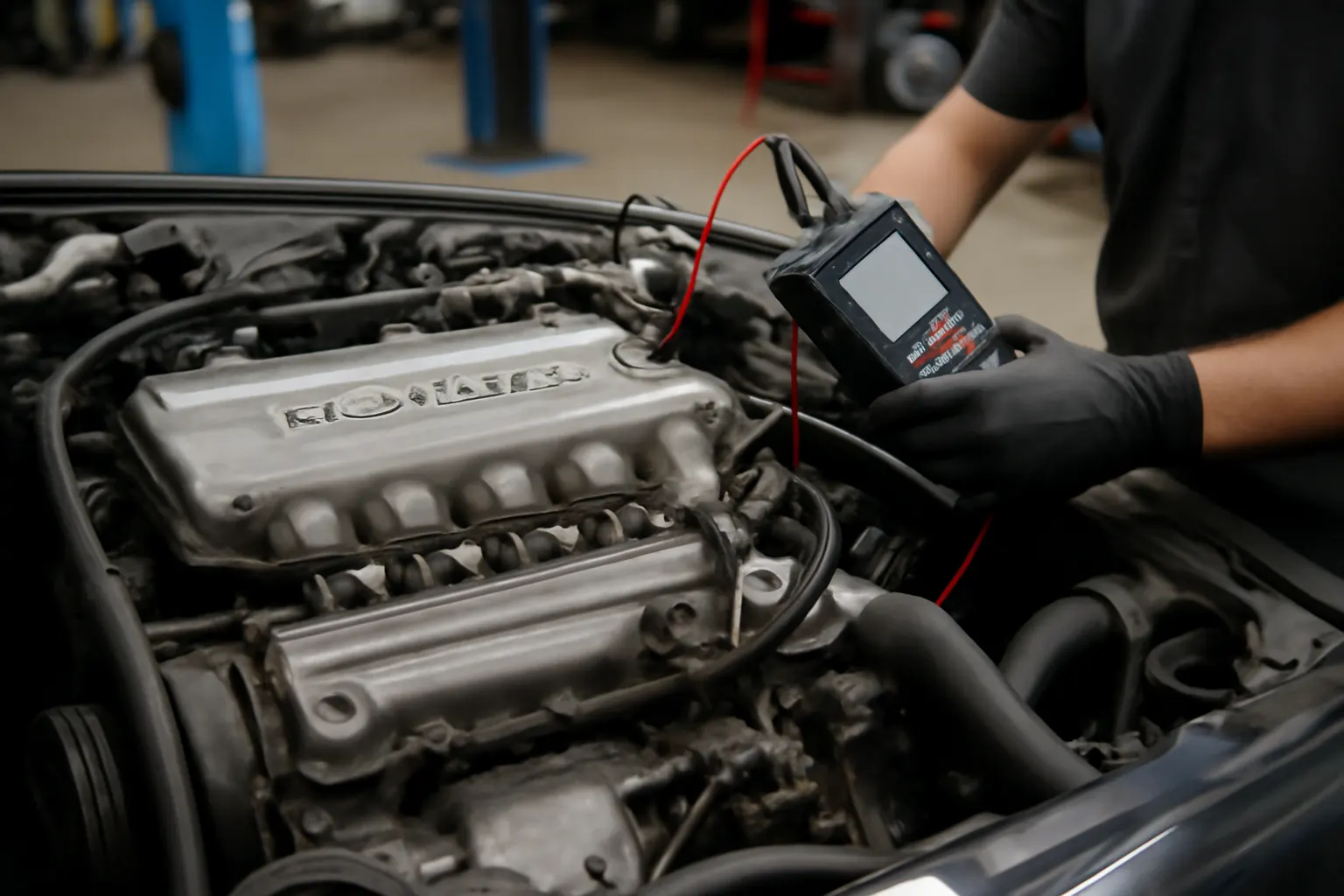
Acura Vigor G25a Engine Guide
The Acura Vigor’s G25A inline-five engine is a unique powerplant that sets this midsize sedan apart from its contemporaries. If you’re an owner, enthusiast, or technician working on a Vigor, understanding the G25A’s distinctive design, common maintenance needs, and sourcing strategies for parts is essential for keeping your vehicle running reliably. This comprehensive guide delivers immediate answers on the G25A’s characteristics, highlights hidden maintenance challenges, and provides actionable, expert-backed solutions for long-term engine health. For broader model-specific information, see the Acura Vigor Parts & Maintenance Guide.
Immediate Answer: What Makes the G25A Engine Unique?
The G25A engine found in the Acura Vigor (1992–1994 USDM) is a 2.5-liter DOHC inline-five—a rare configuration in the automotive world. Unlike the more common inline-four or V6 engines, the inline-five offers a balance between the smoothness of a six-cylinder and the compactness of a four-cylinder. The G25A produces approximately 176 horsepower and 170 lb-ft of torque, delivering spirited performance with a distinctive exhaust note.
Key characteristics:
-
Configuration: Inline-five, DOHC, 20 valves
-
Displacement: 2.5 liters (2451 cc)
-
Fuel System: Multi-port fuel injection
-
Construction: Aluminum head, iron block
-
Notable Features: Balance shaft system, unique firing order (1-2-4-5-3)
The G25A’s engineering offers a blend of efficiency, power, and refinement, but its uniqueness also introduces specific maintenance and sourcing considerations.
Hidden Problem: The Challenges of the G25A’s Rarity
While the G25A’s design provides notable advantages, its rarity in North America poses challenges for owners and technicians. Unlike Honda’s ubiquitous four-cylinder and V6 engines, the inline-five was only used in a handful of models (primarily the Honda/Acura Vigor and Inspire), making certain parts and technical information harder to find.
Common hidden issues include:
- Limited parts interchangeability: Many engine components are unique to the G25A.
- Specialized diagnostics: Some symptoms and failure modes are less familiar to general technicians.
- Aging materials: As the Vigor ages, original components—especially rubber and plastic—are more prone to degradation.
- Fewer aftermarket options: Performance and replacement parts are less widely supported compared to mainstream Honda engines.
Addressing these challenges requires a deeper understanding of the G25A’s construction, maintenance needs, and the best practices for sourcing reliable replacement parts.
G25A Engine Design: Technical Deep Dive
The G25A engine’s architecture reflects Honda’s commitment to innovation during the late 1980s and early 1990s. Here’s what sets it apart technically:
Inline-Five Layout
- Balance: The five-cylinder layout offers a compromise between the inherent balance of an inline-six and the simplicity of an inline-four. Honda’s use of a balance shaft system further reduces vibration.
- Compactness: The G25A’s design allows it to fit transversely in the Vigor’s front-wheel-drive chassis, optimizing cabin space without sacrificing engine length.
DOHC, 20-Valve Head
- Performance: The dual overhead camshaft (DOHC) design and four valves per cylinder (plus an additional fifth cylinder) enhance breathing, contributing to higher-revving capability and more efficient combustion.
- Materials: The aluminum cylinder head and iron block combine lightweight construction with durability, in line with modern automotive materials technology see: DOE Materials Technologies.
Fuel and Ignition System
- MPFI: Multi-point fuel injection ensures precise fuel delivery, promoting both performance and fuel economy see: DOE Fuel Efficiency.
- Distributor Ignition: The ignition system uses a conventional distributor, which, while reliable, can be a point of maintenance as components age.
Timing System
- Belt-Driven: The G25A uses a timing belt-driven valvetrain, requiring periodic replacement to avoid catastrophic engine damage.
Understanding these technical aspects is fundamental for effective diagnostics, maintenance, and repairs.
Common G25A Engine Issues and Warning Signs
Despite Honda’s reputation for reliability, the G25A is now a decades-old engine, and certain issues are commonly reported by Vigor owners:
1. Oil Leaks
- Valve Cover Gasket: Aging gaskets are prone to seepage, especially around the rear of the engine.
- Cam and Crank Seals: These seals harden over time, leading to oil leaks that can contaminate the timing belt.
2. Timing Belt Degradation
- Wear Interval: The timing belt should be replaced every 90,000 miles or 7 years, whichever comes first.
- Symptoms: Ticking noises, engine misfire, or catastrophic failure if the belt breaks.
3. Ignition System Failures
- Distributor Cap/Rotor: Moisture ingress and wear can cause misfires, hard starting, or stalling.
- Ignition Coil: Age-related failure can result in weak spark or no-start conditions.
4. Cooling System Weaknesses
- Radiator and Hoses: Plastic end tanks and rubber hoses become brittle, risking leaks and overheating.
- Water Pump: Often replaced with the timing belt; failure can cause overheating and severe engine damage.
5. Fuel Injector Wear
- Symptoms: Rough idle, poor acceleration, increased fuel consumption.
6. Sensor and Electronics Aging
- Oxygen Sensor: A failing O2 sensor can degrade fuel economy and emissions.
- Engine Control Unit (ECU): Capacitor failure is possible in high-mileage vehicles.
Recognizing these issues early is key to maintaining reliability and avoiding costly repairs.
G25A Engine Maintenance Checklist
Routine and preventive maintenance is the best way to ensure the G25A’s longevity. Use this checklist as a guideline for regular service intervals and inspections:
| Task | Interval/Notes |
|---|---|
| Engine Oil & Filter Change | Every 3,000–5,000 miles or 6 months |
| Timing Belt & Water Pump | Every 90,000 miles or 7 years |
| Valve Adjustment | Every 30,000 miles (inspect/adjust) |
| Spark Plugs | Every 30,000 miles |
| Distributor Cap & Rotor | Every 60,000 miles or as needed |
| Drive Belts | Inspect every 15,000 miles |
| Coolant Flush | Every 2 years or 30,000 miles |
| Fuel Filter | Every 60,000 miles |
| Air Filter | Inspect every 15,000 miles, replace as needed |
| PCV Valve | Inspect/replace every 30,000 miles |
| Oxygen Sensor | Every 90,000 miles or as needed |
| Inspect Engine Mounts | Every 30,000 miles |
Tip: Always use OEM or high-quality aftermarket parts to maintain the G25A’s performance and reliability.
Diagnostic Strategies for G25A-Specific Problems
The G25A’s unique configuration can make diagnostics tricky for those unfamiliar with its quirks. Here’s how to approach common issues:
Engine Misfire
- Step 1: Check for spark at all five cylinders. Use a timing light or spark tester.
- Step 2: Inspect distributor cap and rotor for cracks or carbon tracking.
- Step 3: Test ignition coil resistance and output.
- Step 4: Perform a compression test to rule out mechanical issues.
Oil Leaks
- Step 1: Clean the engine, then inspect after a short drive to pinpoint leaks.
- Step 2: Pay close attention to the valve cover gasket, cam seals, and oil pan gasket.
- Step 3: Use UV dye if leaks remain hard to spot.
Overheating
- Step 1: Check coolant level and radiator cap condition.
- Step 2: Inspect radiator for blockages or leaks.
- Step 3: Test thermostat and water pump function.
Fuel System Issues
- Step 1: Listen for injector clicking with a mechanic’s stethoscope.
- Step 2: Perform a fuel pressure test.
- Step 3: Scan for ECU codes (using a jumper wire and reading the check engine light flashes, as per Honda’s OBD1 protocol).
Documenting findings and following a systematic approach ensures accurate diagnosis and minimizes unnecessary part replacement.
Sourcing G25A Engine Parts: What You Need to Know
Given the limited production run of the G25A, sourcing correct replacement parts is critical. Here are best practices:
OEM vs. Aftermarket
- OEM Parts: Preferred for critical engine internals (timing belt, water pump, gaskets, sensors).
- Aftermarket: Acceptable for maintenance items (filters, spark plugs), but ensure brand quality.
Cross-Referencing Part Numbers
- Some G25A engine parts are shared with other Honda models (like certain sensors or ignition components), but many are unique. Always cross-reference part numbers before ordering.
Reliable Suppliers
- Use reputable online retailers, Honda/Acura dealerships, or specialty importers.
- Avoid generic parts stores for engine-specific components.
Salvage and Used Parts
- For rare or discontinued parts, consider reputable salvage yards or Honda enthusiast forums. Inspect used parts carefully for wear or damage.
For a detailed overview of compatible parts and cross-model fitment, see our Acura Vigor Vs Accord Legend Parts guide.
Installation Tips and Precautions
Proper installation is essential to avoid repeat failures or new problems. Here are some expert tips:
Timing Belt Replacement
- Align Marks Carefully: The G25A’s timing marks must be perfectly aligned to avoid bent valves.
- Replace Tensioner and Seals: Always replace the timing belt tensioner, cam, and crank seals during the job.
- Water Pump: Replace concurrently, as failure can destroy the new belt.
Gasket and Seal Installation
- Surface Prep: Clean all mating surfaces thoroughly.
- Torque Specs: Use a torque wrench and follow manufacturer specifications to avoid warping.
Ignition System
- Distributor: When replacing the cap/rotor, mark the position of the distributor to preserve ignition timing.
- Plug Gap: Use the correct spark plug gap as specified in the service manual.
Cooling System
- Bleed Air: After coolant service, bleed the cooling system to prevent air pockets and overheating.
Attention to detail during installation preserves engine integrity and performance.
Engine Performance and Fuel Efficiency Optimization
Maintaining peak performance and fuel efficiency in the G25A requires more than just routine service:
Fuel System Maintenance
- Keep injectors clean—use quality fuel and consider periodic injector cleaning.
- Replace fuel filters on schedule to maintain pressure and flow.
Air Intake and Exhaust
- Ensure the air filter is clean and the intake tract is free from leaks.
- Inspect exhaust for leaks, as unmetered air can affect oxygen sensor readings and fuel economy.
Sensor Health
- A faulty oxygen sensor can cause rich or lean running, harming both performance and efficiency see: DOE Fuel Efficiency.
- Replace sensors at recommended intervals or if diagnostic codes indicate failure.
Engine Tuning
- Valve adjustment ensures optimal breathing and power.
- Keep ignition timing within specifications for best power and economy.
Following these steps will help retain the Vigor’s original spirited character while keeping running costs in check.
Engine Longevity: How to Keep Your G25A Running Past 200k Miles
With attentive care, the G25A can deliver reliable service well past 200,000 miles. Here’s how seasoned owners extend engine life:
- Consistent Oil Changes: Use high-quality oil and filters, change frequently.
- Monitor Fluids: Check coolant and oil levels regularly.
- Address Leaks Promptly: Fix even minor leaks to avoid compounding damage.
- Listen for Changes: Unusual noises or vibrations should be investigated early.
- Keep It Cool: Overheating is the enemy—ensure the cooling system is always in top shape.
Proactive care is the best insurance for long-term reliability.
Safety and Compliance Considerations
Engine health is not just about performance—it’s also about safety and regulatory compliance:
- Engine Mounts: Worn mounts can cause excessive movement, risking damage to wiring and hoses, and affecting vehicle handling.
- Emissions Equipment: Ensure all emissions controls (EGR, O2 sensor, catalytic converter) are functioning to remain compliant with local laws.
- Recalls and Service Bulletins: Always check for outstanding recalls or technical service bulletins relevant to the Vigor’s engine and related systems see: NHTSA Vehicle Safety and Equipment.
Regular safety inspections are critical for peace of mind and legal operation.
G25A Engine Upgrades and Performance Modifications
While the G25A was never a mainstream performance engine, there are a few paths for owners seeking extra power or refinement:
- Intake and Exhaust: Upgrading to a freer-flowing intake and exhaust can yield modest gains.
- ECU Tuning: Limited options exist, but custom tuning can optimize performance for modern fuels.
- Suspension and Braking: Enhancements here can better handle the G25A’s power delivery. See our Acura Vigor Suspension Refresh for more.
Note: Aftermarket support is limited, and modifications may reduce reliability or parts compatibility.
When to Seek Professional Help
DIY maintenance is rewarding, but some G25A jobs are best left to professionals:
- Timing Belt Service: Mistakes can be catastrophic—consider a Honda/Acura specialist.
- Internal Repairs: Head gasket, piston rings, or valve jobs require specialized tools and knowledge.
- Diagnostics: Persistent or unusual issues may require advanced diagnostic equipment.
A qualified technician familiar with the G25A can save time, money, and frustration.
AutoPartEx: Your Partner in Acura Vigor Engine Care
At AutoPartEx, we understand the challenges of maintaining rare and unique engines like the G25A. Our curated parts catalog, technical guides, and expert support empower Acura Vigor owners and technicians to keep these vehicles on the road. Whether you need hard-to-find engine components, diagnostic advice, or step-by-step repair instructions, AutoPartEx is your trusted resource.
Explore our full range of Acura Vigor Parts & Maintenance Guide and connect with specialists who know the G25A inside and out. For electrical troubleshooting, see our Acura Vigor Electrical Diagnostics.
Conclusion
The Acura Vigor’s G25A engine is an engineering gem—distinctive, smooth, and rewarding to drive. Its rarity demands careful maintenance, informed diagnostics, and strategic sourcing of parts. By following the expert-backed guidance in this comprehensive engine guide, you can ensure your Vigor delivers reliable performance for years to come. Whether you’re a DIYer or working with a professional, attention to detail and the right resources make all the difference.