
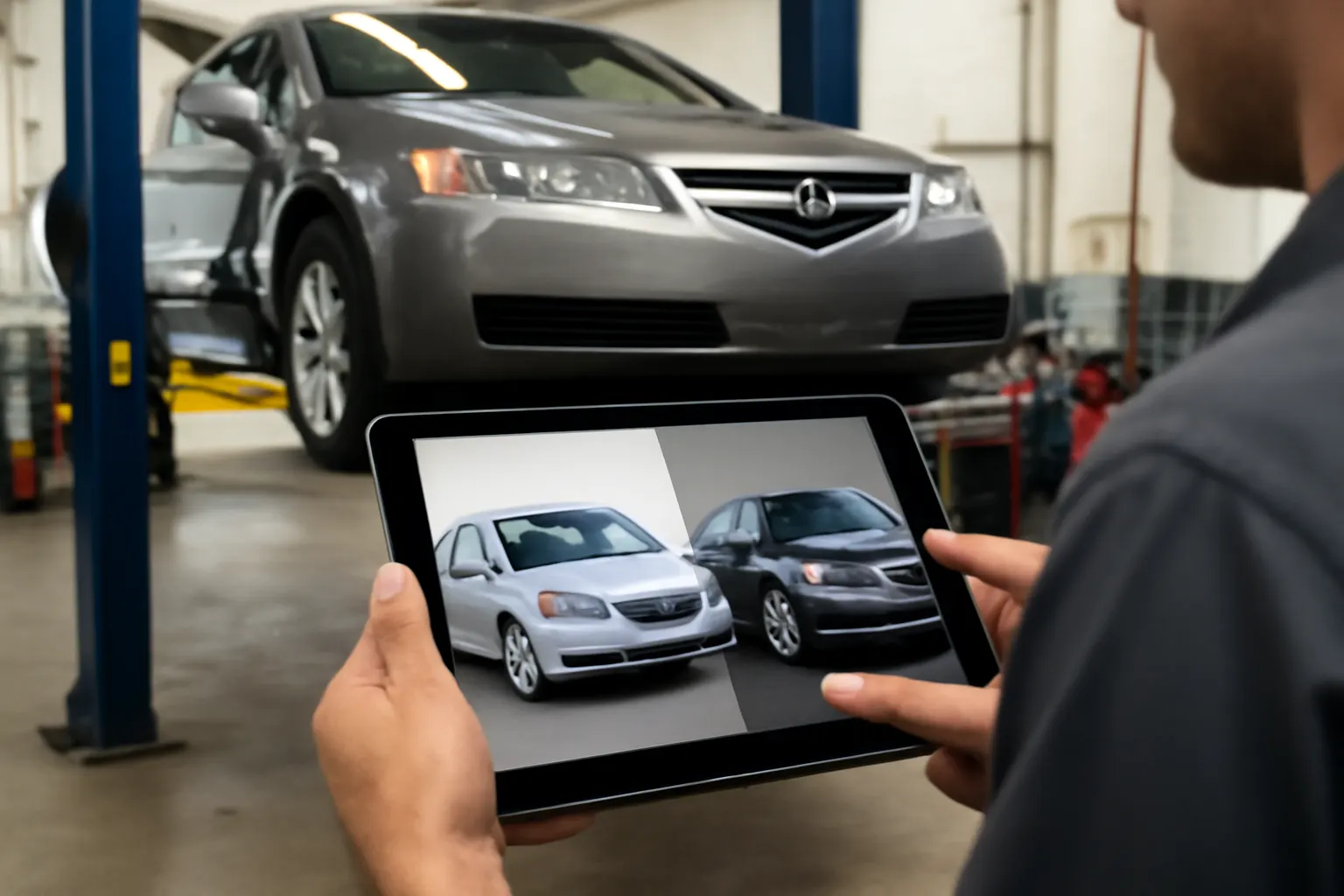
Acura Tl Generational Differences
Understanding the differences between Acura TL generations is critical for choosing the right auto parts, especially when distinguishing between front-wheel drive (FWD) and Super Handling All-Wheel Drive (SH-AWD) models. This in-depth guide explains how to identify each TL generation, why accurate identification matters, and how to ensure correct parts fitment for reliable performance and safety. If you need model-specific parts or maintenance guidance, you’ll find direct access to Acura TL Auto Parts & Model-Specific Service Guidance throughout this article.
Immediate Answer: How to Distinguish Acura TL Generations for Parts Fitment
Acura TLs span four distinct generations (1996–2014), each with unique design, drivetrain, and parts compatibility requirements. To ensure correct parts fitment:
- Identify your TL’s generation using model year, VIN, and drivetrain (FWD vs. SH-AWD)
- Verify engine type and transmission configuration
- Check for generation-specific features such as body style, suspension, and brake system
- Cross-reference part numbers with your generation and sub-model
This approach ensures you select components—like brakes, suspension, and drivetrain parts—that fit and function as intended for your specific Acura TL.
Hidden Problem: Why Generational Differences Cause Parts Confusion
Many Acura TL owners and even some technicians underestimate how drastically the model evolved across its four generations. Superficially similar TLs from different years or trims may have incompatible components. SH-AWD models, for instance, use unique driveline, suspension, and brake parts not shared with FWD versions. Overlooking these differences can result in:
- Incorrect part orders and costly returns
- Poor fitment leading to safety or drivability issues
- Missed recall or safety bulletin applicability
Without a precise understanding of TL generational changes, you risk wasting time and money—and potentially compromising vehicle safety and performance.
Acura TL Generational Overview: Model Years and Key Changes
Let’s break down the four Acura TL generations, focusing on model years, design shifts, and key technical distinctions:
First Generation (UA1/UA2; 1996–1998)
- Body Style: Mid-size 4-door sedan
- Drivetrain: FWD only
- Engines: 2.5L I5 (TL 2.5), 3.2L V6 (TL 3.2)
- Notable: Launched as a replacement for the Acura Vigor; basic features, OBD-II introduction
Second Generation (UA4/UA5; 1999–2003)
- Body Style: Mid-size 4-door sedan
- Drivetrain: FWD only
- Engines: 3.2L V6 (J32A1, J32A2 in Type-S)
- Notable: More refined styling, introduction of Type-S performance trim, updated electronics and safety features
Third Generation (UA6/UA7; 2004–2008)
- Body Style: Larger, more angular 4-door sedan
- Drivetrain: FWD standard; SH-AWD not yet available
- Engines: 3.2L V6 (J32A3), 3.5L V6 (J35A8 in Type-S, 2007–2008)
- Notable: Significant tech upgrades, improved chassis, Type-S returns with more power
Fourth Generation (UA8/UA9; 2009–2014)
- Body Style: Largest TL, aggressive design, 4-door sedan
- Drivetrain: FWD (UA8) and SH-AWD (UA9) both available
- Engines: 3.5L V6 (J35Z6, FWD), 3.7L V6 (J37A4, SH-AWD)
- Notable: SH-AWD system introduced, unique suspension/brakes for SH-AWD, tech and safety upgrades
Key takeaway: The 2009–2014 SH-AWD (UA9) is the only TL with factory AWD. FWD and SH-AWD use different engines, transmissions, and many chassis components.
The Importance of Accurate Generation and Drivetrain Identification
Why does this matter for parts fitment? Acura TLs are frequently misidentified by year or trim alone, but:
- Engine, transmission, and drivetrain differences lead to incompatible parts (e.g., axles, brake rotors, control arms)
- Chassis and body changes affect suspension, exterior, and interior parts
- Safety equipment upgrades (e.g., ABS, airbags) are generation-specific and impact replacement compatibility
For example, a 2008 TL Type-S and a 2009 TL SH-AWD appear similar but share few mechanical parts. Using the wrong generation or drivetrain as your reference can result in fitment failures that compromise performance and safety (NHTSA Equipment).
How to Identify Your Acura TL Generation and Drivetrain
Correctly identifying your TL’s generation and drivetrain is the first step in sourcing the right parts. Here’s a practical checklist:
Acura TL Identification Checklist
-
Model Year
- 1996–1998: 1st Gen
- 1999–2003: 2nd Gen
- 2004–2008: 3rd Gen
- 2009–2014: 4th Gen
-
VIN Analysis
- 10th digit = model year
- 4th–6th digits = model code (UA1, UA2, UA4, UA5, UA6, UA7, UA8, UA9)
-
Drivetrain
- FWD only: 1996–2008
- FWD or SH-AWD: 2009–2014
-
Engine Type
- 2.5L I5: Only 1996–1998
- 3.2L V6: 1996–2008 (with variations)
- 3.5L V6: 2007–2014 (FWD or Type-S)
- 3.7L V6: 2009–2014 SH-AWD only
-
Transmission
- 4/5-speed auto: 1996–2003
- 5/6-speed auto or 6-speed manual (Type-S/SH-AWD): 2004–2014
-
Visual Cues
- 2009–2014 SH-AWD: Quad exhaust, unique wheels, larger brakes
- Type-S: Badging, sportier trim, larger front brakes
Common Fitment Pitfalls: FWD vs. SH-AWD Parts
The most frequent Acura TL parts compatibility errors occur between FWD and SH-AWD models, especially in the fourth generation (2009–2014):
- Brakes: SH-AWD uses larger rotors/calipers. FWD rotors/calipers will not fit SH-AWD hubs.
- Suspension: SH-AWD features unique control arms, knuckles, and bushings; FWD and SH-AWD are not interchangeable.
- Axles and Driveline: SH-AWD axles and transfer case are exclusive; FWD axles will not work.
- Exhaust: SH-AWD has a different routing and rear section.
- Wheels: SH-AWD often requires larger diameter wheels for brake clearance.
Always double-check the drivetrain before ordering any undercarriage, drivetrain, or brake components.
Generation-Specific Parts: Examples and Critical Differences
Let’s explore real-world examples of generation-specific parts that often cause confusion:
Brake Components
- 3rd Gen (2004–2008):
- Standard TL and Type-S use different front rotors, calipers, and pads.
- 4th Gen (2009–2014):
- FWD and SH-AWD have different rotor diameters, pad shapes, and caliper mounting brackets.
Suspension and Steering
- SH-AWD (2009–2014):
- Features a rear multi-link setup unique to this model; FWD bushings and arms will not fit.
- Type-S (2007–2008):
- Sport-tuned suspension, thicker sway bars, unique dampers.
Engine and Transmission Mounts
- 2.5L I5 (1996–1998):
- Mounts differ from all V6 models.
- J37 V6 (SH-AWD):
- Uses reinforced mounts to handle added power and AWD torque loads.
Electronics and Sensors
- ABS, VSA, and TPMS:
- Systems updated nearly every generation; sensors and modules are not cross-compatible.
Diagnosing and Avoiding Parts Compatibility Issues
Incorrect parts installation can lead to drivability, safety, and reliability problems. Here’s how to diagnose and avoid common mistakes:
- Physical Comparison:
- Before installation, compare new parts side-by-side with removed components for size, mounting points, and connector compatibility.
- Check Part Numbers:
- Use OEM part numbers and cross-reference with your VIN and generation.
- Consult Service Manuals:
- Reference Acura’s official service and parts guides for your specific year and trim.
- Ask the Supplier:
- When in doubt, contact your parts supplier with your VIN and drivetrain details.
If you encounter issues like brake pads not fitting the caliper, sensors triggering error lights, or suspension components not bolting up, recheck your generation and submodel. Many problems stem from assuming FWD and SH-AWD (or Type-S and base) use the same parts—they do not.
Safety, Recalls, and Regulatory Considerations
Generational changes often correspond with critical safety improvements, recalls, and updated equipment. The National Highway Traffic Safety Administration (NHTSA) regularly issues generation- and submodel-specific recalls (NHTSA Recalls). For example:
- Airbag recalls: May apply only to certain generations or VIN ranges.
- Brake system recalls: SH-AWD and FWD may have different campaigns.
- Electronics/software updates: Often tied to generation-specific modules.
Always check for open recalls before performing repairs or ordering parts. This ensures you install updated, compliant components and maintain regulatory safety standards (NHTSA Equipment).
Fuel Efficiency and Powertrain Evolution Across Generations
Each TL generation introduced advancements in fuel efficiency and powertrain technology (DOE Fuel Efficiency):
- Early TLs (1996–2003): Modest fuel economy, conventional automatic transmissions.
- 2004–2008: Improved V6 efficiency, 6-speed manual available, better aerodynamics.
- 2009–2014: Variable Cylinder Management (VCM) on FWD, SH-AWD for improved traction and handling. 3.7L V6 offers more power but slightly lower MPG than FWD.
Selecting the correct parts—especially for the engine, transmission, and emissions systems—ensures you maintain factory fuel efficiency and emissions compliance.
Sourcing Acura TL Parts: Best Practices
When buying parts for your Acura TL, always:
- Use your VIN and model year as primary identifiers
- Specify FWD or SH-AWD when ordering drivetrain, suspension, or brake parts
- Cross-check part numbers with reputable suppliers and OEM databases
- Prefer trusted sources with accurate fitment data
For further guidance on compatibility, see Parts Compatibility Acura Tl.
Maintenance and Service Intervals: Generation-Specific Differences
Maintenance schedules and service procedures also evolved across TL generations. For example:
- Transmission fluid intervals: Earlier automatics (1999–2003) are more prone to failure and require more frequent fluid changes.
- Timing belt vs. chain: All TL V6 engines use timing belts; 2.5L I5 uses a belt as well, but interval and procedure differ.
- Spark plug and ignition system: Coil-on-plug introduced, intervals extended in later generations.
- Brake fluid and power steering: SH-AWD models may require more frequent checks due to higher performance loads.
Always consult your owner’s manual and supplement with Acura Tl Maintenance Intervals to match your generation’s requirements.
Troubleshooting Common Acura TL Problems by Generation
Each TL generation has known issues that may affect which parts you’ll need:
- 1st/2nd Gen: Transmission failures, EGR valve issues, ignition switch recalls.
- 3rd Gen: Power steering leaks, navigation screen failure, Bluetooth module drain.
- 4th Gen: SH-AWD driveshaft vibration, premature brake wear, VCM-related oil consumption.
Diagnose issues with generation and submodel in mind. For a deeper dive, see Acura Tl Common Problems.
AutoPartEx: Your Partner for Acura TL Parts and Expertise
At AutoPartEx, we understand the importance of precise fitment and expert guidance for Acura TL owners. Our catalog is organized by model year, generation, and drivetrain—making it easy to find the right parts, whether you drive a first-gen TL or a late-model SH-AWD. We support DIYers and professional technicians with technical advice, compatibility checks, and up-to-date recall information.
Explore our curated selection and model-specific resources at Acura TL Auto Parts & Model-Specific Service Guidance to maximize the safety, performance, and longevity of your TL.
Expert Action: Steps to Ensure the Right Acura TL Parts Every Time
- Confirm your TL’s generation, engine, and drivetrain using VIN and visual cues
- Double-check part numbers and compatibility with your supplier
- Order from reputable sources that specify generation and FWD/SH-AWD differences
- Use the correct service intervals and procedures for your generation
- Monitor for recalls and technical service bulletins before repairs
By following these steps, you’ll avoid common pitfalls, ensure safety and performance, and keep your Acura TL running at its best.