
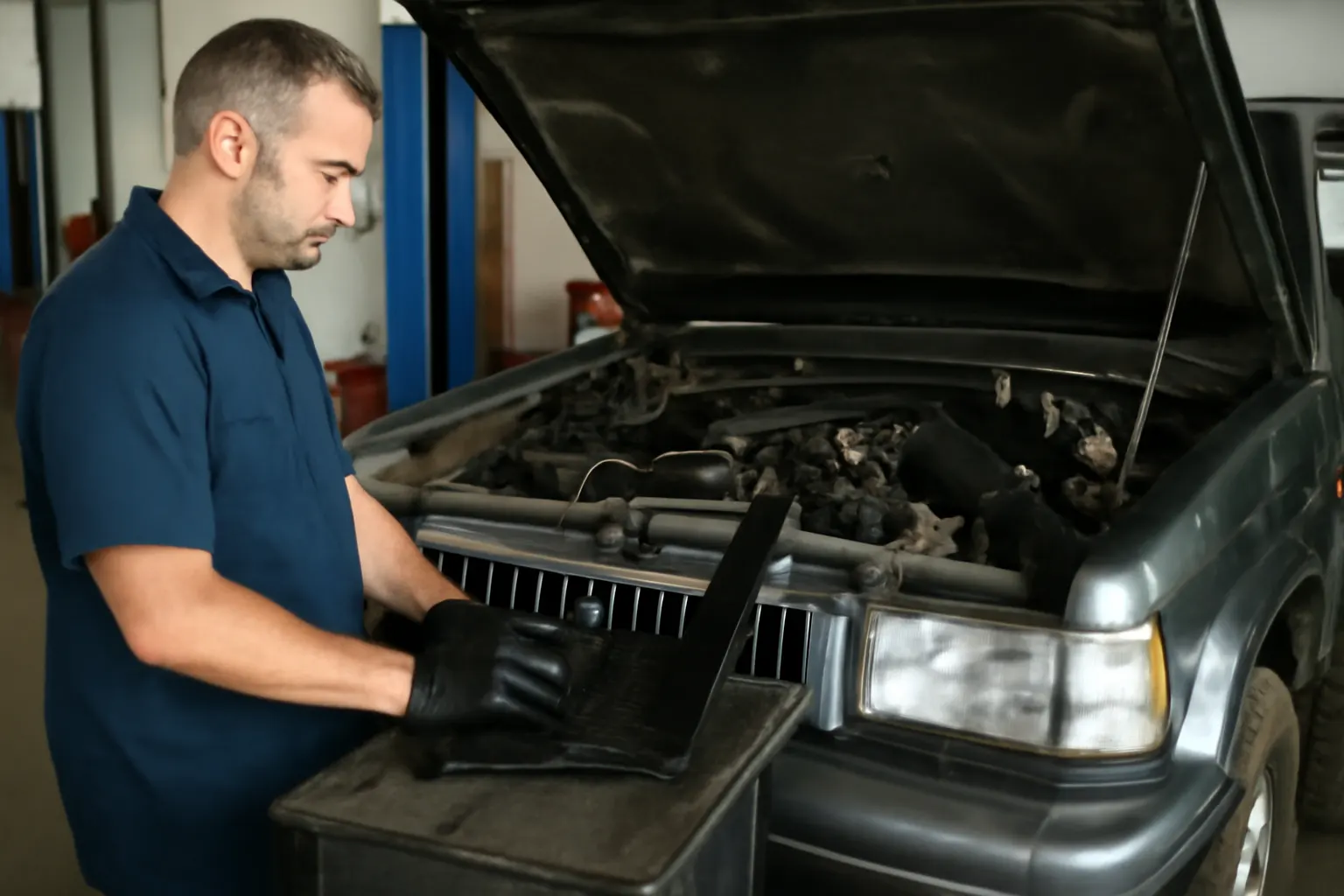
Acura Slx Maintenance Article
Proper maintenance is the cornerstone of reliable performance and long-term value for your Acura SLX. This comprehensive guide delivers the essential service intervals, drivetrain care protocols, and troubleshooting strategies that every SLX owner needs. Whether you're a DIY enthusiast or rely on professional service, you'll learn how to address the most common issues and keep your Acura SLX running smoothly. For model-specific parts, fitment data, and deeper technical resources, visit the Acura SLX Parts & Model Technical Resource | AutoPartEx page.
Immediate Answer: Key Acura SLX Maintenance Tasks
The Acura SLX, known for its robust SUV platform and reliable drivetrain, demands regular maintenance to ensure safety, efficiency, and longevity. The most critical tasks include:
- Engine oil and filter changes every 3,000–5,000 miles
- Transmission and differential fluid checks every 30,000–60,000 miles
- Timing belt and water pump replacement every 60,000–100,000 miles
- Brake system inspection and fluid flush every 24,000–36,000 miles
- Suspension and steering component inspection each service interval
- Routine inspection for recall-related issues
Neglecting any of these can lead to costly repairs and compromise vehicle safety or performance.
The Hidden Problem: Overlooked Maintenance Risks
Many Acura SLX owners are unaware of how quickly deferred maintenance can escalate into major mechanical or safety failures. The SLX’s design—while inherently durable—relies on regular care to prevent:
- Premature drivetrain wear
- Reduced fuel economy and emissions performance
- Critical brake or steering failures
- Undetected recall-related hazards
Even minor lapses in maintenance can create compounding issues. For example, missed transmission fluid changes can lead to internal gear wear, while unaddressed recalls may leave your vehicle vulnerable to known defects (NHTSA Recalls).
Service Intervals: Acura SLX Maintenance Schedule
A well-defined maintenance schedule is your best defense against unexpected breakdowns. The following chart provides a baseline for Acura SLX service intervals. Always consult your owner's manual and adapt based on driving conditions.
| Service Item | Interval (Miles) | Notes |
|---|---|---|
| Engine Oil & Filter | 3,000–5,000 | Use recommended viscosity |
| Air Filter | 15,000–30,000 | Inspect more frequently in dusty areas |
| Transmission Fluid | 30,000–60,000 | Use OEM or compatible fluid |
| Differential Fluid | 30,000–60,000 | Essential for 4WD/All-Wheel Drive |
| Spark Plugs | 30,000–60,000 | Platinum/Iridium recommended |
| Timing Belt & Water Pump | 60,000–100,000 | Replace together |
| Brake Fluid | 24,000–36,000 | Flush system |
| Coolant | 30,000–50,000 | Use recommended coolant type |
| Suspension & Steering | Every service interval | Inspect for wear/play |
| Tire Rotation & Balance | 6,000–8,000 | Maintain even wear |
Checklist:
- Keep a log of all maintenance and repairs
- Use only high-quality, compatible parts
- Regularly check for recalls at NHTSA Recalls
Drivetrain Care: Engine, Transmission, and Differential
Engine Oil & Filter
The SLX’s V6 engine relies on clean, high-quality oil for lubrication and temperature control. Use the manufacturer’s recommended viscosity and change the oil every 3,000–5,000 miles, especially if driving in severe conditions. Always replace the oil filter with each oil change.
Transmission Maintenance
Transmission fluid degrades over time, especially under heavy loads or frequent stop-and-go driving. For automatic models, use only the specified ATF and replace it every 30,000–60,000 miles. Manual transmissions require gear oil checks and changes at similar intervals. Failure to maintain transmission fluids can result in hard shifting or premature failure.
Differential Fluid
Both front and rear differentials in 4WD models require periodic fluid changes. Use the correct grade and specification, and inspect for leaks at every oil change. Neglected differential maintenance can lead to noisy operation and eventual gear damage.
Brake System: Safety and Performance
Inspection and Service
The SLX’s brake system is a critical safety component. Inspect pads, rotors, and calipers at every oil change. Replace brake pads when thickness is below the manufacturer’s minimum, and resurface or replace rotors if warped or excessively worn.
Brake Fluid Flush
Brake fluid absorbs moisture over time, reducing braking efficiency and corroding internal components. Flush the system every 24,000–36,000 miles, or sooner if fluid appears dark or contaminated. Use only DOT-rated fluid as specified in your owner’s manual.
Common Brake Issues
- Soft pedal: Often due to air in the lines or worn master cylinder seals.
- Pulsation: Usually indicates warped rotors.
- Grinding noises: Metal-on-metal contact from worn pads.
Suspension and Steering: Ride Quality and Control
Inspection Points
The SLX’s suspension is designed for both on-road comfort and off-road capability. Key points to inspect:
- Ball joints: Check for play or torn boots.
- Control arms and bushings: Look for cracking or excessive movement.
- Tie rods and steering linkage: Test for looseness or wear.
Shock Absorbers and Springs
Worn shocks or springs can cause poor ride quality, excessive body roll, and uneven tire wear. Inspect for leaks or sagging, and replace as needed—typically every 60,000–100,000 miles depending on use.
Fuel System and Efficiency
Air and Fuel Filters
A clogged air filter restricts airflow, reducing power and fuel economy. Replace every 15,000–30,000 miles. The fuel filter should also be replaced at recommended intervals to prevent injector clogging and fuel pump strain.
Fuel Injector Cleaning
Dirty injectors can cause rough idle, hesitation, and poor fuel economy. Consider professional injector cleaning every 60,000 miles or if symptoms appear.
Maximizing Fuel Efficiency
- Maintain proper tire pressure
- Use recommended engine oil viscosity
- Address check engine lights promptly
For more on fuel-saving strategies, see the DOE’s Fuel Efficiency page.
Timing Belt and Cooling System
Timing Belt Service
The SLX’s V6 is an interference engine, meaning timing belt failure can result in catastrophic engine damage. Replace the timing belt and water pump every 60,000–100,000 miles. Always replace tensioners and idler pulleys at the same time.
Coolant Maintenance
Use the correct type of coolant and flush the system every 30,000–50,000 miles. Overheating is a common issue if the cooling system is neglected, leading to head gasket failure or warped cylinder heads.
Electrical System: Battery, Charging, and Common Issues
Battery Care
Inspect battery terminals for corrosion at every oil change. Test battery voltage and charging system annually, or if slow cranking is observed. Replace the battery every 4–5 years.
Alternator and Starter
Listen for slow starts or dimming lights, which may indicate alternator or starter issues. Test these components if symptoms arise.
Lighting and Electronics
Check all exterior and interior lights regularly. Replace bulbs as needed and inspect fuses if multiple lights fail simultaneously.
Recalls and Safety Inspections
Staying Ahead of Recalls
The Acura SLX has been subject to various recalls over its production run, covering items such as airbags, seat belts, and brake system components. Regularly check your VIN at NHTSA Recalls to ensure your vehicle has been updated.
Safety Equipment Checks
Inspect seat belts, airbags (if equipped), and child safety features. The NHTSA’s equipment portal offers guidance on evaluating these systems.
Troubleshooting Recurring Issues
Common SLX Problems
- Hard starting or rough idle: Often due to dirty injectors or failing sensors.
- Transmission slipping: Low or old transmission fluid, or worn clutch packs.
- 4WD engagement problems: Sticking actuators or low differential fluid.
- Electrical gremlins: Poor ground connections or aging relays.
Diagnostic Process
- Scan for codes: Use an OBD-II scanner for 1996+ models.
- Visual inspection: Check wiring, connectors, and fluid levels.
- Functional tests: Operate all systems and note abnormal behavior.
If issues persist, consult a qualified technician familiar with Acura SLX systems.
Sourcing Quality Parts and Fitment Guidance
Choosing the Right Parts
Always use OEM (Original Equipment Manufacturer) or high-quality aftermarket parts that meet or exceed SAE standards (SAE Standards). Inferior parts can compromise safety and performance.
Fitment Resources
For detailed fitment information, see the Acura Slx Fitment Guide. Cross-reference part numbers and confirm compatibility for your model year and trim.
Where to Buy
AutoPartEx provides a curated selection of Acura SLX-specific parts, with technical support for fitment and installation. Our resources ensure you get the right part the first time.
DIY Maintenance: Tools and Safety
Essential Tools
- Socket set (metric)
- Torque wrench
- Jack and jack stands
- Fluid catch pans
- Brake bleeder kit
- OBD-II scanner
Safety Best Practices
- Always work on a cool engine
- Use wheel chocks and jack stands
- Wear gloves and eye protection
- Dispose of fluids responsibly
Maintenance Checklist: Acura SLX Essentials
Use this checklist at each service interval:
- Change engine oil and filter
- Inspect/replace air and fuel filters
- Check and top off all fluids (transmission, differential, coolant, brake, power steering)
- Inspect brake pads, rotors, and lines
- Rotate and balance tires
- Inspect suspension and steering components
- Test battery and clean terminals
- Check all lights and electrical systems
- Inspect belts and hoses for wear
- Review for open recalls (NHTSA Recalls)
Long-Term Ownership: Preserving Value and Reliability
Documentation
Keep thorough records of all maintenance and repairs. This not only helps in troubleshooting but also enhances resale value.
Preventive Upgrades
Consider upgrading to modern tires, improved brake pads, or enhanced lighting for better safety and performance. Ensure all upgrades comply with safety standards (NHTSA Equipment).
Seasonal Maintenance
- Winter: Test battery, check antifreeze, inspect wipers and heater
- Summer: Inspect cooling system, check A/C operation, monitor tire condition
When to Seek Professional Help
Some Acura SLX maintenance tasks, such as timing belt replacement or advanced diagnostics, are best left to experienced technicians. If you lack specialized tools or encounter unexpected issues, consult a professional with Acura or Isuzu SUV experience.
For persistent problems, or when major drivetrain or safety systems are involved, professional service protects your investment and ensures safety.
AutoPartEx: Your Acura SLX Technical Resource
AutoPartEx stands out as the definitive source for Acura SLX parts, fitment data, and technical guidance. Our editorial team curates the latest maintenance protocols and troubleshooting tips, so you can confidently service your SLX. Explore our Acura SLX Parts & Model Technical Resource | AutoPartEx for comprehensive parts listings and technical documentation. For detailed fitment and comparative parts analysis, see our Acura Slx Vs Trooper Parts editorial.