
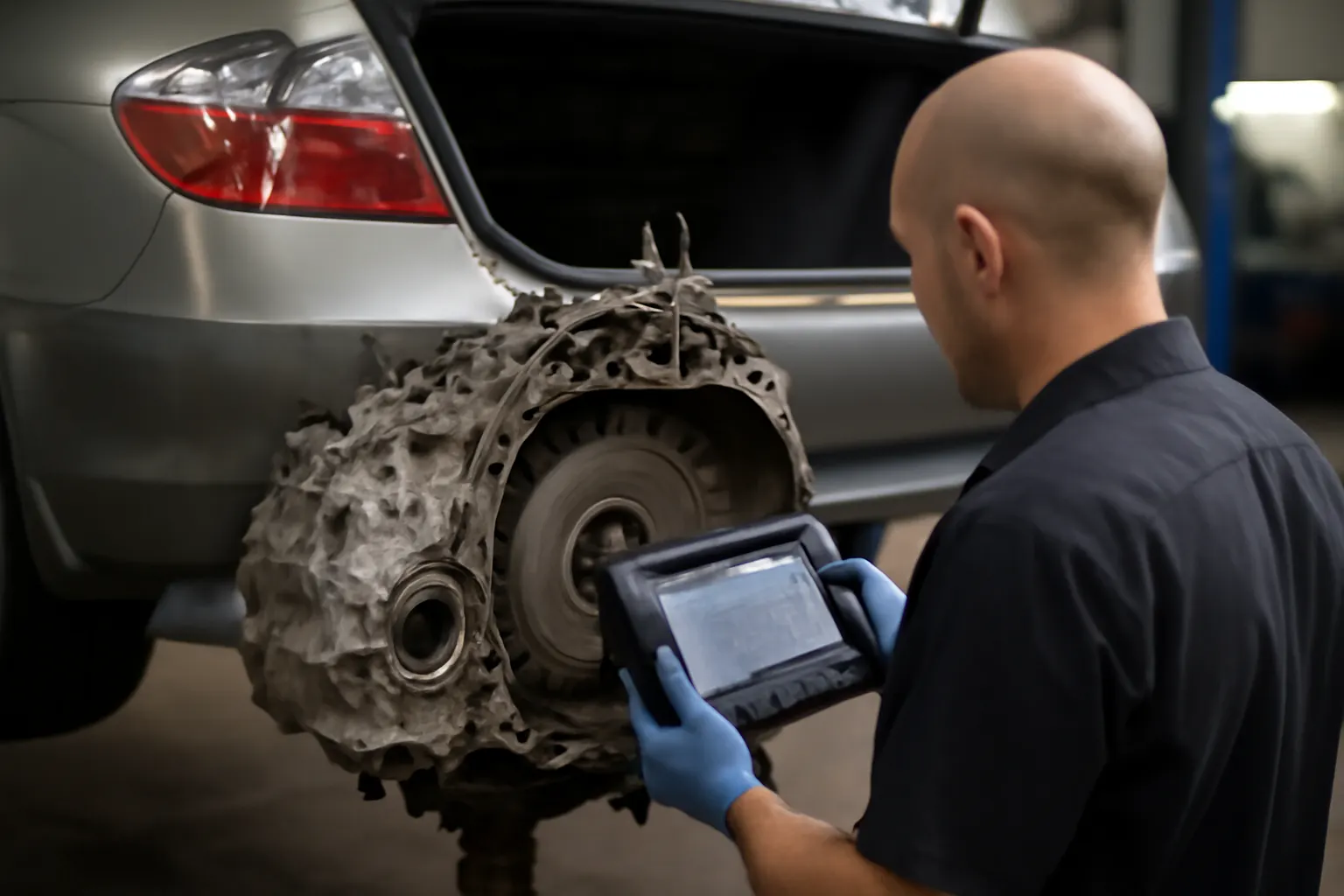
Acura Rl Transmission Field Report
Diagnosing and resolving Acura RL transmission issues is a cornerstone of reliable maintenance for owners and shop professionals alike. This field report delivers practical, data-driven guidance on common Acura RL transmission problems, leveraging real-world shop data, proven diagnostic techniques, and actionable repair paths. Whether you’re a DIYer or a professional technician, this comprehensive report will help you identify, troubleshoot, and resolve transmission challenges efficiently—protecting your investment and restoring peak drivability.
For a full overview of Acura RL component fitment, maintenance schedules, and part sourcing, visit our Acura RL Parts & Model Maintenance Guide.
Rapid Answer: Acura RL Transmission Problems and Shop Solutions
The most common Acura RL transmission problems include delayed shifting, slipping gears, hard engagement, and warning light triggers. These issues typically stem from worn clutch packs, solenoid failure, fluid contamination, or electronic sensor faults. Immediate diagnostic action—using a scan tool, fluid inspection, and road testing—can isolate the root cause. Most repairs involve targeted replacement of solenoids, fluid/filter changes, or, in severe cases, a full transmission rebuild. Shops report that prompt attention to early symptoms prevents more costly failures and ensures long-term reliability.
Hidden Problem: Why Transmission Issues Escalate in the Acura RL
Many Acura RL owners and even some service bays underestimate the complexity of modern automatic transmissions. Delayed action on early symptoms—such as minor shift flares or intermittent warning lights—can quickly snowball into catastrophic internal damage. The RL’s electronically controlled five-speed and six-speed automatics (especially in 2005–2012 models) are precision-engineered, but they’re also sensitive to fluid quality, sensor integrity, and even small electrical faults. Ignoring warning signs or using generic diagnostics often leads to unnecessary part swaps, repeat failures, or undiagnosed drivability complaints.
Expanding the Problem: Acura RL Transmission Failure Patterns
1. Model-Specific Weak Points
Field data and NHTSA safety equipment reports show that Acura RL transmissions from the mid-2000s (KB1 chassis, 2005–2012) are prone to several failure patterns:
- Pressure control solenoid failure: Causes harsh or delayed shifts, often accompanied by DTCs (Diagnostic Trouble Codes) P0740, P0756, or P0780.
- Torque converter clutch (TCC) wear: Results in shuddering at highway speeds and decreased fuel efficiency.
- Internal clutch pack wear: Leads to slipping or incomplete gear engagement.
- Valve body contamination: Causes erratic shifting or limp mode activation.
2. Early Warning Signs
Transmission failure rarely happens overnight. Key early indicators include:
- Fluctuating RPMs during steady throttle
- Delayed or abrupt gear changes
- Check Engine or Transmission warning lights
- Unusual noises (whine, clunk, or grind) on upshifts or downshifts
- Transmission fluid that smells burnt or appears dark/brown
3. Why Problems Are Missed
Shops often misdiagnose RL transmission issues because:
- Generic OBD-II scanners may not retrieve all Honda/Acura-specific transmission codes.
- Fluid condition is checked only visually, not chemically (missing microscopic clutch debris).
- Sensor and solenoid faults are intermittent and may self-clear, hiding the issue until it worsens.
Technical Deep Dive: Acura RL Transmission Design and Vulnerabilities
1. Transmission Architecture
The Acura RL uses electronically controlled automatic transmissions (the BAXA and later 6-speed models), featuring:
- Multiple solenoids for shift, pressure, and lockup control
- Onboard Transmission Control Module (TCM) that communicates with the Engine Control Unit (ECU)
- Integrated valve body with precision-machined channels
- Sintered clutch packs and steel bands
- Fluid cooling circuits with dedicated radiators
2. Common Failure Points
a. Pressure Control Solenoids
Solenoids regulate hydraulic pressure for gear changes. Heat cycling and fluid contamination cause them to stick or fail, resulting in harsh shifts or limp mode.
b. Torque Converter and Clutch Packs
Extended fluid change intervals or low-quality ATF lead to clutch pack glazing and torque converter lockup failures, which create shudder and slippage.
c. Valve Body and Internal Passages
Debris from worn clutches or deteriorated seals can clog the valve body, disrupting fluid flow and causing erratic shifting.
d. TCM and Wiring
Electrical faults—corroded connectors, broken wires, or failing TCM units—can mimic mechanical issues. Accurate diagnosis requires both electronic and mechanical inspection.
Step-by-Step Diagnostic Checklist for Acura RL Transmissions
A systematic approach is essential for accurate diagnosis. Use this checklist for every RL transmission complaint:
Acura RL Transmission Diagnostic Checklist
-
Customer Interview
- Note symptoms: When do they occur (cold/hot, upshift/downshift)?
- Any recent fluid changes or repairs?
-
Visual Inspection
- Check for leaks at pan, cooler lines, and axle seals.
- Inspect wiring harnesses and connectors for corrosion or damage.
-
Fluid Check
- Inspect ATF color, odor, and level (should be pink/red, not brown or burnt).
- If fluid is dark or gritty, collect sample for lab analysis.
-
Scan Tool Diagnostics
- Use Honda/Acura-compatible scan tool to retrieve all TCM/ECU codes.
- Record freeze frame data and note intermittent codes.
-
Road Test
- Monitor shift quality, engagement, and any noises.
- Use scan tool to observe live data (solenoid operation, line pressure).
-
Electrical Testing
- Test resistance of solenoids and wiring harness continuity.
- Inspect ground points and fuses related to TCM.
-
Hydraulic Testing
- If available, measure line pressure with a transmission pressure gauge.
-
Mechanical Inspection (If Needed)
- Drop transmission pan and inspect for debris or excessive clutch material.
-
Reference Technical Service Bulletins (TSBs) and Recalls
- Check for model-specific updates or recall campaigns using NHTSA Recalls.
-
Document Findings
- Record all steps, findings, and recommended actions for the customer or service record.
Shop Data: Real-World Failure Rates and Fixes
1. Most Frequent Repairs
Based on aggregated shop data and parts sales reports, the most common Acura RL transmission repairs include:
- Solenoid replacement (shift/pressure/TCC): 40% of shop-level transmission complaints
- Fluid and filter service: 25%, often resolving minor shift quality issues if caught early
- Valve body cleaning/replacement: 15%, especially for high-mileage vehicles
- Complete transmission rebuild: 10%, usually for ignored or severe failures
- TCM or wiring harness repair: 10%, especially in vehicles with water intrusion or rodent damage
2. Parts Sourcing and Fitment
- OEM vs. Aftermarket: OEM solenoids and filters are recommended for reliability, but high-quality aftermarket kits are available for budget repairs.
- Fitment Note: Always verify part numbers using VIN-specific data—see our Acura RL VIN Decoding guide for precision fitment.
3. Cost and Labor Estimates
- Solenoid replacement: 2–4 hours labor, $250–$600 parts/labor
- Fluid/filter service: 1–2 hours labor, $100–$250 parts/labor
- Valve body: 4–6 hours labor, $600–$1,200 parts/labor
- Rebuild/replacement: 12–20 hours labor, $2,500–$4,000 parts/labor
Fluid Matters: The Role of ATF in RL Transmission Longevity
1. Fluid Degradation and Failure
Acura RL transmissions are highly sensitive to fluid quality. Using non-OEM ATF or extending intervals beyond 30,000–45,000 miles accelerates clutch and solenoid wear. The RL’s internal clutches and valve body passages require precise lubrication and cooling. Fluid that is oxidized, contaminated, or low in volume quickly leads to overheating and internal scoring.
2. Fluid Service Best Practices
- Only use Honda/Acura ATF-Z1 or DW-1 (as specified).
- Never mix ATF types.
- Flush only if fluid is in good condition; otherwise, perform multiple drain-and-fills to prevent dislodging debris.
- Replace the transmission filter whenever possible (not all RL models have a serviceable filter).
3. Shop Tip
If the fluid is dark and the transmission is already slipping, a full flush may worsen the problem by releasing debris. In these cases, limit service to a gentle drain-and-fill and prepare for possible internal repairs.
Electronic Controls: Diagnosing TCM and Sensor Faults
1. TCM (Transmission Control Module) Failures
The TCM manages shift timing, line pressure, and torque converter lockup. Symptoms of TCM failure include:
- Erratic shifting not explained by mechanical wear
- Inconsistent DTCs that clear and return randomly
- Loss of all forward or reverse gears (rare but possible)
2. Sensor Issues
Input/output speed sensors, temperature sensors, and range switches can fail or provide inaccurate data, tricking the TCM into improper shift strategies. These failures may not always trigger a warning light, but will show up in live scan tool data.
3. Diagnostic Approach
- Always use a scan tool capable of reading Honda/Acura-specific transmission data.
- Test all relevant sensors for proper signal and resistance.
- Inspect wiring for chafing, corrosion, and pin fitment at connectors.
Advanced Troubleshooting: Beyond Basic Diagnostics
1. Intermittent and Complex Faults
Some Acura RL transmission issues only appear under specific conditions (e.g., after extended highway driving or only when hot). In these cases:
- Use scan tool data logging during long road tests.
- Monitor line pressure and solenoid operation during symptom reproduction.
- Cross-reference symptoms with TSBs and known issues for your specific model year.
2. Ruling Out Related Systems
Transmission complaints can sometimes be traced to other vehicle systems:
- Engine misfires or poor idle: Can feel like transmission shudder or slip.
- ABS/VSA faults: May trigger limp mode or alter shift points.
- PCM/ECU updates: Ensure all software is up to date per manufacturer bulletins.
Preventative Maintenance: Keeping Your RL Transmission Healthy
1. Maintenance Intervals
- Fluid and filter service every 30,000–45,000 miles
- Check for leaks and inspect wiring at every oil change
- Update TCM/PCM software as recommended by Acura
2. Owner Checklist
- Address any warning lights or shift issues immediately
- Avoid towing or heavy loads unless equipped and serviced for it
- Warm up the vehicle before aggressive driving, especially in cold climates
- Never ignore fluid leaks, even minor ones
Sourcing Parts: Where to Find Reliable Acura RL Transmission Components
1. OEM vs. Aftermarket
- OEM Parts: Preferred for solenoids, sensors, and TCMs due to reliability and known fitment.
- Aftermarket Options: Quality varies; stick with reputable brands and always check compatibility using your VIN.
2. Buying Guide
- Cross-reference part numbers before purchase.
- Check for recalls or updated part revisions using the NHTSA Recalls database.
- Order from trusted suppliers with clear return policies.
For a comprehensive overview of electrical and electronic part sourcing, refer to our Acura RL Electronics Sourcing guide.
When to Rebuild or Replace: Making the Right Call
1. Rebuild vs. Replace Decision Factors
- Rebuild: Best for transmissions with isolated internal wear, provided the case and hard parts are undamaged. Allows for upgraded components and updated valve bodies.
- Replace (Remanufactured): Recommended if the transmission has catastrophic failure, severe case damage, or repeated electronic faults.
2. Shop Recommendations
- Always perform a full teardown inspection before quoting a rebuild.
- Replace all wearable components (clutch packs, seals, bushings).
- Upgrade to revised solenoids or valve bodies as available.
Compliance and Safety: Meeting Standards and Avoiding Recalls
1. Safety Standards
All transmission repairs and replacement parts must meet federal safety and equipment standards as outlined by the National Highway Traffic Safety Administration. Using non-compliant parts risks safety, reliability, and future recall complications.
2. Recall Awareness
Check for open recalls on your RL’s transmission or related components before performing any major work. Use the NHTSA Recalls tool and your vehicle’s VIN for up-to-date information.
Professional Tips: Getting the Most from Your Acura RL Transmission
1. Shop-Level Best Practices
- Document all diagnostic steps and findings.
- Test drive after repairs with scan tool monitoring.
- Educate customers on maintenance and symptom reporting.
2. DIY Owner Advice
- Invest in a quality scan tool compatible with Honda/Acura systems.
- Follow all fluid and filter service intervals religiously.
- Don’t ignore small issues—they rarely get better on their own.
AutoPartEx Positioning: Your Acura RL Transmission Resource
At AutoPartEx, we bring together real-world shop data, verified technical standards, and precision fitment tools to help you maintain, diagnose, and repair your Acura RL with confidence. Our Acura RL Parts & Model Maintenance Guide offers a comprehensive resource for all major systems, while focused guides like Acura RL Suspension Fitment and Acura RL Electronics Sourcing cover related problem areas. Whether sourcing OEM solenoids, verifying fitment with our VIN decoding tool, or following shop-proven diagnostic paths, AutoPartEx is your trusted partner in Acura RL reliability.