
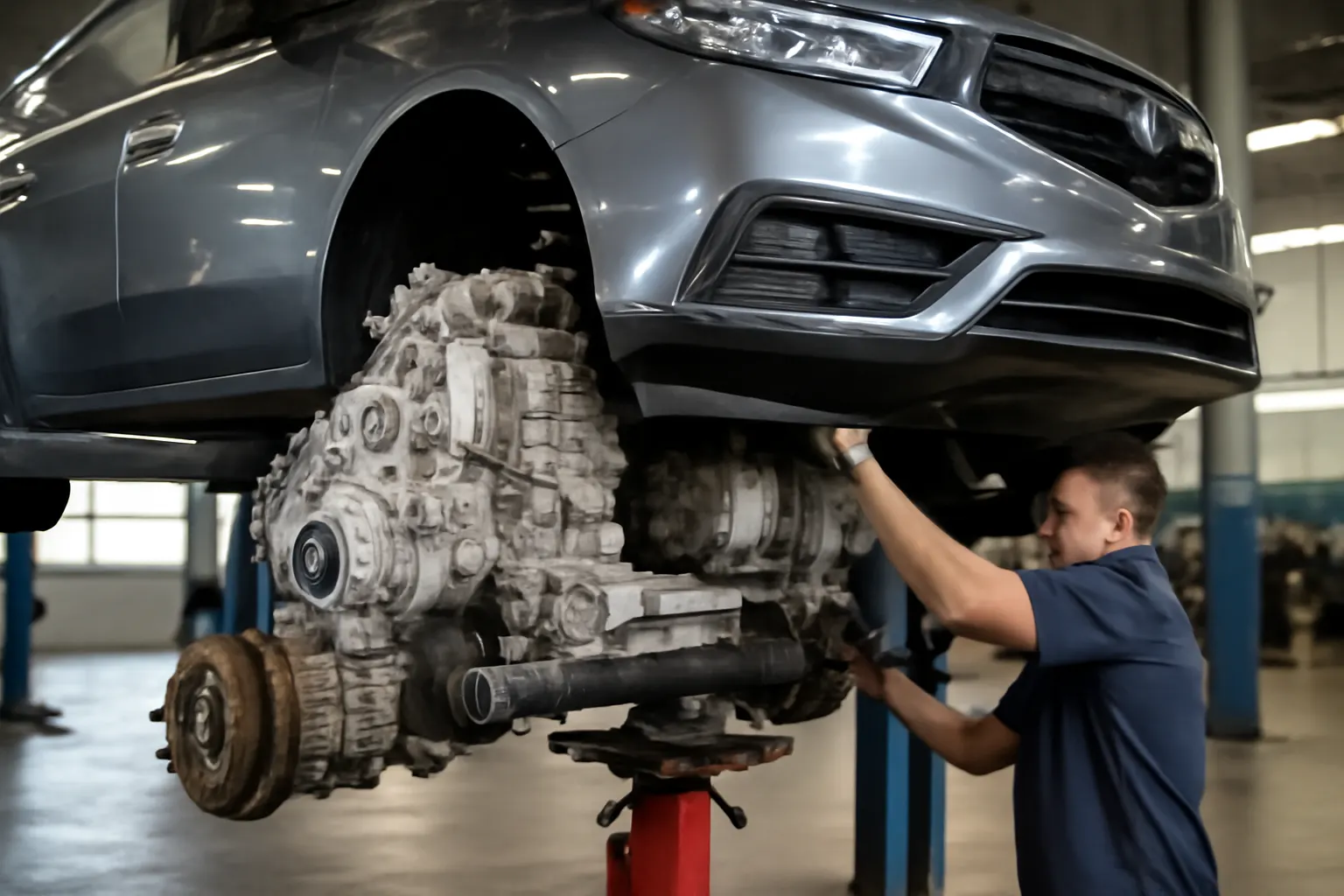
Acura Mdx Drivetrain Evolution
The Acura MDX has undergone a remarkable evolution in drivetrain technology since its introduction, dramatically impacting how owners select, service, and maintain drivetrain components. Whether you're sourcing OEM parts, tackling DIY maintenance, or strategizing for long-term reliability, understanding the MDX's drivetrain progression is essential for smart decision-making. In this comprehensive guide, we break down the major changes across MDX generations, highlight crucial service considerations, and provide actionable advice for maintaining peak drivetrain performance.
If you're looking for a complete resource on Acura MDX parts, including drivetrain components, start with the Acura MDX Parts & Maintenance Resource | AutoPartEx for model-specific guidance and fitment accuracy.
The Immediate Answer: How Has the Acura MDX Drivetrain Changed?
Over its generations, the Acura MDX has transitioned from a simple front-wheel-drive (FWD) platform to advanced all-wheel-drive (AWD) systems with integrated electronic controls, torque vectoring, and hybridization. Each leap in technology has influenced the types of parts required, the complexity of service, and the strategies for diagnosing drivetrain issues. The most significant milestones include:
- First Generation (2001–2006): FWD standard, optional VTM-4 AWD system.
- Second Generation (2007–2013): Standard SH-AWD (Super Handling All-Wheel Drive) introduced, enhancing traction and handling.
- Third Generation (2014–2020): More advanced SH-AWD with rear torque vectoring, introduction of hybrid drivetrain (Sport Hybrid SH-AWD).
- Fourth Generation (2022–present): Refined SH-AWD, further hybrid integration, lighter materials, and increased electronic control.
Each of these advancements brings new service requirements, diagnostic challenges, and parts compatibility concerns.
The Hidden Problem: Drivetrain Evolution Complicates Parts Selection and Service
While the evolution of the MDX drivetrain has improved performance, safety, and efficiency, it has also introduced complexity into the maintenance and parts selection process. Owners and technicians face several hidden challenges:
- Parts Compatibility: Not all drivetrain parts interchange across generations or trim levels, especially with the introduction of hybrid and advanced AWD systems.
- Diagnostic Complexity: Electronic controls and torque vectoring require specialized diagnostic tools and procedures.
- Service Procedures: Maintenance intervals, fluid specifications, and component access differ significantly between models.
- Aftermarket Confusion: The market is flooded with parts listings that may not specify compatibility with specific MDX drivetrain variants.
Without a clear understanding of these changes, even experienced DIYers and professional technicians risk ordering incorrect parts or performing incomplete service.
Drivetrain Technology Deep Dive: A Generation-by-Generation Breakdown
First Generation (2001–2006): Simplicity and Early AWD
- Drivetrain Types: Standard FWD, optional VTM-4 AWD system.
- Key Features: Mechanical AWD engagement, no torque vectoring, basic traction control.
- Service Highlights: Straightforward differential and transfer case service, limited electronic integration.
Second Generation (2007–2013): SH-AWD Arrives
- Drivetrain Types: SH-AWD becomes standard.
- Key Features: Active rear differential, electronic torque vectoring for improved handling.
- Service Highlights: Rear differential fluid changes become critical; electronic diagnostics required for SH-AWD issues.
Third Generation (2014–2020): Advanced SH-AWD and Hybridization
- Drivetrain Types: Enhanced SH-AWD with independent rear torque vectoring, introduction of Sport Hybrid SH-AWD.
- Key Features: Three-motor hybrid system (in hybrid models), increased use of lightweight materials, sophisticated electronic controls.
- Service Highlights: Hybrid-specific components (e.g., electric motors, battery packs), advanced diagnostics, precise fluid specifications.
Fourth Generation (2022–Present): Refinement and Integration
- Drivetrain Types: Further refined SH-AWD, expanded hybrid offerings.
- Key Features: More compact, lighter drivetrain components, advanced materials, increased efficiency, and safety features.
- Service Highlights: New service procedures for lightweight materials, integration with advanced driver-assist systems, and hybrid-specific maintenance.
Drivetrain Evolution and Its Impact on Fuel Efficiency
Drivetrain advancements in the MDX are closely tied to fuel efficiency improvements. Each generation has leveraged new technologies to optimize power delivery and reduce energy losses:
- Lighter Materials: Integration of high-strength steels and aluminum reduces weight, directly improving fuel economy (DOE Materials Technologies).
- Hybrid Systems: Sport Hybrid SH-AWD models use electric motors to supplement the gasoline engine, reducing fuel consumption in stop-and-go driving (DOE Fuel Efficiency).
- Electronic Controls: Advanced AWD and torque vectoring systems minimize unnecessary power transfer, optimizing efficiency.
Owners should be aware that the correct selection of drivetrain fluids and components is crucial for maintaining these efficiency gains. Using the wrong fluid or outdated parts can negate technological advantages and even damage sensitive systems.
Safety and Drivetrain: What MDX Owners Need to Know
Drivetrain evolution in the MDX isn't just about performance—it's a core component of vehicle safety. The introduction of SH-AWD and torque vectoring has enhanced stability, especially in adverse conditions. However, these systems also depend on the integrity of numerous sensors, actuators, and electronic modules (NHTSA Vehicle Safety and Equipment).
Key Safety Considerations:
- Sensor Health: Faulty wheel speed or yaw sensors can disable AWD systems, leading to reduced traction.
- Proper Fluid Maintenance: Old or incorrect fluids can cause differential or transfer case failure, compromising safety.
- Recall Awareness: Some drivetrain components have been subject to recalls—always check your VIN for open recalls (NHTSA Recalls).
Routine inspection and timely replacement of drivetrain-related components are vital for maintaining your MDX's safety profile.
Diagnosing Drivetrain Issues: Step-by-Step Approach
With increasing drivetrain complexity, accurate diagnosis requires a methodical approach. Here’s a practical checklist to guide you:
Acura MDX Drivetrain Diagnostic Checklist
- Check for Warning Lights: Modern MDXs will illuminate AWD, VSA, or hybrid warning lights if a drivetrain fault is detected.
- Listen for Unusual Noises: Clunks, whines, or grinding from the differential or transfer case often indicate wear or fluid issues.
- Inspect for Leaks: Look for fluid leaks at the transfer case, rear differential, and axles.
- Scan for Codes: Use an OBD-II scanner capable of reading manufacturer-specific codes for SH-AWD or hybrid systems.
- Test Drive: Note any abnormal handling, vibration, or loss of traction.
- Review Service History: Confirm correct fluid type and change intervals were observed.
- Inspect Electrical Connectors: For hybrid or advanced AWD systems, ensure all connectors and sensors are securely attached and free of corrosion.
If you’re unsure about any diagnostic step, consult a qualified technician or reference the Acura factory service manual.
Sourcing the Right Drivetrain Parts: What to Watch For
Selecting the correct parts for your MDX’s drivetrain is more complicated than ever. Here’s what you need to consider:
- VIN-Specific Fitment: Always verify parts compatibility using your vehicle identification number, especially for hybrid or SH-AWD models.
- OEM vs. Aftermarket: While some aftermarket parts meet SAE standards (SAE Standards), others may not provide the same durability or performance.
- Generation Differences: Transfer cases, differentials, and even driveshafts can differ between model years and trim levels.
- Hybrid-Specific Components: Electric motors, inverters, and hybrid transmission parts are unique to Sport Hybrid models and are not interchangeable with non-hybrid MDXs.
Consulting a trusted resource like Acura MDX Parts & Maintenance Resource | AutoPartEx can help you avoid common fitment pitfalls.
Maintenance Intervals and Fluid Specifications: Generation Matters
Each generation of the MDX comes with its own set of maintenance schedules and fluid requirements. Ignoring these differences can result in premature wear or system failure.
Fluid and Service Interval Highlights
- First Generation: Differential and transfer case fluid every 30,000-60,000 miles.
- Second/Third Generation SH-AWD: Rear differential fluid as often as 15,000 miles under severe use.
- Hybrid Models: Hybrid transmission and electric motor cooling fluids require special attention.
- Fourth Generation: Use only Acura-approved fluids for lightweight materials and advanced differentials.
Always consult your owner’s manual or a trusted resource before selecting fluids or service intervals. For timing-related service, see Acura Mdx Timing Belt Service.
Common Drivetrain Service Mistakes and How to Avoid Them
Even experienced technicians can fall into these traps:
- Using Generic Fluids: Many SH-AWD and hybrid components require Acura-specific fluids.
- Skipping Differential Service: Neglecting regular fluid changes is a primary cause of rear differential failure.
- Ignoring Software Updates: Some drivetrain issues can be resolved by updating control module software.
- Misidentifying Parts: Hybrid and non-hybrid drivetrain components are not interchangeable—always double-check part numbers.
For more on common pitfalls, review Acura Mdx Fitment Pitfalls.
Drivetrain Upgrade and Retrofit Considerations
Some MDX owners consider upgrading or retrofitting drivetrain components—for example, swapping a standard AWD system for SH-AWD, or installing hybrid components. While possible in theory, there are significant challenges:
- Wiring and Electronic Integration: Modern SH-AWD and hybrid systems require extensive electronic controls and sensors.
- Chassis and Mounting Differences: Subframe and mounting points may differ across generations.
- Programming and Calibration: New modules often require dealer-level programming.
Unless you have advanced technical skills, retrofitting is not recommended. Instead, focus on maintaining your existing system with high-quality, compatible parts.
The Role of Advanced Materials in Drivetrain Performance
Weight reduction and structural integrity are key goals in modern drivetrain design. The MDX has increasingly used advanced materials such as high-strength steel and aluminum in its drivetrain housings and mounting structures (DOE Materials Technologies). This shift brings several implications:
- Improved Efficiency: Lighter components reduce rotational mass and overall vehicle weight.
- Unique Service Requirements: Aluminum housings require specific torque specs and care to avoid damage.
- Corrosion Considerations: Mixed material interfaces (steel/aluminum) may require special fasteners or anti-corrosion treatments.
Always follow manufacturer torque and assembly procedures to prevent costly mistakes.
Advanced Diagnostics: Electronic Controls and Torque Vectoring
With each generation, the MDX’s drivetrain has incorporated more sophisticated electronic controls. This includes:
- Active Torque Vectoring: Electronic clutches direct power to individual wheels for improved handling.
- Integrated Stability Systems: Drivetrain control is linked with vehicle stability assist (VSA) and anti-lock braking systems (ABS).
- Hybrid Controls: Electric motors and battery management systems require specialized diagnostic equipment.
Best Practices:
- Use a professional-grade scan tool capable of reading all drivetrain modules.
- Check for software updates or technical service bulletins (TSBs) related to drivetrain performance.
- When replacing drivetrain sensors or actuators, always perform the required calibration procedures.
Preventive Maintenance: Maximizing MDX Drivetrain Longevity
Proactive care is the best way to ensure your MDX drivetrain delivers maximum reliability and performance. Here’s a checklist to guide your maintenance routine:
MDX Drivetrain Preventive Maintenance Checklist
- Inspect Drivetrain Mounts: Replace worn mounts to prevent vibration and drivetrain misalignment.
- Monitor Fluid Levels and Condition: Check for discoloration, contamination, or low fluid in differentials and transfer cases.
- Service Hybrid Components: For hybrid models, ensure cooling systems and high-voltage components receive regular inspection.
- Replace Worn CV Axles/Boots: Torn boots can lead to premature axle failure.
- Check for Software Updates: Regularly inquire about control module updates at your Acura dealer.
Document all service and use high-quality, model-specific parts for every repair.
Expert Action: How to Stay Ahead of the Drivetrain Curve
The evolution of the Acura MDX drivetrain means that best practices for maintenance, diagnostics, and parts sourcing are always changing. To stay ahead:
- Rely on Authoritative Resources: Use up-to-date guides and verified fitment tools, such as those at Acura MDX Parts & Maintenance Resource | AutoPartEx.
- Invest in Proper Tools: For DIYers, a professional-grade scan tool and a torque wrench are essential.
- Consult Service Bulletins: Stay informed about running changes and known issues by monitoring technical service bulletins.
- Partner with Specialists: If you’re unsure about hybrid or advanced AWD service, seek out a technician with Acura-specific training.
AutoPartEx is committed to providing MDX owners and technicians with the latest fitment data, maintenance guides, and sourcing support. For more in-depth advice, see our Acura Mdx Maintenance editorial and stay informed about the latest parts developments.