
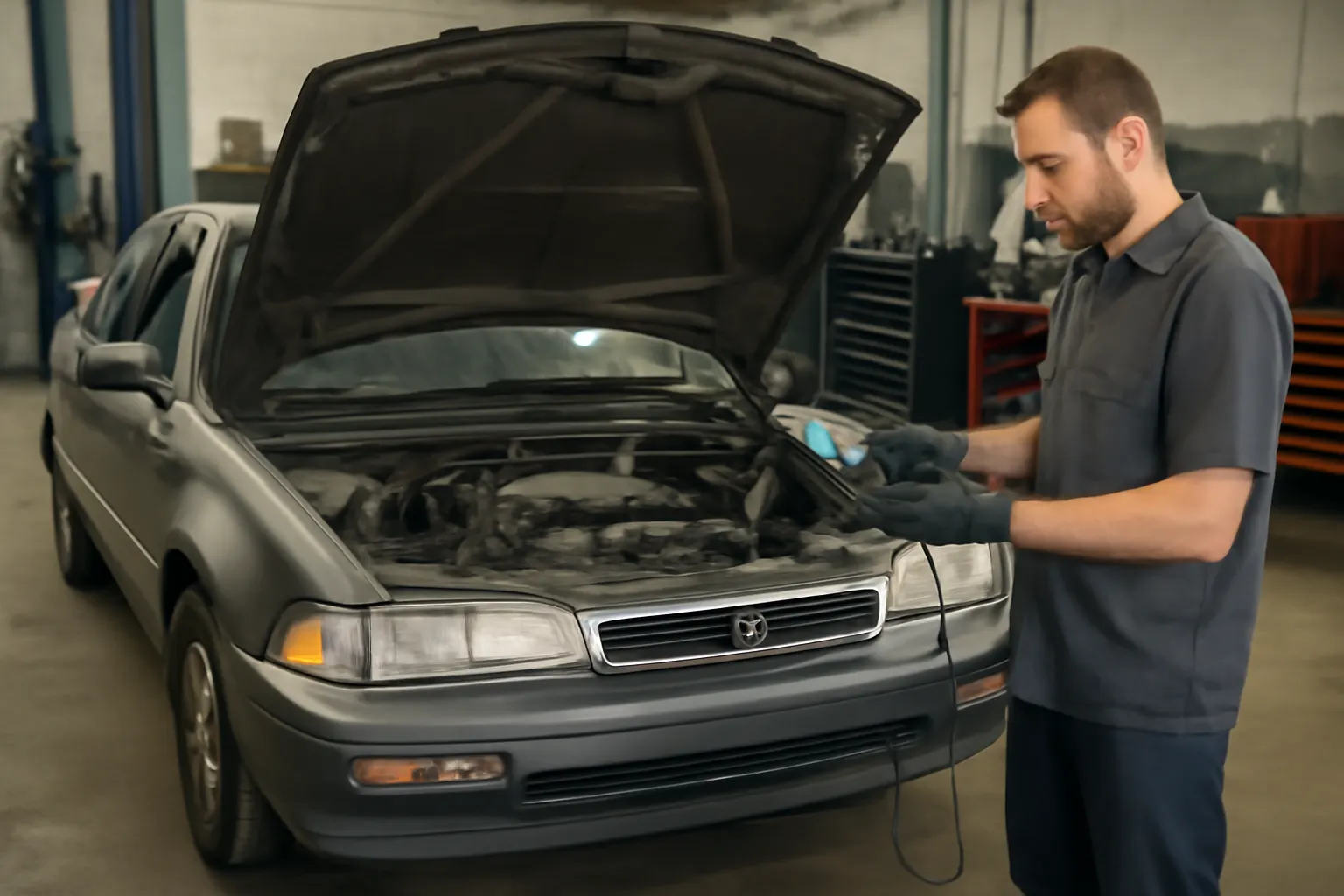
Acura Legend Common Issues
If you own or are considering a high-mileage Acura Legend, it’s essential to understand the most common issues that can affect these classic sedans and coupes. This comprehensive guide covers the top five recurring problems with Acura Legends, why they happen, how to diagnose them, and practical steps for long-term reliability. For a full overview of model-specific parts, maintenance, and fitment, see our Acura Legend Auto Parts & Model-Specific Maintenance Insights page.
Quick Reference: Top 5 Acura Legend Issues
- Head Gasket Failure
- Automatic Transmission Problems
- Cooling System Leaks & Overheating
- Electrical System Gremlins
- Suspension Wear and Chassis Rust
Each of these has unique symptoms, causes, and recommended solutions. Addressing them proactively will help you preserve your Legend’s performance, safety, and value.
The Hidden Challenge: Why Acura Legend Problems Multiply with Age
The Acura Legend, produced from 1986 to 1995, is celebrated for its engineering quality and luxury. However, as these vehicles approach or exceed 200,000 miles, age and mileage-related wear can magnify small issues into major repairs. Many owners encounter clusters of problems, often triggered by deferred maintenance, infrequent inspection, or the use of non-OEM parts. Understanding the root causes behind the most common issues is the first step to ensuring your Legend remains a reliable classic.
Head Gasket Failure: The Acura Legend’s Achilles’ Heel
Why It Happens
The most notorious issue for the second-generation (1991–1995) Acura Legend is head gasket failure. This problem is so prevalent that it has shaped the vehicle’s reputation in the used car market.
- Technical Cause: The all-aluminum C32A V6 engine is susceptible to head gasket breakdown due to repeated thermal cycling, electrolysis from old coolant, and occasional overheating episodes.
- Symptoms: White exhaust smoke, unexplained coolant loss, engine overheating, and a sweet smell from the tailpipe.
Diagnostic Checklist
- Check coolant level and look for oil contamination (“milkshake” appearance).
- Perform a compression test across all cylinders.
- Look for bubbles in the radiator or overflow tank while the engine is running.
- Inspect for white smoke after a cold start.
Solution Path
- Immediate: Do not drive the vehicle if overheating or coolant loss is detected.
- Repair: A proper head gasket replacement requires removing cylinder heads, resurfacing, and replacing gaskets, head bolts, and sometimes the radiator.
- Prevention: Use high-quality coolant, flush the system every 2–3 years, and monitor temperature gauges.
- Reference: Vehicle Safety and Equipment
Automatic Transmission Problems
Why It Happens
Acura Legends equipped with automatic transmissions, especially early four-speed units, often develop shifting issues as mileage increases.
- Technical Cause: Internal clutch pack wear, degraded transmission fluid, and solenoid failure are the main culprits. Overheating from poor cooling system maintenance can accelerate the problem.
- Symptoms: Hard shifts, delayed engagement, slipping, and “Check Engine” lights related to transmission codes.
Diagnostic Checklist
- Check transmission fluid for color (should be bright red) and odor (should not smell burnt).
- Scan for transmission-related diagnostic trouble codes (DTCs).
- Observe shifting behavior at various speeds and throttle loads.
Solution Path
- Immediate: If slipping or harsh shifting occurs, stop driving to prevent catastrophic failure.
- Repair: A fluid and filter change may help if caught early. Severe issues often require a rebuild or replacement.
- Prevention: Change transmission fluid every 30,000–40,000 miles and use only Honda/Acura-approved ATF.
- Reference: Vehicle, Car Seat, Tire, and Equipment Recalls
Cooling System Leaks and Overheating
Why It Happens
Overheating is both a cause and effect of other Acura Legend problems, especially head gasket failure and transmission wear.
- Technical Cause: Radiator end tanks, heater control valves, and coolant hoses degrade with age. The plastic and aluminum construction of many cooling system components makes them vulnerable to cracking and corrosion.
- Symptoms: Coolant puddles under the car, frequent need to add coolant, fluctuating temperature gauge, and steam from the engine bay.
Diagnostic Checklist
- Pressure test the cooling system for leaks.
- Inspect radiator, hoses, and water pump for visible cracks or seepage.
- Check for coolant residue around hose clamps and seams.
Solution Path
- Immediate: Address leaks promptly to prevent overheating and head gasket damage.
- Repair: Replace cracked radiators, hoses, and heater valves with high-quality aftermarket or OEM parts.
- Prevention: Regularly inspect and replace cooling system components every 7–10 years or 100,000 miles.
- Reference: Fuel Efficiency
Electrical System Gremlins
Why It Happens
Aging wiring harnesses, degraded solder joints, and failing relays are common in Legends over 20 years old.
- Technical Cause: Exposure to heat and vibration causes connections in the main relay, ignition switch, and climate control units to fail intermittently.
- Symptoms: No-start conditions, intermittent power windows or door locks, flickering dash lights, and HVAC malfunctions.
Diagnostic Checklist
- Test for voltage at affected components when failures occur.
- Inspect relay and fuse terminals for corrosion or looseness.
- Wiggle-test connectors under the dash to provoke symptoms.
Solution Path
- Immediate: If the vehicle fails to start, listen for the fuel pump priming when the key is turned.
- Repair: Replace affected relays, clean terminals, and, if needed, reflow solder joints on climate control or gauge clusters.
- Prevention: Proactively replace main relay and ignition switch at 150,000-mile intervals.
- Reference: Vehicle Safety and Equipment
Suspension Wear and Chassis Rust
Why It Happens
Despite its robust double-wishbone suspension design, the Acura Legend is not immune to wear and corrosion, especially in regions with winter road salt.
- Technical Cause: Ball joints, bushings, and tie rod ends deteriorate with age. Subframe and rear wheel arch rust are common in older vehicles.
- Symptoms: Clunking noises over bumps, uneven tire wear, vague steering feel, visible rust on undercarriage or wheel wells.
Diagnostic Checklist
- Lift the vehicle and check for play in ball joints and tie rods.
- Inspect bushings for cracks or excessive movement.
- Examine wheel arches and subframe for rust perforation.
Solution Path
- Immediate: Address excessive play or severe rust before it compromises safety.
- Repair: Replace worn suspension components with OE-spec parts. Treat rust with rust converter and undercoating.
- Prevention: Wash undercarriage regularly in winter and apply anti-corrosion treatments.
- Reference: Vehicle Safety and Equipment
Fuel System and Efficiency Issues
Why It Happens
Fuel pumps, injectors, and filters can clog or fail after decades of use, leading to hard starts, hesitation, or poor fuel economy.
- Technical Cause: Degraded fuel lines, clogged filters, and varnish buildup inside injectors reduce fuel flow and atomization.
- Symptoms: Extended crank time, rough idle, loss of power, increased fuel consumption.
Diagnostic Checklist
- Measure fuel pressure at the rail.
- Inspect fuel filter for age and contamination.
- Check for injector pulse using a noid light or stethoscope.
Solution Path
- Immediate: Replace clogged filters and use fuel system cleaner.
- Repair: Upgrade to new or rebuilt injectors and pumps if flow is insufficient.
- Prevention: Replace fuel filter every 60,000–90,000 miles and use top-tier gasoline.
- Reference: Fuel Efficiency
Interior and Trim Deterioration
Why It Happens
Sun exposure, age, and repeated use lead to cracked dashboards, sagging headliners, and worn seat bolsters.
- Technical Cause: UV damage and foam degradation are common in vehicles over 20 years old.
- Symptoms: Cracks, fading, sagging, and torn upholstery.
Diagnostic Checklist
- Inspect dashboard for cracks or warping.
- Check the headliner for sagging or detachment.
- Assess seat condition, especially on the driver’s side.
Solution Path
- Immediate: Use sunshades and seat covers to slow deterioration.
- Repair: Replace or recover affected trim pieces, or seek out used parts in good condition.
- Prevention: Regularly treat leather and vinyl with conditioners and park in the shade when possible.
Brake System Maintenance Concerns
Why It Happens
Brake lines, calipers, and master cylinders degrade over time, risking reduced braking performance or leaks.
- Technical Cause: Moisture in brake fluid, corrosion of lines, and sticking caliper pistons are typical after 15+ years.
- Symptoms: Soft pedal, pulling under braking, uneven pad wear, or visible fluid leaks.
Diagnostic Checklist
- Check brake fluid color (should be clear or light amber).
- Inspect lines and calipers for rust and leaks.
- Test for pedal firmness and response.
Solution Path
- Immediate: If a soft pedal or leak is found, do not drive until repaired.
- Repair: Replace affected lines, calipers, and flush the brake fluid.
- Prevention: Flush brake fluid every 2–3 years and inspect the system annually.
Timing Belt and Water Pump Replacement
Why It Happens
The Legend’s interference engine design makes timely timing belt and water pump replacement critical to avoid catastrophic engine damage.
- Technical Cause: Rubber timing belts degrade with age and mileage; water pumps can seize and cause belt failure.
- Symptoms: Ticking noises from the front of the engine, coolant leaks near the timing cover, and, if the belt fails, a no-start condition with possible internal engine damage.
Diagnostic Checklist
- Review maintenance records for last timing belt service.
- Inspect for coolant leaks around the timing cover.
- Listen for unusual noises from the engine bay.
Solution Path
- Immediate: Replace timing belt and water pump every 90,000 miles or 7 years, whichever comes first.
- Repair: Always replace tensioners and seals during timing belt service.
- Reference: See our Acura Legend Timing Belt Replacement guide for a detailed walkthrough.
Sourcing Quality Acura Legend Parts
Why It Matters
Using the right parts is crucial for maintaining safety, performance, and reliability. Aftermarket and counterfeit parts can cause more harm than good—especially for critical systems like brakes, suspension, and engine internals.
AutoPartEx Sourcing Checklist
| Part Type | Best Practice | Red Flags to Avoid |
|---|---|---|
| Engine/Timing Parts | OEM or reputable aftermarket (Aisin, Gates) | Unbranded e-commerce listings |
| Suspension Components | OE-spec, check fitment by chassis code | Universal-fit, poor reviews |
| Cooling/Heater Parts | OE or direct-fit aftermarket (Denso, Koyo) | Plastic tanks w/ poor sealing |
| Electrical/Relays | Genuine Honda/Acura or Denso | Cheap imitations, solder issues |
| Interior Trim | Used OEM, quality reproduction | Brittle, sun-damaged plastics |
For more on correct fitment, see our Acura Legend Fitment Checklist and Acura Legend Chassis Codes.
Preventive Maintenance for Long-Term Reliability
The Value of Scheduled Care
Preventive maintenance is the difference between a Legend that runs for decades and one that becomes a money pit. Many common issues can be avoided or caught early with a disciplined inspection and service schedule.
Key Preventive Steps
- Annual Inspections: Check for leaks, rust, worn bushings, and electrical faults.
- Fluid Changes: Engine oil every 5,000 miles, transmission fluid every 30,000–40,000 miles, coolant every 2–3 years, brake fluid every 2 years.
- Rubber Parts: Replace hoses, belts, and bushings every 7–10 years.
- Suspension and Brakes: Inspect pads, rotors, and shocks annually.
Maintenance Record Checklist
| Service Item | Recommended Interval | Notes |
|---|---|---|
| Engine Oil & Filter | 5,000 miles / 6 months | Use high-quality synthetic or blend |
| Transmission Fluid | 30,000–40,000 miles | Honda/Acura ATF only |
| Coolant Flush | 2–3 years | Use phosphate-free, silicate coolant |
| Brake Fluid | 2 years | Moisture-absorbing, replace regularly |
| Timing Belt & Water Pump | 90,000 miles / 7 years | Replace tensioners and seals as well |
| Spark Plugs | 60,000–90,000 miles | Use NGK or Denso OEM-spec |
| Fuel Filter | 60,000–90,000 miles | Prevents injector clogging |
Expert Guidance: When to Seek Professional Help
While many Acura Legend owners are DIY enthusiasts, some repairs—especially head gasket replacement, transmission rebuilds, and major rust repair—are best left to specialists with the right tools and experience.
When to Consult a Pro:
- Complex Engine Repairs: Cylinder head, timing belt, and gasket jobs require precision.
- Transmission Problems: Diagnostic and rebuild work is specialized.
- Advanced Electrical Issues: Intermittent faults or cluster repairs need expertise.
- Chassis Rust: Structural repairs should be handled by experienced welders.
A trusted professional can also help source hard-to-find parts and ensure repairs meet SAE Standards for safety and quality.
Why Choose AutoPartEx for Acura Legend Parts and Advice
At AutoPartEx, we combine model-specific expertise with a curated selection of high-quality Acura Legend parts. Our platform provides detailed fitment data, technical guides, and a knowledgeable support team to help you keep your Legend on the road. Whether you need a timing belt kit, genuine relays, or rust-free trim, we help you find the right solution the first time.
Explore our full range of Acura Legend Auto Parts & Model-Specific Maintenance Insights and leverage our editorial resources for accurate, actionable advice.
Closing Advice: Keep Your Legend Legendary
The Acura Legend’s reputation for reliability and refinement is well-earned, but even the best-engineered vehicles need attentive care as they age. By understanding the most common issues, following a disciplined maintenance routine, and sourcing quality parts, you can enjoy many more miles from this iconic model. Use this guide as your foundation, and don’t hesitate to seek expert help for major repairs or diagnostics.