
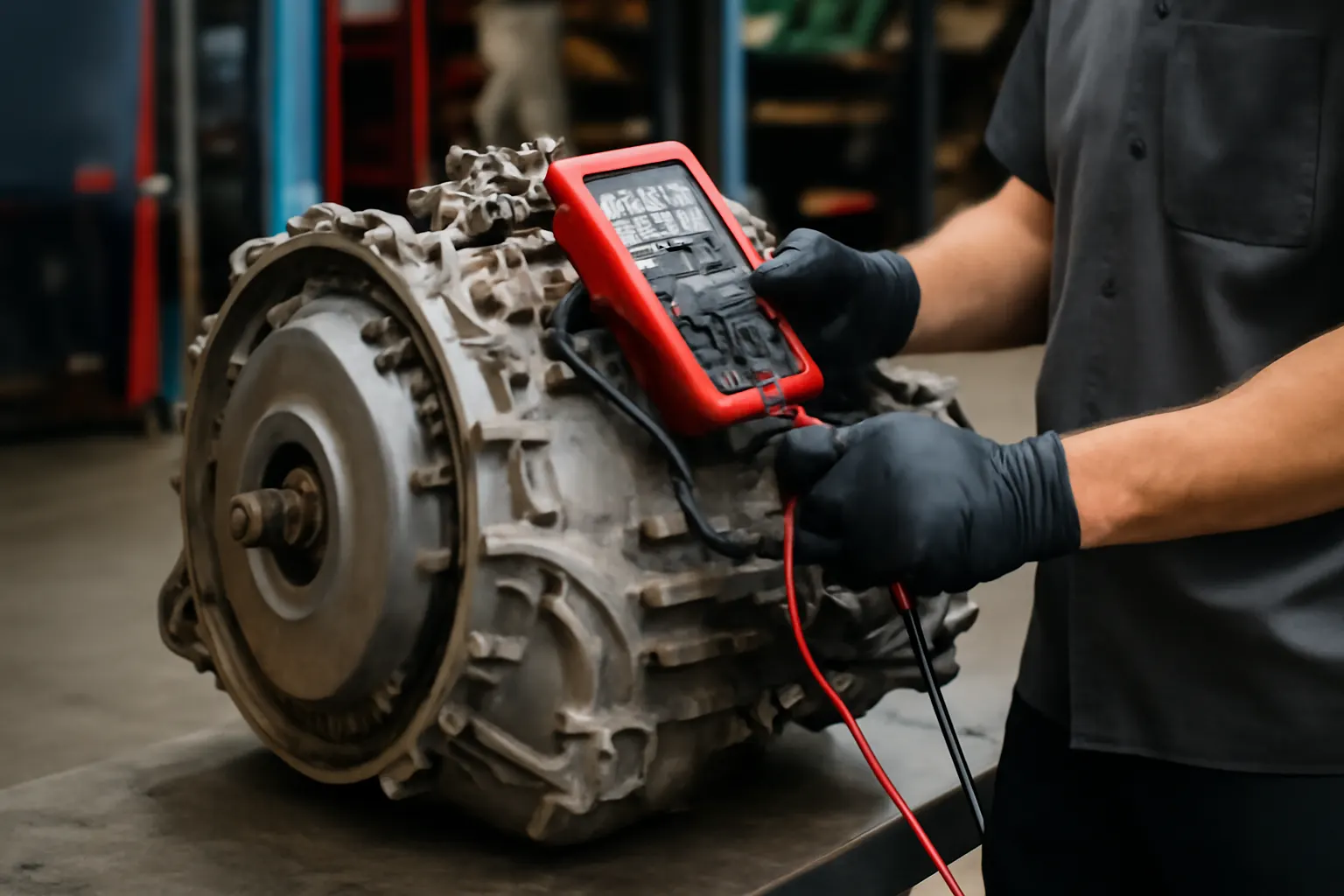
Acura Cl Transmission Troubleshooting
If you own a 2001–2003 Acura CL, transmission problems are a well-documented concern. This guide delivers immediate, actionable advice on diagnosing and addressing common automatic transmission issues in these models. We’ll unpack the warning signs, technical causes, and precise troubleshooting steps—empowering you to protect your investment and maintain optimal drivability. For a comprehensive overview of all CL maintenance topics, visit our Acura CL Parts & Maintenance Guide.
Immediate Answer: Key Acura CL Transmission Problems and Warning Signs
Owners of the 2001–2003 Acura CL frequently report automatic transmission issues, particularly in V6 models with the five-speed automatic. The most prevalent symptoms include:
- Hesitation or slipping during gear shifts
- Delayed engagement when shifting from Park to Drive or Reverse
- Jerky or harsh upshifts and downshifts
- Illuminated Check Engine or transmission warning light
- Noticeable burning smell from overheated transmission fluid
If you notice any of these symptoms, act promptly. Early intervention can prevent catastrophic transmission failure and costly repairs.
Hidden Problem: Why Acura CL Transmissions Are Prone to Failure
The transmission in the 2001–2003 Acura CL, especially the five-speed automatic (model code: B7XA), is known for internal weaknesses. The core issues stem from:
- Premature clutch pack wear: Friction materials degrade faster than expected due to heat and design limitations.
- Fluid breakdown: Overheating and shearing forces cause rapid transmission fluid degradation, reducing lubrication and cooling efficiency.
- Deficient lubrication to third gear clutch: Internal oil passages may not deliver enough fluid, accelerating wear.
- Manufacturing recalls: The National Highway Traffic Safety Administration (NHTSA) has documented recalls for transmission defects in these models. See their recall database for details.
These vulnerabilities often remain hidden until significant wear or outright failure occurs, making proactive inspection and maintenance essential.
Digging Deeper: Technical Causes of Acura CL Transmission Issues
To understand why these transmissions fail, let’s break down the technical factors:
1. Transmission Design Flaws
The Acura CL’s five-speed automatic was a technological leap when new, but it suffered from undersized clutch packs and limited oil flow to key components—especially the third gear clutch. This led to excessive heat and rapid wear.
2. Transmission Fluid Shear and Contamination
The transmission fluid in these models is subjected to severe stress, especially during aggressive driving or stop-and-go traffic. High temperatures cause fluid to oxidize, lose viscosity, and form varnish on internal parts. This process is accelerated if fluid changes are neglected.
3. Solenoid and Valve Body Malfunctions
Shift solenoids and the valve body regulate hydraulic pressure and gear engagement. On the Acura CL, debris from worn clutches can clog these components, causing erratic shifting, delayed engagement, or failure to shift at all.
4. Electronic Control Unit (ECU) and Sensor Issues
Modern transmissions rely on sensors (speed, pressure, temperature) and the ECU to coordinate shifting. A faulty sensor or failing ECU can mimic or exacerbate mechanical problems, making accurate diagnostics crucial.
Early Warning Signs: How to Identify Transmission Trouble
Recognizing early symptoms is vital for extending transmission life. Watch for:
- Unusual noises: Whining, grinding, or clunking from the transmission tunnel
- Fluid color and odor: Dark, burnt-smelling fluid indicates overheating
- Dashboard indicators: “D4” light flashing or Check Engine Light (CEL) on
- Performance changes: Sluggish acceleration, poor fuel economy, or unexpected gear changes
Proactive owners should inspect transmission fluid monthly and note any change in color, smell, or level.
Step-by-Step Troubleshooting Checklist
Use this diagnostic checklist to assess your Acura CL’s transmission health:
| Step | Action | What to Look For |
|---|---|---|
| 1 | Check fluid level and condition | Low level, dark or burnt fluid, metal shavings |
| 2 | Scan for diagnostic trouble codes (DTCs) | Use OBD-II scanner; note any transmission-related codes |
| 3 | Road test | Hesitation, slipping, harsh shifts, delayed engagement |
| 4 | Inspect for leaks | Check under vehicle and around transmission pan |
| 5 | Monitor dashboard indicators | Flashing “D4” or illuminated CEL |
| 6 | Listen for noises | Whining, clunking, grinding during shifts |
| 7 | Review service history | Gaps in fluid changes or recall repairs |
If you identify two or more warning signs, further investigation or professional diagnosis is recommended.
Common Diagnostic Trouble Codes (DTCs) for Acura CL Transmission
When scanning your Acura CL’s onboard computer, these DTCs often indicate transmission issues:
- P0700: Transmission Control System Malfunction
- P0730: Incorrect Gear Ratio
- P0733/P0734: Gear 3/4 Incorrect Ratio
- P0740: Torque Converter Clutch Circuit Malfunction
- P0780: Shift Malfunction
Accurate code retrieval is crucial. Codes related to gear ratio or shift solenoids often point directly to internal transmission problems.
Transmission Fluid: Selection, Change Intervals, and Best Practices
Fluid Specification
Always use Honda/Acura ATF-Z1 or the updated DW-1 automatic transmission fluid. Aftermarket fluids may not meet the friction and thermal requirements for Acura CL transmissions.
Change Interval
Given the known heat and shear issues, change the fluid every 30,000 miles or sooner if you notice discoloration or contamination. Severe service (towing, city driving, hot climates) warrants more frequent changes.
Fluid Change Tips
- Warm up the vehicle before draining for better fluid flow.
- Replace the transmission filter if equipped (some models use a non-serviceable internal screen).
- Always check for metal debris in the drained fluid, which signals internal wear.
Transmission Recalls and Safety Notices
The NHTSA has recorded recalls affecting 2001–2003 Acura CL transmissions. These include:
- Recall Campaigns: Certain VIN ranges required installation of an oil jet kit to improve third gear clutch lubrication.
- Safety Implications: Transmission failure can cause sudden loss of drive or lock-up, posing a safety hazard.
Owners should verify recall completion by entering their VIN in the NHTSA recall lookup tool. If your vehicle is affected and the repair was never performed, contact an Acura dealer immediately.
When to Repair, Rebuild, or Replace Your Transmission
Repair
Minor issues such as solenoid failure, fluid leaks, or external sensors can often be repaired without removing the transmission.
Rebuild
A rebuild is recommended if you find:
- Persistent slipping or harsh shifting
- Metal debris in the fluid
- Multiple DTCs pointing to internal failure
A quality rebuild replaces worn clutch packs, seals, and updates to oil passages where possible.
Replace
Replacement with a remanufactured unit may be more cost-effective if the transmission suffers catastrophic failure (broken gears, case damage) or if a rebuild is prohibitively expensive.
Sourcing Quality Replacement Parts and Assemblies
When sourcing parts, prioritize OE (Original Equipment) or high-quality aftermarket components. Key parts include:
- Clutch packs and friction discs
- Shift solenoids and sensors
- Valve body assemblies
- Remanufactured transmissions
Confirm parts compatibility using your VIN and transmission code. For a curated selection of compatible components, browse our Acura CL Parts & Maintenance Guide.
Preventive Maintenance: Extending Transmission Life
Routine care can dramatically extend the life of your Acura CL transmission:
- Fluid Changes: Stick to a 30,000-mile interval or sooner in severe conditions.
- Transmission Cooler: Installing an auxiliary cooler reduces fluid temperatures and prevents overheating.
- Gentle Driving: Avoid aggressive acceleration and heavy towing.
- Software Updates: Ask your dealer about ECU or TCM (Transmission Control Module) updates that improve shift logic and reduce stress.
Document all maintenance and repairs; this history can increase resale value and help with future diagnostics.
Professional Diagnosis: When to Seek Expert Help
Complex transmission issues often require advanced diagnostic equipment and expertise. Seek professional help if you experience:
- Persistent DTCs after fluid changes
- No movement in Drive or Reverse despite correct fluid level
- Loud internal noises (grinding, banging)
- Signs of overheating (smoke, extreme odor)
Certified technicians use pressure gauges, scan tools, and sometimes endoscopes to inspect internal components without full disassembly.
Related Maintenance Topics for Acura CL Owners
Transmission health is closely linked to other critical systems. For optimal reliability, consider these related maintenance guides:
- Acura Cl Timing Belt Service: Prevent engine damage by replacing the timing belt at recommended intervals.
- Acura Cl Suspension Fitment: Ensure ride quality and handling with proper suspension maintenance.
- Acura Cl Type S Restoration: Comprehensive restoration tips for the enthusiast owner.
Staying ahead on these services reduces the risk of compounding issues and supports overall vehicle longevity.
AutoPartEx: Your Acura CL Transmission Solution Partner
At AutoPartEx, we specialize in providing accurate technical guidance, OE-quality parts, and curated maintenance advice for Acura CL owners. Our resources empower you to make informed decisions—whether performing a fluid change, sourcing a rebuilt transmission, or seeking expert diagnostic help.
Explore our Acura CL Parts & Maintenance Guide for model-specific parts, technical diagrams, and step-by-step instructions. Our commitment to quality and safety aligns with industry standards and verified data from trusted sources like the NHTSA and SAE International.
Expert Action Steps
- Inspect your transmission fluid today—look for color, level, and odor changes.
- Scan for DTCs if you notice any shifting problem or warning light.
- Check your VIN for open recalls using the NHTSA recall lookup tool.
- Schedule preventive maintenance—don’t wait for symptoms to worsen.
- Contact AutoPartEx for parts, technical diagrams, or a referral to a transmission specialist.
By acting now, you safeguard your Acura CL’s performance and value for years to come.