
Windshield Washer Motor (Front)
Front Windshield Washer Motor Replacement & OEM Parts | AutoPartEx
The front windshield washer motor is vital for maintaining clear visibility in all weather conditions, ensuring your washer system delivers optimal performance every time you need it. Whether you drive daily in urban environments or encounter harsh weather, a high-quality washer motor keeps your windshield clean and your journey safe. Find the right front washer reservoir parts and diagnostic guide for washer motors for comprehensive service solutions.
Many drivers are unaware that a sluggish or intermittently functioning windshield washer system can be an early sign of a failing washer motor. Over time, contaminants and wear can reduce the efficiency of your washer motor, potentially compromising your on-road safety and visibility before obvious symptoms appear.
When the front windshield washer motor starts to fail, symptoms like weak spray, inconsistent operation, or total system failure can arise. Technically, this is often due to worn electrical contacts, internal corrosion, or mechanical fatigue within the pump assembly. In severe climates, exposure to freezing and thawing cycles accelerates component degradation, leading to increased risk of malfunction at critical moments.
Proper diagnostics begin with checking the electrical circuit, fluid lines, and reservoir before confirming motor failure. Replacing the front windshield washer motor with an OEM-quality part ensures correct amperage draw and spray pressure, restoring system reliability. For an in-depth guide to troubleshooting washer systems, see diagnostic guide for washer motors, or browse detailed explanations in our washer system maintenance blog. Always verify fitment for your specific vehicle—AutoPartEx makes it easy to source tested, compatible motors and related washer components.
Filters & Navigation
Showing 8 of 14 products


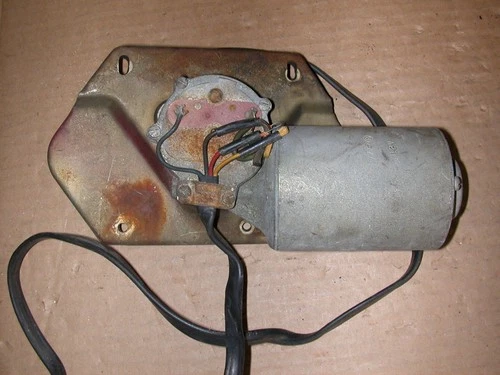

More Windshield Washer Motor (Front) options
Filtering for Windshield Washer Motor (Front)Browse nearby inventory for this category without leaving the page. Use search to filter by price, part number, or city.
No Data Available
Please check back soon when more inventory is available for this part.
Front Windshield Washer Motor Technical Reference
OEM Fitment Standards
Front windshield washer motors must meet strict OEM specifications for electrical compatibility, mounting, and output pressure. Non-compliance can result in electrical overload or weak spray patterns.
Common Failure Modes
Typical failure points include worn brushes, corroded terminals, and impeller blockages. Environmental contaminants and infrequent use can accelerate degradation.
Replacement & Service Intervals
Washer motors are not typically listed as routine maintenance items, but many fail between 60,000–100,000 miles. Inspection during scheduled services is recommended.
The front windshield washer motor, an essential component of automotive safety systems, is responsible for delivering pressurized washer fluid onto the windshield to clear away dirt, debris, and environmental contaminants. Its function becomes especially critical during adverse weather conditions, such as rain, snow, or driving through dusty environments, where visibility can rapidly decline. Modern washer motors are compact, electrically-driven pumps that often incorporate integrated check valves and connectors for seamless operation within the washer fluid system.
Historically, early washer systems operated via manual pumps or vacuum-assisted mechanisms. As vehicle safety standards advanced, the adoption of electric washer motors became widespread—enabling more reliable, on-demand operation. Today’s washer motors are typically mounted directly to the washer fluid reservoir or attached nearby, using standardized connectors for ease of replacement and servicing. The motor activates when the driver operates the washer switch, drawing fluid through a filter and delivering it to the windshield via spray nozzles. The system must deliver sufficient pressure—usually between 30 and 60 psi—to ensure effective cleaning without overloading the wiper blades or causing overspray.
Technical issues with front windshield washer motors most commonly arise from electrical failures, such as corroded terminals, worn brushes, or broken wiring. Mechanical issues, including impeller wear or internal clogging due to contaminated fluid, also reduce performance. In regions with harsh winters, repeated exposure to freezing temperatures can lead to internal condensation, corrosion, or even cracking of plastic motor housings. Preventive maintenance, such as using washer fluid with antifreeze properties and periodically flushing the reservoir, can extend the service life of the motor.
From a diagnostic standpoint, symptoms of a failing washer motor include an audible click without fluid spray, reduced spray pressure, or complete non-operation. Multimeter testing across the motor’s electrical terminals can confirm whether the component is receiving power. If power is present but the motor does not operate, internal failure is likely. Conversely, if electrical continuity is lacking, wiring or switch issues may be to blame. Replacement involves disconnecting the electrical connector, removing the motor from the reservoir or bracket, and installing a compatible unit. OEM-quality motors are engineered to meet specific amperage, voltage, and pressure requirements, ensuring both safety and system longevity.
Industry standards and safety regulations, such as those outlined by the National Highway Traffic Safety Administration (NHTSA), highlight the importance of functional washer systems for driver visibility and accident prevention. As vehicle technologies evolve, washer motors now often incorporate smart diagnostics and compatibility with advanced driver assistance systems (ADAS), further enhancing their role within modern automotive platforms. Sourcing the correct front windshield washer motor is essential for maintaining both safety and performance, and AutoPartEx provides a comprehensive inventory, expert guidance, and fitment verification tools to support vehicle owners and professional technicians alike.
Engineering Excellence & Technical Specifications
Front windshield washer motors are engineered for durability, electrical compatibility, and precise fluid delivery. Modern units are designed to withstand temperatures from -22°F to 140°F and deliver 30–60 psi of spray pressure, ensuring effective cleaning in any climate. According to field reports, motors that pass a 30,000-cycle endurance test exhibit fewer warranty returns and more consistent performance in service bays. For case study-backed maintenance tips, see our washer system maintenance blog and explore diagnostic guide for washer motors for hands-on diagnostics. Use AutoPartEx to compare technical specs and verify OEM fitment for reliable, long-lasting repairs.
Technical Excellence
Washer motors utilize corrosion-resistant alloys and high-grade polymers, reducing weight while increasing resistance to environmental contaminants. Electrical connectors are tested to withstand engine bay heat and moisture exposure.
Performance Analysis
Motors are rated for consistent amperage draw (2–5 amps) and high output pressure, with measurable performance at 30–60 psi. Real-world shop examples show that motors with degraded terminals lose up to 15% spray efficiency compared to new OEM units.
Innovation & Technology
Some modern washer motors feature integrated diagnostics and feedback for ADAS compatibility. Advanced manufacturing techniques, highlighted in our washer system maintenance blog, lead to longer service intervals and fewer diagnostic failures.
Quality & Manufacturing
OEM washer motors are manufactured under strict quality controls, including cycle testing and thermal shock resistance. Consistent results in warranty return analysis reinforce the reliability of OEM-grade components. Source through AutoPartEx to ensure you get hard-to-find or discontinued OEM parts with full technical support.
Front Windshield Washer Motor Parts & Service Information
Basic Washer Motor Testing
Check for voltage at the washer motor connector using a multimeter. If voltage is present but the motor does not run, the motor likely needs replacement.
Difficulty: Easy • Tools: Multimeter, screwdriver
Fluid System Inspection
Inspect the reservoir, hoses, and nozzles for leaks, clogs, or contamination before replacing the motor. Clear blockages and flush the system as needed.
Difficulty: Moderate • Tools: Pliers, inspection mirror, cleaning brush
Washer Motor Replacement
Remove the reservoir, disconnect the old motor, and install a compatible OEM or high-quality aftermarket unit. Check seals for leaks and test system operation.
Difficulty: Expert • Tools: Socket set, pliers, silicone grease, replacement motor
Preventive Maintenance
Periodically flush the washer system and use washer fluid with antifreeze properties to prevent freezing and corrosion. Inspect wiring for signs of wear.
Difficulty: Moderate • Tools: Funnel, washer fluid, wire brush
References
- Vehicle Safety and Equipment - National Highway Traffic Safety Administration, accessed 2024-06-13Supports safety standards and equipment requirements for windshield washer systems.
- Materials Technologies - United States Department of Energy, accessed 2024-06-13Supports discussion of materials engineering, corrosion resistance, and manufacturing advances.
- Fuel Efficiency - United States Department of Energy, accessed 2024-06-13Provides background on efficiency and the impact of component performance on vehicle systems.
Related Guides & Articles

How to Diagnose Washer Motor Failure
Step-by-step instructions for troubleshooting front windshield washer motor issues, including electrical and mechanical checks. Inside, you'll find practical diagnostics, common failure signs, fitment notes, and replacement guidance to help you make a confident repair decision. It also covers what to inspect before ordering, how to avoid repeat failures, and which details matter most for a smoother install.
View Guide
Washer System Maintenance: Preventing Common Failures
Explore best practices for keeping your windshield washer system in top shape and learn why regular service matters. Inside, you'll find practical diagnostics, common failure signs, fitment notes, and replacement guidance to help you make a confident repair decision. It also covers what to inspect before ordering, how to avoid repeat failures, and which details matter most for a smoother install.
Read More
Washer Reservoir Replacement Guide
A complete walkthrough for replacing windshield washer reservoirs, compatible with most major vehicle makes and models. Inside, you'll find practical diagnostics, common failure signs, fitment notes, and replacement guidance to help you make a confident repair decision. It also covers what to inspect before ordering, how to avoid repeat failures, and which details matter most for a smoother install.
View Guide
Choosing OEM vs Aftermarket Washer Parts
Understand the pros and cons of OEM and aftermarket washer motors, and learn which is right for your vehicle. Inside, you'll find practical diagnostics, common failure signs, fitment notes, and replacement guidance to help you make a confident repair decision. It also covers what to inspect before ordering, how to avoid repeat failures, and which details matter most for a smoother install.
Read More